
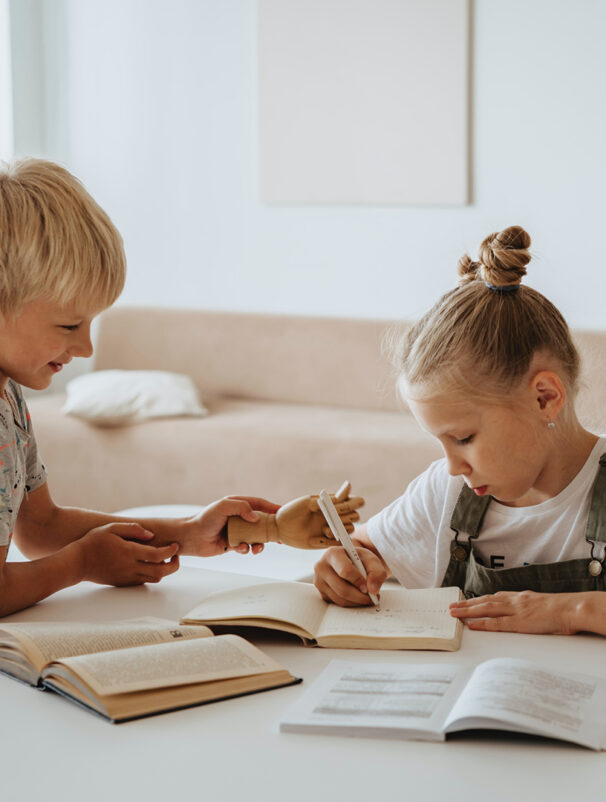
The Garden to Table programme is teaching children the essential skills they need to be food-resilient. They’ve shared a fantastic range of activities and ideas for parents to help keep children engaged at home.
Ask students to put the herbs and spices in their spice rack into alphabetical order. Why? This is how they are sold at the supermarket so they are easier to find. Parents could swap over a few spices each day and ask students to identify the changes.
If it’s not too stressful, even helping with the online shopping is a learning activity. Students can work out what they might need, find the items, check the cupboard and fridge to survey what needs to be bought, add items, check items on special to see if buying more is cheaper.
Can they do some reading on Facetime to a grandparent who is self-isolating? Can they email a friend or cousin every day? They could include a highlight from their day, a really good joke, perhaps a challenge to complete. If they are emailing someone from another generation they could ask them some questions to collect some social history? What is the best meal you’ve ever eaten? Tell me your favourite game when you were a child. What was your favourite teacher’s name? Tell me about when you started school. Have you or your family ever grown a vegetable garden? Have you ever done something really silly?
Screentime – there is screentime and there is screentime! There are some great kiwi made programmes on Heihei that include learning, whether it is learning te reo Maori, watching science programmes and cooking programmes like Kai 5, Kitchen Science and Kids’ Cookout. Kids could be asked to write a summary or tell someone about what they learned, or think of some way they can use what they learned and give it a go.
Snacks – I have heard of some families that are finding that their children are constantly hungry while in self-isolation. Some of this could be due to a change in routine and a feeling of anxiety. Encourage parents to keep to a routine similar to schooltime. They could begin schoolwork at a set time in a set place. Start with the trickiest or most mundane task. Once they have completed a task or a set amount of time have a brain and body break. Do something active and nourish the body ready to learn again. Get some fresh air and drink some water. They could pack a lunchbox in a similar way to school so that routines are maintained and students are not eating for reasons other than for brainfood. I’ve seen a budgeting activity where students are given a dollar a day to buy snacks.
So many home-based activities can be part of learning. Students could be in charge of making lunch for their family. They could make a recipe as independently as possible, or they could take sandwich orders from their family and then make them. Encourage them to write and read without knowing. Even reading the recipe on the back of the porridge packet is learning.
Sit outside and look up at the sky. Record every flying thing that goes past. Can you put them into catergories? Can you make a graph?
Go outside and collect leaves from 10 different plants. Sort them by size, colour and texture. Can you sort them another way? Which is your favourite? Why? Could you put them in a Venn diagram and explain how you grouped them to someone at home?
Pick some flowers from outside. Sellotape them to a sunny window. Where their shadow falls, draw their outline. Colour them in, cut them out, make a happy piece of art or card to make someone’s day. Can you email a photo of it to someone who needs a boost?
Find and pick a flower. Dissect it slowly. You need to think like a scientist and take apart one part at a time. Do you need any tools? What is each part for? How can you record what you found?
Thanks to http://www.gardentotable.org.nz/