Focus on Design
Japanese design frequently makes reference to thousands of years of traditional Japanese arts while also being contemporary, slick and modern. The style’s clear, strong voice ranges from simple design, geometrics and spots of colour to loud mascots, cute patterns and cartoons. From minimalism to pop, we often see Japanese influence in the fields of architecture and interior design. We take look at some recent stunning examples.
Tetote Note
Yoshihiro Kato Atelier
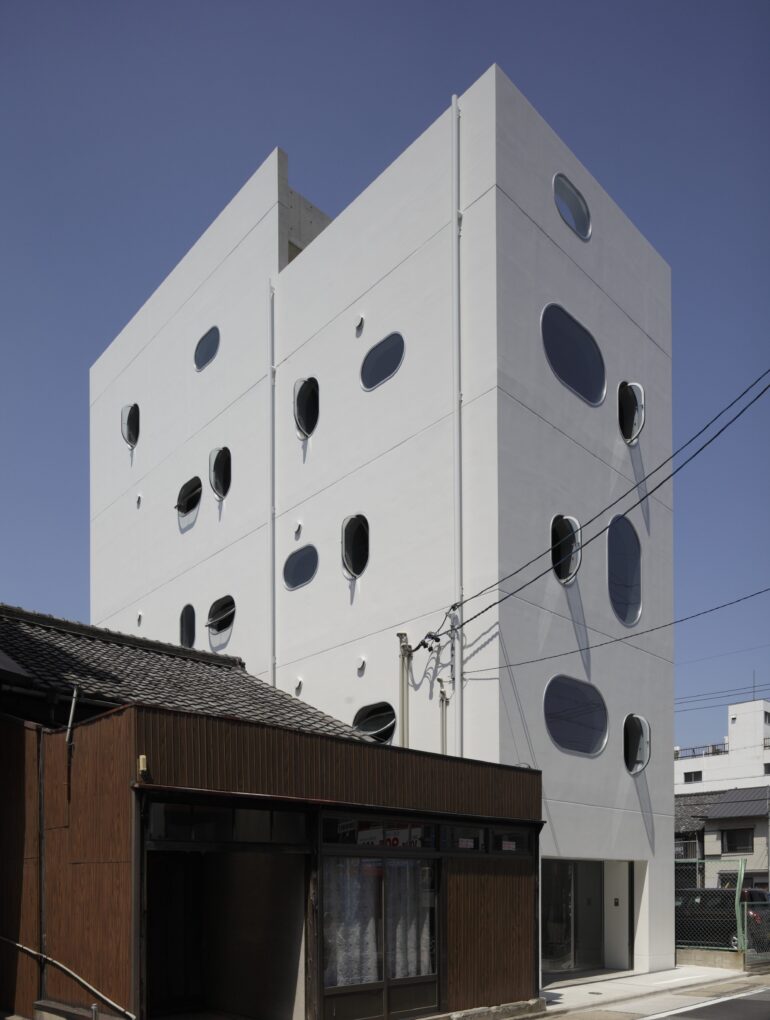
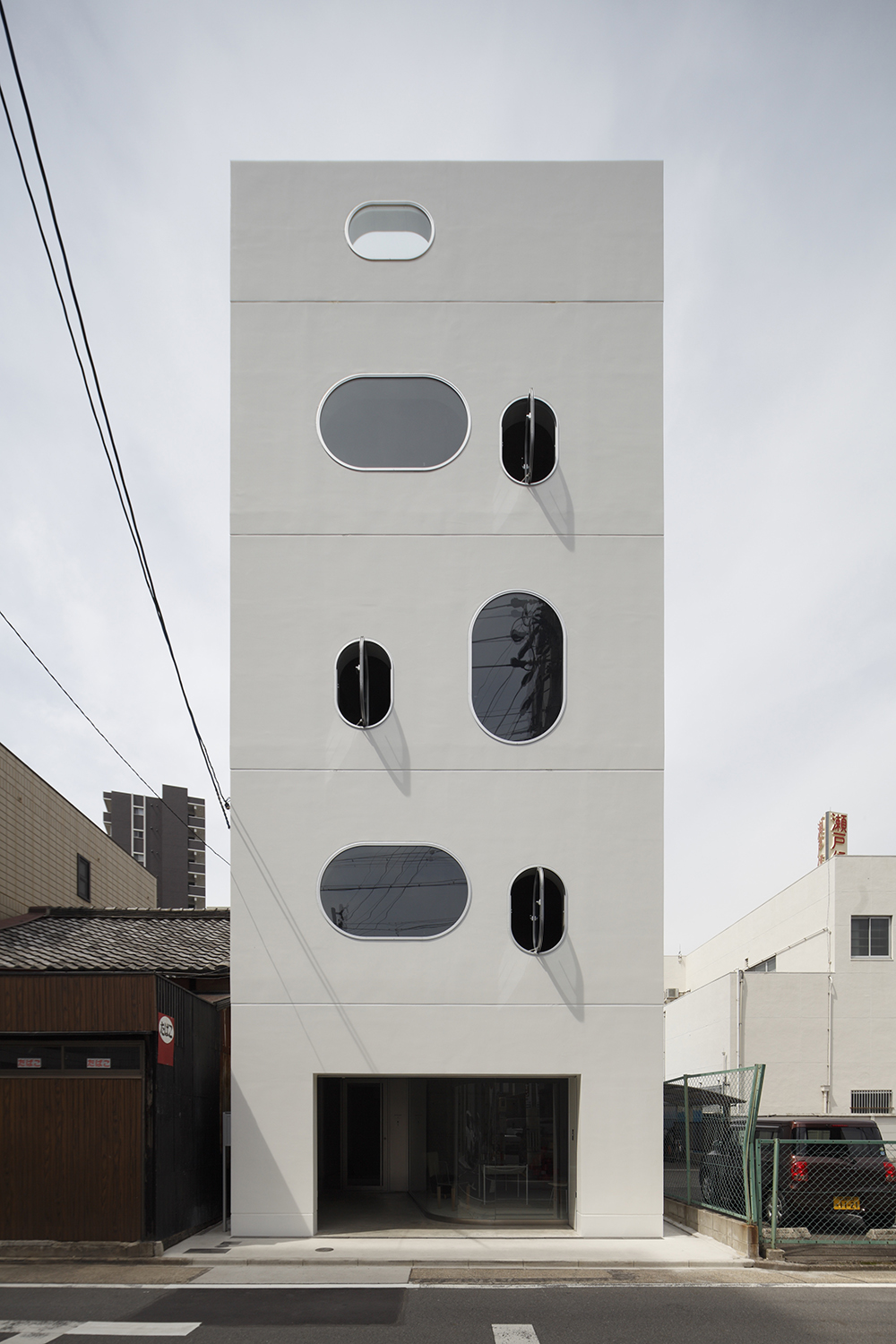
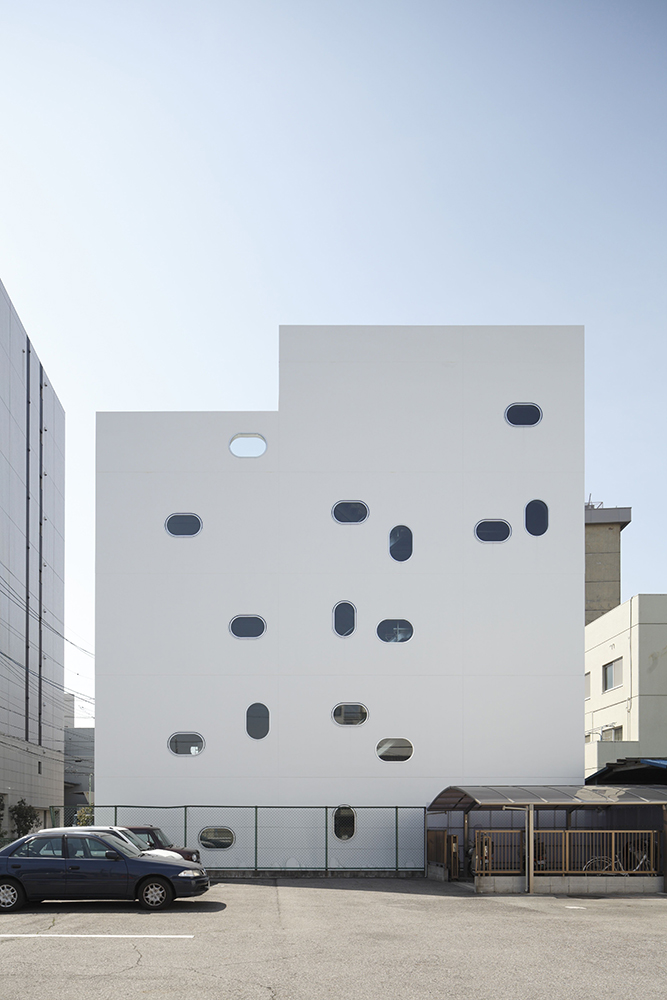
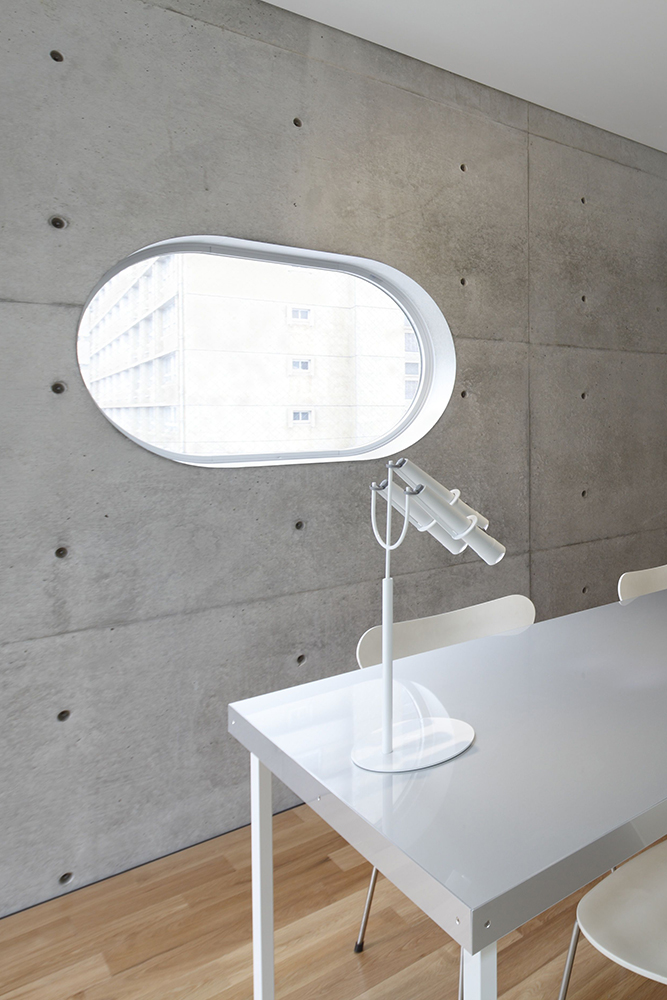
Tetote Note designed by Yoshihiro Kato Atelier is a minimal five-story concrete office block with oblong windows, located in Nagoya, Japan. The square and pure white building located on a 100-square-metre site is called Tetote Note. Tetote means handshake in Japanese, and it signifies the collaboration among the designers, the clients, and those involved in its creation.
CLT Park Harumi
Kengo Kuma & Associates
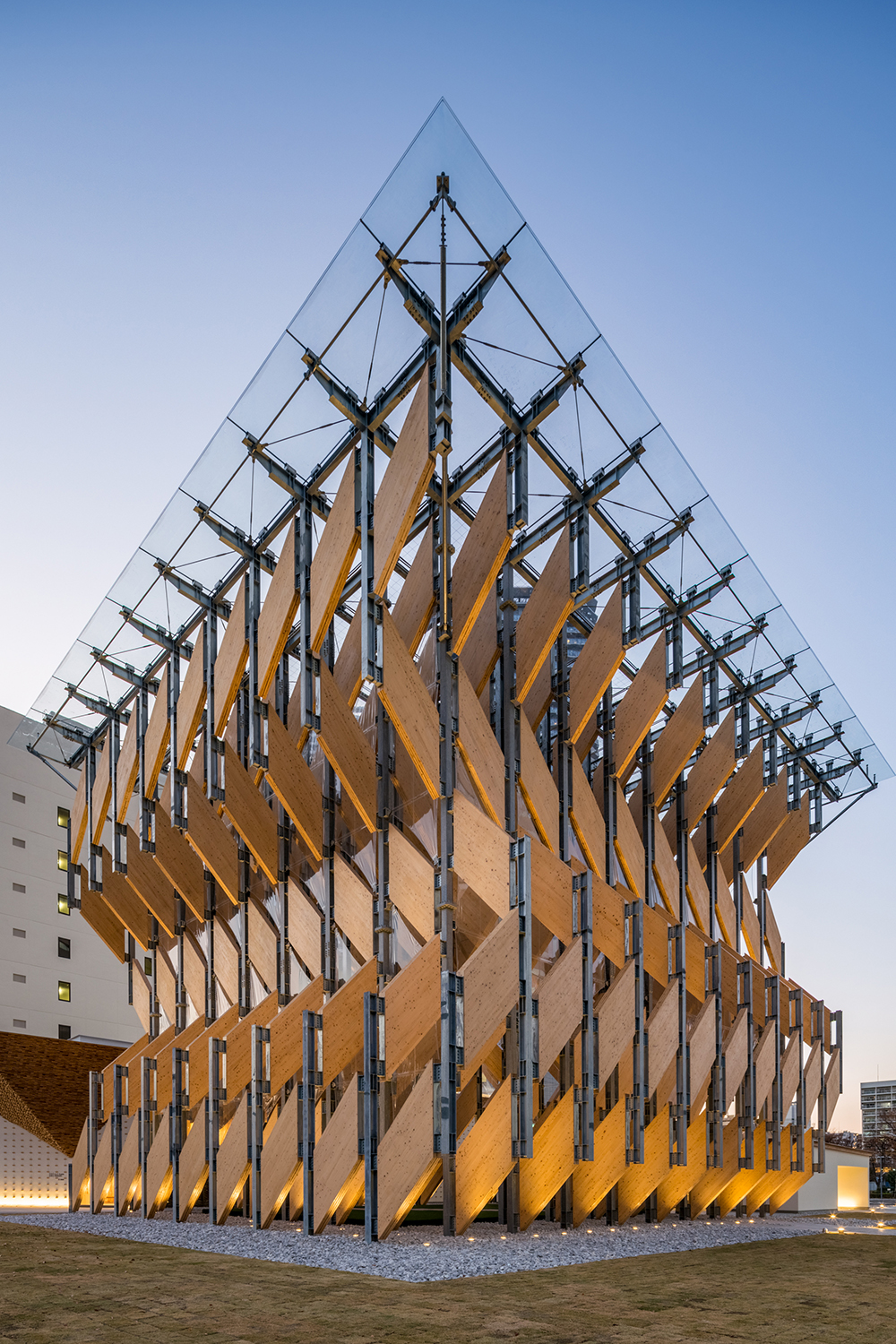
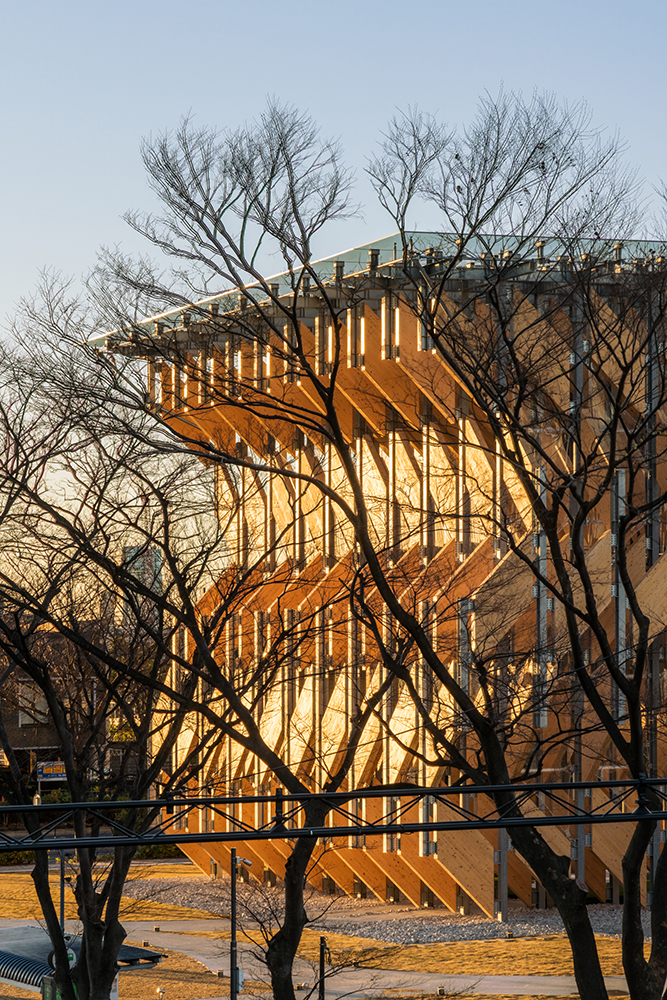
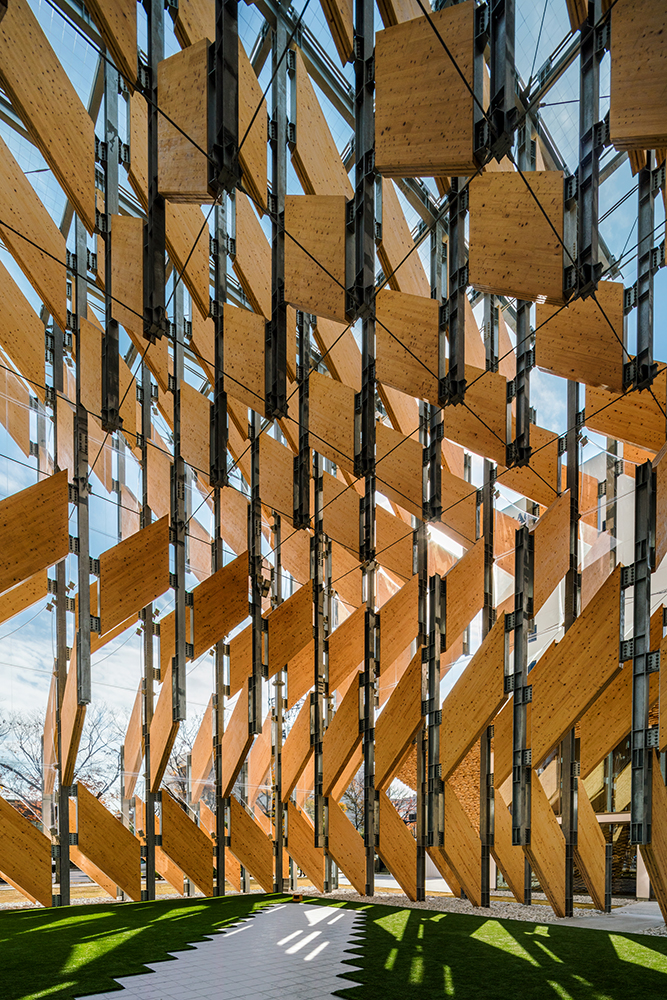
Japanese architect Kengo Kuma used cross-laminated timber to build a temporary pocket park pavilion and exhibition space in Tokyo. Called CLT Park Harumi, the complex was being used as a temporary facility in Harumi, Tokyo for a period of one year from its completion up until the fall of 2020, when it was to be relocated to the city of Maniwa in Okayama Prefecture as a permanent structure.
We Hotel Toya
Kengo Kuma & Associates
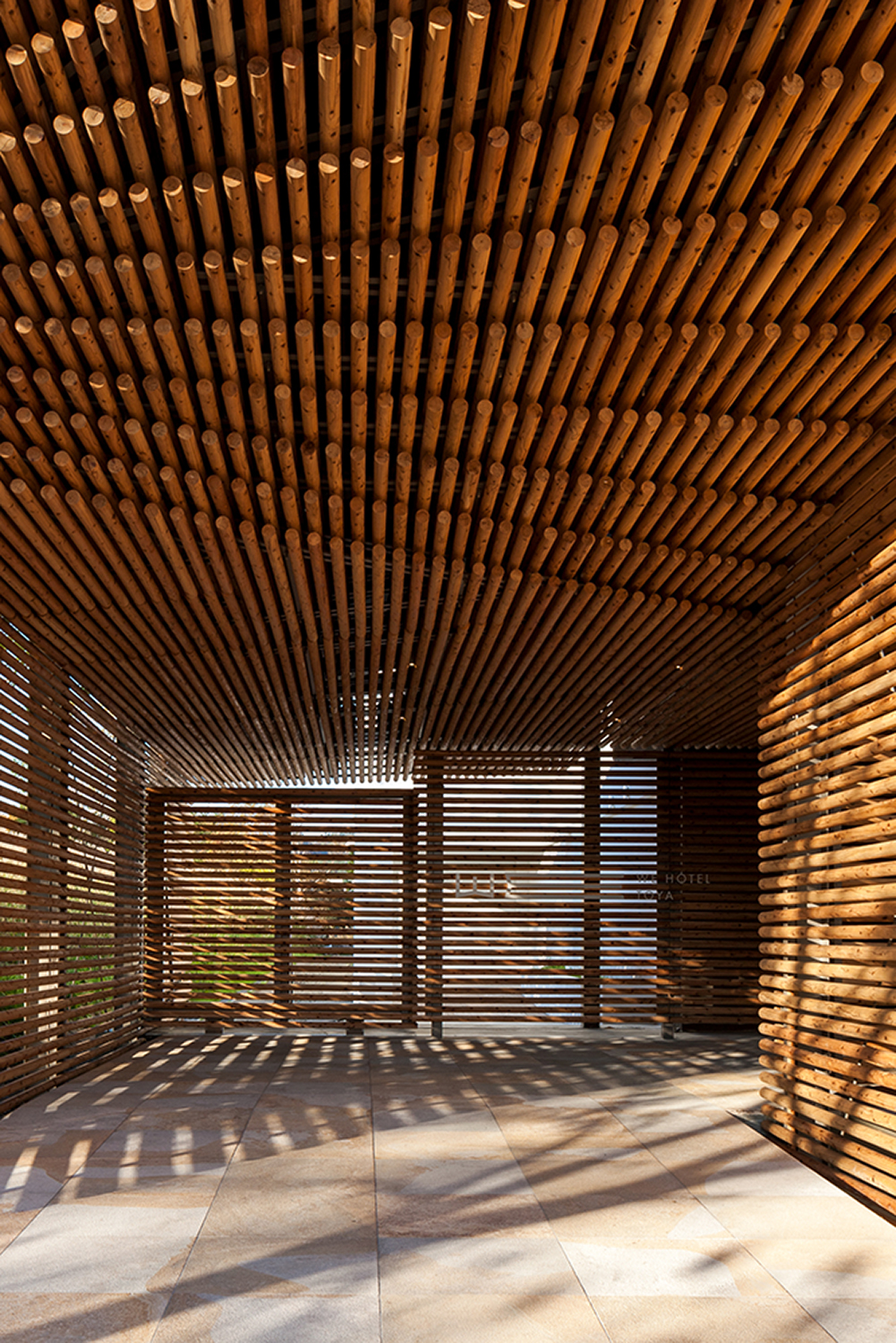
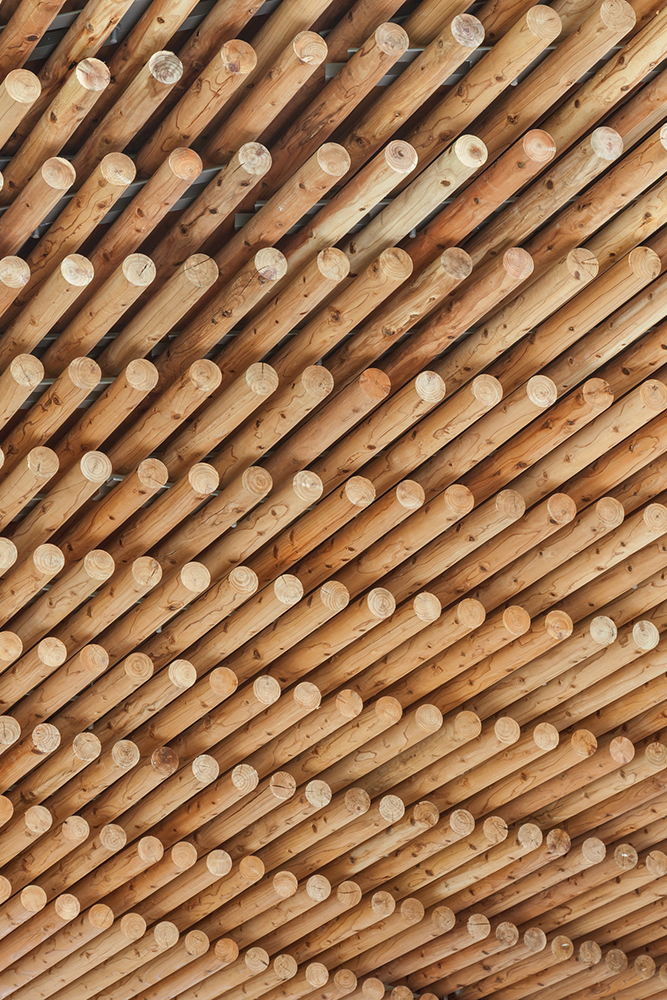
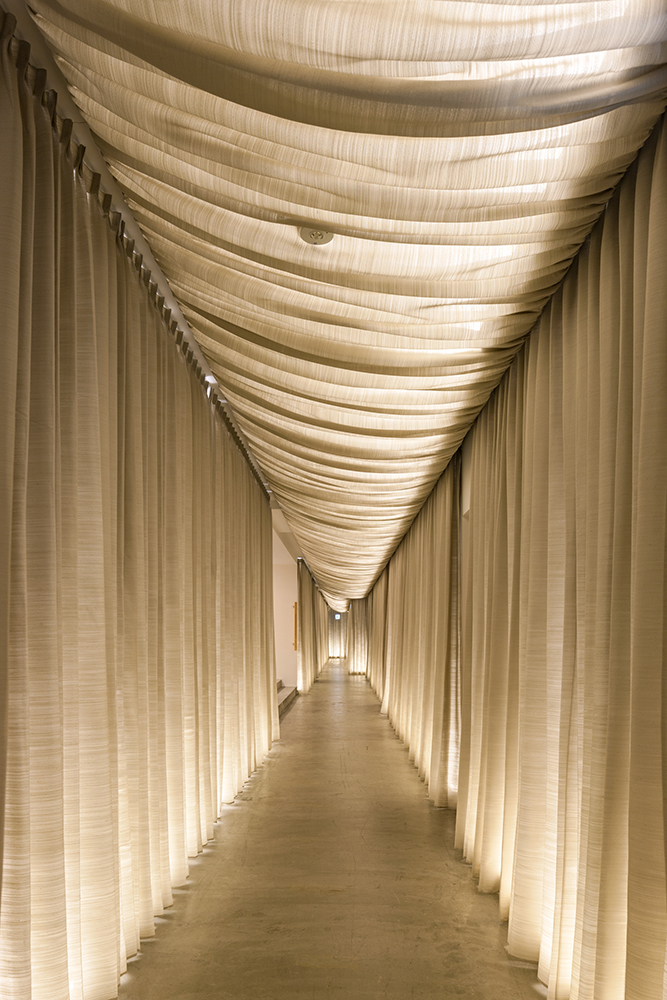
A nursing home located by Lake Toya in Hokkaido, Japan has been transformed into a boutique-type hotel of wood and fabric, with locally sourced cedar logs applied to both the interior and façade to create a space of comfort. A cave-formed space with pleated cloth interiors afford views across the lake, while guest balconies sport fragrant hinoki (cypress) bathtubs that may be enjoyed overlooking the spectacular landscape.
Shanghai Motor Show
Kengo Kuma & Associates
A new textile of triaxial weaving was used to create three-dimensional origami-like fabric for borders between booths at an art installation at the Shanghai Motor Show. Rather than the two traditional warp and weft textile components, triaxial weaving incorporates three yarn components to enable the fabric’s shape retention for a longer period of time. The geometry of Muira weaving was applied to make pleats to generate a three-dimensional collection of small rhomboids, with the fabric named ‘cloud’ in tribute to the shadows thrown out by the pleats. The cloud may be easily dissembled and reassembled to enable ease of transportation around the world.