
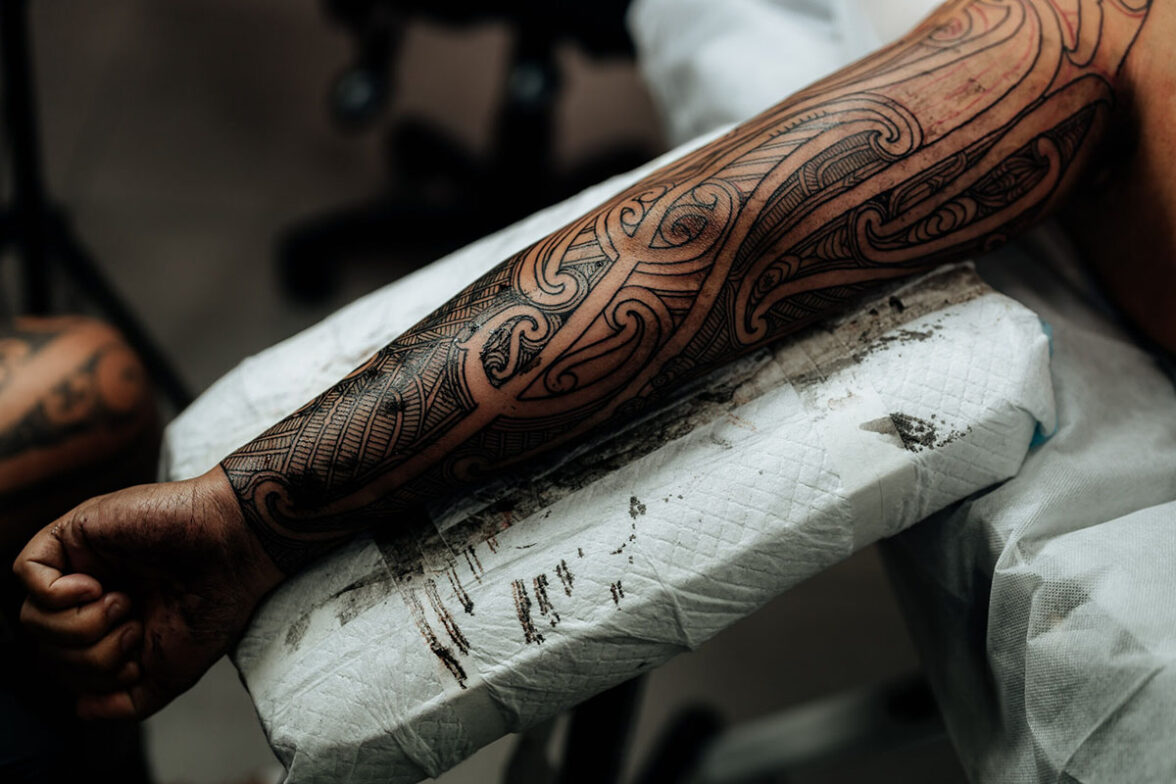
TA MOKO
Tā moko originated in Polynesia and evolved into a unique New Zealand form, with deep grooves carved into the skin using uhi (chisels) and mallets, then filled with pigment. Motifs such as spirals and rays carry meanings of identity, status, and genealogy. From the mid-19th century, Christian influence via missionaries, as well as colonisation, suppressed tā moko and by the 1920s only men continued the practice. The original bone chisels were eventually replaced by metal tools and later tattoo needles. A tā moko revival began in the 1970s, gaining momentum in the 1990s and 2000s, fuelled by Māori artists reclaiming cultural pride.
GREEKS AND ROMANS
The Ancient Greeks, and later Romans, referred to tattoos as stigmata, often used to signify ownership, punishment, or religious affiliation. Slaves, criminals, and prisoners of war were tattooed to mark their status. Herodotus writes that after the Battle of Thermopylae in 480 BC, surrendered Thebans were tattooed with King Xerxes’s marks, branding them as cowards. In contrast, Ancient Britons wore tattoos as marks of pride and status, with elaborate designs – often of beasts – adorning their bodies, leading the Romans to name one northern tribe Picti, meaning ‘painted people’.
ANCIENT JAPAN
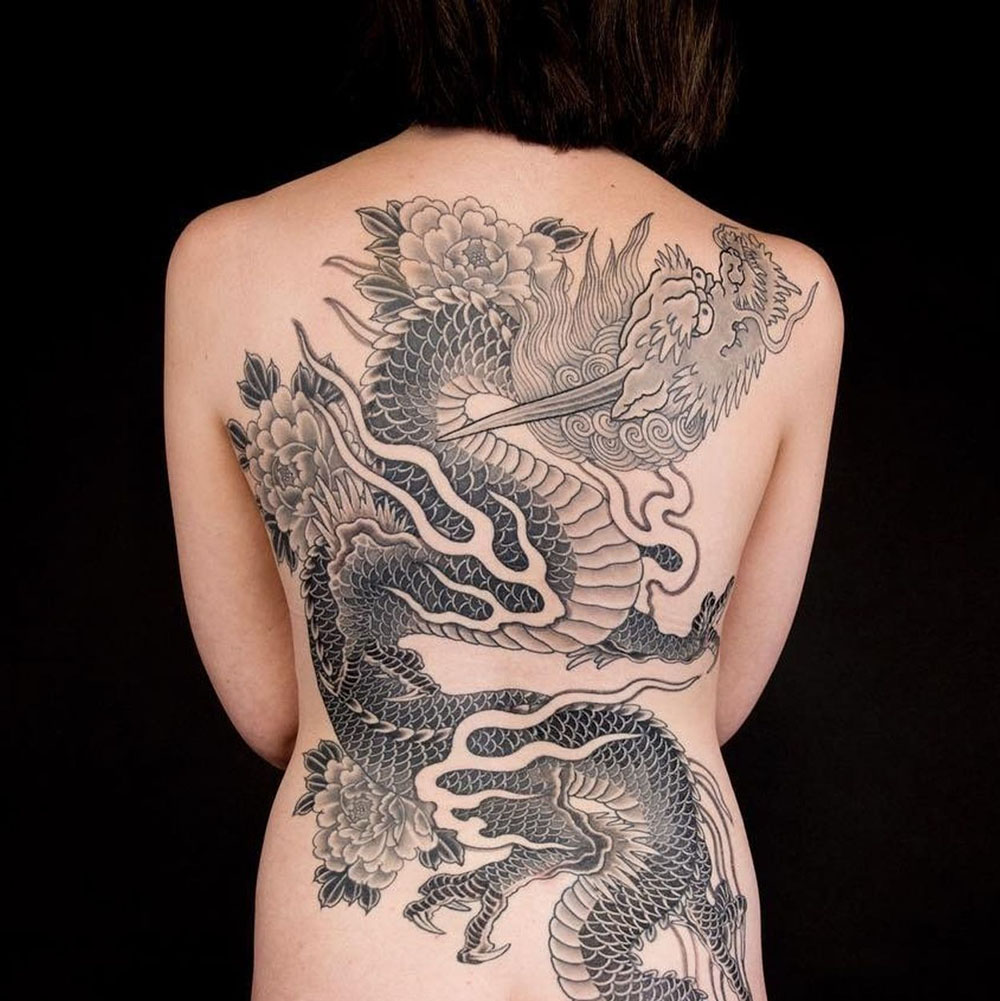
Japanese tattooing – or irezumi – dates back thousands of years. Early evidence appears on clay figurines from the Jōmon period (10,000 BCE) appearing to depict tattooed faces. In the Edo period (1603–1868), decorative full-body tattoos flourished among labourers and firemen, influenced by ukiyo-e woodblock prints. However, tattoos were also used to punish criminals – marking them as outcasts. In the Meiji era – which covered the late 19th and early 20th centuries – Japan outlawed tattooing to appear more ‘civilised’. Though the ban was lifted after the second world war, tattoos remain stigmatised, associated with the yakuza (organised crime groups). Today, traditional irezumi survives alongside modern styles, representing both cultural heritage and individual identity.

SAILOR INK
Western naval tattooing traces back to the late 1700s, when sailors on Captain Cook’s voyages encountered tattooed Polynesians and adopted the practice. By the early 19th century, British and American sailors were getting inked in ports around the world, with tattoos serving as mementos of foreign travel, spiritual protection, or rites of passage – a way for naval folk to display pride, identity, and experiences earned at sea. Common motifs included anchors, swallows, ships, and religious symbols.
ANCIENT EGYPTIANS
The world’s oldest known tattoos were found on Ötzi the Iceman, a 5,300-year-old European mummy – but the Ancient Egyptians weren’t far behind when it comes to inking their skin. Infrared scans have revealed tattoos on mummies from as early as 3350 BCE, including Gebelein Man, whose arm bears images of animals. A woman buried nearby had “S”-shaped marks and possible ritual symbols. Later mummies from the village of Deir el-Medina featured tattoos including animals, lotus flowers, and Wadjet eyes, implying religious connotations.
NATIVE AMERICAN
For millennia, indigenous peoples across the Americas have used tattooing as sacred cultural expression, the practice often signifying family, tribal identity, social status, life milestones, or spiritual visions. Tattoos have been used to mark achievements in hunting or war, offer protection, or connect wearers to ancestors and spirit guides. Some even believed tattoos could heal ailments and ensure safe passage to the afterlife.