
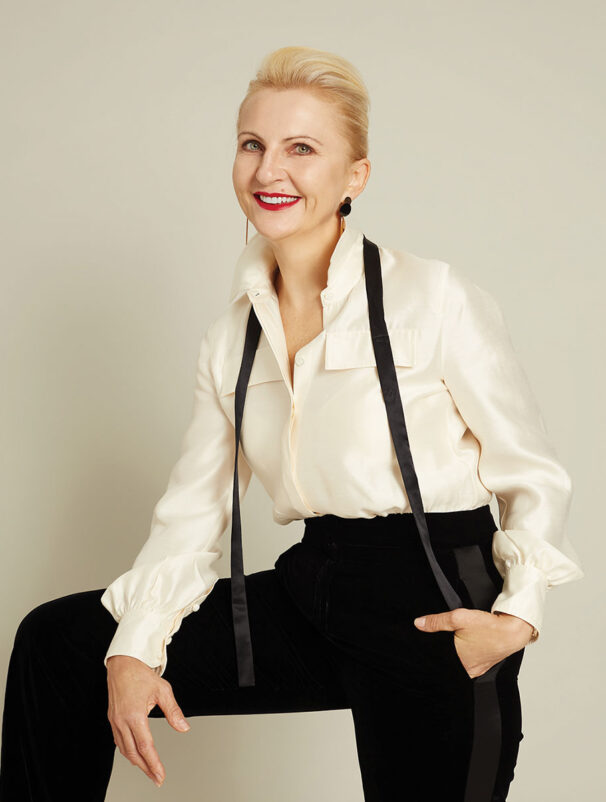
Dr Katarzyna Mackenzie was drawn to plastic surgery for its rare fusion of precision, problem-solving and artistry.
“From a technical standpoint, plastic surgery never stops challenging me,” she tells Verve. “Every case is different; you’re always tailoring the plan to the person in front of you and I find it fascinating.”
Many people associate plastic surgery purely with aesthetics, but your work spans reconstruction as well?
They’re much more connected than people assume. Many reconstructive cases have aesthetic goals built in: creating a natural shape, matching the other side, choosing incisions that hide well, and refining contour. When you bring both together, you can deliver results that are not only technically sound, but also truly restorative for the person living in that body.
How would you describe your personal philosophy when it comes to patient care?
My philosophy is that great results start with great listening. I don’t offer false promises, but I will be able to give you a realistic idea of what’s possible. I strongly believe, the idea is not to have surgery, but to have the right surgery with the right surgeon.
You’ve trained and worked internationally – are there any lessons or influences from overseas that have particularly shaped how you practise?
I’ve worked with pioneering minds in aesthetic surgery in London who taught me about the emphasis on meticulous technique and efficiency. Seeing a wide range of approaches overseas reinforced something simple: there’s rarely one ‘right’ operation. The best plan is the one that fits the patient’s anatomy, treatment, lifestyle, and priorities.
How has the conversation around cosmetic surgery changed over the years?
For a long time cosmetic surgery was either stigmatised or spoken about quietly, almost as a guilty secret. Now it’s much more mainstream and openly discussed.
Social media has really reshaped expectations. If you’re considering plastic surgery and have been influenced by social media, it’s important to take a step back and make sure you’re making an informed decision. Do your research and see a reputable specialist plastic surgeon.
Another major change is the growth of non-surgical treatments and the idea of cosmetic work as a spectrum rather than a single dramatic step. Alongside that, there’s been a shift toward more natural-looking outcomes and preserving individuality, rather than chasing one ideal.
Is there a moment in your career that stands out as especially meaningful or affirming?
For me the most meaningful moments still tend to happen outside the operating theatre, usually during the follow-up with my patients. When someone’s comfort and confidence comes back in an everyday, practical way, that’s incredibly affirming.
I also find it meaningful when a patient who was understandably nervous beforehand comes back surprised by how smooth the recovery was. Those moments reinforce that the details matter: careful planning, honest expectation-setting, and doing the right operation for that person, not a one-size-fits-all approach.
Outside of surgery, what helps you switch off and recharge?
Outside of work, I’m pretty intentional about doing things that pull me out of ‘private practice mode’. Time with family is the biggest one – simple things like dinner, and Zoom calls with my family back in Europe, being present, and catching up properly. Exercise and being outdoors helps reset my head. A walk can make a big difference after a long day, and I love gardening.
And of course my frequent travels back home to Europe. They give me perspective, feel familiar and energising. Europe is a proper reset for me.
Learn more at visageplasticsurgery.co.nz