
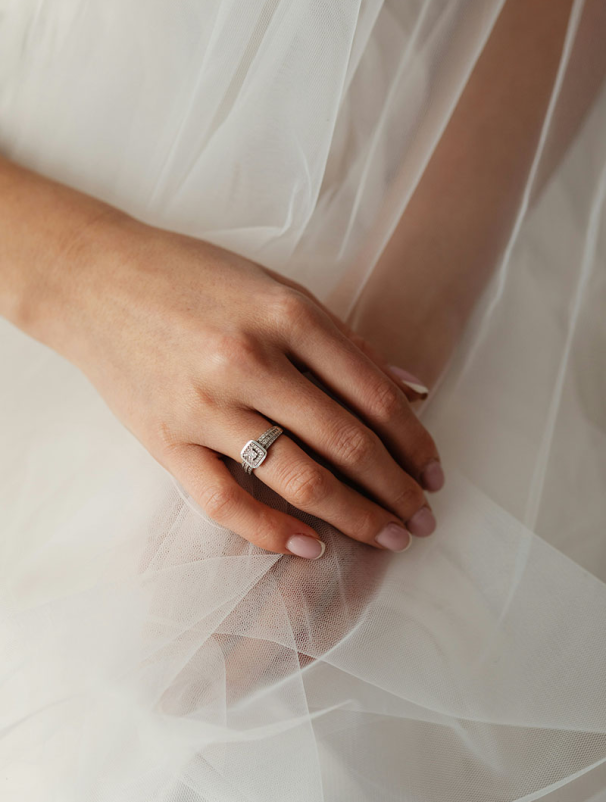
You only have to glance at the latest red-carpet photos or scroll through a few jewellers’ feeds to see how quickly tastes shift.
In 2026, couples no longer settle for one way to mark a proposal. You want a ring that reflects your story, your values and the way you actually live day to day. Designers respond by blending tradition with new materials, ethical thinking and clever craftsmanship. The result feels less about ticking a box and more about choosing a piece you’ll feel proud to wear every morning.
The rise of alternative gemstones
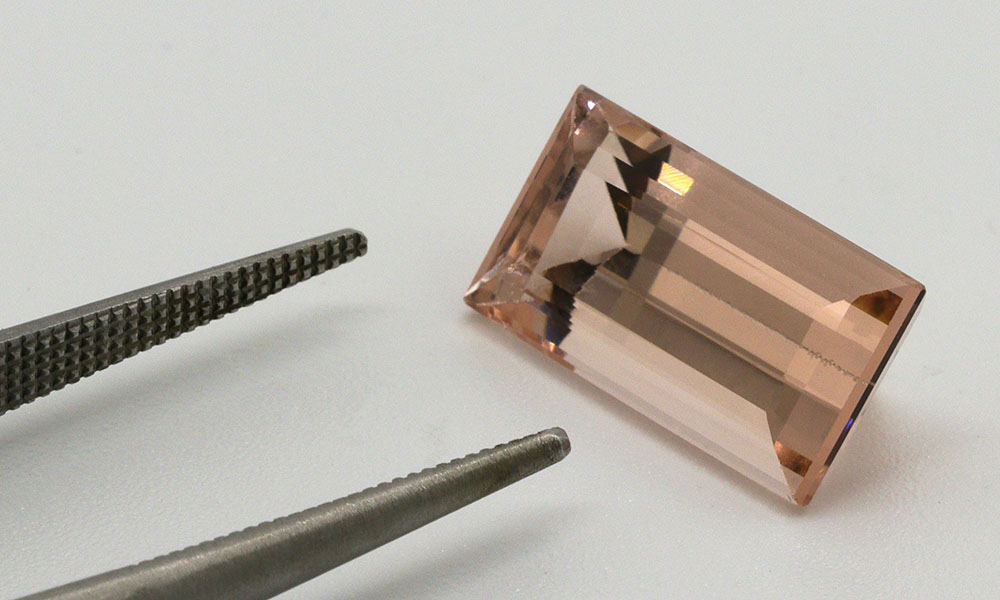
Diamonds still hold their place, but many couples now look beyond them. You might find yourself drawn to a deep green sapphire or even a peach-toned morganite. When you choose an alternative gemstone, you often gain flexibility in your budget. A high-quality sapphire can cost less per carat than a diamond of similar size, which lets you invest in a more intricate setting or a sturdier band. That practical shift matters if you work with your hands or lead an active lifestyle. Jewellers now cut coloured stones in modern shapes, so you don’t sacrifice a clean, contemporary look.
Sustainable and ethical sourcing
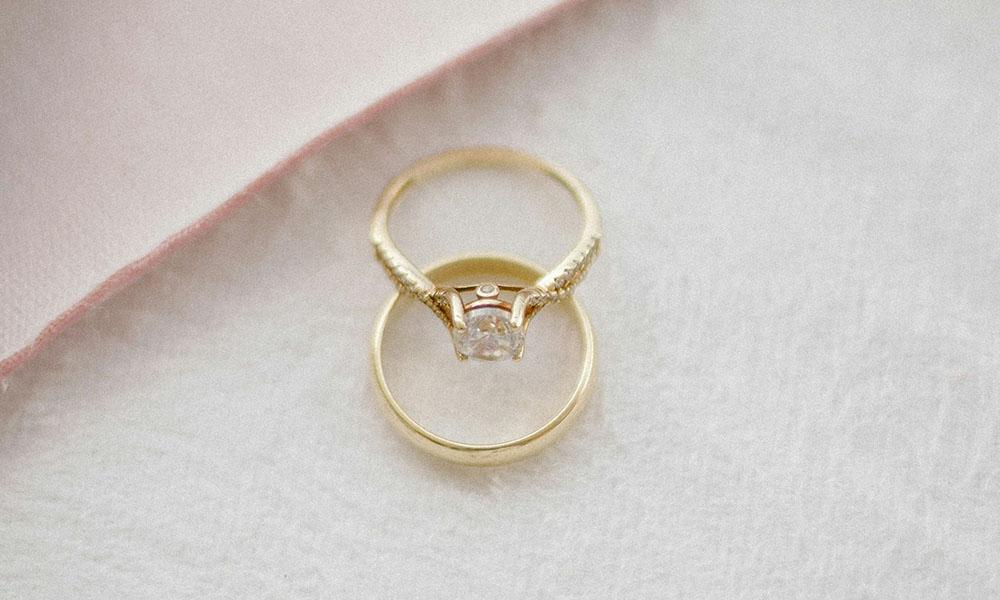
You probably think more carefully about where your food and clothes come from, and the same mindset now shapes jewellery choices. Many buyers ask jewellers to trace the origin of their stones and metals. In response, designers work with recycled gold, lab-grown diamonds and suppliers who follow strict labour standards.
When you choose recycled gold, you reduce the demand for newly mined material while keeping the same durability and finish. Lab-grown diamonds offer another route; they display the same physical properties as mined stones but often come with a smaller environmental footprint and a clearer paper trail. That transparency can ease any doubts you might feel about the ring’s backstory, which makes it easier to wear with confidence.
Vintage-inspired and heirloom design
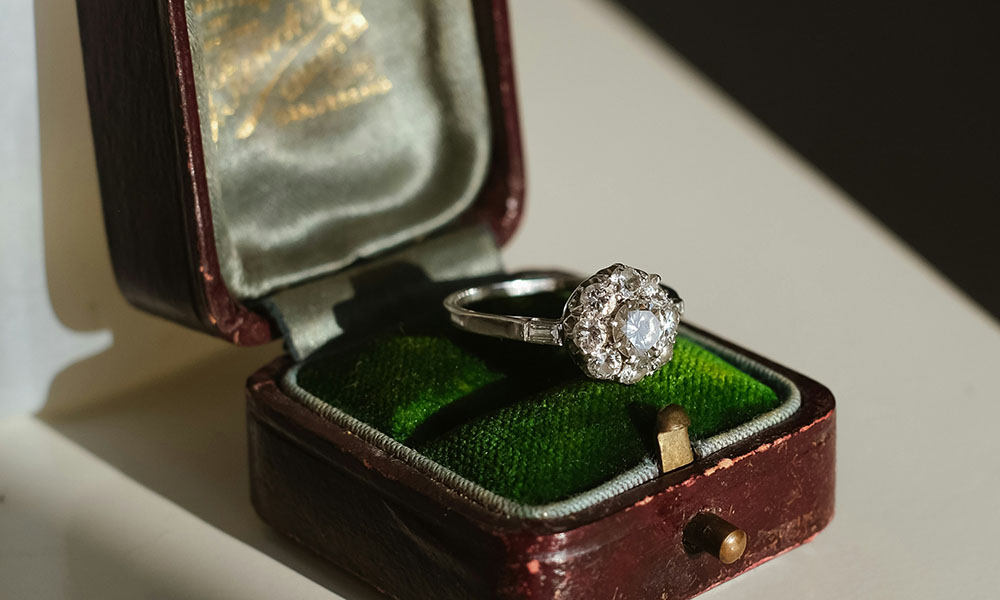
Designers in 2026 often look backwards before they move forward. You’ll see milgrain edges, intricate filigree and chunky signet-style settings that nod to Edwardian and Art Deco periods. These details bring texture and depth to a ring without making it feel dated.
If you inherit a family stone, jewellers can reset it in a modern band that suits your taste. That approach lets you honour family history while ensuring the ring fits your style and daily routine.
Custom and bespoke craftsmanship
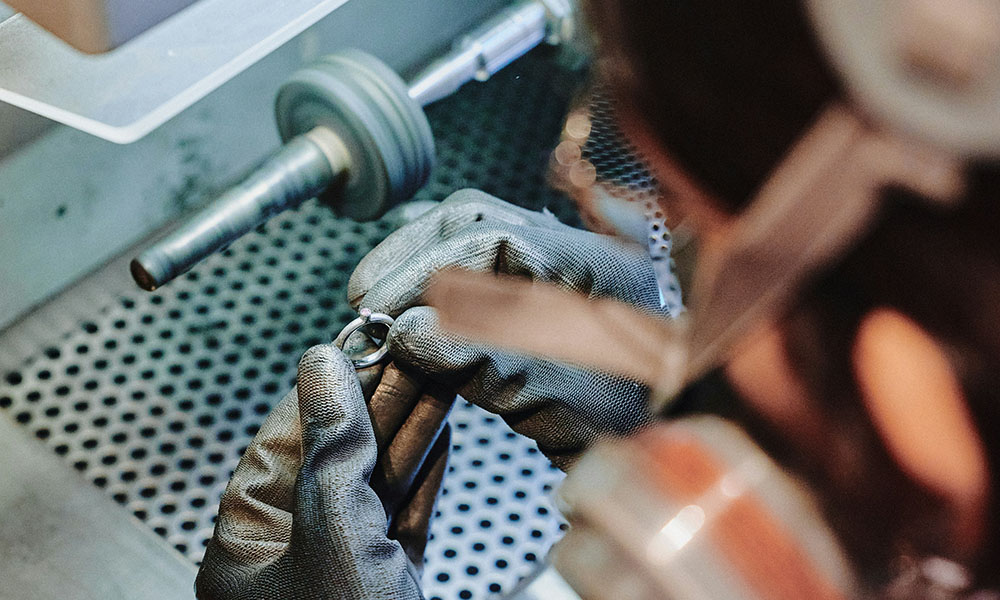
Mass-produced designs still dominate shop windows, yet more couples now sit down with a designer to shape something personal. You might sketch ideas, discuss metal choices and adjust proportions until the ring feels right on your hand. Through this process, engagement rings become collaborative projects rather than off-the-shelf purchases. Working directly with a craftsperson means that you control small but meaningful details, such as the height of the setting or the finish on the band. By sharing reference images and explaining how you plan to wear the ring each day, the jeweller can tailor the design to your real life.
In 2026, modern engagement ring design doesn’t follow a single path. You shape it around your values, your habits and the story you want the ring to tell.