
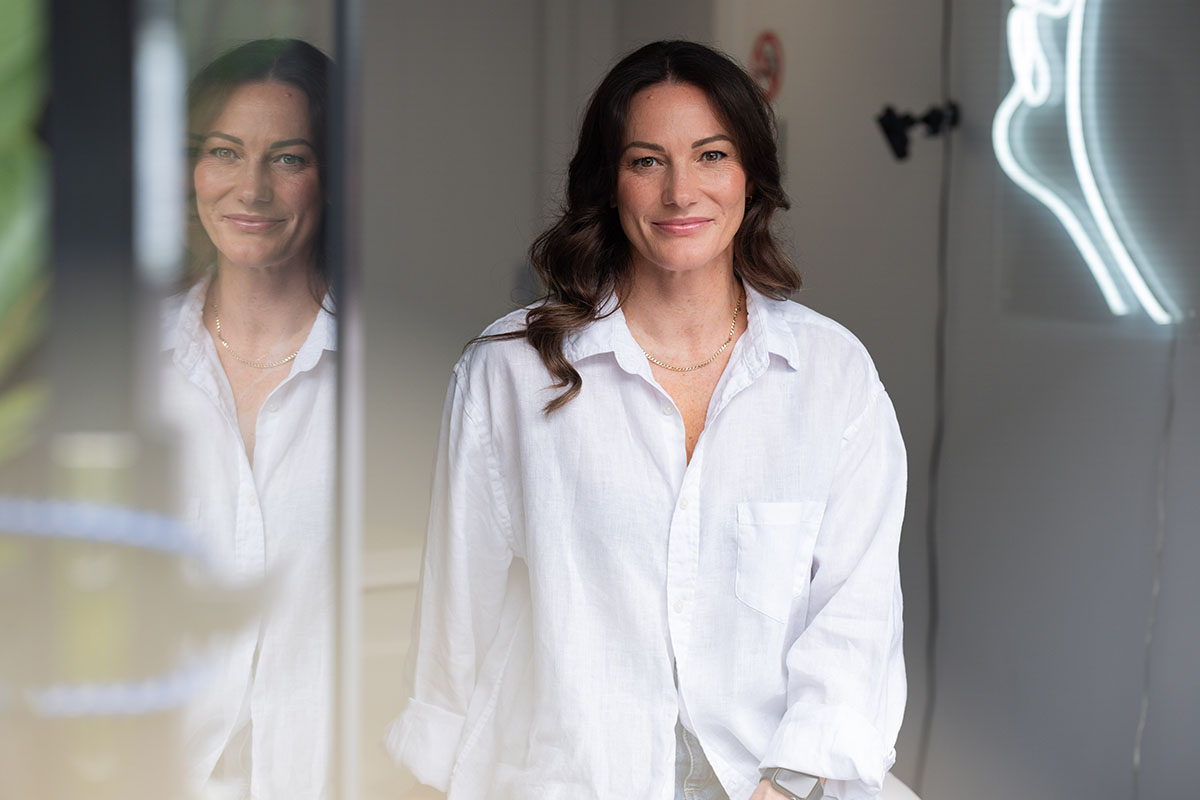
For Amy Saunders, founder of Inkworks Studio, the path into paramedical tattooing was unexpected.
“My journey began almost by accident,” she says. Watching people close to her struggle with hair loss planted a seed she couldn’t ignore. Research led her to scalp micropigmentation, and from there, a whole world opened up: “It ticked all my creative boxes – a natural fit for who I am.”
That curiosity expanded into scar camouflage, skin revision, and everything in between, and Inkworks Studio was the natural result. “I wanted to create a space where this work could be done to the highest standard, in an environment where clients felt genuinely cared for.”
You describe your work as restoring confidence rather than just appearance?
Appearance is just the surface – confidence is how someone shows up in their life; how they wear their hair, what they choose to wear, how they interact with others. What I do is fundamentally different from cosmetic tattooing. It’s not about enhancement or aesthetics for aesthetics’ sake – paramedical tattooing works on a deeper level, healing emotionally just as much as physically. A scar, hair loss, or skin concern might seem small from the outside, but for the person living with it, it can affect them every single day. My work isn’t about dramatically changing how someone looks — it’s about removing that constant reminder so they can feel like themselves again.
How does your background in art school and beauty R&D influence the results you achieve today?
Art school trained my eye – tone, depth, balance, and how subtle variations can completely change a result. That’s critical in paramedical tattooing, where the margin for error is very small. It also gave me the confidence to blend and mix pigments myself, understanding how colour behaves beneath the skin’s surface and how undertones can shift the final visible result entirely.
My time in skincare R&D gave me something equally valuable – a genuinely inquisitive approach to formulation and ingredients. Good formulation enhances a paramedical procedure, supporting better repair and pigment stability. But this industry is still unregulated, and many artists aren’t taught to question what’s actually in the products they use.
Because of my R&D background, I spend considerable time checking ingredients, testing products, and analysing results. I’ve deliberately chosen not to align with any single brand – we’re at the rise of a development curve, and the best approach is to work with the best of what’s available.
Scalp micropigmentation (SMP) is still relatively misunderstood – what would most people be surprised to learn about it?
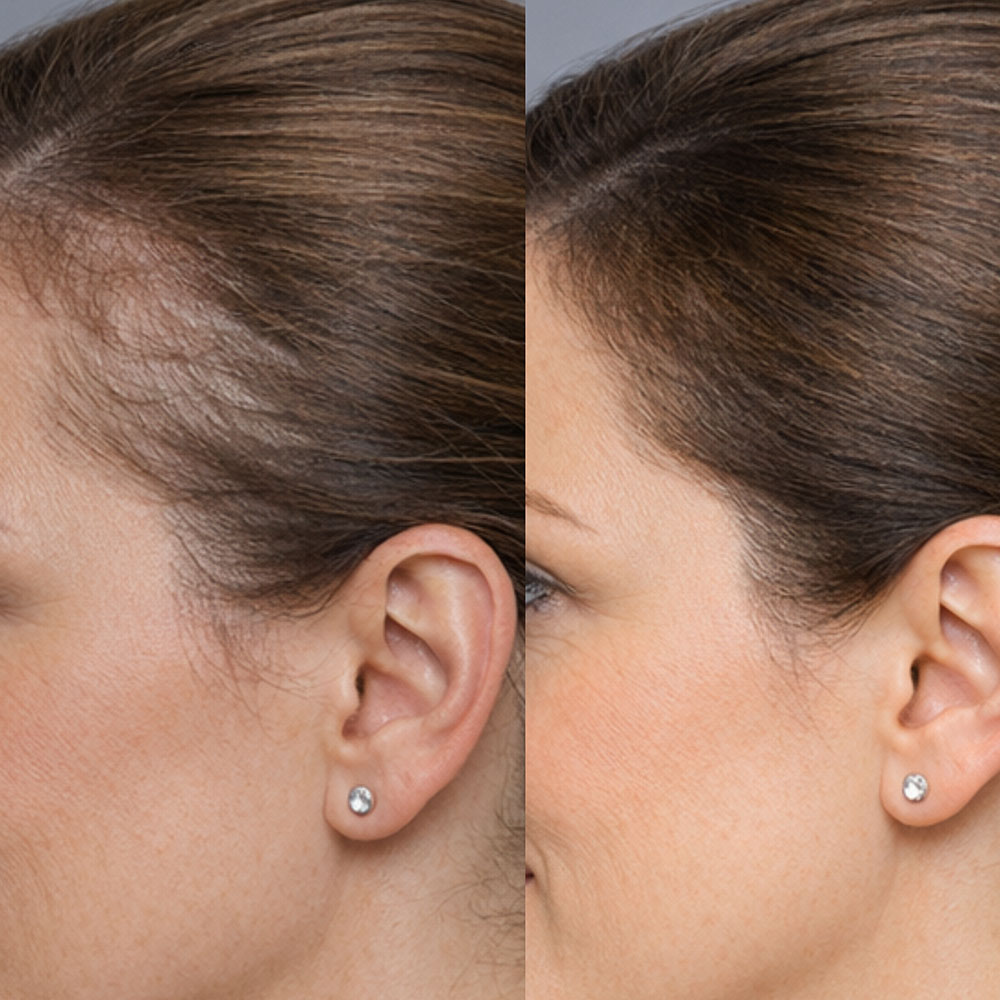
Most people think it’s a series of line tattoos to copy hair – done properly, it’s actually an optical illusion. It’s about replicating follicle density with micro dots that blend seamlessly with existing hair. The result should be soft and natural, virtually undetectable even up close – never blocky or obvious.
People are also often surprised by the range of suitable clients. SMP isn’t just for men with shaved heads – it’s a versatile treatment for thinning hair, alopecia, balding, patchy beards, and scalp scars.
The most common fear is braving the shave for the first time. It can feel like a big step – but once people see how natural and low-maintenance the results are, those worries tend to dissolve. The treatment speaks for itself.
Many clients come to you after trying multiple treatments – what makes SMP or scar camouflage a turning point for them?
By the time clients come to me, they’re often tired, frustrated, and a little sceptical. For hair loss, many have already cycled through minoxidil, supplements, and dietary changes – and while those approaches have their place, they don’t always deliver.
For scar and stretch mark camouflage, the situation is often more disheartening. Clients have been told there’s simply nothing that can be done, aside from maybe laser. That’s an increasingly outdated view. Paramedical tattooing offers a faster, more targeted alternative without the risks or recovery time laser can involve.
What makes this work a turning point is that it’s immediate and tailored. We’re not waiting months hoping something might improve – we’re creating a visible, realistic outcome that works with their skin exactly as it is today.
Your work often involves deeply personal stories, particularly with scars – how do you approach those conversations with clients?
Every scar has a story, but not everyone wants to share it – and that’s completely respected. The focus is always on what clients want moving forward. It’s about empowerment, not revisiting trauma.
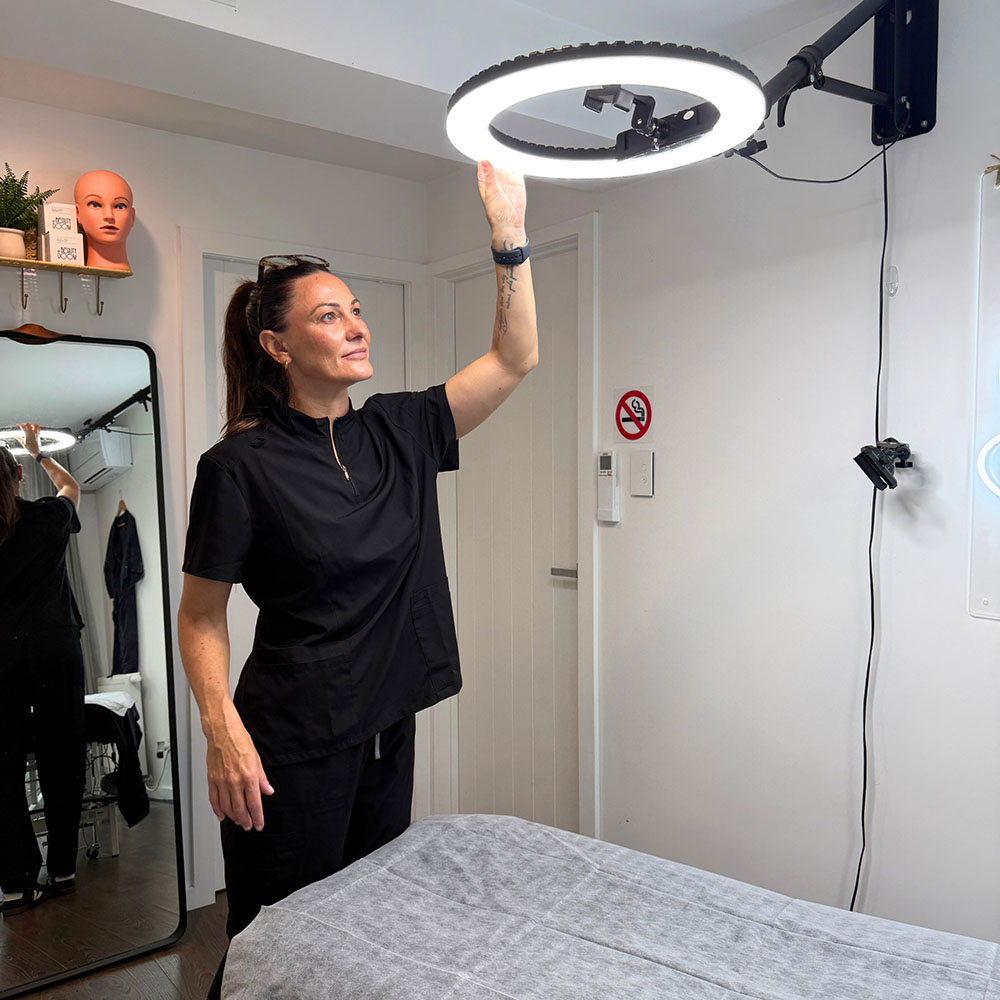
Connection happens naturally when you create the right environment. A session is often two to three hours. I make a point of being open myself, sharing my own motivations and why I do this work. When clients see that genuineness, they tend to relax, and conversation unfolds organically. It becomes less like a clinical appointment and more like a shared experience. That real one-on-one connection is something I genuinely cherish.
You work one-on-one with every client – how important is that personalised approach in this kind of treatment?
No two skins, scars, or hair patterns are the same. Beyond the technical side, every person’s expectations are different. Working one-on-one means I can listen carefully, ask the right questions, and make sure the goal we’re working towards is genuinely theirs.
From there, every detail – colour matching, placement, layering – is customised accordingly. Clients need to feel comfortable and understood, and that only happens when they know the person treating them is fully focused on them. That’s something I’ll never compromise on.
What are the biggest misconceptions people have about treatments like scar camouflage or stretch mark revision?
One of the biggest misconceptions is that people will be able to tell something has been done – but visible camouflage is bad camouflage. Equally, some clients expect complete erasure, and it’s important to be honest that that’s not what this is. It’s about softening what’s there so it no longer draws the eye.
Another common misconception is that one session is all it takes. We can achieve great results in a single round, but three to four sessions is where truly superior results happen. Skin is complex, and the way it responds and heals unfolds over time. The process deserves respect – and so does the skin.
People also assume these treatments are only for dramatic concerns or certain skin types – not the case. They’re for anyone who wants the freedom that comes with permanent, positive change.
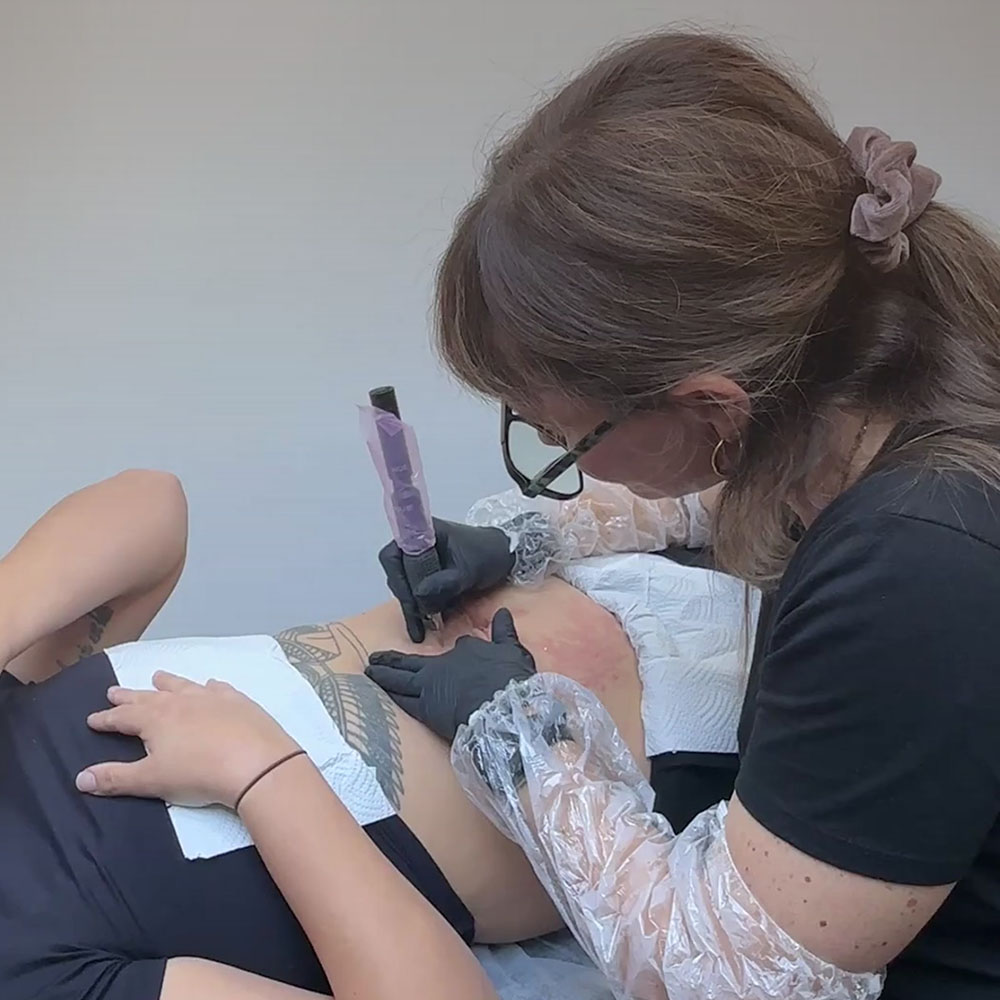
And then there’s the fear of pain – one I love dispelling. With SMP, most clients actually fall asleep during treatment. With scar and stretch mark camouflage, clients are almost always surprised by how little discomfort there is.
Looking ahead, how do you see paramedical tattooing evolving?
Paramedical tattooing is still emerging in New Zealand, but awareness is growing quickly. I think we’ll see more specialised practitioners, a stronger focus on natural results, and closer collaboration between paramedical tattooists and the wider medical community – dermatologists, plastic surgeons, hair transplant surgeons. When these worlds work together, client outcomes are genuinely transformed.
I’ve been proactive in building those bridges myself, working collaboratively with The Auckland Clinic, one of New Zealand’s newest purpose-built hair transplant surgeries. When SMP and hair transplantation work in conversation, the results are so much richer.
For Inkworks, the goal is to be at the heart of that evolution – raising the standard through the work itself, through education, and through those medical relationships.
And my bigger dream? A collaborative studio where paramedical specialists work together under one roof, united by the same commitment to quality and care. That’s the vision I’m working towards.