
In January 1926 John Logie Baird gave the first public demonstration of television, repeating the transmission for members of the Royal Institution and a reporter from The Times at his laboratory on Frith Street in London’s Soho.
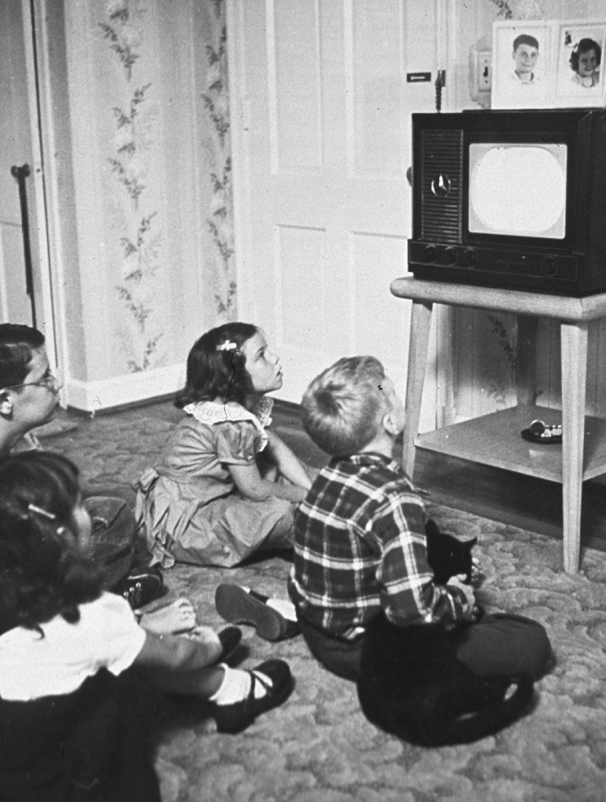
Perhaps more than any invention to date, TV has influenced culture, conversation and identity around the globe, broadening perspectives and bringing distant events into our living rooms. Overseas, its true turning point came in the 1950s, when sets became a household fixture, especially in the US, and the medium shifted from curiosity to shared experience. Families gathered around a single screen, and television began to shape national mood and memory.
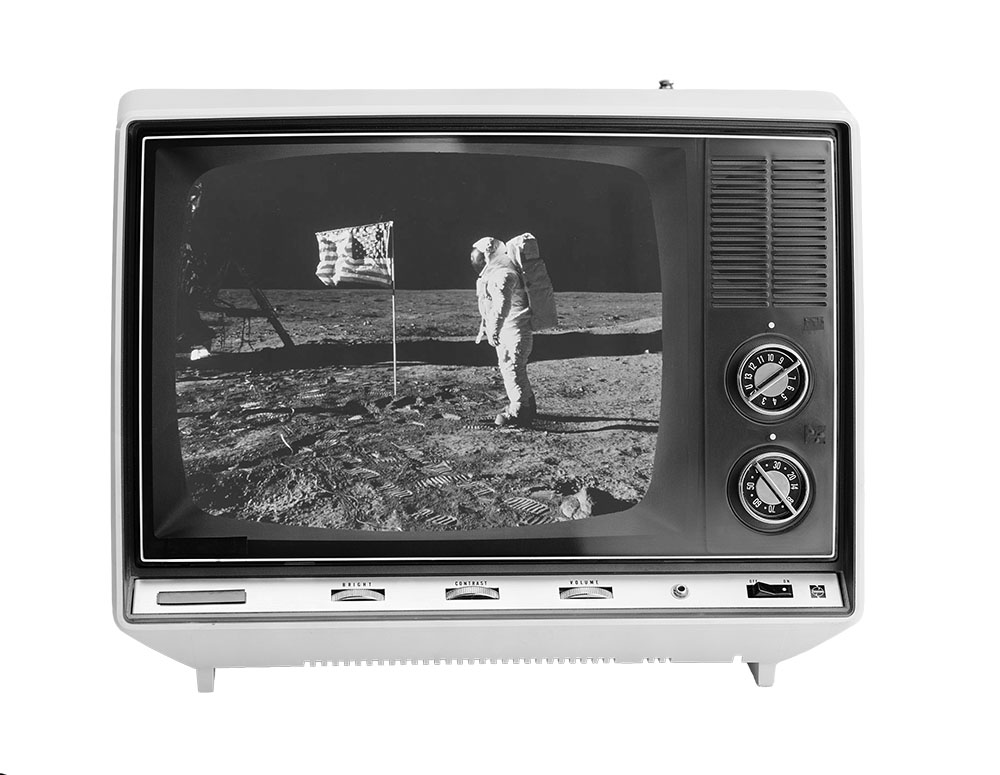
New Zealand joined the story a little later, in 1960 – with geography and cost slowing the rollout. The first broadcasting relied on four regional stations sharing programmes before forming a national network in 1969. That same year, around 1.5 million New Zealanders watched Neil Armstrong step onto the moon in a delayed broadcast — one of the country’s first defining television moments.
New Zealand joined the story a little later, in 1960 – with geography and cost slowing the rollout.
Colour arrived for the 1974 Commonwealth Games, followed by the launch of a second channel, TV2. Over the decades, control of broadcasting shifted through multiple public bodies before TVNZ emerged, reflecting an ongoing national debate: should television primarily inform and educate, or operate as a commercial force? Early broadcasting followed the BBC-style public service model, funded by licence fees, before advertising became central and the fee was eventually scrapped in 1999. British and USA shows dominated early schedules, later joined by Australian dramas, while New Zealand productions — from news and current affairs to the likes of Country Calendar and Shortland Street — built a strong sense of national identity. Public funding through NZ On Air, established in 1989, helped sustain that ecosystem.
The arrival of privately owned channels like TV3 in 1989, followed by Sky’s pay-TV service and later Māori Television further expanded choice. Broadcasting steadily gave way to narrowcasting, with specialised channels and platforms catering to specific interests.
Technological change accelerated everything. Videotape replaced film, satellites enabled instant global news, and digital cameras transformed production. New Zealand completed its shift to digital transmission in 2013, ushering in high-definition viewing and wider screens. Streaming has since reshaped the landscape again. On-demand services first appeared locally through TVNZ in 2007 and now sit alongside global platforms, challenging traditional schedules and redefining how audiences engage with content.
Through every shift – from a single shared screen to a world of personalised viewing – television has remained one of New Zealand’s most powerful cultural touchstones, reflecting who we are, what we value, and how we see the world. But, as TV celebrates its centenary within this digital age it’s hard not to wonder what, if any, shape it will take over the next 100 years…