
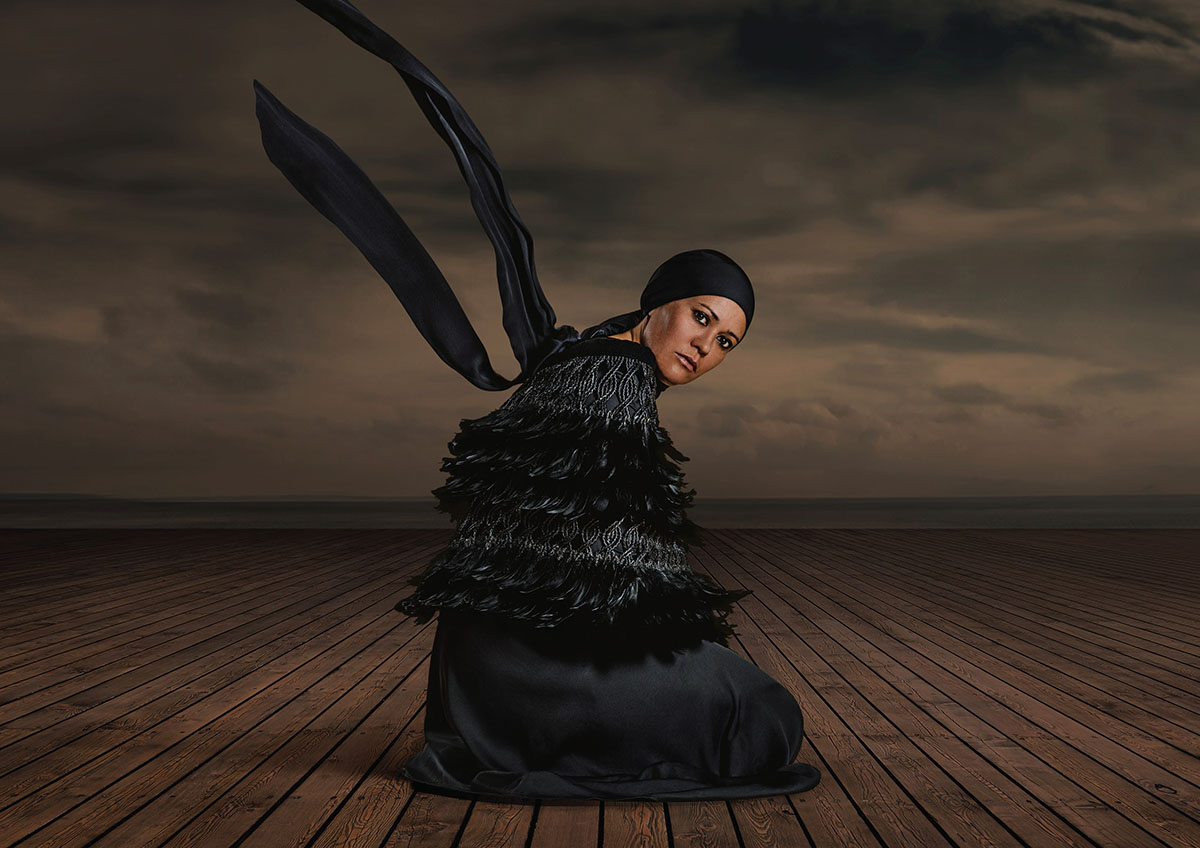
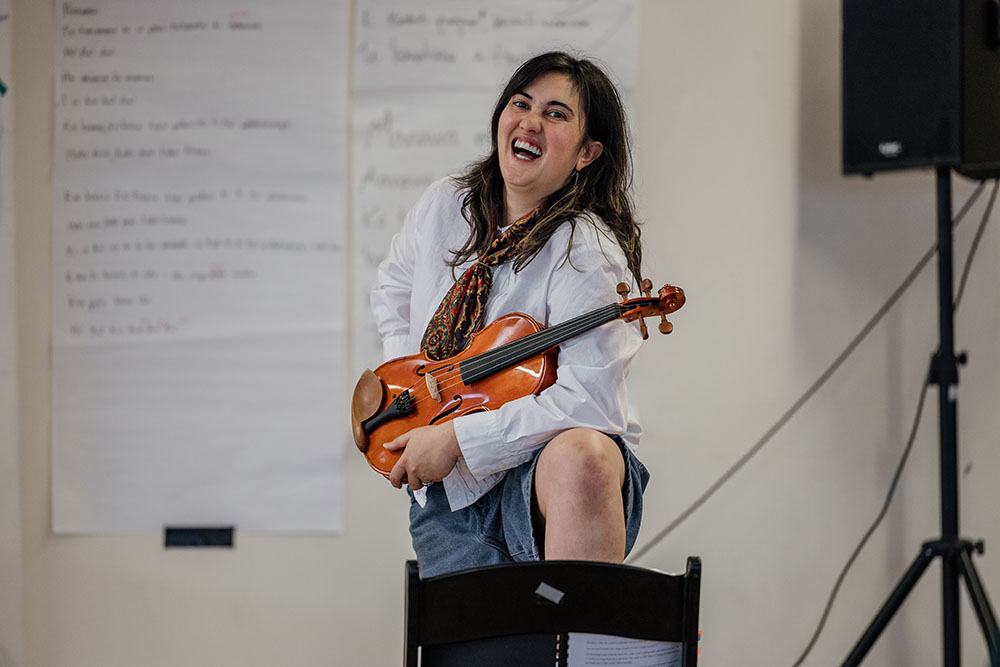
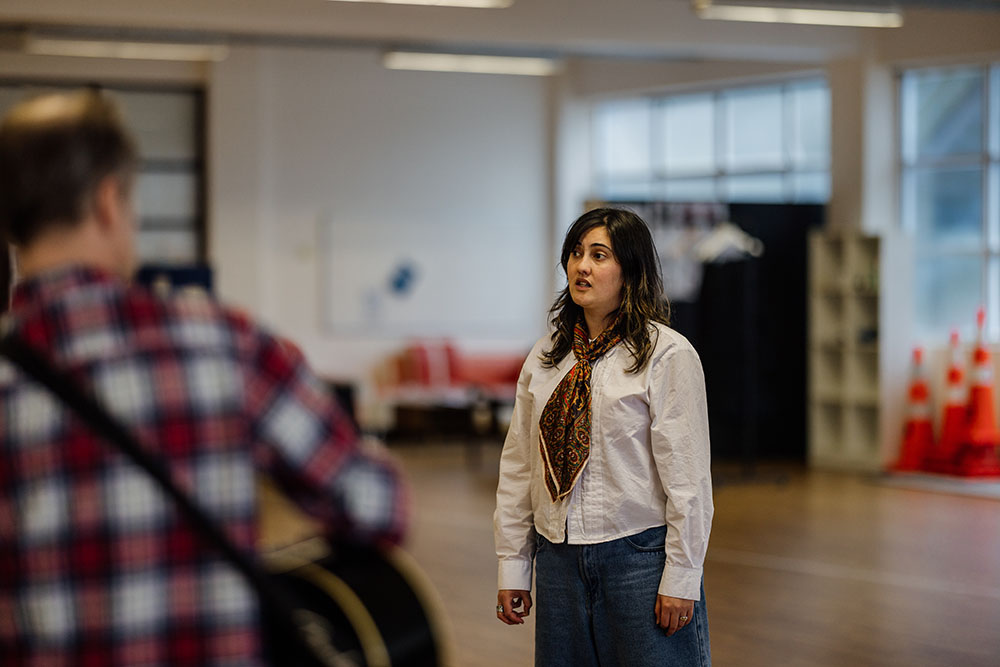
This November, a bold new staging of Witi Ihimaera’s (Te Whānau a Kai, Ngāti Porou) play Tiri: Te Araroa Woman Far Walking comes to the ASB Waterfront Theatre, led by the creator of The Haka Party Incident, Katie Wolfe (Ngāti Mutunga, Ngāti Tama). We chat with Nī Dekkers-Reihana (Ngāpuhi, Te Rarawa, Ngāti Porou), who represents an inner voice that challenges Tiri whilst weaving together humour, sorrow, defiance, and magic.
What resonated with you about playing this role, and what have you found the most challenging and satisfying?
I’ve long been a fan of Witi Ihimaera’s work. Pounamu Pounamu and The Matriarch are favourites of mine – they sit proudly on my bookshelf at home – and Whale Rider of course. I’ve always appreciated the way Witi explores the relationship between Māori and Pākehā. And the way he speaks of the elders, wise and naughty all at once. Which reminds me of my own elders, on both my Māori and Pākehā sides. Woman Far Walking is a beautiful example of these themes again. The long life of our elders, who have seen so much, lost so much, loved so much. And the arrival of Pākehā in Aotearoa, in all its complexities.
What do you hope audience members take away from your performance?
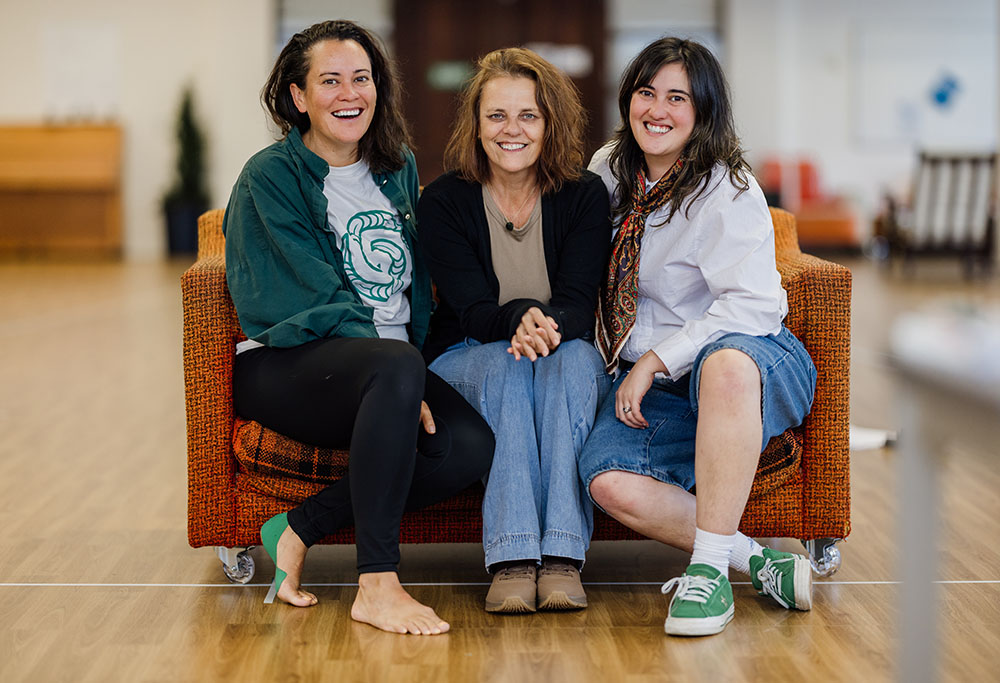
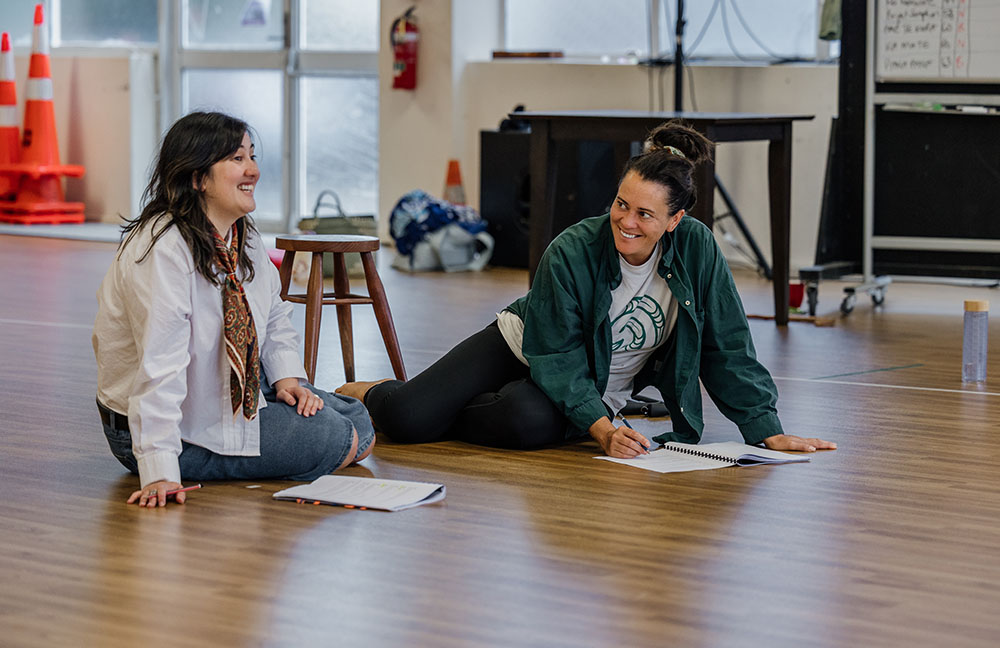
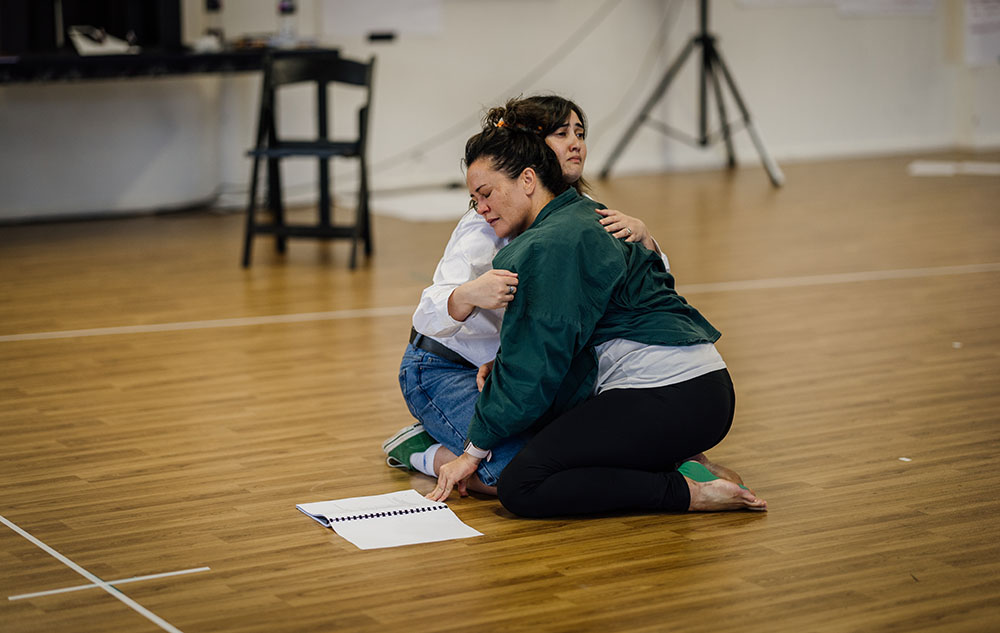
There is a universality in the intergenerational relationship between my character and Miriama’s . The push and pull, the coaxing of stories – cheeky, naughty, brandishing and loving. I hope audiences see themselves and their whānau in this show. And leave with a want to remember, to reflect and to learn from our shared histories.
Because Tiri covers so much ground historically, what research or personal reflection have you done to anchor your character in both the past and present?
Not to be reductive of the specificities of era, but I feel they are one in the same and this work reflects that. The past and the present, it is all one. In te ao Māori, time is a koru. All occurring as one. Me hokī whakamuri, kia anga whakamua – we must look back to move forward.
How does your own heritage influence your portrayal, and did you need to do historical research for the role?
Of course, being of both Māori and Pākehā descent, this play speaks to me closely. And in terms of historical research, a lot of this story I know well, but I learn more every time I hear it from a new voice. During our wānanga we listened to many stories from Matua Haare Williams about his upbringing with the elders back home – this granted a great depth and richness to the world of the play.
What would we most likely find you doing when not on stage or screen?
I’m an active relaxer. I live to make, to build, to craft and to whakapai. And it’s all weather dependent. I love to nest so you’ll often find me rearranging my whare or getting my hands dirty in the garden – or crocheting on the couch in front of the TV. And I also love the moana and the ngahere, so will look for times to return to them where I can.
What are you most proud of so far?
Tricky pātai. It depends on the context. In my work, I’m extremely proud of The Haka Party Incident which is by the same director as this one. It was a big passion project of hers, born out of a moment in Aotearoa history that was almost forgotten and Katie unearthed it in this spectacular verbatim work filled with haka and song. And recently I had the privilege of directing a work by my good friend and collaborator Sean Rivera, May Mga Uod Ang Utak Mo (There Are Worms In Your Brain) – my directing highlight so far. And I have some profoundly proud moments in my personal life as of late which are hard to articulate, but let’s just say I’m glad to be where I am.
Any other upcoming personal or professional projects that you’d like to also tell us about?
I’m really excited to share a couple of projects in the pipeline. They’re still hush-hush at the moment, but watch this space for both a directing and acting highlight from me next year!
To book tickets to Tiri: Te Araroa Woman Far Walking, head to atc.co.nz