
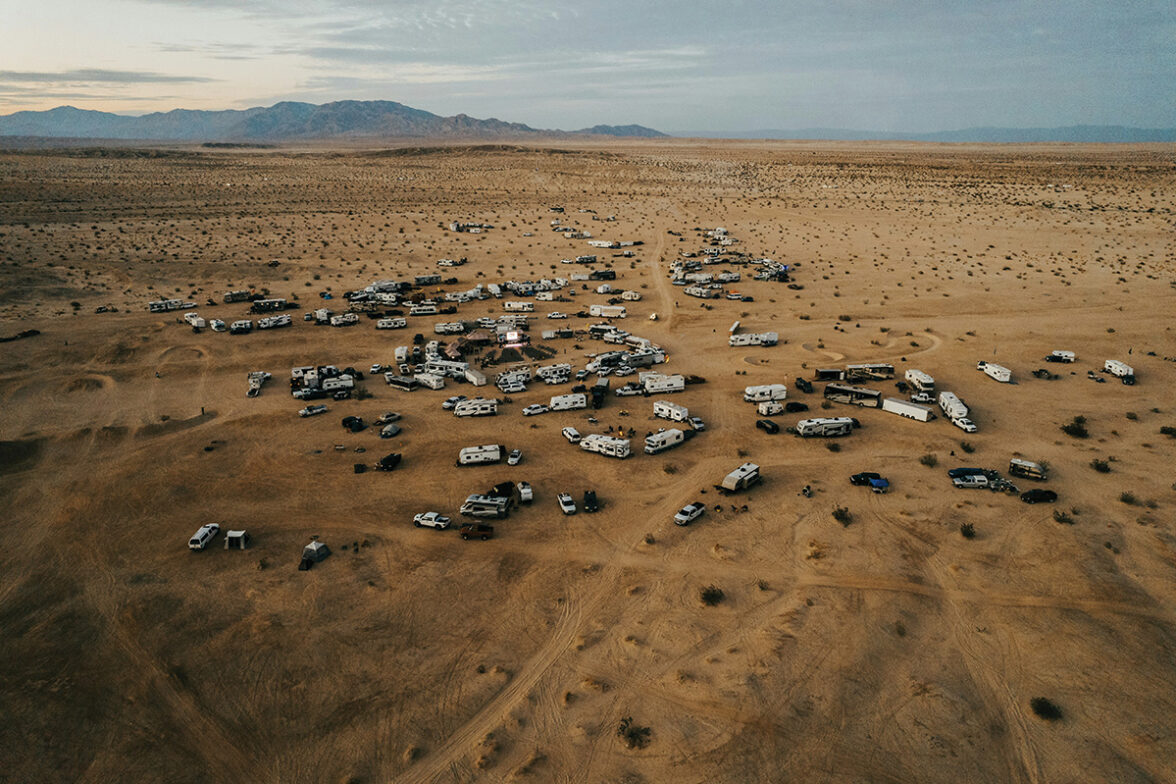
Caravans originally referred to large groups of merchants or travellers journeying together in processions for safety across trade routes like the Silk Road and Sahara Desert. The word ‘caravan’ comes from the Persian kârvân, which means a group of travellers.
EARLY RECREATIONAL USE
In 19th-century Britain, caravans evolved as the wealthy used horse-drawn wagons for leisure travel. Built in 1885 by Dr William Gordon Stables, ‘The Wanderer’ is seen as the first leisure caravan. Romani communities around the UK and Europe used ornate horse-drawn wagons called ‘vardos’ as mobile homes, influencing caravan design and their romantic image. In the early 20th century, caravans shifted from horse-drawn to motorised, and by the 1920s and 1930s, towable caravans pulled by cars were manufactured, making caravan travel popular and accessible to more people.
POST-WAR BOOM
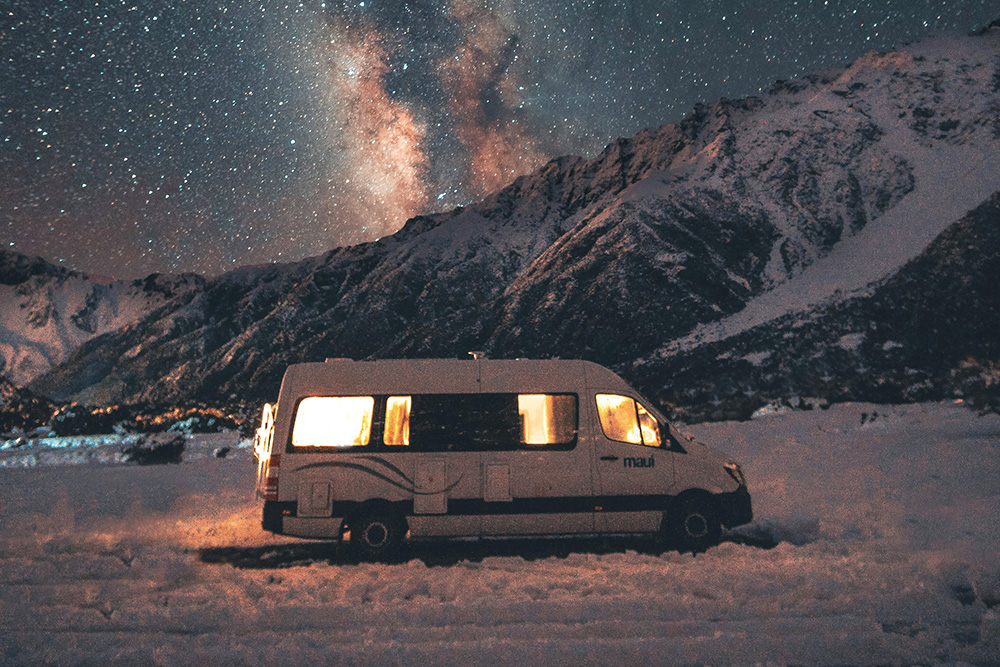
Following the second world war, caravanning became a popular form of affordable family holiday in countries
like the USA, the UK, Australia, and New Zealand. Companies such as Sprite, Carlight, and Airstream emerged as major manufacturers. By the 1960s and 1970s, caravans featured more advanced amenities like gas cookers, chemical toilets, and built-in beds. The rise of holiday parks and improved road networks contributed to growing popularity.
KIWI CARAVANNING
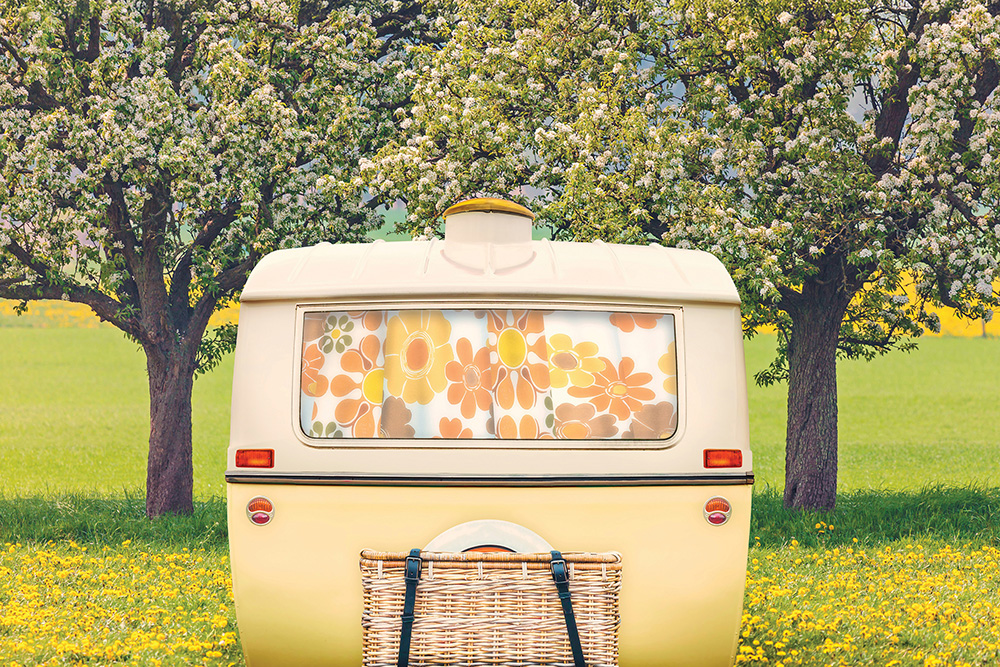
New Zealand’s caravan journey arguably began with widespread camping in the early 20th century, aided by increased car ownership and supported by local holiday parks. Post-war, cabinetsmiths and small workshops grew caravan production, and motorhomes arrived in the 1970s when CI Munro began production, offering a more self-contained alternative to caravans. This growth paralleled Kiwis’ appetite for flexible, long-distance travel. Later, other makers like TrailLite kept the local market innovative and beginning around 2010, affordable European imports made motorhomes more accessible and desirable.
GREY NOMADS
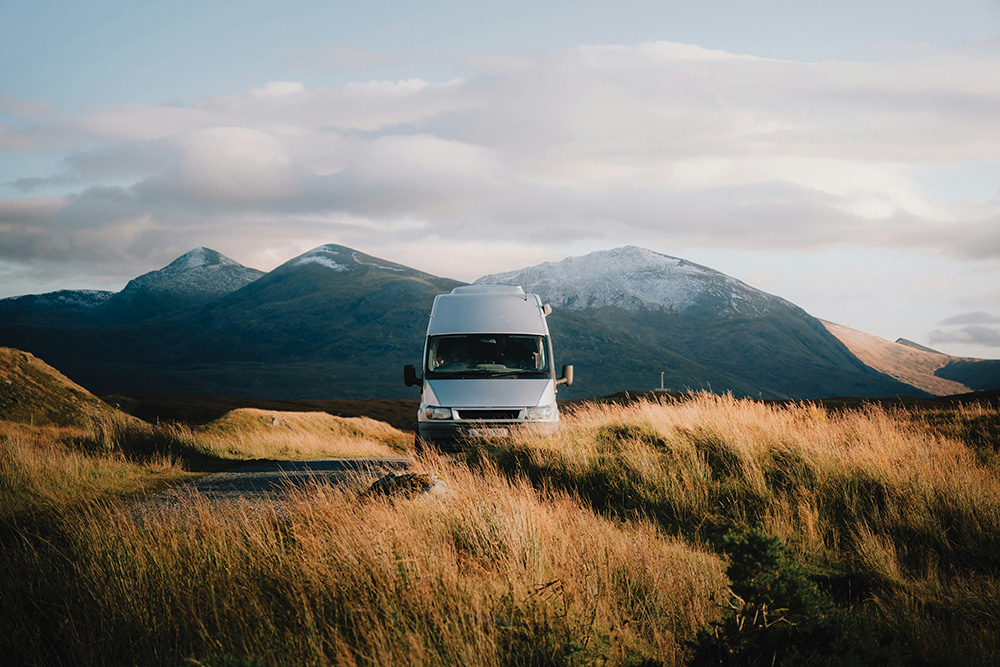
Grey nomads are retirees or semi-retirees who spend much of their time travelling in caravans and motorhomes. The New Zealand Motor Caravan Association now counts over 120,000 members, reflecting the lifestyle’s growing popularity, and communities are increasingly looking to cater for them with dedicated facilities such as KiwiCamp (now Penny), which help manage freedom camping while encouraging visitors to stay longer and spend more.