BASÍLICA DE LA SAGRADA FAMILIA, SPAIN
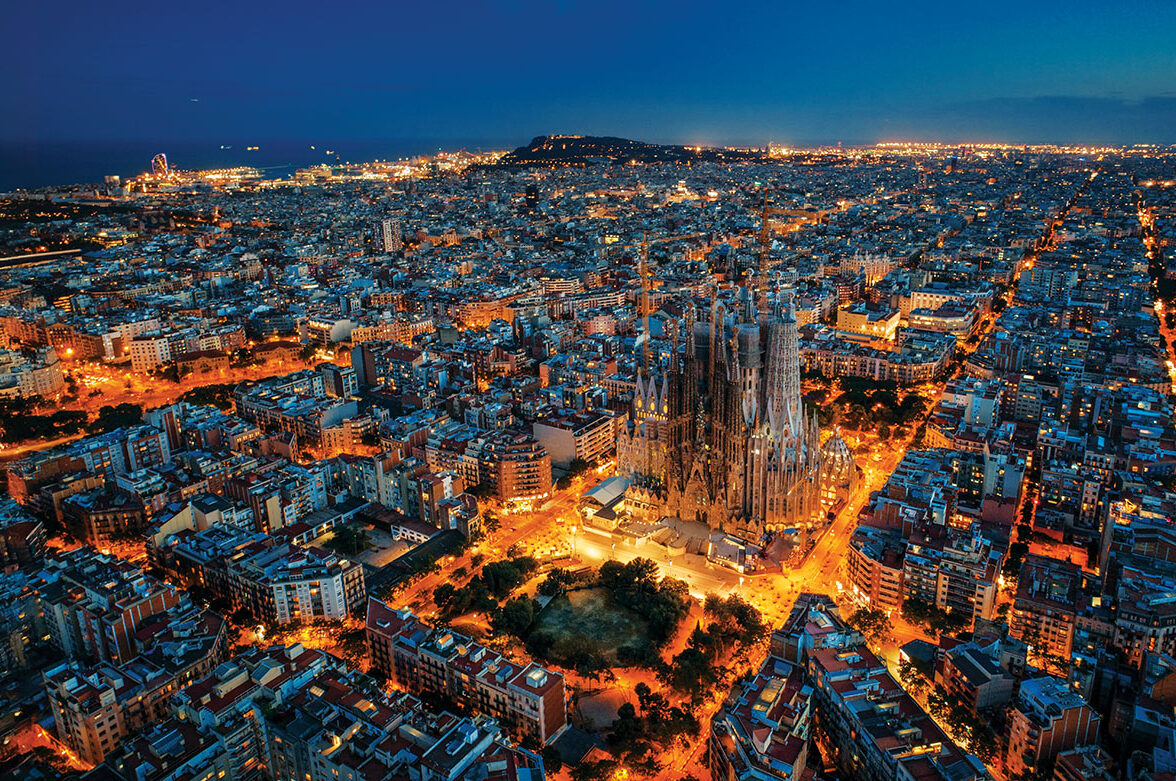
“It is not a disappointment that I will not be able to finish the temple,” mused the legendary Antoni Gaudí of his expressionist magnum opus, the Sagrada Familia. “I will grow old, but others will come after me. What must be always preserved is the spirit of the work; its life will depend on the generations that transmit this spirit and bring it to life.”
When the architect died in 1926, the monument was barely a quarter complete, and such was its preliminary awe-inspiring magnificence that it has been designated a Unesco World Heritage Site for decades already, drawing millions of visitors each year. Bursting from the bustling streets of Barcelona, the basilica blends gothic and art nouveau forms, with three breathtaking facades representing the Nativity, the Passion, and the Glory of Christ.
Reaching for the heavens, high above the cityscape, 18 spindle-shaped towers represent an array of biblical figures including the 12 apostles, Jesus, and the Virgin Mary. Gaudí’s tomb rests beneath the basilica which is presently the largest unfinished Catholic church in the world. The cathedral is due to for completion in 2026 to mark the centenary of Gaudí’s death – and
100 years earlier than the architect predicted.
CATHEDRAL OF BRASILIA, BRAZIL
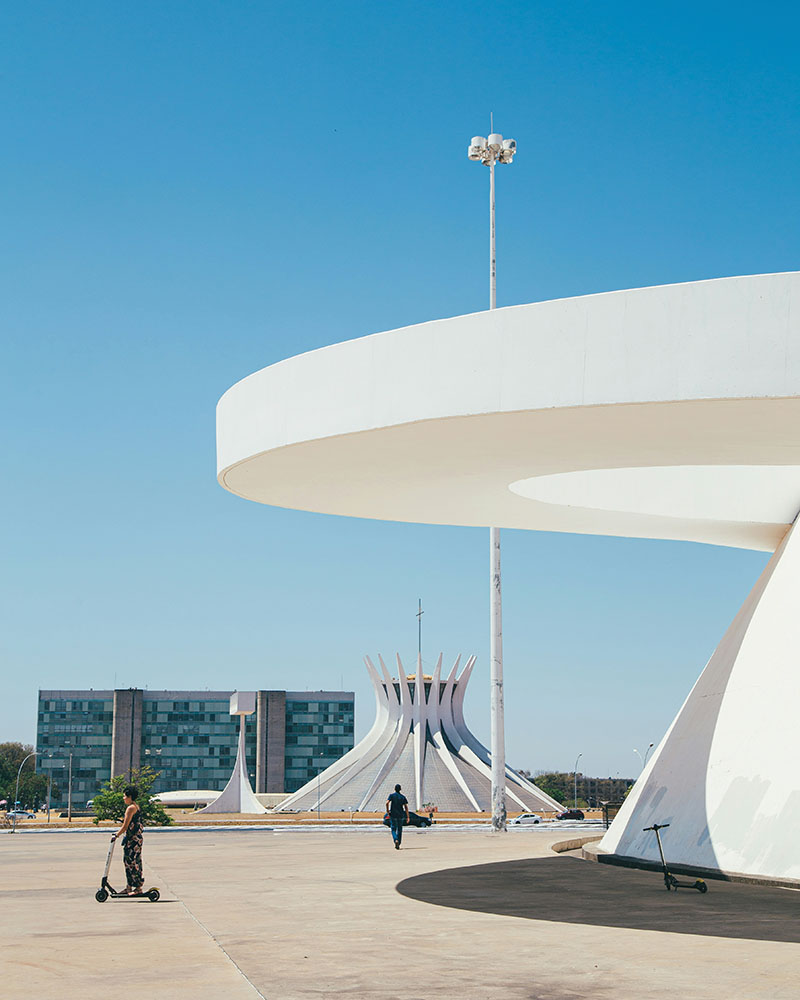
This unforgettable hyperboloid building – constructed to resemble a crown – was designed by Brazilian architect Oscar Niemeyer who was famed for his curving creations. It was consecrated in 1968 – 10 years after construction commenced – and didn’t open for another couple of years. Initially meant as a publicly funded interfaith space, building stalled following the ending of President Juscelino Kubitschek’s term in 1961 and the site was handed over to the Catholic Church. It now boasts Spanish bells, an altar donated by Pope Paul VI, 16 curved concrete columns, angel sculptures, and a spectacular stained-glass ceiling.
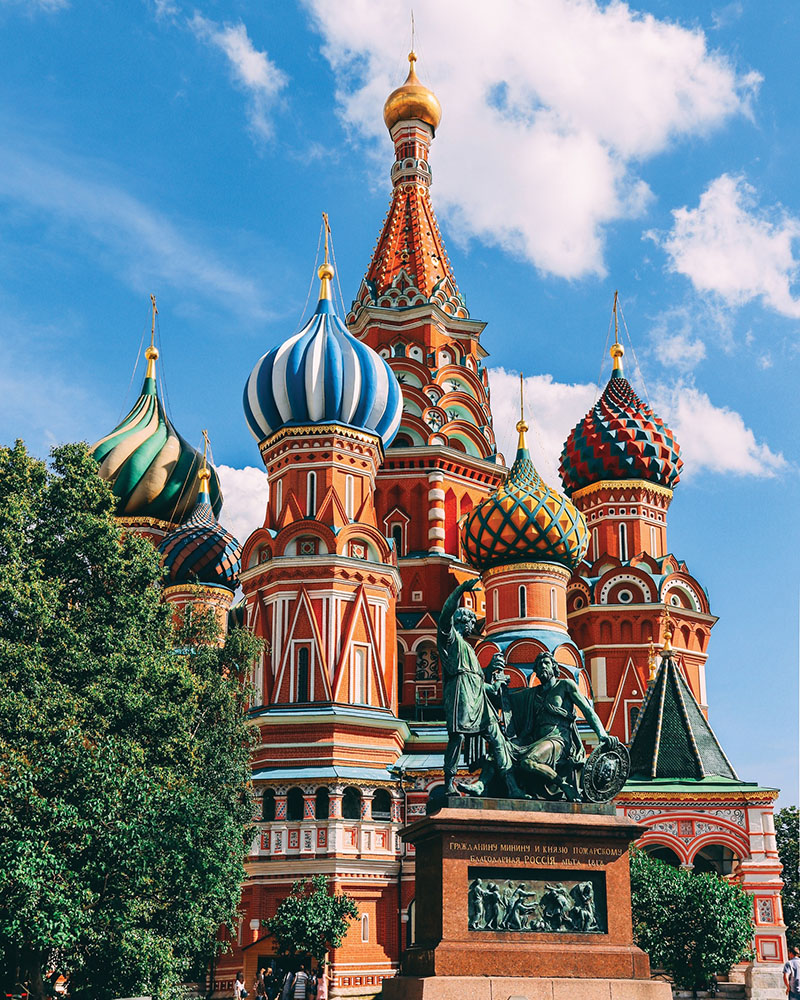
SAINT BASIL’S CATHEDRAL, RUSSIA
Saint Basil’s Cathedral – originally called Trinity Cathedral, and now known officially as Pokrovsky Cathedral – stands proudly at the southern end of Moscow’s Red Square. The fairytale-like structure was built between 1555 and 1561, under the orders of Ivan the Terrible, who, so goes the legend, had the architects blinded so that they may never again design such a masterpiece. The myth is just that, but there is still much not known about the cathedral.
Five hundred years later the identity of the architects’ is still disputed. The most likely suspects are Barma and Postnik Yakovlev, however, some argue that this may have been one person, with ‘Barma’ being Postnik’s nickname! “It’s really surprising how some of the most basic facts are not really verifiable,” historian and author of Journeys through the Russian Empire, William Brumfield, tells CNN. “We encounter this problem many times in the history of Russian architecture, even as late as the 18th century. There were many fires, invasions, cataclysms. Moscow burned in 1812 during the Napoleonic invasion. The documents are often just not there.”
Having survived Napoleon, the building was later nearly razed under Stalin’s reign, but now stands as a cultural and national symbol, topped by those iconic colourful onion domes that were added during the rebuild following an apocalyptic fire in 1583.
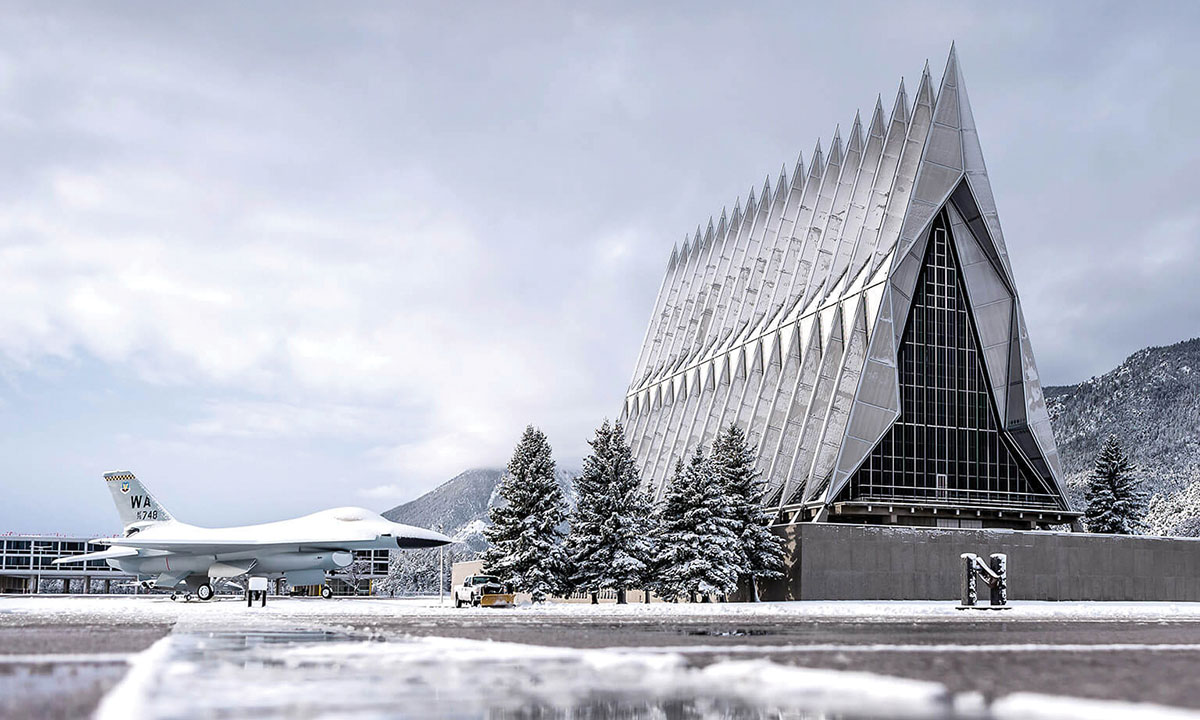
CADET CHAPEL, USA
This Colorado Air Force Academy church is reminiscent of a row of fighter jets about to accelerate into the heavens. The 150-foot campus centrepiece, designed by the legendary SOM studio, is rightly revered as among the most beautiful examples of modern American academic architecture, its 17 aluminium spires comprising hundreds of tetrahedrons and covered in stained glass. The state’s most visited man-made attraction houses Protestant, Catholic, and Jewish chapels, each one unique. A winner of the American Institute of Architects’ Twenty-five Year Award.
BUDIR BLACK CHURCH, ICELAND
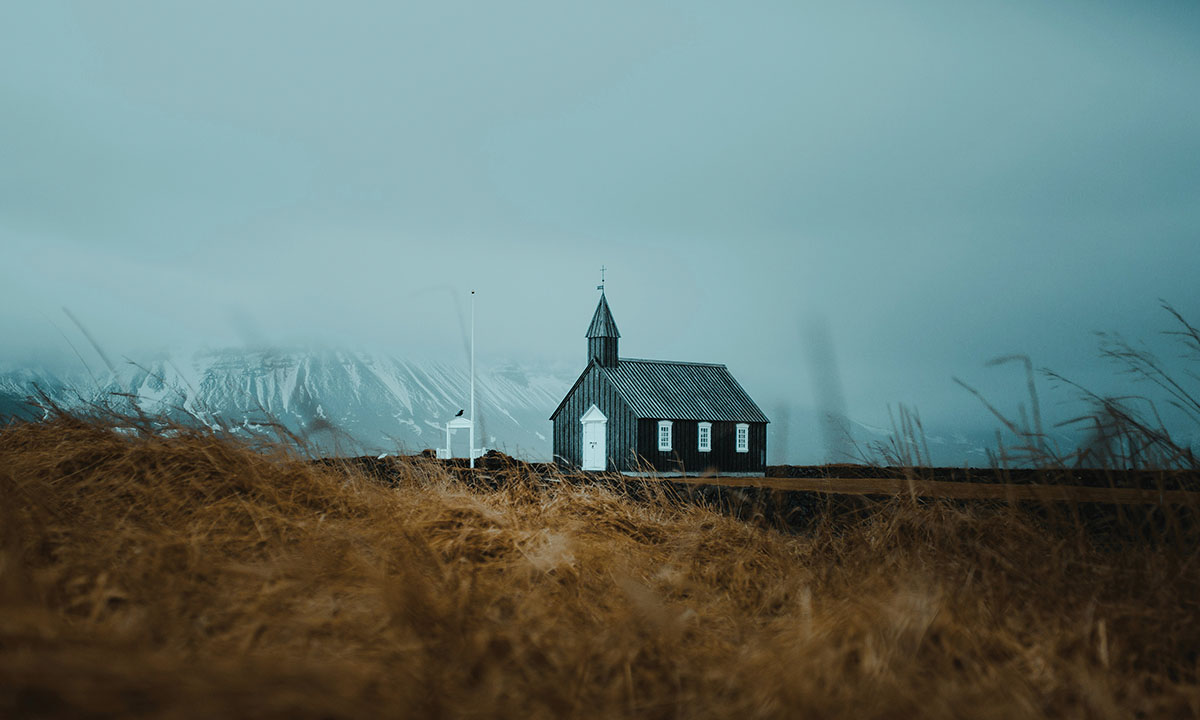
One of this most photogenic of country’s most photographed locations, this striking black church – known locally as Búðakirkja – is built on the remote Snæfellsnes Peninsula, and sits surrounded by rugged mountains, lava fields, and coastline.
According to legend, the site of this early 18th-century structure was decided upon by firing arrows into the air and seeing where they landed. The black resin coating is for protection against the harsh climate. Generally closed to the public, it is, unsurprisingly, a highly sought after wedding venue as well as a tourist attraction.