
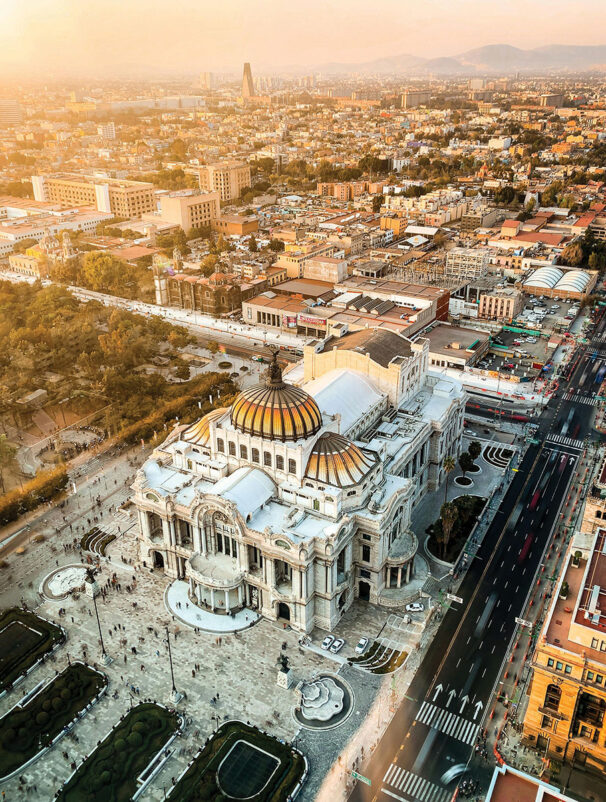
Mexico is home to pyramids, Aztec ruins, migrating whales and Unesco-listed celebrations – a country where every moment is beyond memorable.
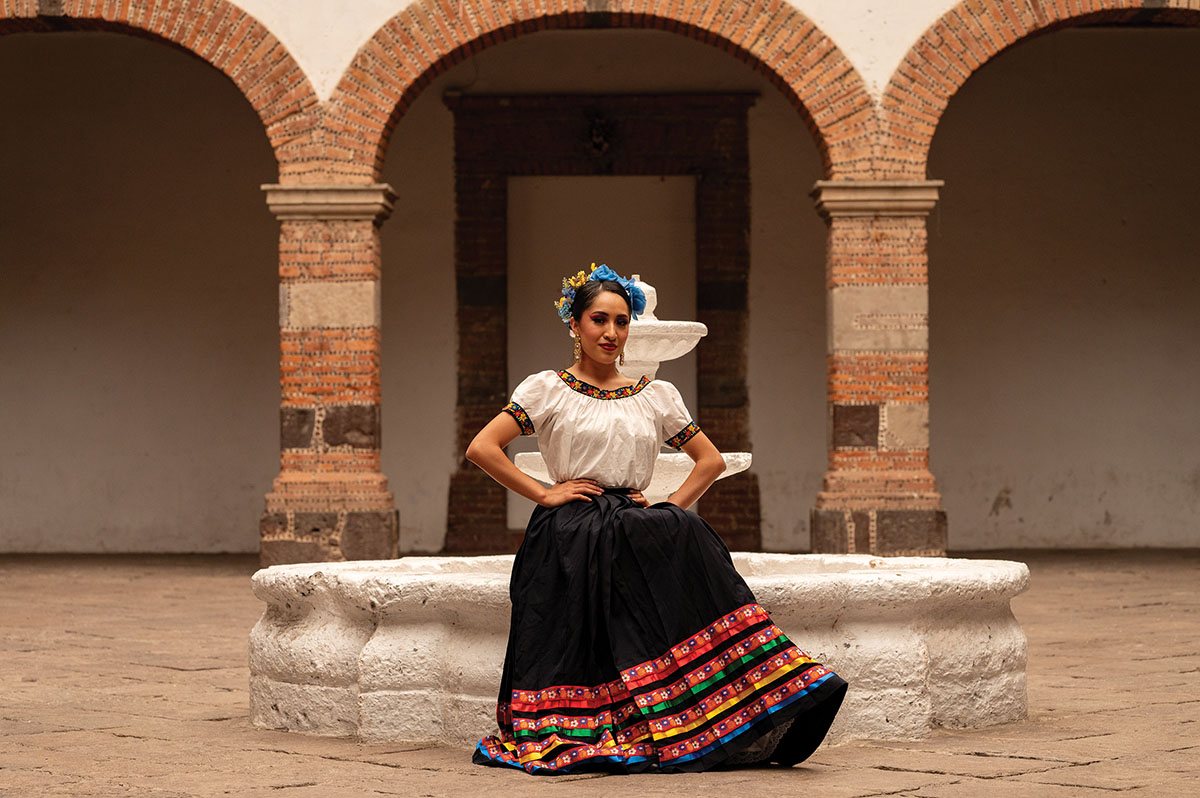
SIGHTS AND CULTURE
Mexico brims with contrasts – especially in its capital and southern states. In Mexico City, pre-Hispanic dances, mariachi, and Día de Muertos parades mingle with Rivera’s murals, Kahlo’s legacy, and bold street art.
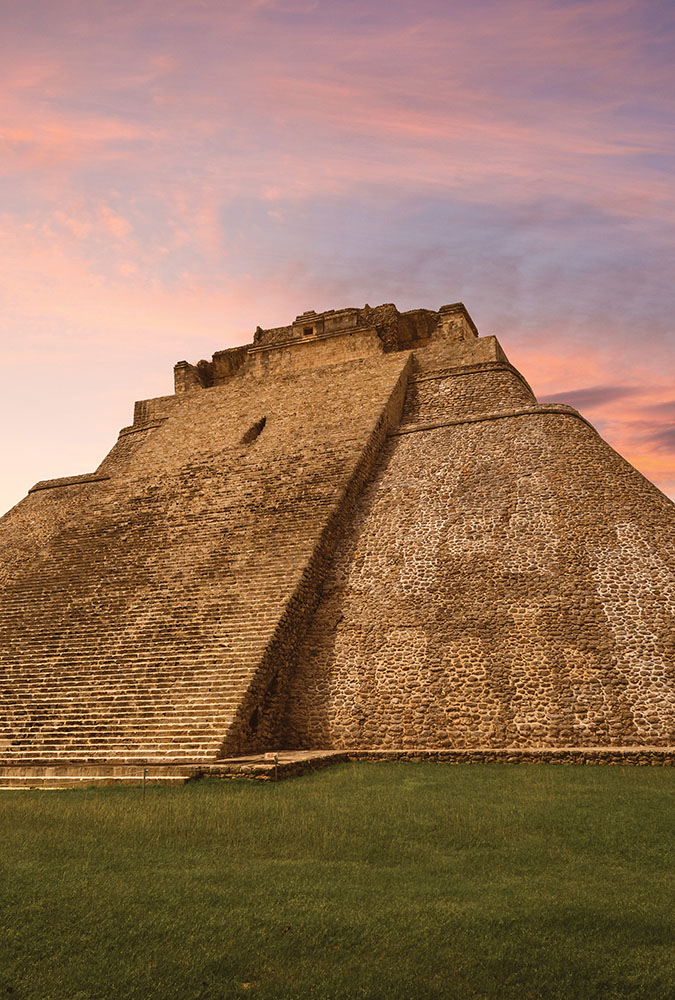
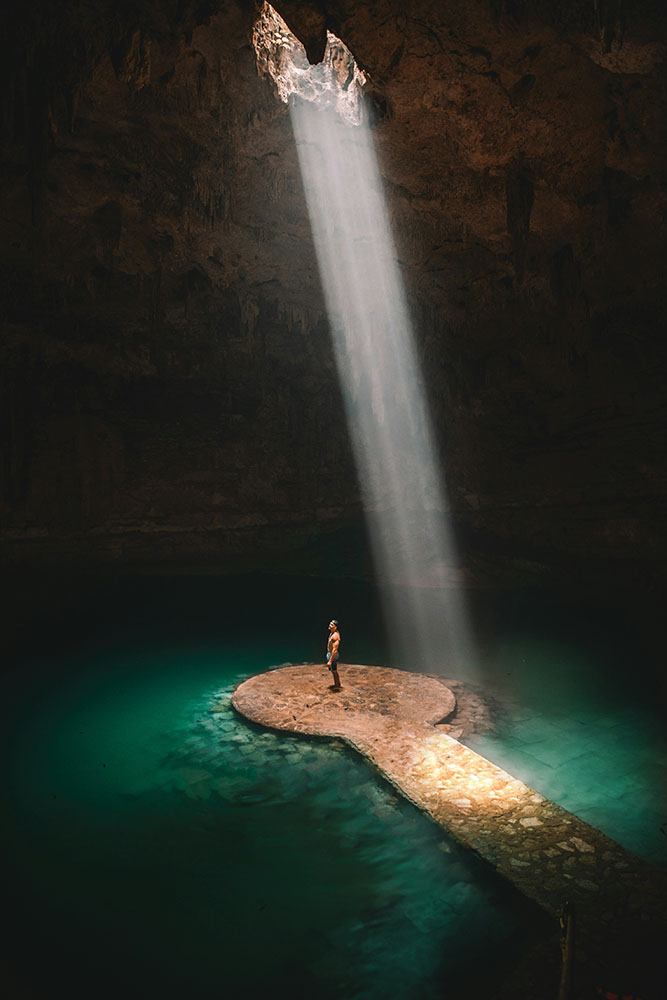
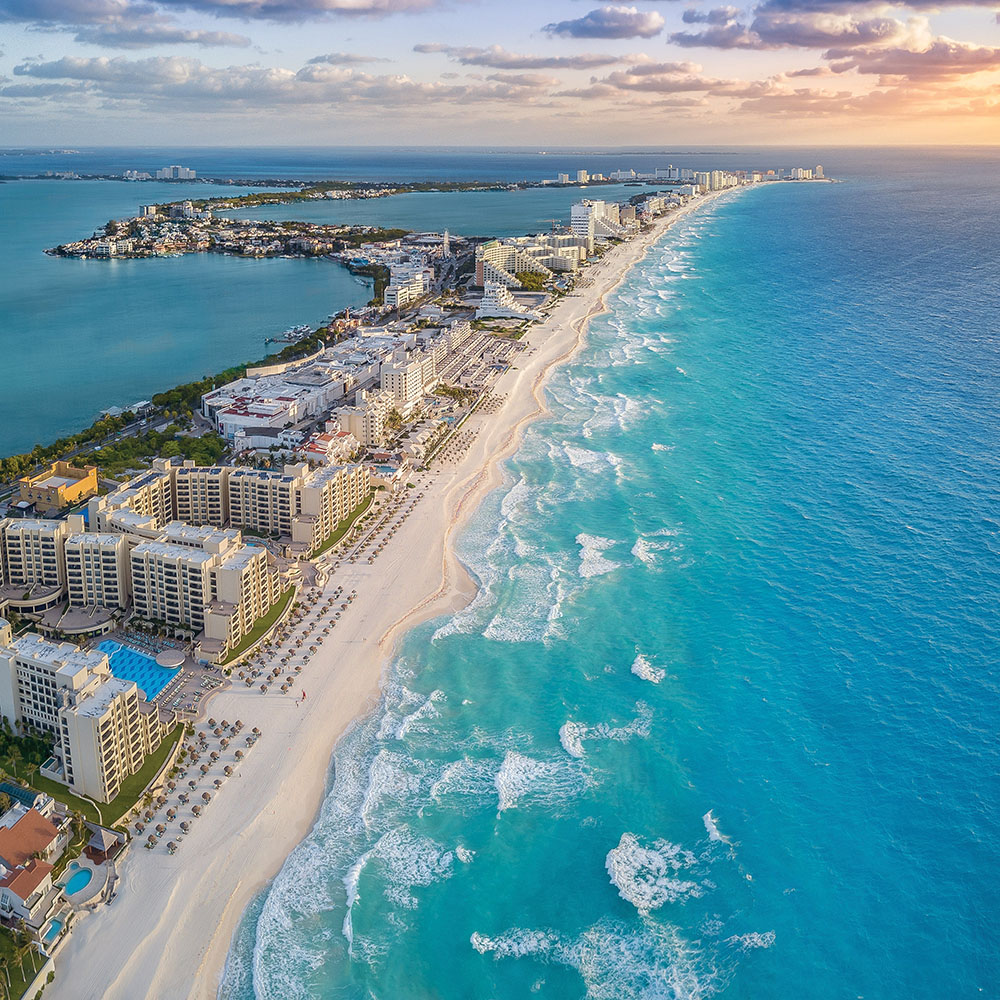
Southeast, the Yucatán Peninsula dazzles with Maya pyramids, lush forests, and Caribbean beaches. Snorkel cenotes, kayak through reserves, or stroll Mérida’s pastel streets before sunset cocktails.
In Chiapas, misty highlands and traditional markets reveal enduring Maya culture. San Cristóbal’s cobbled lanes echo with Indigenous languages, while Palenque’s jungle ruins and San Juan Chamula’s vibrant Sunday market showcase Mexico’s living traditions and deep, diverse cultural heritage.
ADVANCED HISTORY
Home to the likes of the Olmec, Maya, Toltec, and Aztec peoples, ancient Mexico was a cradle of advanced civilisation long before the arrival of the Europeans. They were societies that built great cities and pyramids, produced extraordinary art, and studied the skies to guide farming and spiritual ceremonies.
In the early 1500s, Spanish conquistadors arrived, bringing smallpox and other diseases that devastated the Aztec population, while also destroying Tenochtitlán, the Aztec capital. Mexico wouldn’t gain independence from Spain until 1821.
DAY OF THE DEAD
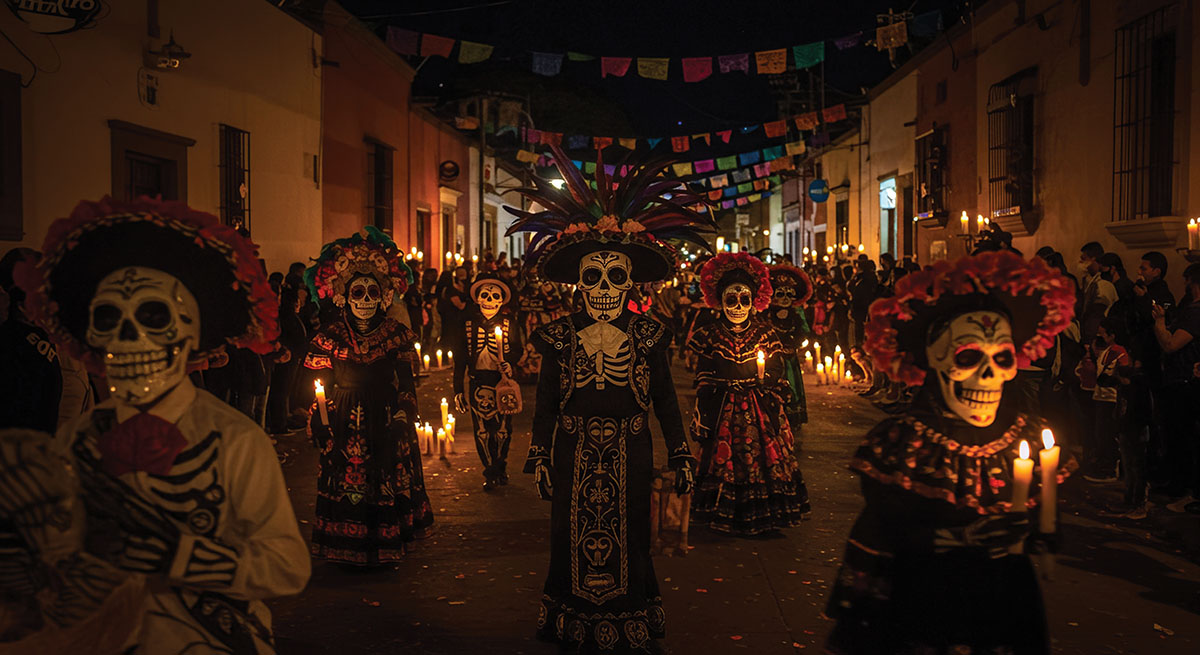
Día de Muertos – or Day of the Dead – observed on 1 and 2 November, is a Unesco-recognised Mexican festival that combines pre-Hispanic beliefs and Catholic traditions to honour deceased loved ones. Its origins trace back millennia to Mesoamerican cultures who considered death to be part of a cycle rather than an end point. Spanish colonisation introduced All Saints’ Day and All Souls’ Day, which were blended with indigenous rituals to form the modern holiday.
Key rituals include building ofrendas (altars) laden with candles, photos, favourite foods, marigolds (cempasúchil), sweets, and other items meaningful to the departed. Graves are cleaned and decorated while families gather to share meals at cemeteries, and hold vigils into the night. Parades, calaveras (skull motifs), and La Catrina face-paint, are famous vibrant visual features.
In places like Oaxaca, Mexico City, and Michoacán – especially the island of Janitzio – the celebrations swell into especially spectacular displays. Puerto Vallarta’s downtown and waterfront host vivid parades and community altars, while local markets overflow with decorative ornaments, and gatherings that mix solemn remembrance with joyful life.

WORLD CUP FEVER
Mexicans take their sport very seriously. In ancient times, losers of a ritual ball game were even put to death, while some dangerous sports, like bullfighting and rodeo – which was invented in Mexico – are still played today.
The country’s most popular sport, by some distance, is football, and next year, Mexico will co-host the 2026 FIFA World Cup along with the USA and Canada. The competition’s official opening game will take place at the 83,000-capacity Estadio Azteca in Mexico City.
BIG TIME BEAUTY
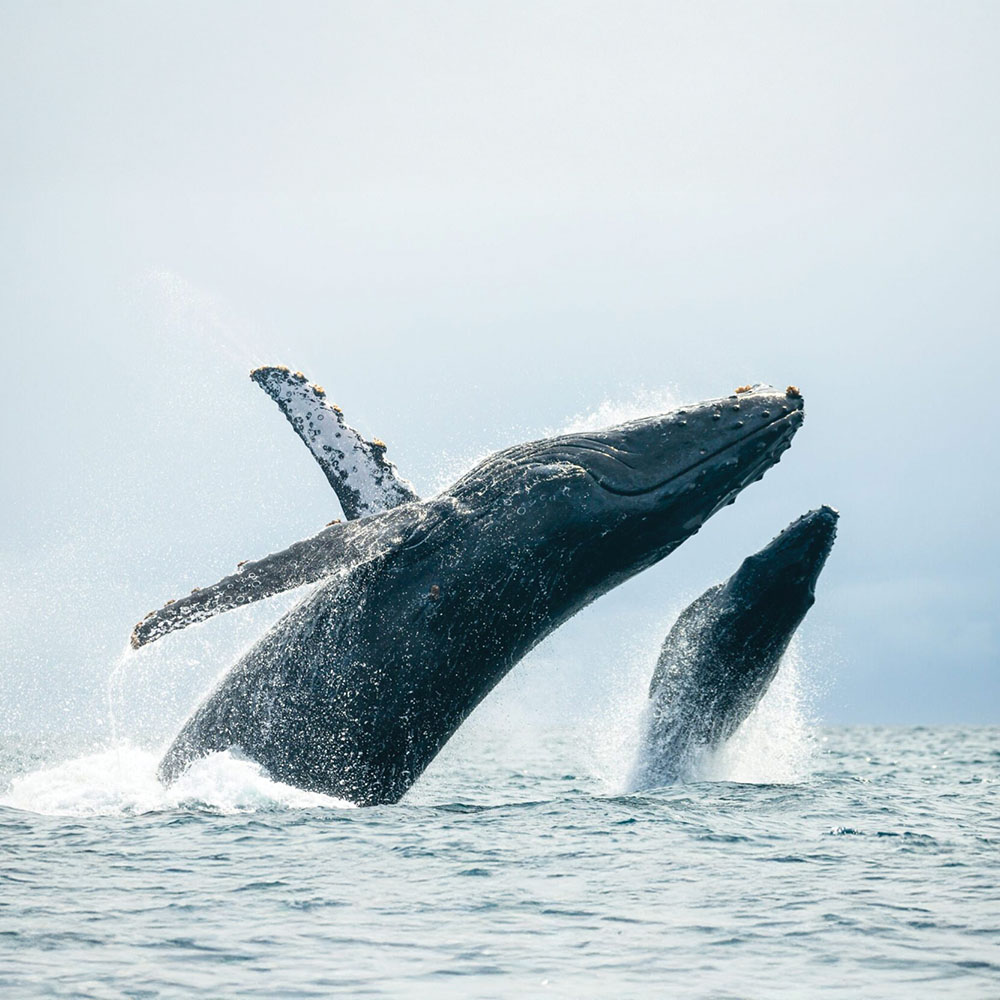
Mexico’s natural wonders vie with its cultural ones in terms of magnificence. It’s an Eden home to over 23,000 animal species that roam it deserts, jungles, and coasts – few more awe-inspiring than the grey whales of Baja California that, each winter, travel 16,000km from the Arctic to lagoons like San Ignacio, where mothers teach calves to swim. Other offshore visitors include blue and humpback whales, dolphins, and turtles that come ashore to nest. Mexico’s reefs are a diving paradise that teem with rays and sharks and kaleidoscopic fish. Inland, jungles cradle ocelots, jaguars and troops of monkeys, while skies fill with scarlet macaws, and millions of migrating monarch butterflies in Michoacán. Wildlife tourism here blends spectacle with conservation, offering encounters that are not only breathtaking but also deeply responsible.
TURNING OF THE WORM
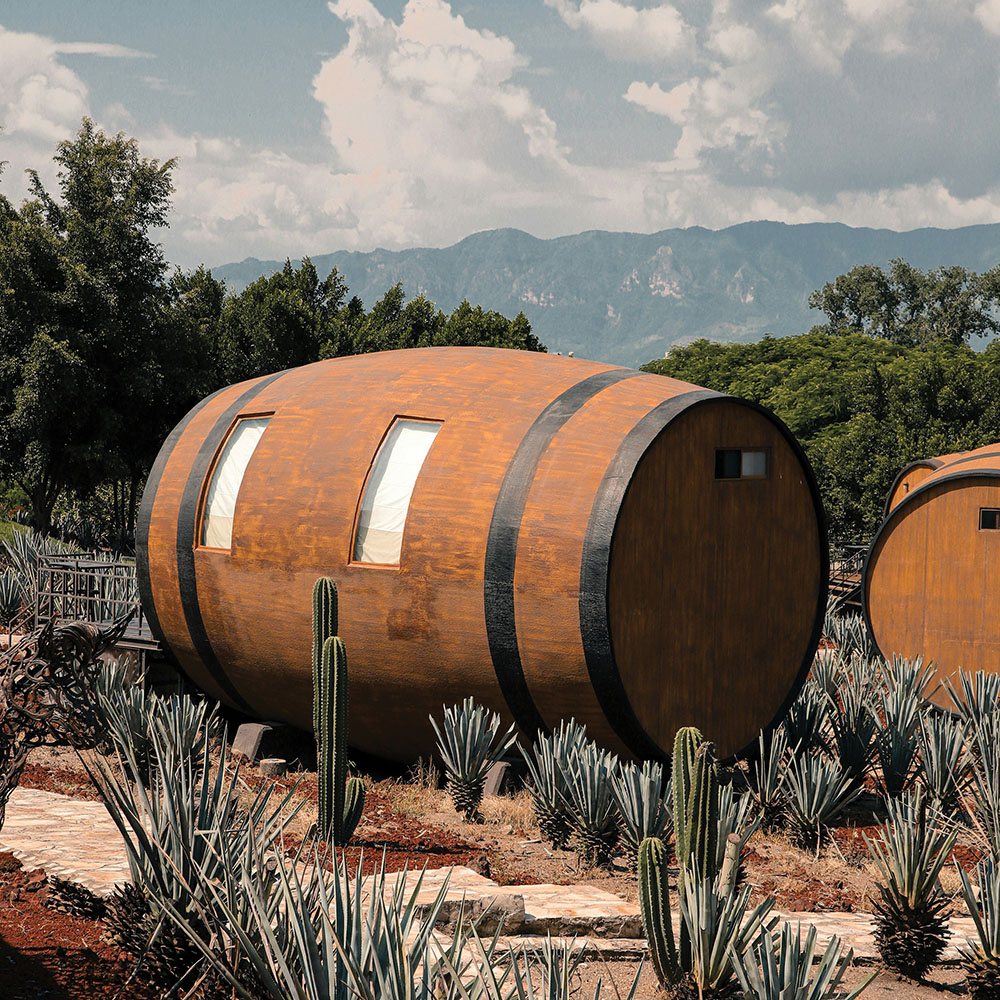
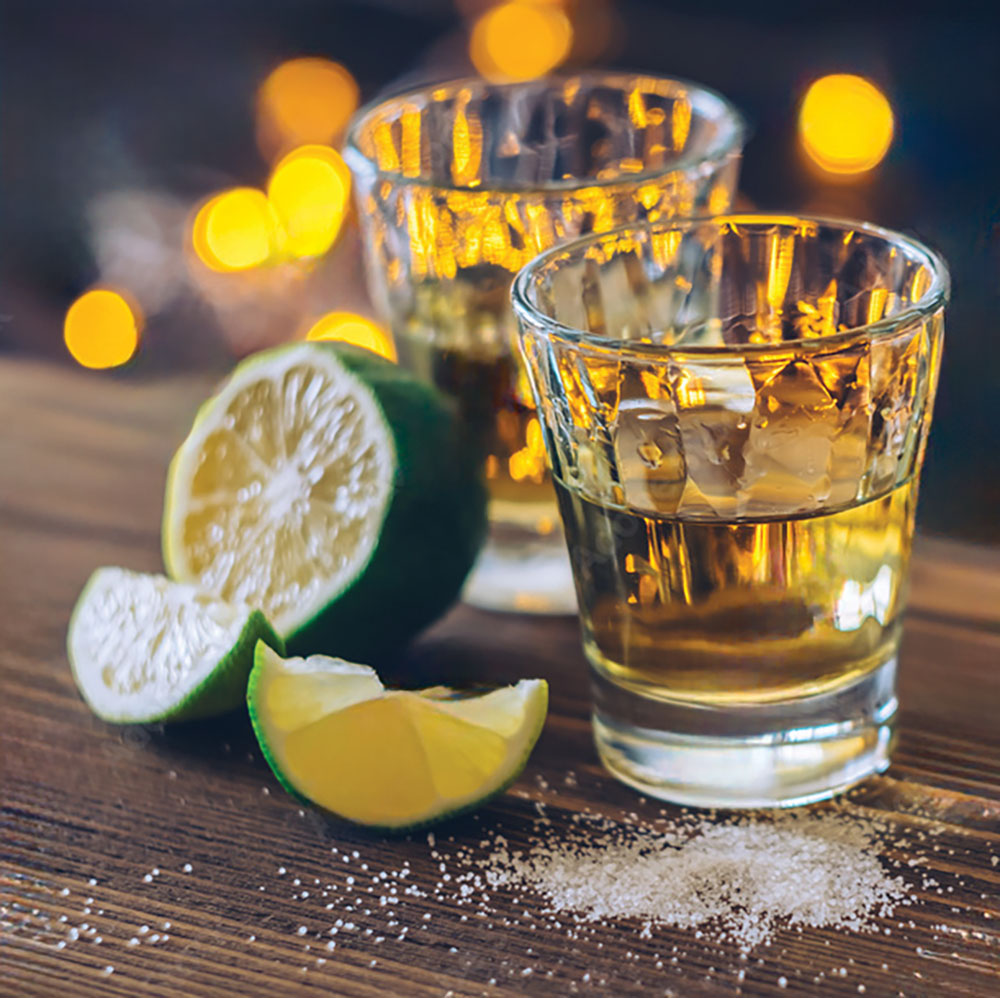
Tequila and mezcal both hail from from Mexico and are made from the core (piña) of agave, but they diverge in several key ways. While tequila is technically a type of mezcal, it must be made specifically from blue agave, while mezcal can use many agave species such as espadín or tepeztate.
Their production methods also differ – tequila piñas are cooked in ovens and distilled in copper pots, whereas mezcal’s are roasted in underground pits using wood, charcoal or volcanic rock and often distilled in clay. Distinct flavour profiles arise from these different methods, with tequila tending to be more agave-forward and (sometimes) smoother and mezcal delivering smoky, earthy, notes. Also, their geographical origins and ageing and labelling systems vary, too.
Contrary to popular misconception, tequila bottles never contain a worm, but mezcal sometimes does, a practice known as con gusano. The larva (gusano) in some bottles originally came from moths that live on agave, but since the mid-20th century, some mezcal producers began adding them as a marketing gimmick. And no, the ‘worm’ is not an hallucinogenic!