
From the vibrant streets of Madrid to the artistic air of Cadaqués, Spain’s diverse cities and islands offer a rich blend of history, culture, and coastal beauty.
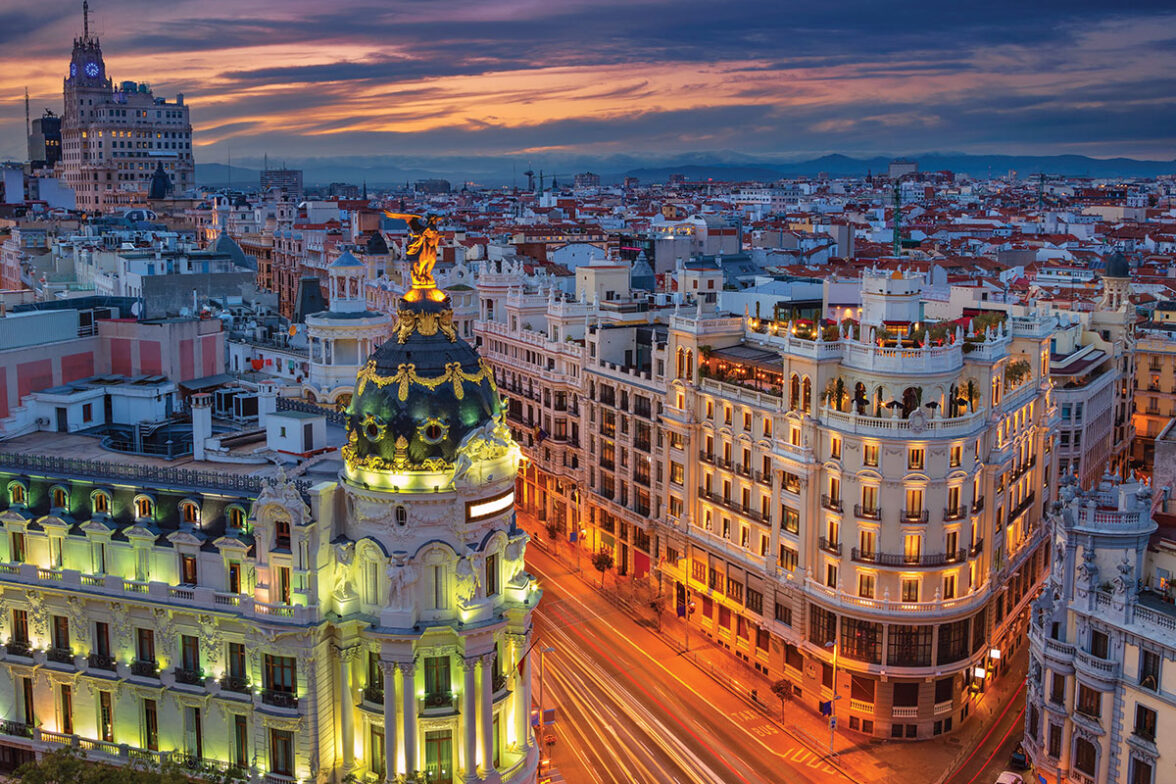
MADRID
Madrid offers a timeless mix of culture, flavour, and unforgettable atmosphere. Explore the masterpieces of the Prado – Spain’s national gallery that holds works by the likes of Monet, Van Gogh, and Matisse. Picasso’s Guernica is arguably the most impressive piece in the Museo Reina Sofía, and then there’s the splendour of the Royal Palace. After dark, join locals for a late-night paseo, tapas, and music. Madrid is one of Spain’s best places to witness the flamenco at legendary venues like Corral de la Morería, while this year also marks the 300th anniversary of Sobrino de Botín, the world’s oldest continuously operating restaurant, whose oven’s flame, it is said has never gone out.
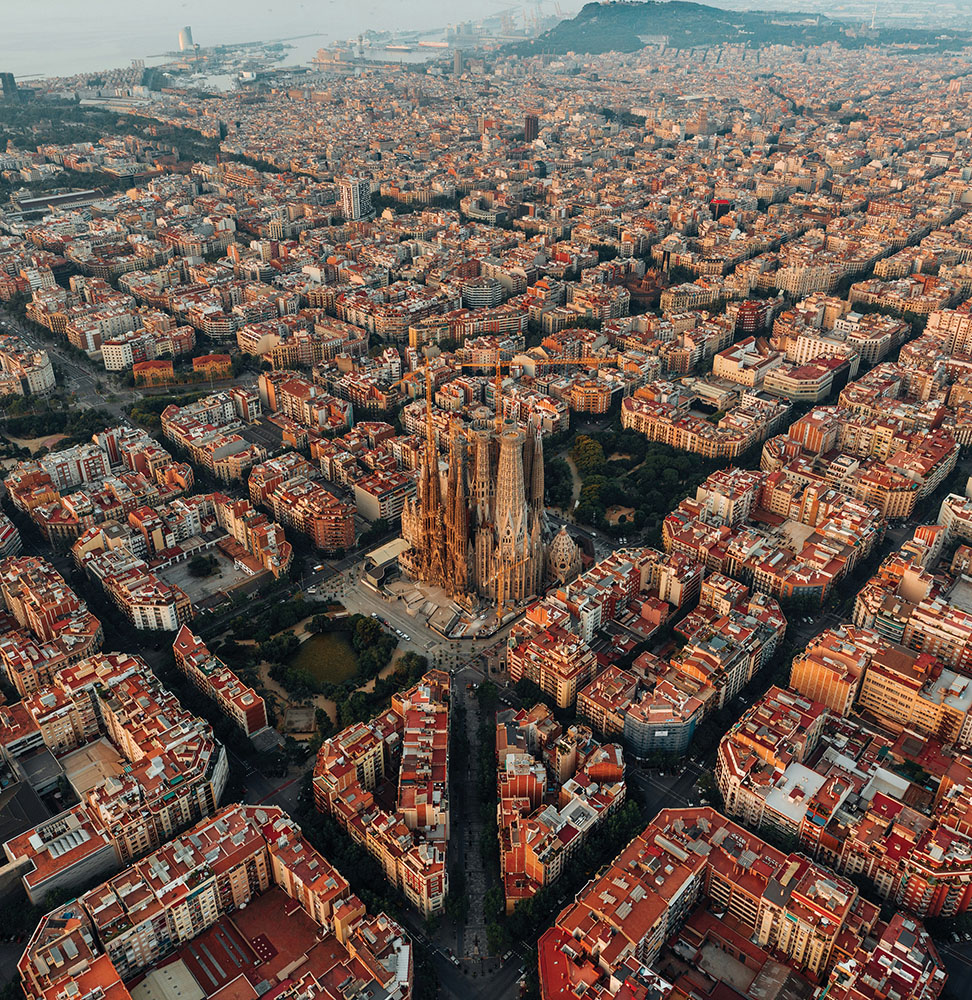
BARCELONA
Barcelona, capital of the region of Catalonia, is a city of striking contrasts – modern, historic, lively, and laid-back. Blending seaside charm with architectural wonder and deep-rooted Catalan pride, the city invites visitors to wander the Gothic Quarter, sip cava in cosy bars and admire the works of the likes of Joan Miró, and, of course, Antoni Gaudí. For this is famously “Gaudí’s city”, whose crown jewel, the Sagrada Familia, has been under construction since 1882 and is due for completion in 2026, a century after its designer’s death.
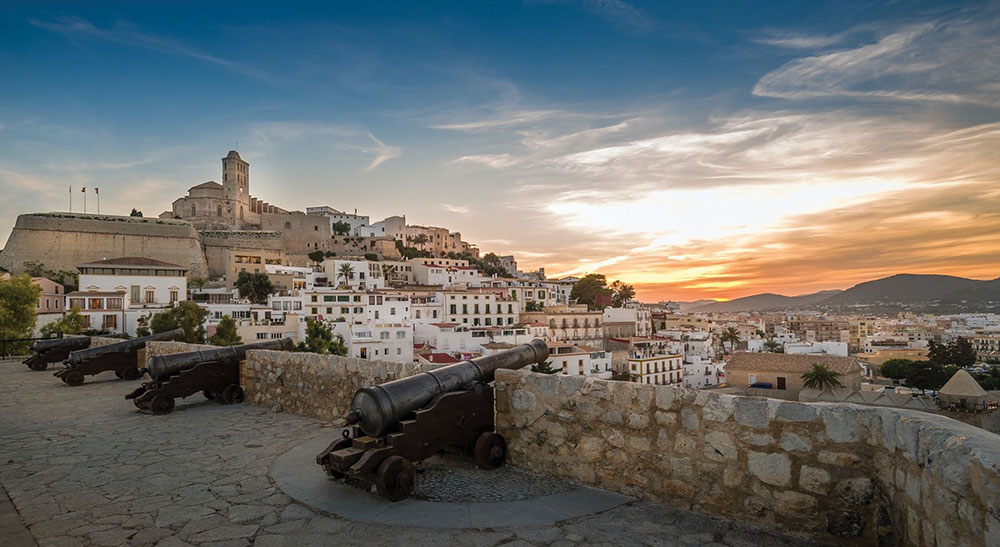
IBIZA
The island of Ibiza glistens in the Mediterranean and is famed for its legendary nightlife. But, beyond the beach clubs and pulsating dance floors awaits wondrous regions of quiet coves, rugged coastlines, and white-sand beaches lapped by turquoise waters. The island’s layered history is visible in its old town, where Romans, Moors, and Christians have left their mark on cobbled streets and ancient buildings. From rustic markets to upscale dining, Ibiza’s food scene is as diverse as its landscape which also hosts Unesco Heritage Sites like the Dalt Vila’s Acropolis, an ancient fortress in the historic upper town.
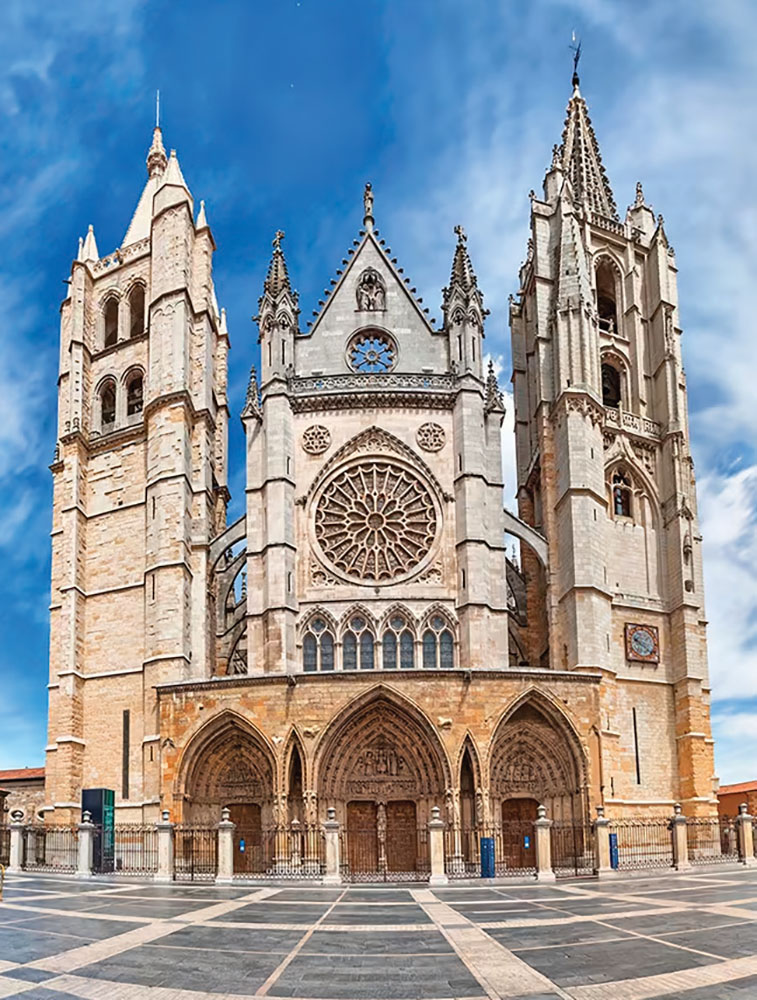
LEÓN
By day, León reflects its Castilian roots, with impressive monuments, a strong Catholic heritage – including one of Spain’s finest gothic cathedrals – and a steady flow of pilgrims on the Camino de Santiago which is an extensive network of ancient religious routes that stretch across Europe. By night, the Barrio Húmedo – a famed neighbourhood in the city’s colourful old town surrounded by Roman walls – comes alive with buzzing bars and packed plazas. León is both a historic pilgrimage stop, and a youthful university town, also known for its top-drawer tapas.
CADAQUÉS
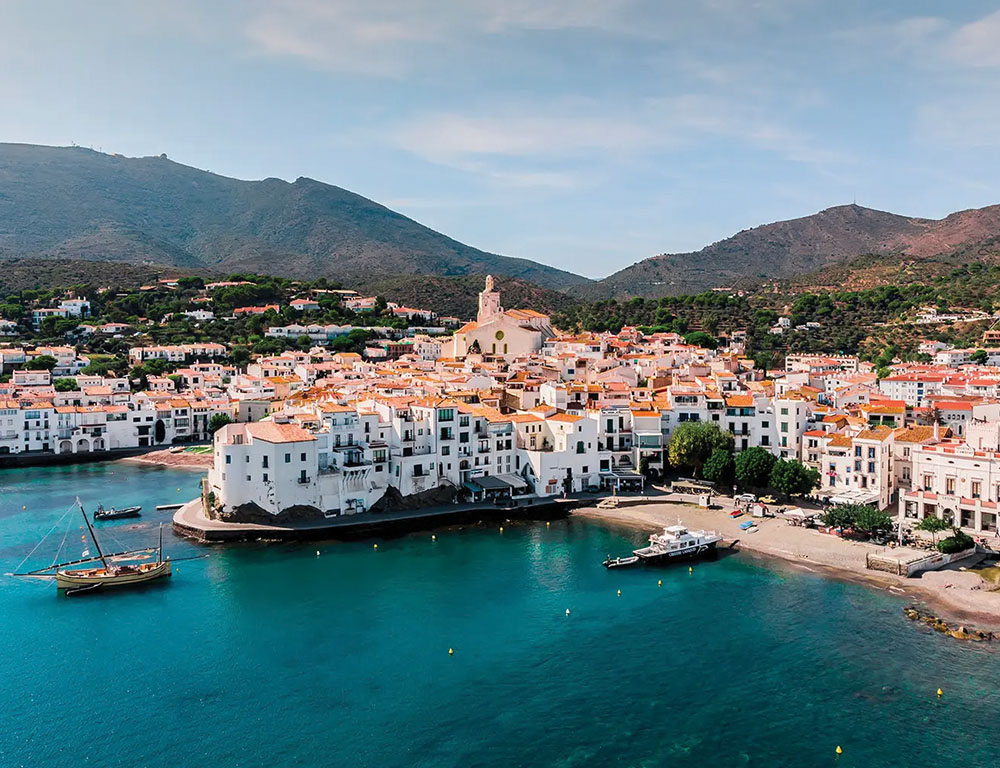
Tucked into a horseshoe bay on Catalonia’s rugged coast, Cadaqués is a former fishing village turned artistic haven. Whitewashed houses, cobbled lanes, and a crystalline sea merge to create a world that has inspired the likes of Dalí, Picasso, and Miró. The town remains unspoiled, is fiercely preserved by locals, and retains a creative spirit in every corner. Dalí claimed it to be “the best place in the world,” and it doesn’t take long to see why.
FIESTA!
RUNNING OF THE BULLS
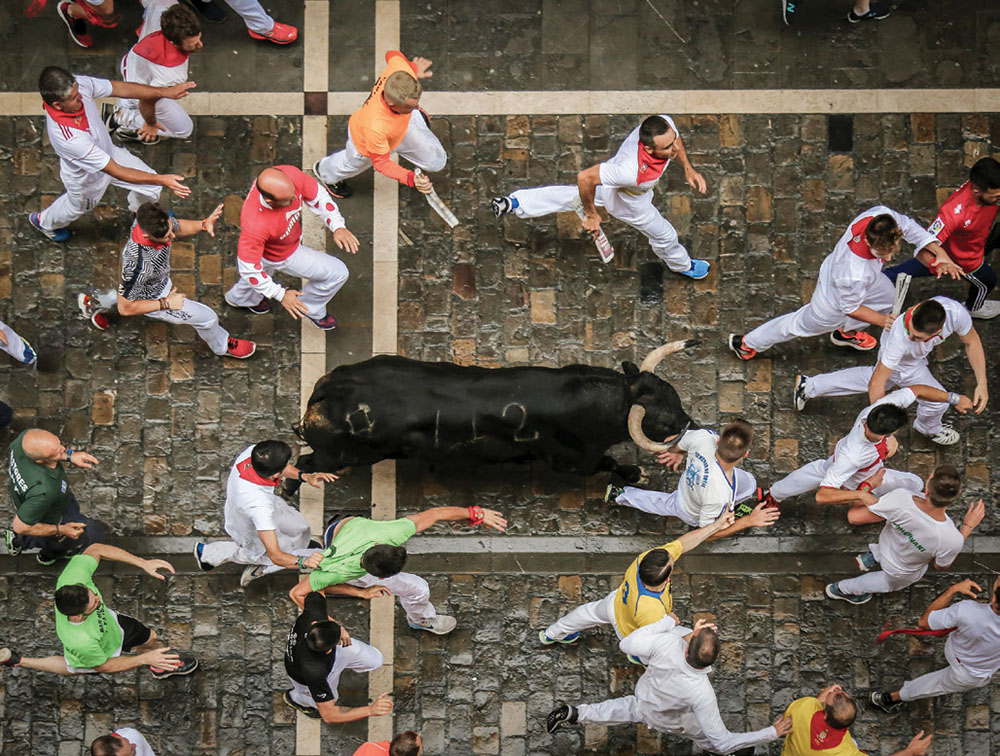
Every July, Pamplona’s controversial San Fermín festival sees a few thousand thrill-seekers dressed in all-white, with red handkerchiefs, sprint through cobbled streets alongside charging bulls in the famous Running of the Bulls. The event is a as dramatic as it sounds – with hundreds of injuries each year, and the occasional fatality. The tradition dates from 16th century bullfighting and was first made famous around the world by Ernest Hemingway’s 1926 novel The Sun Also Rises.
WORLD’S LARGEST TOMATO FIGHT!
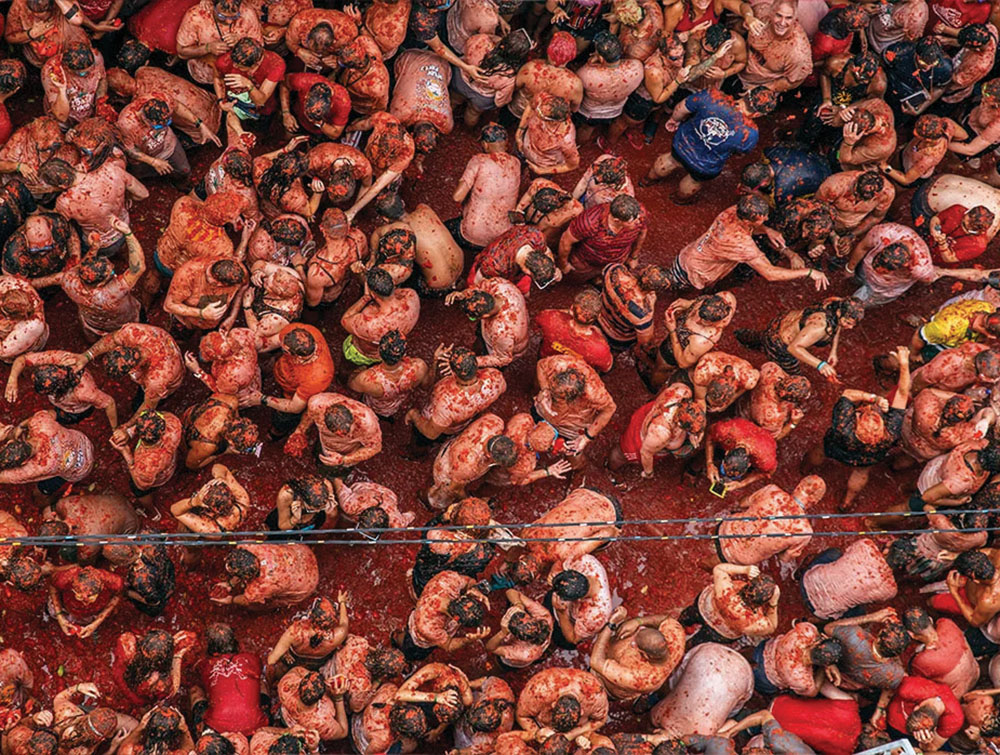
Every year, on the last Wednesday of August, the quiet town of Buñol in Spain erupts into chaos during La Tomatina, the world’s largest tomato fight. Tens of thousands of kilogrammes of overripe tomatoes are thrown as thousands of locals and tourists join in the messy, exhilarating event. The festival’s origins remain a mystery, but the most popular story dates back to 1945 when a community parade was interrupted by a scuffle that led tomatoes being grabbed from a nearby market stall and hurled in anger during the melee. The following decade, the festival was banned by Franco, which only added to its mystique and, for a time, caused it to become an act of protest against the dictatorial regime. Now, La Tomatina has become a joyful and legendary celebration full of laughter, camaraderie, and tomato-covered fun that draws visitors from around the world each year.