
Progress, promise, and that annoying ‘across-the-street’ wait — again..
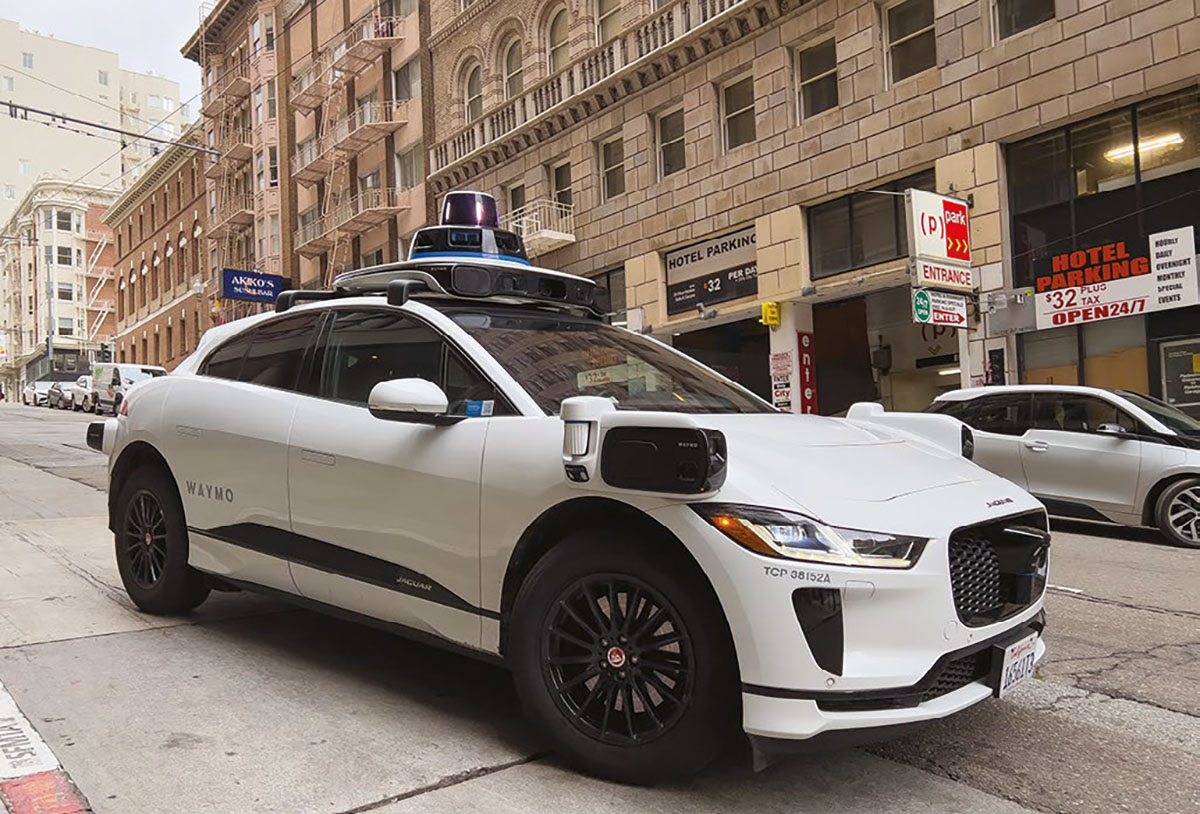
The future showed up in San Francisco, but it wasn’t a grand entrance. Instead, it was a slow stream of futuristic-looking cars driving by, packed with cameras and sensors and that spinning thing on the roof that looks a bit odd – offering a kind of not-quite-finished feel.
Waymo’s robotaxi – which came from Google’s big project to build self-driving cars – promised us a glimpse of the future. And for the most part, it has delivered. But like anything new and ambitious, it hasn’t been completely smooth sailing.
The rides were smooth and feel safe as the car figures out the city’s complicated streets with surprising ease. Getting a ride was simple once I’d set up the Waymo One app, and when my car arrived, my initials even showed up in the light on the roof, and I could unlock it with my phone. Cool.
Inside was relaxing and you could choose your own entertainment. For someone visiting the city, it was a great experience. Plus, you saw Waymos everywhere, so you couldn’t really ignore them – a constant reminder of what the company was trying to do, and something you had to do if you were visiting.
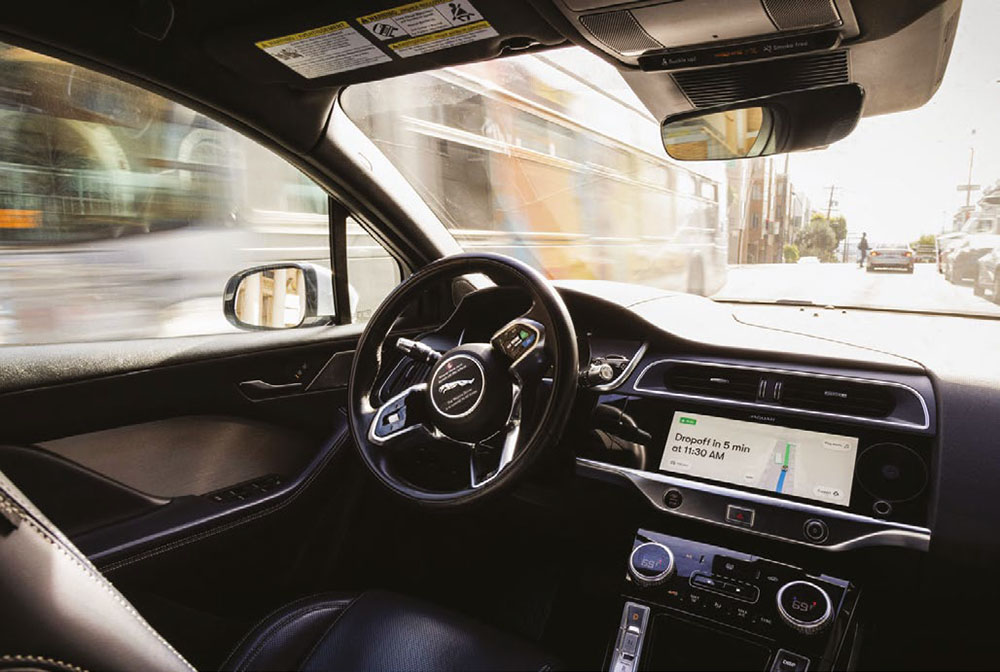
But then came the moments that made you pause, such as the ‘waiting-across-the-street’ problem. Instead of my car just doing a quick U-turn, it turned right onto the really busy Embarcadero, then had to drive about 100m to a traffic light, turn, and finally come back to pick me up. While waiting, four empty Waymos drove past. It was pretty frustrating. This simple situation showed a key problem with self-driving technology: it often struggles with things that a human driver would handle with common sense, which can lead to inefficiency.
And then there were times when the AI’s driving just felt a bit… odd. Safe, yes, but the way it moved sometimes wasn’t as smooth or natural as a human driver. This is sometimes called the “uncanny valley” – that slightly weird feeling you get when something looks or acts almost human, but not quite right. These weren’t major issues, but they were little reminders that this technology, even though it’s amazing, isn’t perfect yet.
So, what does this all mean? Waymo has definitely made progress. The technology works, and people are paying attention. But the ‘across-the-street’ thing and those occasional weird driving moments prove there’s still work to do. Now that they’re operating in three US cities, the teams working on the product will learn a lot about how people really use them.
Waymo has the potential to really change how we get around in cities, but only if they can make the technology more efficient and user-friendly. The future is here, driving on our streets, but it’s still being fine-tuned.
WORDS — ELLIOT CHISHOLM