Poor sleep affects far more than just your energy levels – it touches everything from spinal health and breathing to memory, mood, and long-term wellbeing.
Experts share what’s really going on while you sleep, and how some simple changes could transform the way you rest… and awaken!
NAPS & NUMBERS
- If you fall asleep in under five minutes, you’re likely sleep deprived. Ideally, drifting off should take 10 to 15 minutes.
- In the 17th century, waking in the middle of the night was completely normal. People slept in two segments, divided by an hour or two of alertness used for reading, praying, or socialising.
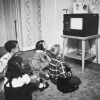
- Today, 75% of us dream in colour – compared to just 15% before colour television! Meanwhile, 24-hour internet access has become one of our greatest sleep distractions.
- Most adults have 4–6 dreams a night, cycling through REM sleep several times. Dreams often last only minutes – and chances are, you’ll forget them by morning.
- Those born blind dream with sounds, smells, and emotions.
- On average, about 33% of our lives are spent in bed.
- Tiredness peaks twice daily – around 2am and 2pm – which is why you tend to feel less alert after lunch.
- A lack of sleep can be as detrimental to your driving skills as drinking alcohol.
- It’s a myth that your body gets used to lack of sleep – while daytime drowsiness may seem to stabilise over time, persistent sleep deprivation continues to hinder decision-making, memory, focus, and creativity.
- Another myth is that that alcohol improves sleep – while a drink or two may help you nod off faster, sleep quality declines considerably, particularly in the second half of the night.
- Sleeping with a light on is not harmless – even with your eyes closed, low light can disrupt your circadian rhythm, increase the risk of waking, cause eye strain, and has even been linked to weight gain.
- No, we don’t eat spiders while we sleep – there’s no evidence spiders willingly crawl into people’s mouths, and in reality, they’re far more likely to run the other way!
- Sea otters hold hands when they sleep so they don’t drift away from each other.