

If most eco-enthusiasts are like the general population, one of their top concerns would likely be the impact of smart devices on the environment. Smartphones, for instance, yield 75kg of carbon dioxide (CO₂) emissions just from their raw material extraction, manufacturing, and transportation to the selling point.
75kg of CO₂ is equivalent to 37-50% of what a plane generates flying from Auckland to Christchurch. It’s also what the average car would emit while driving from Auckland to Wellington.
This average carbon emission excludes emissions from initial use. Since users change phones every 2-3 years, individual smartphone emissions can significantly impact the environment. But, smartphones and digital devices are valuable. They can be used for work, entertainment, chatting, and as a guide for road trips, handy tasks, and more.
But using smartphones for long periods can result in high carbon emissions. To avoid the adverse effects of high amounts of screentime – which range from anxiety to insomnia – and to contribute to reducing global carbon emissions, a digital detox strategy is essential. A wholesome digital detox goes beyond taking a break from smart screens, it also includes looking into carbon-aware ways to optimise our smart screen time.
1. Stream more efficiently
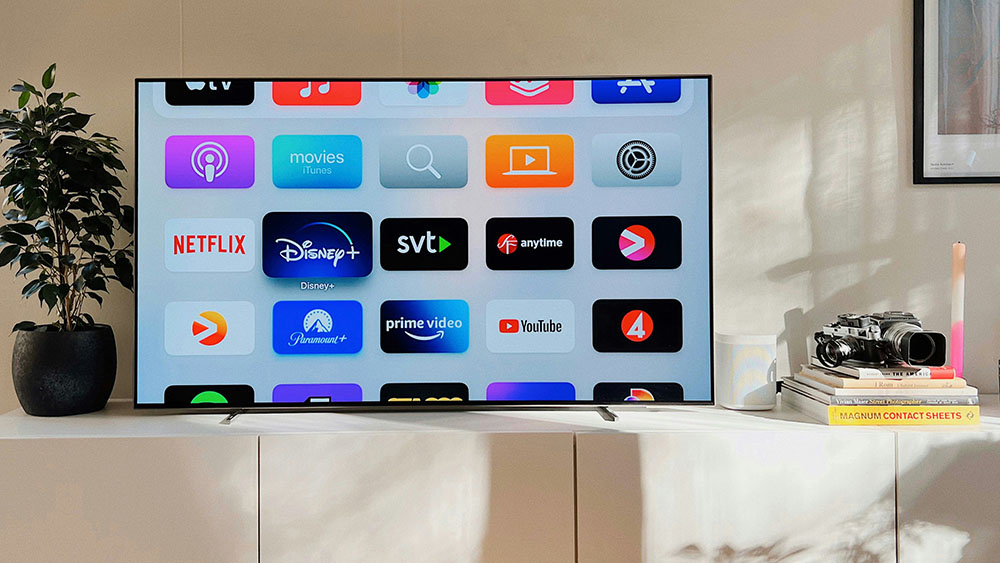
According to a Statista report, the average time consumers spent on online videos per week averaged 19 hours in 2022. Streaming increases energy consumption. And it gets even worse when streaming in HD or 4K. A more eco-friendly approach to streaming while detoxing is to limit binge-watching sessions.
During and after a digital detox, we can cut down on energy use by watching videos in standard definition (SD). One of the issues we may run into when trying to implement this is opening a streaming site only to find that it only offers HD and 4K options. Being intentional about choosing streaming platforms that are committed to green computing can contribute significantly to being a part of those making a difference in the environment.
2. Set up energy-saving measures
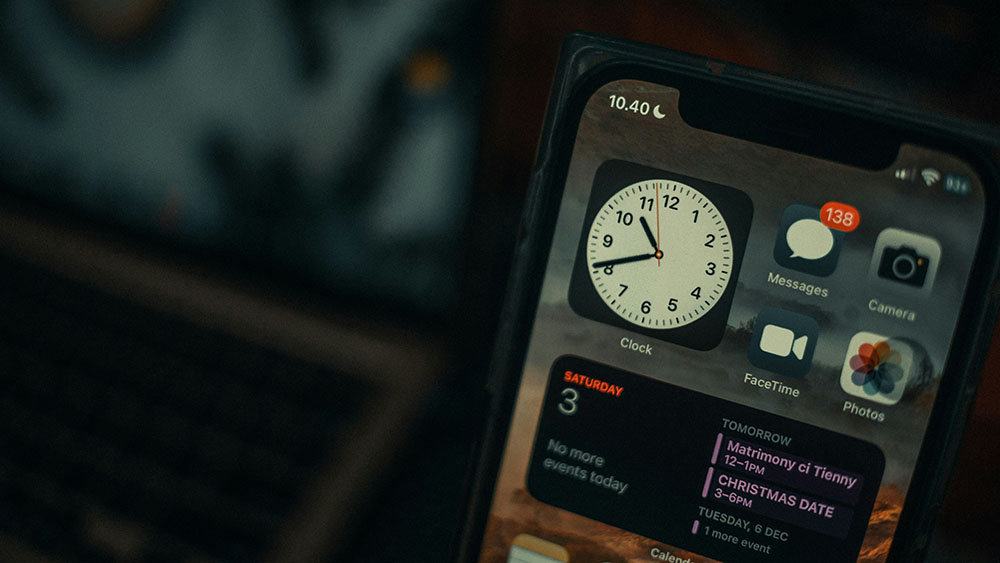
Most of the time, phones are already in hyper mode and rely on high energy usage. Users can change the default settings to energy-efficient ones by making small adjustments. Starting by switching on power-saving mode is recommended. This will automatically adjust screen brightness and stop several background app activities.
Next, accessing the digital wellbeing app provides insights about the apps people spend the most time on and how long they spend on those apps. This will help users decide how they want to adjust their screen time:
- If the device is Android, navigating to the Digital Wellbeing and Parental Control bar in the settings app allows users to set a daily screen time limit or customise the timer to apply to as many apps as desired.
- For iOS users, screen time usage can be adjusted directly under screen time settings. Daily screen time limits can be set by app, or downtime can be enabled to block selected apps.
Finally, conducting a digital declutter is important. The focus should be on removing apps and games that are rarely used. For those used to accumulating notifications from every single app on their phone, it’s time to make a change. Switching off notifications on less important apps reduces power and data consumption. Making it a regular practice to clear the cache helps free up active storage space.
3. Replace screen time with eco-friendly hobbies
Digital detoxing should take you off your smart screens. While you may not be entirely offline, taking measures to reduce things that can trigger higher screen time is essential.
Consider unfollowing or muting social media accounts that don’t bring you joy, and try to limit the social networks you’re actively engaging with. This small step can make your online experience more positive and enjoyable. Social media may make you feel seen and heard, but nothing compares to actual, real-life connections.

4. Go Green
Many experts also suggest a switch in screen time to green time, which basically means spending more time outdoors. There are several eco hobbies for people to explore, such as gardening, hiking, and even seeking out more sustainable products for skincare.
Apart from the personal upliftment that comes with this, there are also many social benefits that come with taking breaks from the online world. Go green today!