
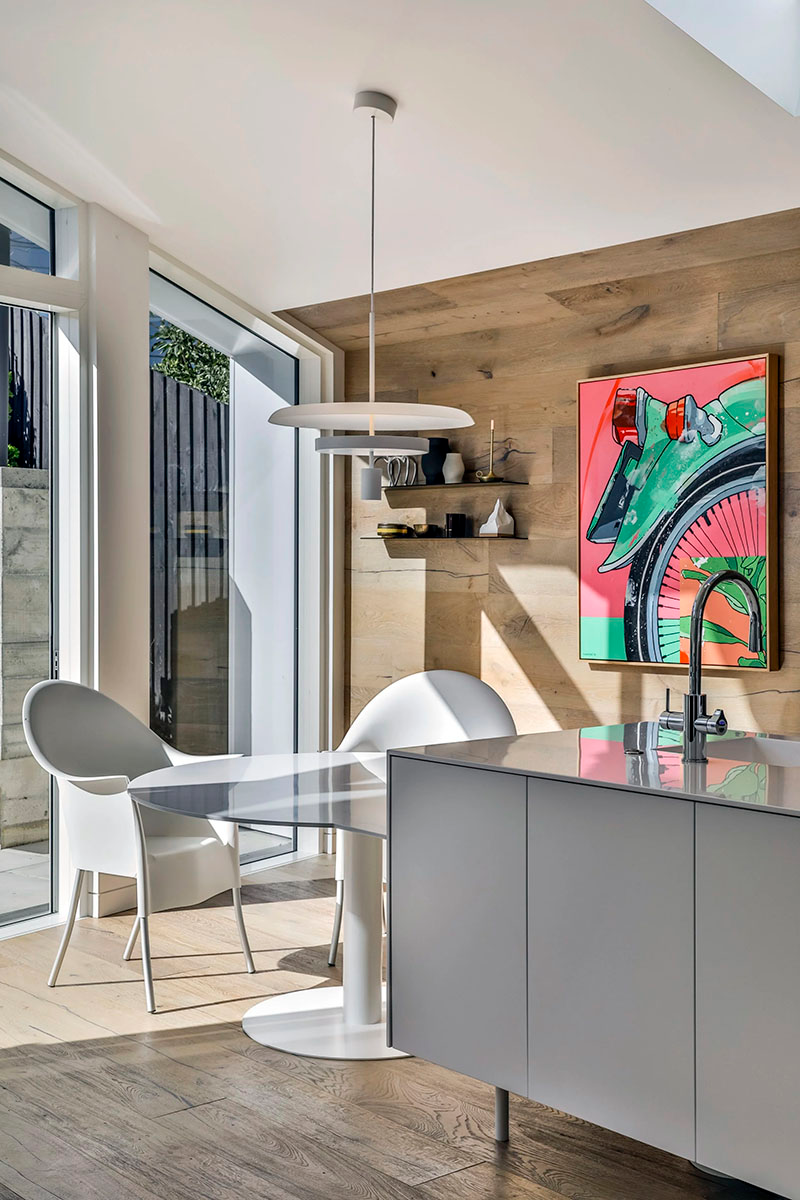
Architecture design is the brief.
For me, the client’s brief is all important and is critical in obtaining a good result.
Architects are only as good as the client allows. A thoughtful and honest client brief will get us closer to your desired house.
The budget is part of the brief but not the main item. It helps to determine house size, finishes and construction methodology. But let’s face it, the budget is never big enough for the wish list. What is important is what the client wants out of the house, how they want to live in it.
When we ask clients what they want they can only tell us what they know or have experienced. What they have experienced is usually living in an existing house and they have had to adapt to that house and its oddities. With a new house, it can be adapted to your desired lifestyle.
My job is to challenge the client’s brief where necessary and offer alternatives.
For example, changing from a series of rooms to open plan can make the house feel bigger while having a smaller footprint.
When a client is uncertain of what they want, I ask them what they don’t want. One client said he didn’t want the same house as his friends. He said at dinner parties when he came out of the bathroom, he doesn’t know whose house he is in as they all looked the same.
A great brief.
The brief usually starts with the big-ticket items such as number of bedrooms, bathrooms, living areas, together with their lifestyle. Are they entertainers? Do they have a hobby? Are they relaxed or formal?
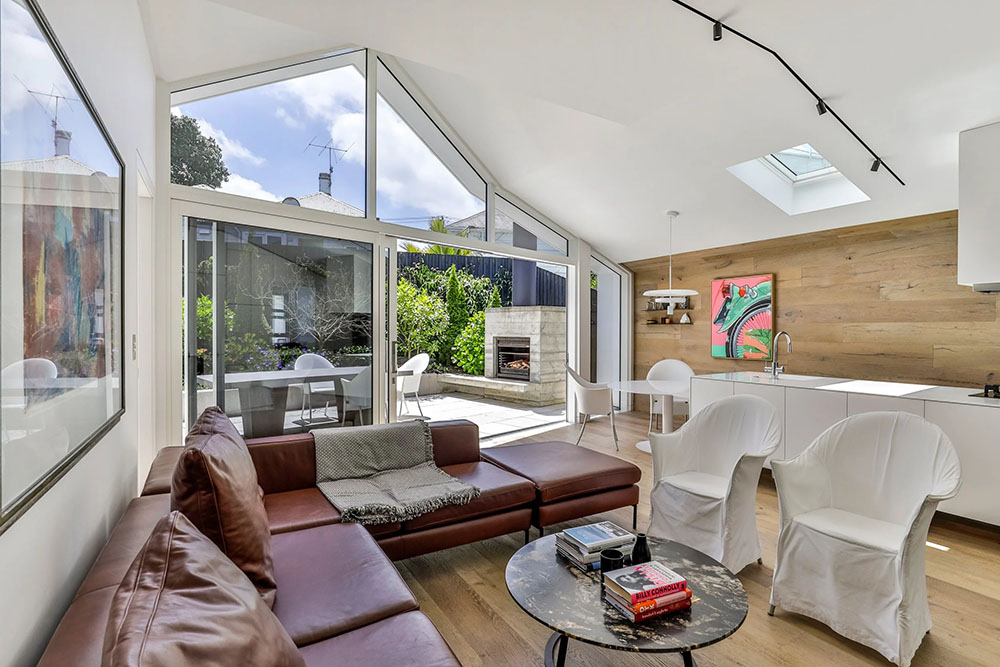
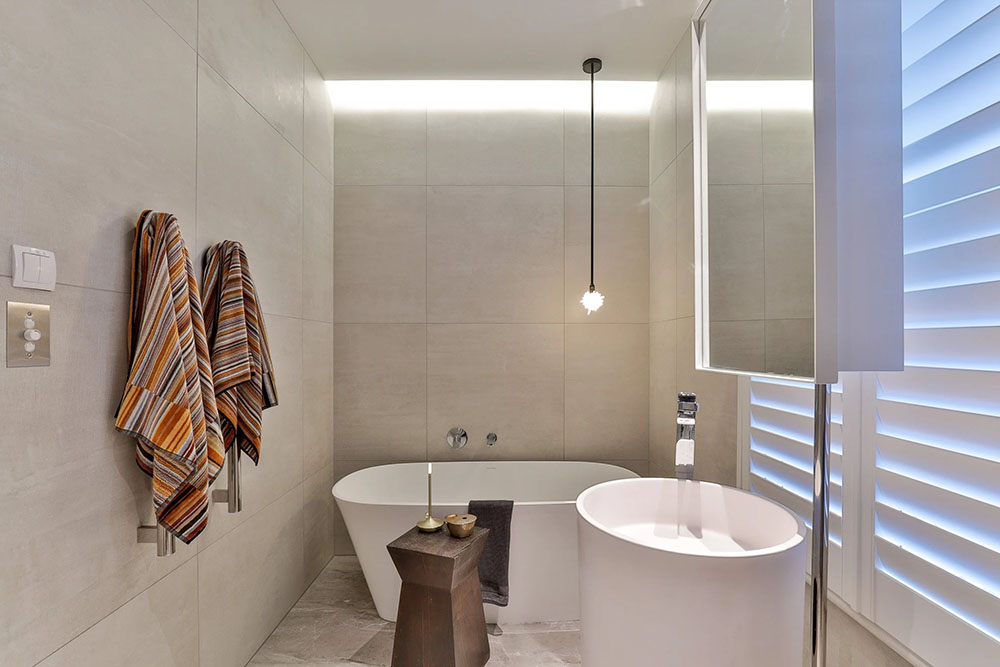
As the brief develops it’s the size of the bedrooms, the number of ensuites, the ceiling heights, etc.
One of my client’s parents and extended family stayed with them often. The brief was for a generous guest suite but to be located as far away as possible from the main family living areas. The nuclear family wanted privacy.
The brief gets influenced by the children who want a swimming pool. Followed by extended family, “you must have a scullery”, followed by friends. Friends may not suggest anything, but you may notice for the first time, their houses. Then there is social media, magazines and TV programmes.
Finally, the client will consider what the next owner might want and that one I shut down quickly. We aren’t designing for the next owner, we are designing for you.
The one influence on the brief to ignore is your neighbours. They always want to have their say, which is don’t change anything.
I enjoy clients bringing me images of things they like. It usually isn’t obvious what they like in the image but after discussion it could be a feeling, a colour, an object. All helpful.
If you are going through the joy and pain of a new house or alteration, a good brief will get you closer to the house you wanted or didn’t know you wanted and the budget allowed.
A good brief makes the house yours.
paul@leuschkekahn.co.nz | 021 894 895 | leuschkekahn.co.nz