

The romantic Hoi An, a Unesco World Heritage Site nestled on a tributary of the Thu Bon River in Central Vietnam, enchants visitors with its evocative lantern-lit streets and perfectly preserved historic architecture.
Once a thriving small-scale trading port, the town exchanged goods with merchants from across Asia and beyond. Such cosmopolitan connections left a deep imprint on the town, as indigenous Vietnamese traditions blended first with Chinese and Japanese influences, and then European ones to produce an urban culture found nowhere else.
Today the old town preserves a cohesive complex of more than 1,100 timber-framed buildings. Open markets, ferry quays, pagodas, and family homes sit side by side.
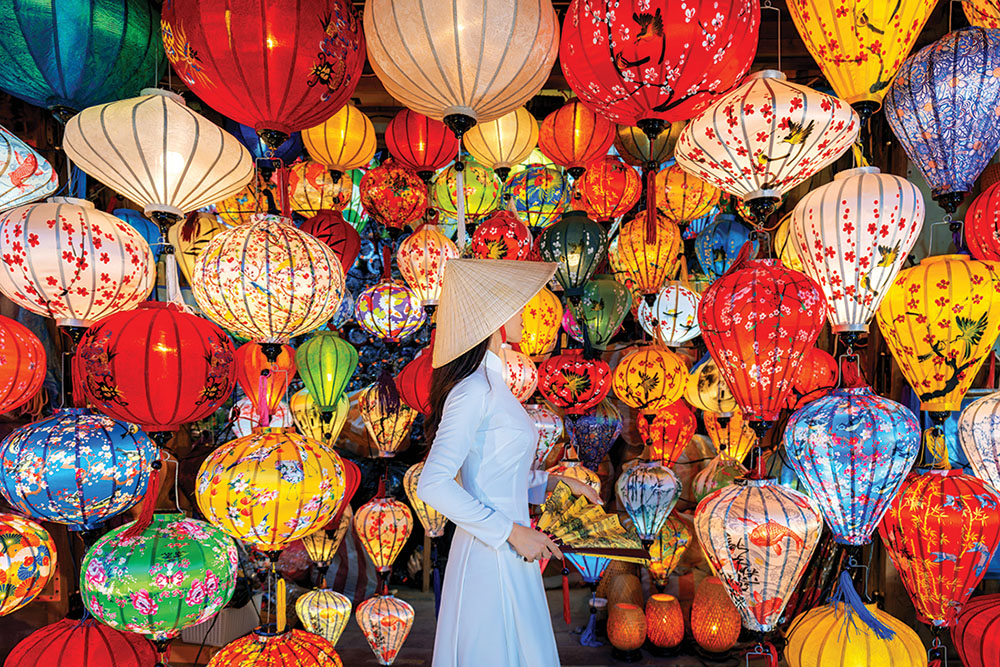
And while most will first think of the likes of London’s Savile Row, or the Via del Corso in Rome when it comes to bespoke clothing, it is Hoi An that is the tailoring capital of the world.
That reputation was born from Hoi An being a vital stop on the Maritime Silk Road, the great sea route linking Asia and the Mediterranean. From the 16th through to the 19th centuries, merchants from China, Japan, and Europe converged here, bringing with them a wealth of fabrics, patterns, and techniques that local artisans absorbed and made their own.
That heritage lives on in the 200 or so tailor shops that today line the old streets. Skilled artisans can transform fabric into a tailored suit, ball gown, or a winter coat in anything from a few hours to a few days. Whether visiting Vietnam on a shoestring, or a luxurious trip of a lifetime, an appointment with one of the port’s highly skilled tailors is an absolute must do.