
From steaming, spiced chai on chaotic street corners to barbershops beneath banyan trees, decorated trucks, and legendary trains and buildings, India’s daily life and landscapes pulsate with colour, craftsmanship, and centuries of tradition.
ANCIENT ARCHITECTURE
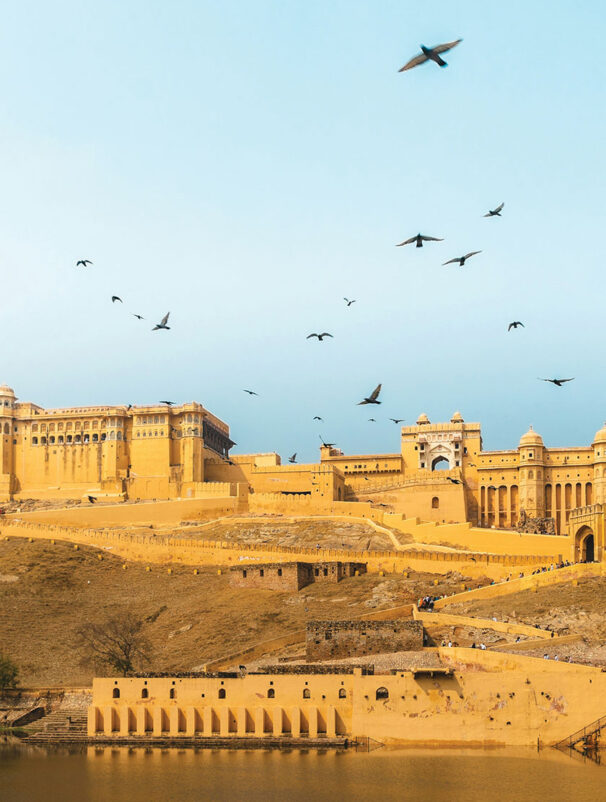
India brims with architectural masterpieces that trace the country’s cultural tapestry. The most famous is undoubtedly the Taj Mahal, Agra’s fabled marble icon of love. In the “Pink City” of Jaipur, the Hawa Mahal is a star attraction, the palace’s facade of oriel windows once allowing royal ladies private views of festivals below, while the nearby Amer Fort combines Hindu and Mughal styles with mirrored halls and grand courtyards.
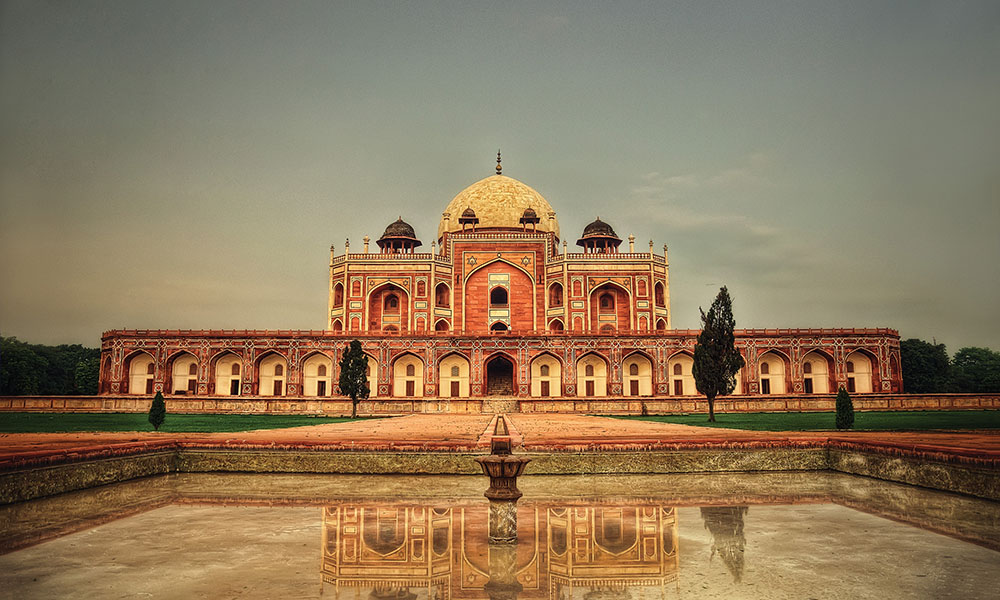
Delhi’s Qutub Minar – the world’s tallest brick minaret – and Humayun’s Tomb – India’s first garden-tomb – both herald Mughal architectural innovations. India Gate, also in Delhi, is a colonial-era war memorial of imposing grandeur, while Odisha’s Konark Sun Temple, a celestial chariot, embodies myth, stone, and scale.
TEA OFF
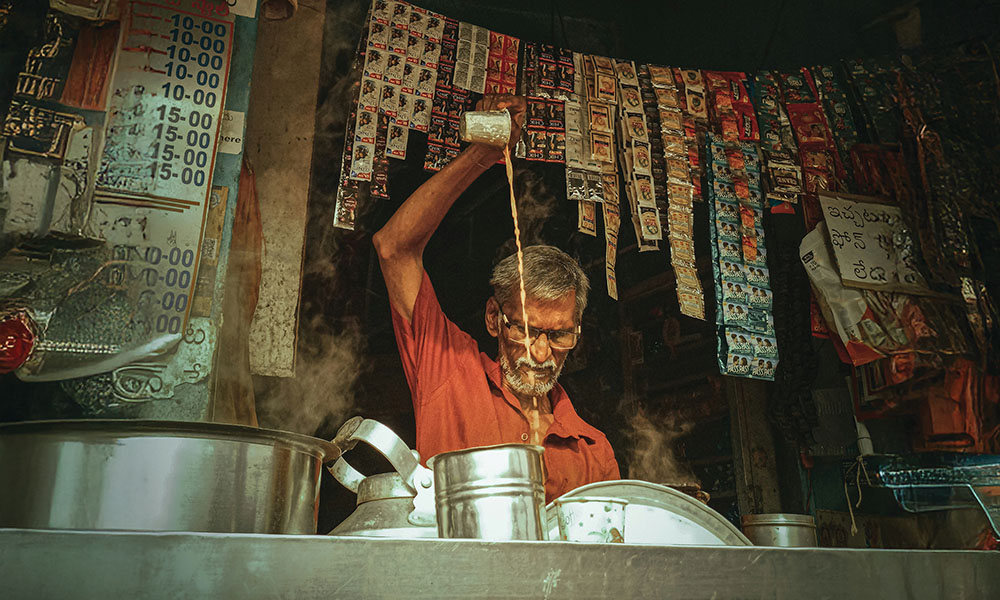
Enjoyed on bustling street corners, at busy train platforms, in idyllic gardens, and everywhere in between, tea is woven into every-day life in India. The country consumes around 800,000 tonnes annually, and only China exports more. Though the industry as its known today began under British colonial rule, herbal tea has been tied to Ayurveda since antiquity. Over generations, Indians have put their own spin on the brew, infusing it with milk, sugar, and spices like cardamom, ginger, pepper, and cloves, and serving it even in earthen kulhars (small clay pots).
Iconic tea-regions like Assam, Darjeeling, and the Kangra Valley each offer unique flavours shaped by altitude, climate, and tradition. Visiting the estates lets travellers see tea’s journey – from bush to cup – and savour it alongside local snacks, hospitality, and sweeping landscapes!
TRUCK ART
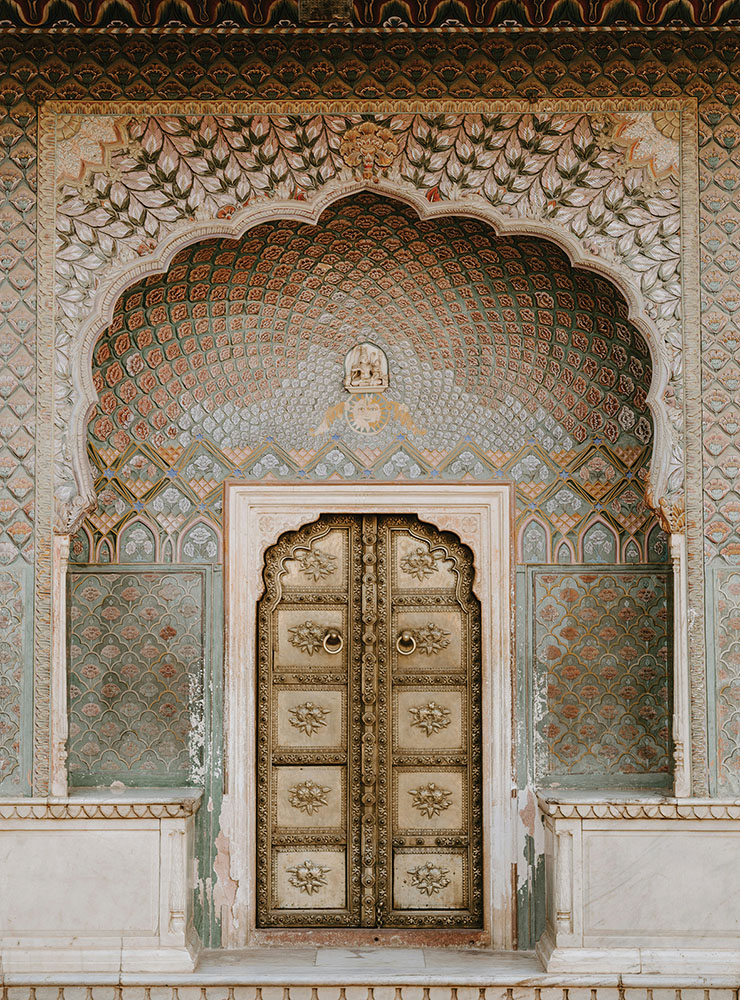
Across India – and the wider South Asia region – decorated trucks are far more than freight carriers; they’re personal, moving works of art. Often travelling hundreds of kilometres a day and spending months away from home, drivers transform their trucks into dulhans (brides), lavishing them with tassels, mirrors, fabrics and pompoms. In the city of Indore, for instance, interiors are often as vibrant as wedding chambers, bursting with colour and pattern, while in Jaipur, the artwork becomes a visual autobiography, reflecting faith, humour, and dreams. In Jodhpur, the influence of cinema billboards, pop art and psychedelia often fill every available inch of metal with imagery. Whatever the region, the decorated truck remains a rolling expression of its driver’s pride, identity and imagination.
TRAINS OF THOUGHT
India’s railways are the stuff of legend, weaving through mountains, jungles, deserts and coasts. The Unesco-listed Darjeeling Himalayan Railway climbs through misty tea gardens and colonial hill stations, while the Kalka–Shimla Express – another Unesco site – winds past deep valleys and pine forests into the Himalayan foothills. Along the west coast, the Goa Express reveals waterf;alls and lush jungle as it skirts the Arabian Sea and the Western Ghats.
For grandeur, few compare to Rajasthan’s Palace on Wheels, where guests dine and sleep like maharajas aboard vintage coaches bound for Jaipur and Jaisalmer. Whether aboard a luxury liner or a rattling narrow-gauge carriage, India’s trains perfectly capture the country’s contrasts, each line offering not just a journey through place, but through India’s living history.
WILD INDIA
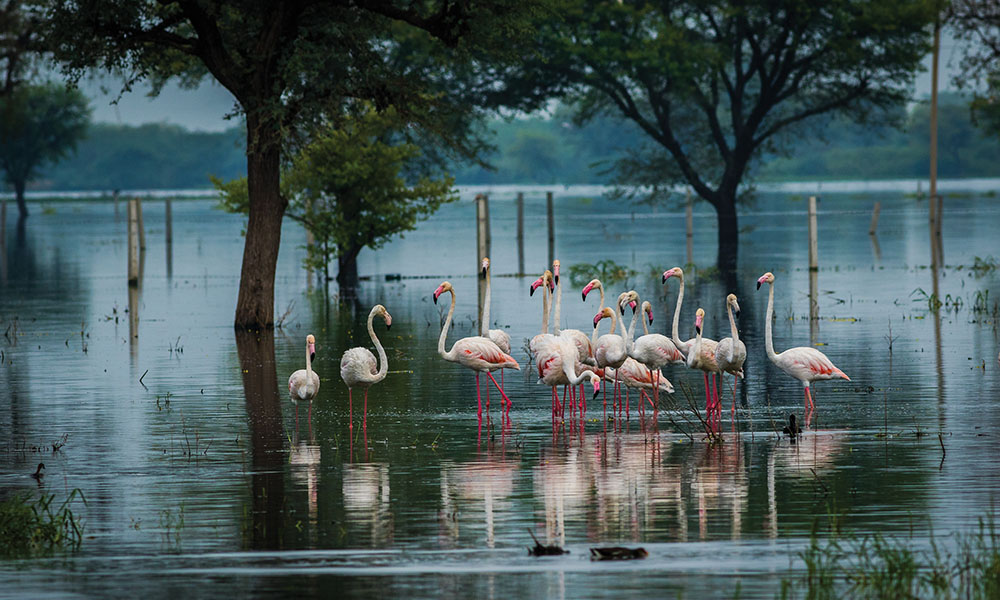
India offers some of the world’s most unforgettable wildlife encounters. In Assam’s Kaziranga National Park, grasslands and marshes shelter the majority of the world’s greater one-horned rhinoceros, along with swamp deer, wild water buffalo, and more. Nagarahole in Karnataka combines dense jungle, bamboo thickets, and rivers prowled by tigers, elephants and aquatic birds. In Rajasthan, Keoladeo National Park is a compact haven for migratory waterfowl, hosting species from Siberia and Central Asia during winter. For high-altitude wonders, Hemis National Park in Ladakh is among the very best places to glimpse elusive snow leopards.
HAIR RAISING
Indian barbershops are far more than places for a haircut – they’re community hubs and spaces that offer a social refuge. Unemployed and young men frequent them, not always for grooming, but for the companionship and conversation. On nearly every busy street corner in India, you’ll find a barbershop or stall of some kind – sometimes just a single chair placed under the shade of a tree, a broken mirror propped against a wall, a few basic tools, and plenty of stories.