
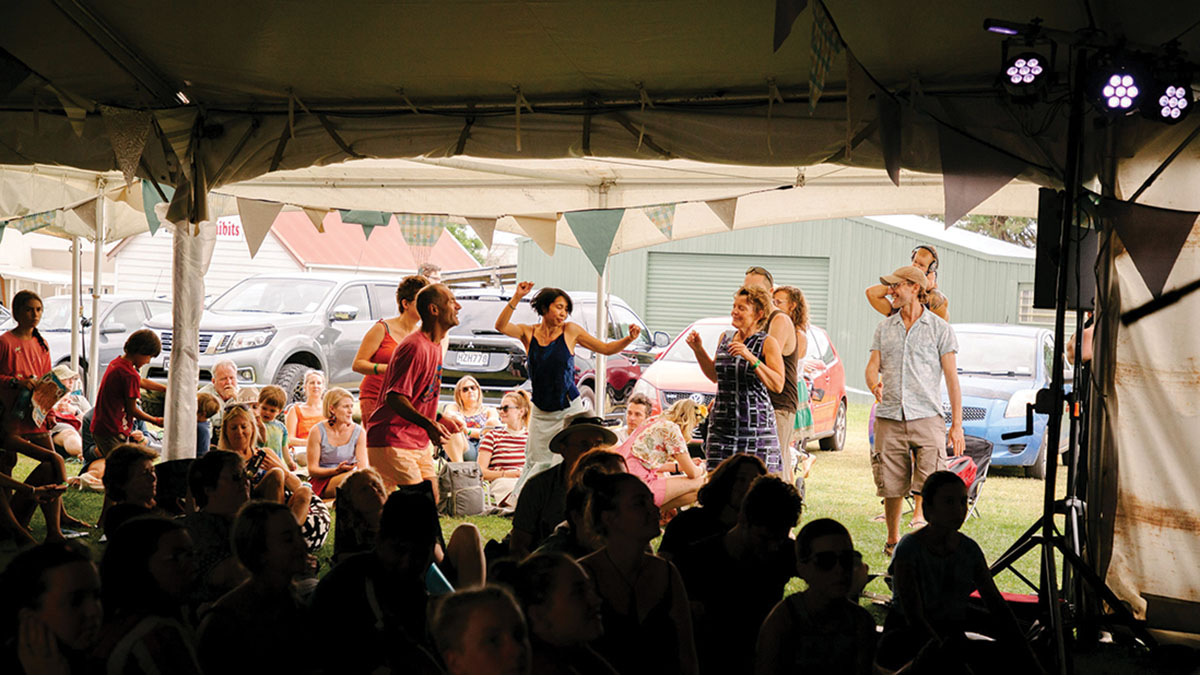
Ahead of the Auckland Folk Festival – the largest of its kind in the country – held over three days across the Auckland anniversary weekend, Verve chats with two of the acts: Butter Wouldn’t Melt, and Hinekoia Tomlinson.
Butter Wouldn’t Melt
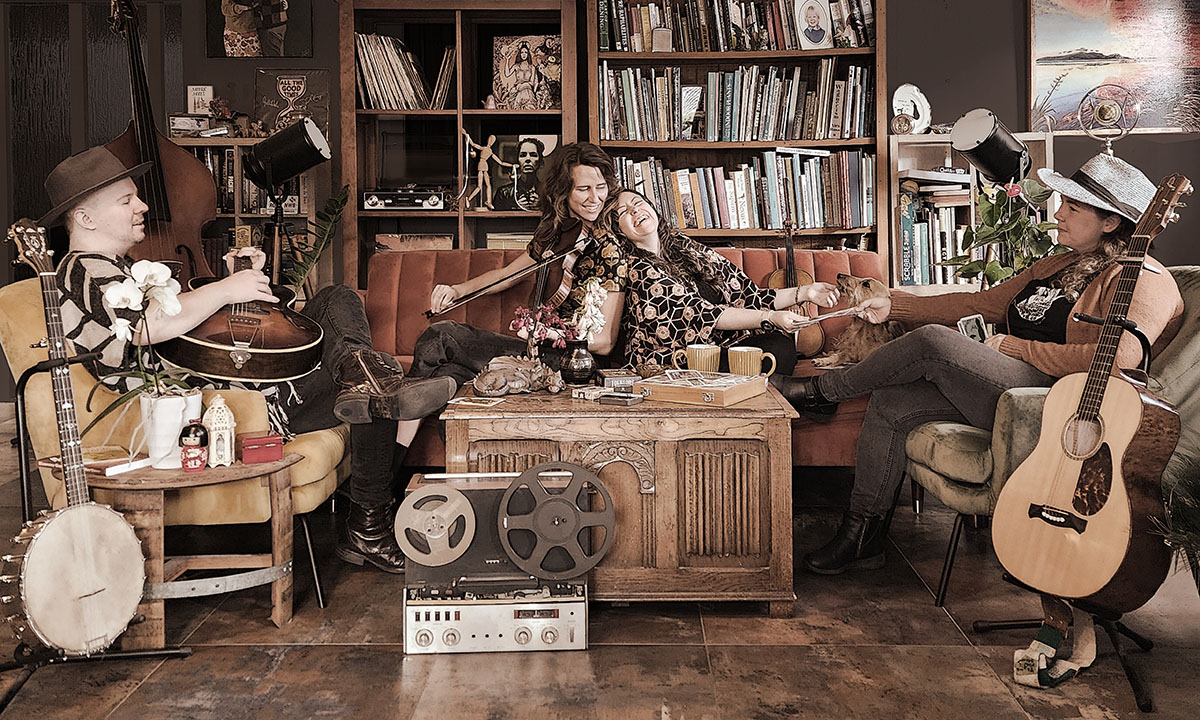
You’re described as having a “a New Zealand flavour” – what does this mean to you musically, and how do you balance the roots of those genres with your local identity?
Andrea: For us, the New Zealand flavour shows up in the stories we tell. We draw on both NZ and American traditions combining the cultures of our band members, combining influences from our history, our landscapes, and the places we grew up, all shaping the tone and imagery of our songs.
Cara: A “New Zealand flavour” in our music tells tales of things that have happened in this country’s history, and we combine these stories with Americana roots to merge the sounds and styles that we grew up listening to and feel inspired by – as both places are home to me!
Marz: For me, it means being authentic to the experiences that have shaped me growing up here. Nick writes songs that evoke such vivid and familiar images of home, and it’s through the stories, landmarks, histories just as much as it is through the music we grew up singing.
Mikey: To me a New Zealand flavour means being inspired by our experiences in Aotearoa to write and share music that pays tribute to that. There tends to be a bit of crossover between the roots of those two trees as well.
Nick: The setting is important, a character of its own. It’s the one character that is not universal in folk music. It’s distinctly American, or British or whatever. The mountains are blue, they’re Appalachian, the trees are redwoods and oaks and pines. So, no matter how much you can relate to the people and their stories, they’re kind of alien at the same time. We wanted our own Aotearoa character in our stories, full of ferns and kōwhai. That’s part of what we mean by a New Zealand flavour.
Your upcoming album Where the Roots Grow Deep is the first part of a two-part project, with Beneath the Stars Above due early in 2026. What led you to organise your work in this two-part structure?
Andrea: The songs naturally fell into two groupings. Where the Roots Grow Deep is about grounding, honouring history and where we come from – identity, home, memory, the things that anchor you even when life shifts around you. But as we kept writing, we realised there was another set of songs looking upwards; looking forward into the future, the uncertain, the dreams, the moments when you’re reaching beyond what you know.
Cara: We want our albums to unfold as a story going up the sunny side of the mountain, and reveal the learnings of the other side – the shadowed side, the side that is “beneath the stars above”.
Marz: Thematically, I think it’s awesome, giving us structure but also creative freedom to explore how the halves connect. For me, the first half is about the roots; we are writing for our local histories and for the genres that inspired us. Beneath the Stars Above is, I think, about finding our place and identity in relation to the histories and influences that have shaped us.
Mikey: Stage 1: Line ‘em up Stage 2: knock ‘em down!
Nick: When we started the process, we found that we had some quite distinctly different sounds coming through. This is probably because when we recorded Where the Roots Grow Deep, our band was still being formed, it was still figuring out who it wanted to be. So instead of fighting it we decided to embrace that difference. We started thinking light and dark, Jungian type stuff. We drew some concept art, a world above, a world below. That kind of thing. Where the Roots Grow Deep has a lot more of our inspirations in it and Beneath the Stars Above is more of the unique sound that our band has grown together.
You’re also described as a true DIY band – what have been the biggest challenges and rewards of taking that fully independent route in today’s music environment?
Andrea: The biggest challenge is that everything is on our plate: recording, mixing, album art, promo, tour planning, merch, design, socials – and all of this around full-time day jobs.
Cara: Being a DIY band means late nights of working things out, hand-printing shirts, working through things with trial and error, and it helps that we are all really crafty and want to share all of our creativity as a band!
Marz: It’s been an amazing learning experience! And heaps of very hard work. There’s just so much involved in making a project like this come together, hold together, and succeed.
Mikey: It’s very rewarding getting to learn by doing, hopefully gaining the skills and the finished product in the process. Also, DIY-band-outfit craft sessions are a reward unto themselves.
Nick: When it comes to DIY recording, it’s all such a steep learning curve and the biggest challenge we’ve had is not having any real benchmark for success. When you go into a studio, you get what you’re given and there’s a bit of tweaking but mostly you’re relying on other people to tell you what you sound like. When you’re doing it all yourself it can be really hard to know if you’re making the right decisions, or if you’re ruining a good raw product with your own amateur recording and mixing. Early on, we actually paid a professional to mix our previous record because of that fear, and comparing what came back to what we had done ourselves gave us the confidence to try. The biggest reward has been the freedom to spend whatever time we feel we need in front of the microphones, though eventually self-imposed deadlines always come up.
How do you collaborate in the songwriting and arranging process to ensure each voice and instrument finds its space?
Andrea: We work a lot by feel. If something’s not serving, it doesn’t stay. We try arrangements in different combinations until it clicks. There’s a lot of trust involved, and a lot of laughing, experimenting, and sometimes dismantling a song to rebuild it better.
Cara: Our collaboration in songwriting is usually from a late-night practice or jam when we are in a creative flow! Someone will feed Nick an idea or a phrase, and he will turn it into a meaningful, accessible story, Andrea will layer it with rich harmonies, and Marz, Michael, and I weave together instrumental depth that help bring the point of the song home.
Marz: I think it changed a lot throughout the process, kind of depending on the song, but also as we have grown as a band, and as friends.
Mikey: Listen, dream and record lots of voice memos!
Nick: We are blessed in that nobody in our band is afraid to say when they’re not feeling it. It’s an open floor and usually if someone thinks they’re not adding a whole lot to the song they’re quick to point it out and we put multiple minds to it. Sometimes that means more or less from other instruments, it’s very much about the collective sound.
What can audiences expect from your performance at the Auckland Folk Festival, and what are you most excited about?
Andrea: We are excited to share songs from our latest album, while also giving a sneak preview of Beneath the Stars Above. Audiences can expect a swell of harmonies, a bit of foot-stomping fun-time energy, songs that take you back in time, and a whole new side of Butter Wouldn’t Melt that you haven’t seen yet! We also will be showing off our new band member Mikey, who’s mad mandolin skills glue our sound together, with an energy and vibe to match!
Cara: Get ready Auckland Folk Festival! We expect to take you on an emotional journey ranging from high energy with driving rhythms to sweet and meaningful harmonies and instrumentals, stories that will pull your heartstrings and are so excited to share with you a whole lot of new material that will bring the crowd together.
Marz: Getting Michael on mandolin has completed the party. We bring such a dynamic energy to our performances. It’s fun. We’ll play some old songs and some new songs – a great preview of the two-part album experience!
Mikey: A really tight band! Most excited to jam with everyone at AFF and play our show!
Nick: We play around a single mic, so expect a tight group with big energy, musicians feeding off each other, lots of smiles. We absolutely love playing together and that definitely comes through on stage. Looking forward to the pipi pickers tent! If we’re not at a concert you can probably find us there.
Hinekoia Tomlinson
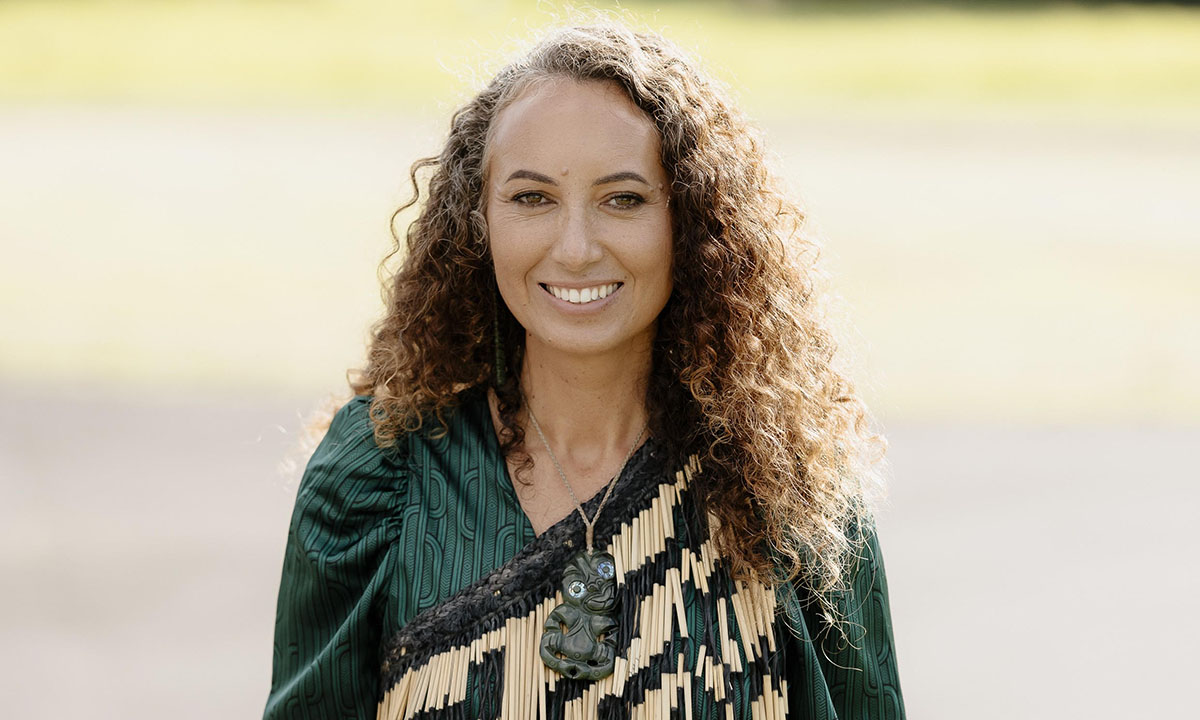
You’re described as a “voice nerd”, who combines vocal coaching with te ao Māori. What triggered that union?
I’m definitely a self-proclaimed ‘voice nerd’ because I love understanding how the voice works! I have a qualification in voice science and have made it my mission to bust as many vocal myths as possible. About 10 years ago, I joined a kapa haka group as a way to learn te reo and reconnect with my Māori whakapapa, and that’s where I was able to combine my passion for voice within a te ao Māori context.
I also understand why the voice gets hoarse and this is a big issue in kapa haka, so voice science and vocal knowledge can genuinely support the learning journey for kaihaka. There are such huge demands placed on the voice in competitive kapa haka, and I’m passionate about helping performers keep their voices healthy while meeting all those demands.
With more than 20 years of experience, and as one of only four Estill Master Trainers in Aotearoa, you bring a unique scientific approach to voice. How does your coaching shape your creative process as an artist, and vice versa?
All of my coaching is filtered through a voice-science lens, and for me, that creates the ultimate freedom to play with my voice. Before Estill, I couldn’t belt but through my training I learned the setup for an efficient belt, and now it’s something I can access easily.
Scientific understanding creates creativity rather than restricting it. When you understand how the voice works, you suddenly have more options, you can learn to do new things with your voice, test boundaries, increase your range, and play with breath. All of these elements directly inform artistry. Voice science has opened doors to vocal expression that I simply couldn’t figure out on my own.
What can attendees expect from your workshop sessions, and how do you hope the festival environment adds something different compared to your studio?
You’ll get all my top pronunciation hacks for te reo Māori the ones I wish I’d had when I first started learning! This means people can jump straight into singing waiata with confidence because they understand the sound world they’re working in. And we’re absolutely going to have fun. I’ll be doing action songs, getting everyone involved, and creating that sense of collective joy.
There is such openness, energy, and shared joy in a festival setting, and I’m really looking forward to tapping into that collective wairua during my workshop. There’s nothing quite like singing together, outside, on a beautiful summer’s day in Aotearoa.
Your heritage spans Ngāti Hine, Whakatōhea and Ngāti Makerewai. How do these connections inform your art and teaching?
My whakapapa gives me the foundation for everything I do. Central to my mahi is aroha, and creating the kind of world I want to inhabit. Manaakitanga is also huge for me, looking after people deeply influences the way I hold space for learners. I always aim to create safe, happy places, because when someone feels valued, connected and safe, they can truly learn.
For me, that looks like everyone feeling confident to use their voice Māori mā, tauiwi mā, pakeke mā, tamariki mā, all coming together to sing waiata.
Looking ahead, what are you excited to explore next as a performer or vocal coach? Any projects you’d like to share?
Yes, and this is hot off the press! I’m currently developing a new course called Waiata 101 – For Anyone, which focuses on teaching people to sing waiata with confidence. I want to break down the barriers that stop people from learning to sing, and open up the amazing world of waiata to them. And it really is for anyone.
The course will be a combination of pre-recorded videos and live Zoom masterclasses. A few special features include my top hacks for te reo Māori pronunciation and access to a wide range of waiata resources. It’s due to launch in February 2026, and people can head to my website to join the waitlist. I’m really excited to create something accessible that helps people feel at home in their voices.