
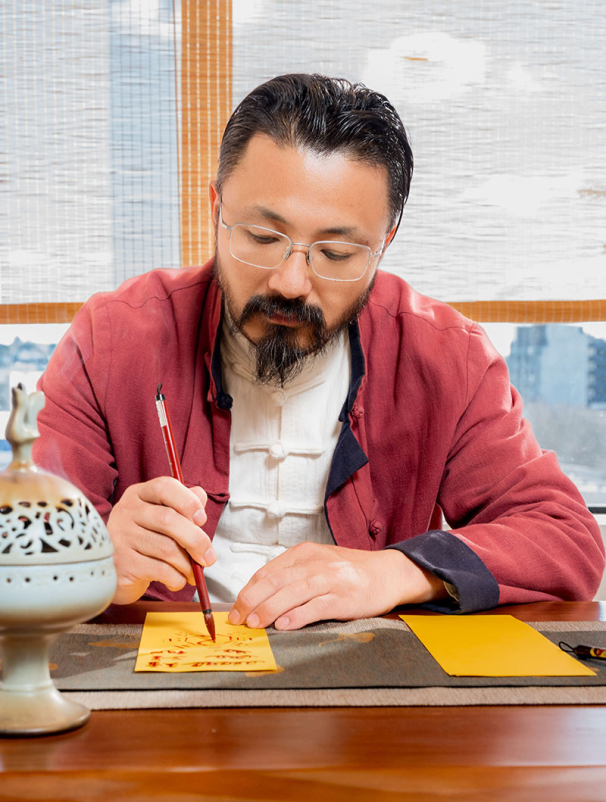
There’s a reason some homes feel instantly grounding.
Not because they’re immaculate or architect designed, but because they feel easy. The layout flows. The rooms support how people actually live. The space feels considered rather than crowded.
According to feng shui expert Master You, that’s what good feng shui looks like in a modern Kiwi home.
“It’s calm, practical and easy to live in,” he explains. “A home that supports daily life and relationships, with enough movement to feel alive, but without constant stress or disruption.”
As more New Zealanders rethink how their homes function, feng shui is shifting from something mystical to something practical. Less about lucky charms. More about layout, movement, and emotional impact.
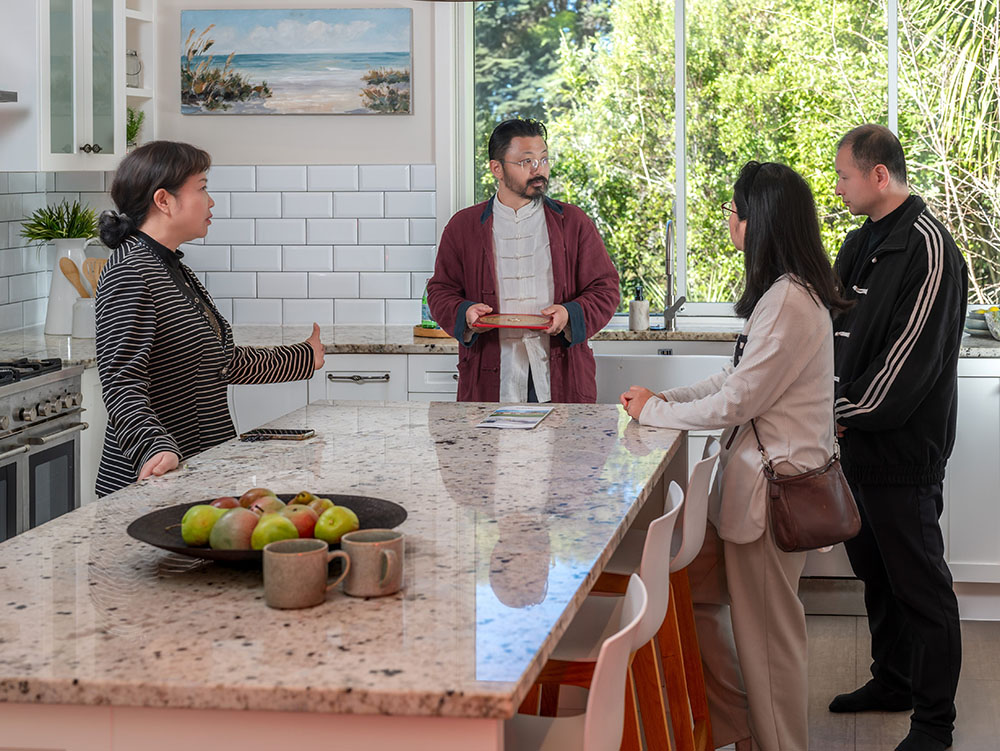
It starts with people, not objects
One of the biggest misconceptions, says Master You, is that feng shui is about superstition.
“In reality, it’s about understanding how space affects people and making thoughtful, practical decisions about layout and everyday living.”
The way a home is arranged shapes how families move, interact and rest.
“Cramped or chaotic spaces can create ongoing stress, while clear and balanced layouts support calmness, communication and stronger family connection.”
That influence is often subtle, but constant.
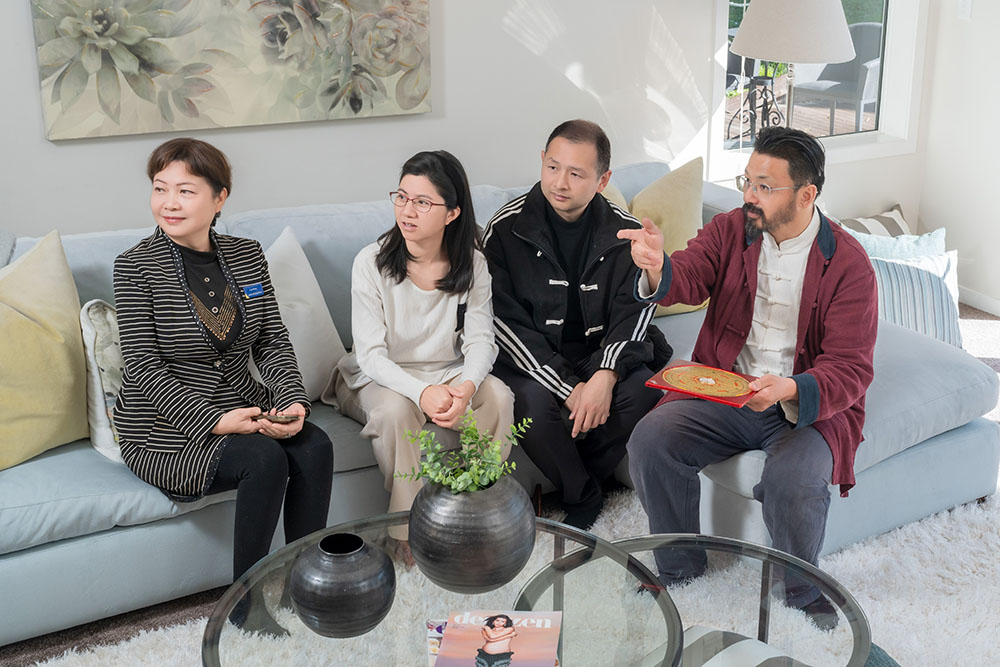
Why small shifts change everything
In a culture that often equates better living with renovation, feng shui offers a different perspective.
“Small daily details shape immediate habits and emotions,” says Master You. “Because we interact with these details every day, their impact is often felt more strongly and more quickly.”
Clearing surfaces. Improving flow between furniture. Giving each room a defined purpose.
It’s less about redoing a space and more about refining it.
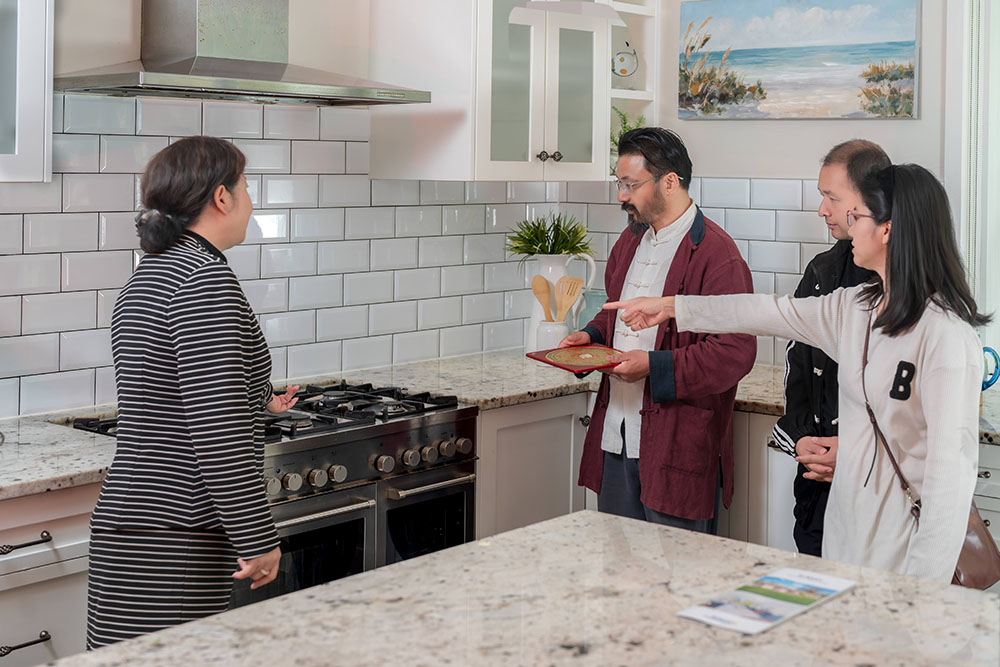
The role of shared spaces
Kitchens and living rooms carry the emotional tone of a household.
“Shared spaces influence everyone in the household,” Master You explains. “They shape interaction, rhythm and emotional balance.”
When these areas feel open and considered, daily life tends to feel more balanced too.
Why miniature homes make sense
Interestingly, one of the simplest ways to understand how space works is to shrink it down.
“Miniature homes help people see space as a whole,” says Master You. “When layouts are simplified, it becomes easier to understand how different areas relate to each other and how design choices affect everyday living.”
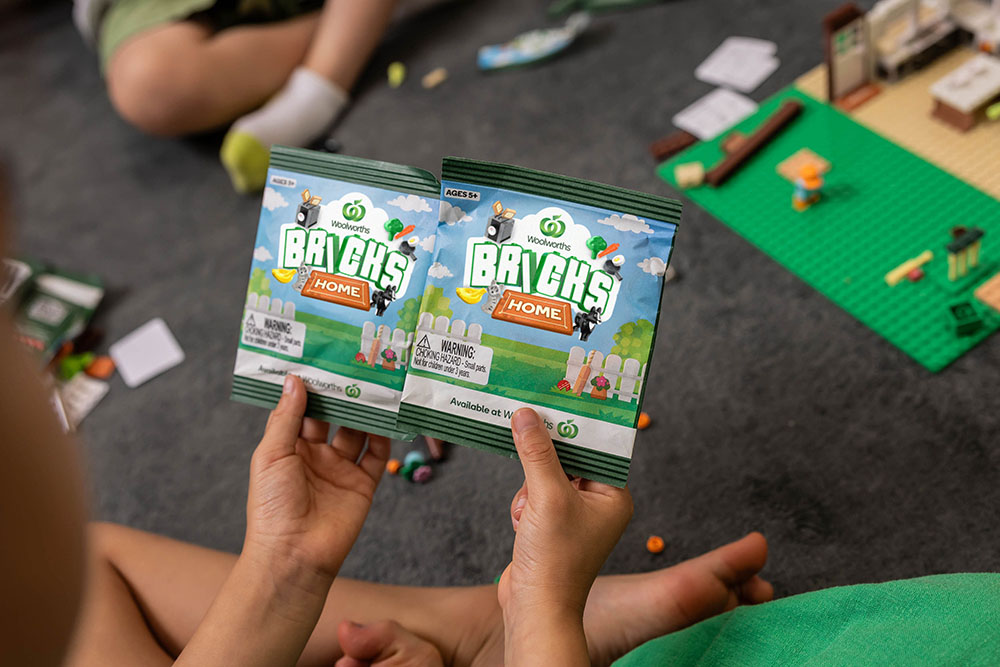
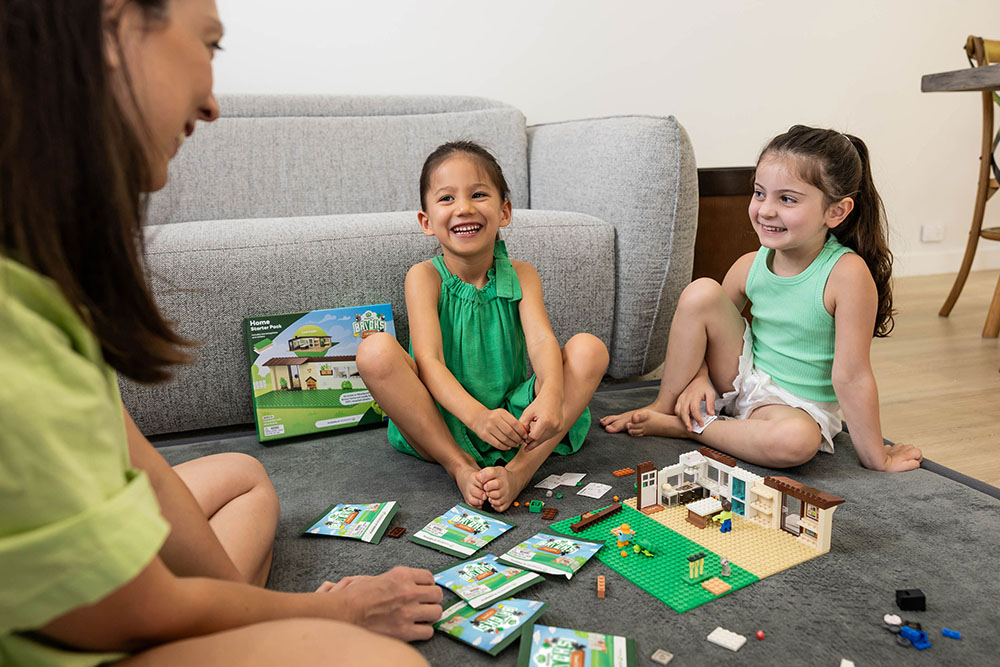
That thinking aligns naturally with Woolworths NZ’s current Bricks Home collection, which centres on miniature home environments. With walls, doors, shelves and baseplates to build and reconfigure, the sets invite families to think about layout, connection and flow through play.
Rather than adding chaos, playful elements can support wellbeing when they’re balanced and intentional.
“Playful elements add warmth and personality,” Master You says. “When they’re balanced and thoughtfully placed, they support emotional wellbeing rather than creating distraction or chaos.”
In that sense, the collection becomes more than a collectible. It reflects a broader conversation about how we design the spaces we live in, and how those spaces shape us in return.
One simple reset
For those wanting to test the impact of feng shui this weekend, Master You suggests starting small.
“Clear one shared area, such as the dining table or living room floor. Improving flow in shared spaces often creates an immediate and noticeable shift in how the home feels.”
Because ultimately, feng shui isn’t about perfection.
It’s about creating a home that supports the people inside it.