
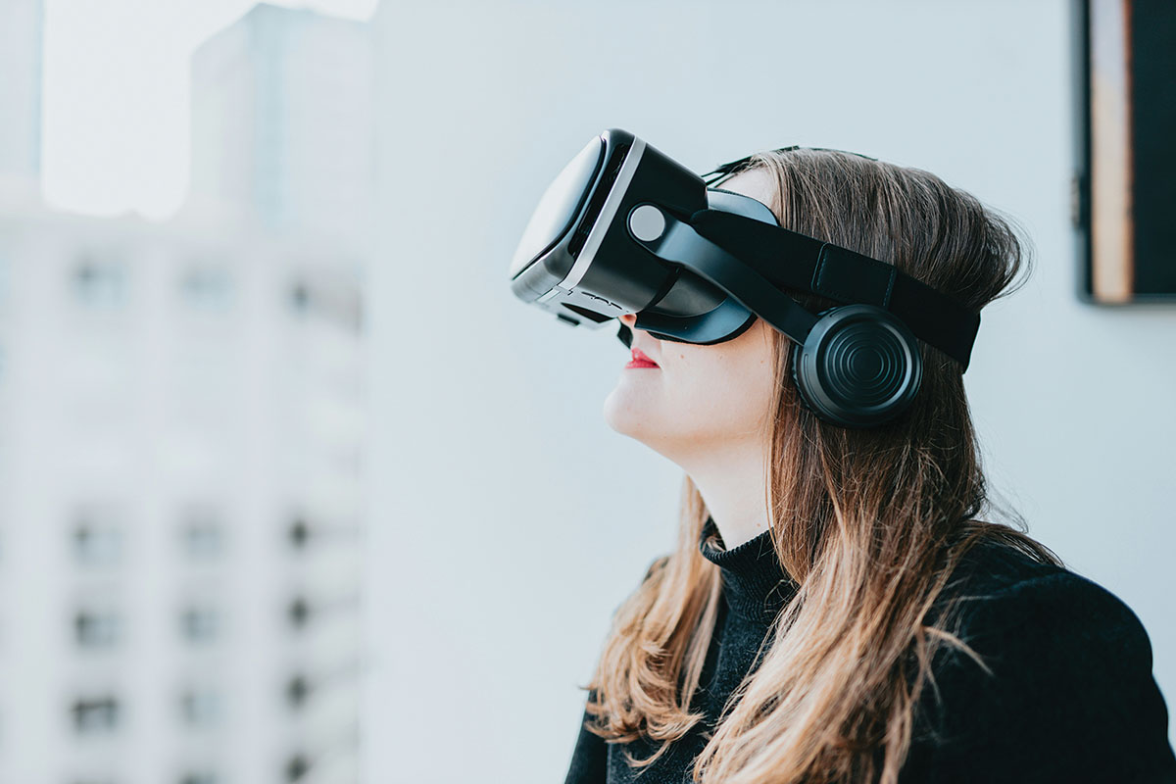
Despite what the entertainment industry would have you believe, virtual reality (VR) is more than a gaming tool – it’s transforming industries, fostering learning and reshaping our interactions in profound ways.
Virtual reality is here, it’s alive, and it allows users to interact and become immersed in a computer-simulated environment.
The technology, first pioneered by American computer scientist Ivan Sutherland way back in 1968, is achieved using a combination of specialised hardware, including headsets with sensors and tracking systems, and software that generates 3D images.
These systems react to user movements, enabling them to virtually ‘move’ within the environment and interact with virtual objects. This immersive experience can evoke strong psychological and physiological reactions, making it a powerful tool for various applications beyond mere entertainment.
Education
VR brings classroom lessons to life. From virtual field trips to complex science experiments, students can explore, interact with and understand subjects in ways that were previously impossible. History students, for example, can ‘walk’ through ancient civilisations, while biologists can explore the human body from the inside out.
Healthcare
VR is being utilised for pain management, where patients in painful procedures can escape to calming environments, reducing the perception of pain. It’s also being utilised for rehabilitation, helping stroke victims regain motor skills, or assisting in cognitive therapy for PTSD sufferers.
Training and simulation
VR offers a risk-free environment for individuals to practise skills. This is particularly valuable in fields like aviation, where pilots can train in virtual cockpits; or medicine, where surgeons can undertake complicated procedures before performing on patients for real.
Estate agents and architects
Clients are now empowered to embark on virtual tours of properties and detailed architectural models. These immersive experiences grant them a sense of space without any physical presence, saving time and expense.
Mental wellbeing
Meditation and relaxation apps in VR are rapidly gaining in popularity. Users can instantly immerse themselves in tranquil environments from around the world, engaging in deep mindfulness exercises, and providing much-needed respite from life’s stresses. All of these transformative experiences can be accessed without stepping outside their homes.
Art and creativity
Artists are increasingly turning to VR to craft 3D sculptures, paintings and immersive installations. With these virtual canvases, they can explore new and original dimensions and perspectives. This evolution in artistic tools is revolutionising the boundaries and potential of creativity.
Social interaction
VR emerges as a vital connector in the social space, providing platforms for people to congregate, converse and curate events within digital realms. These virtual meeting grounds eliminate the constraints of physical distance, fostering deeper and more enriched connections.
Environmental awareness
VR documentaries have been pivotal in showcasing the impacts of climate change, deforestation and other environmental challenges. By immersing viewers in affected areas, they can witness first-hand the consequences of human actions.
Virtual fashion
Similarly, where fashion’s buying seasons have always centred on live events and showroom visits. VR can now captivate a worldwide, eco-aware audience.
So, while VR gaming is certainly a dominant and exciting application, it represents just the beginning of the technology’s potential for transformation of what we do and how we do it.