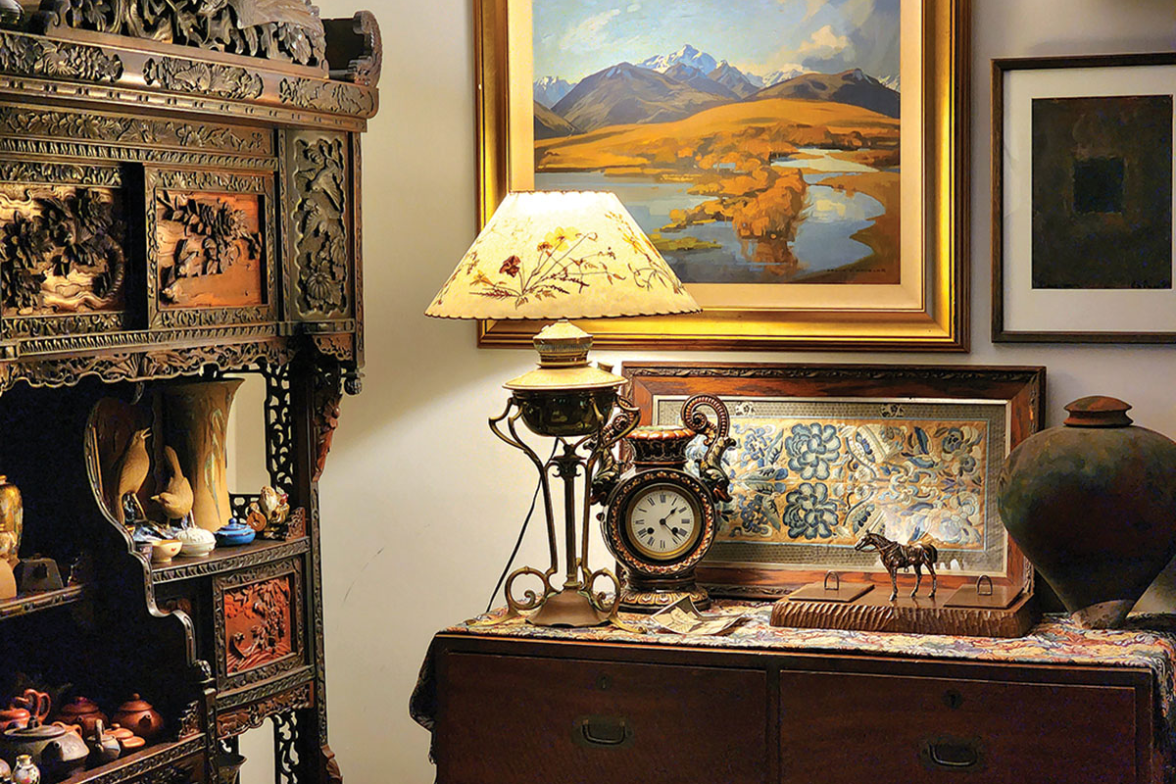
Fine Antiques in Christchurch is a company dedicated to providing independent insurance-grade valuations for art, antiques and collectibles.
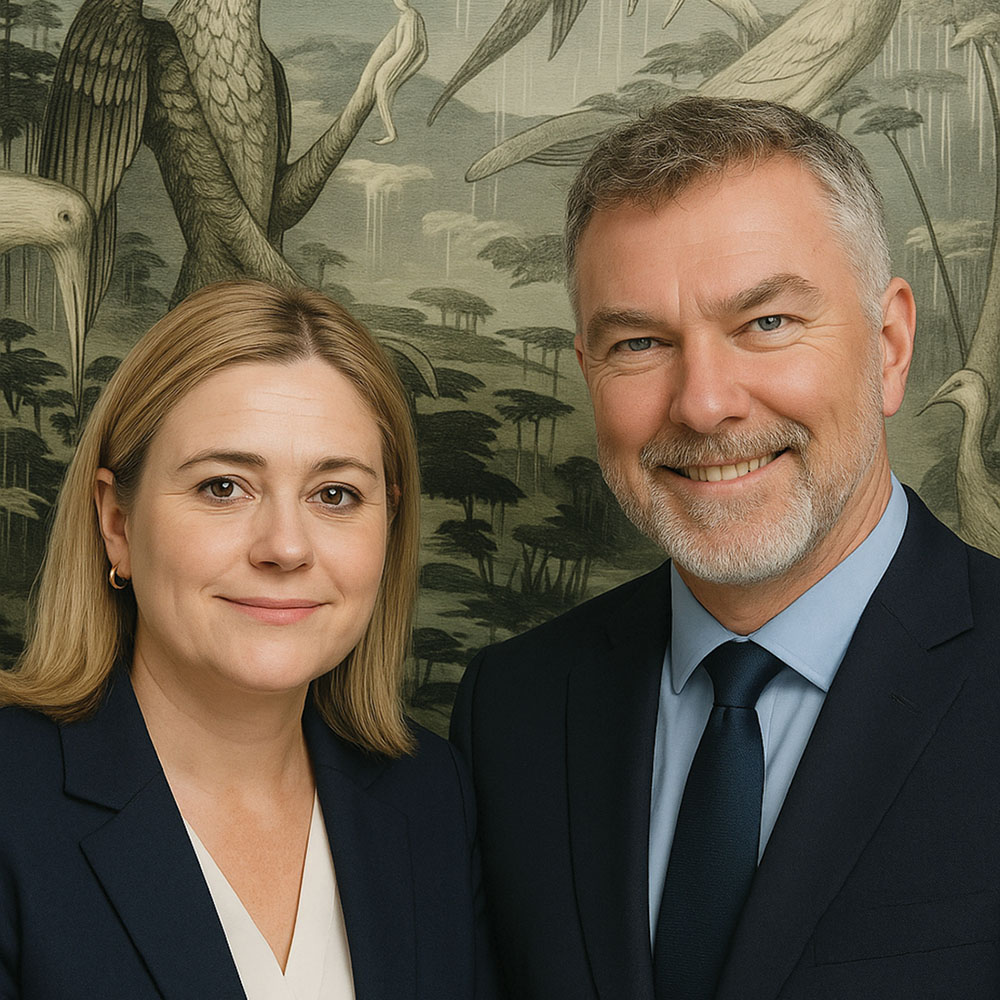
“We owned an art gallery in New Regent Street, and an antique shop in Papanui,” says owner Paul Jones. “Following the earthquakes there was a huge demand for valuations and low demand for art and antiques, so we shifted our focus to providing valuations.”
For those unfamiliar, what exactly does an ‘insurance-grade valuation’ involve?
Insurance-grade valuations are independent reports documenting replacement values to be submitted to your insurer to confirm adequate cover or hold until needed. Unlike valuations from resellers, our reports are researched across national and international markets to ensure full cover.
How do you determine the true value of an item?
When researching historical sales, we discount outliers – unusually high or low results that may reflect exceptional competition or poor marketing rather than true market value. For unusual items with limited sales history, we draw on experience to identify comparable pieces in line with insurance policy requirements, erring on the side of caution to ensure adequate coverage. For sales estimates and estate valuations, we focus strictly on historical sales data, weighting toward the most common price points while factoring in emerging trends. We travel throughout New Zealand and most of our reporting is done via email so location is not a concern.
What are the most common mistakes people make when trying to value or sell antiques?
Basing their estimates on the highest TradeMe or eBay listings – these are often outliers that may never actually sell, making them unrealistic for insurance purposes. Similarly, sellers often expect to match gallery or antique shop prices, not accounting for the established clientele and marketing that enable those figures.
For someone who suspects they might have something valuable at home, what are the key signs to look out for?
Look for makers marks and factory stamps – china often has backstamps, while silver and gold will often carry hallmarks. On furniture, check for genuine wear in high-contact areas like chair arms and legs.
Prints are frequently mistaken for paintings. To tell the difference, take a close-up photo and zoom in digitally – a print will reveal a repeating pattern such as halftone dots or a rosette pattern. High-value items are usually well documented, which is part of what drives their prices — use Google Lens or similar tools to find comparisons online. Finally, if an item’s value lies in its history, gather as much provenance as possible.
Beyond valuations, you also assist with sourcing and liquidation – how do you ensure clients achieve the best possible return?
After delivering reports, we found many clients asking “now what?” – so we’re always happy to help. Through our research we develop a clear picture of what performs well at sale, and our network of collectors and resellers across various categories means we can offer practical advice and often help negotiate a successful outcome.
What trends are you currently seeing in the antiques and collectibles market?
Silver and gold have seen significant value increases. Even after recent softening, prices remain well above historical levels – so much so that antique silverware is increasingly being sold for its metal value rather than its collectability. There is some hope that further price correction may allow collectable value to catch up. New Zealand material is increasingly sought after, with a strong and growing collectors market emerging for NZ ceramics and Māori pieces.
Call 0800 268 478 to discuss your valuation needs. fineantiques.co.nz