
PORSCHE 1931
The car company synonymous with speed, performance and innovation was founded in 1931 by engineer Ferdinand Porsche. Years earlier he had already designed one of the world’s first hybrid vehicles and would also go on to design the VW Beetle (the first Porsche-badged model – the Porsche 64 of 1938 – was actually developed using the platform of the Beetle). Following the second world war – during which time the company helped design and build armoured vehicles – Ferdinand’s son, Ferry Porsche, introduced the company’s first true sports car, the 356 Roadster (pictured). The legendary 911 arrived in 1964, cementing Porsche’s reputation for engineering excellence.
Fun fact: the marque’s distinctive crest, inspired by the coat of arms of Stuttgart where Porsche is based, was famously sketched by Ferry Porsche on the back of a napkin during a brainstorming session.
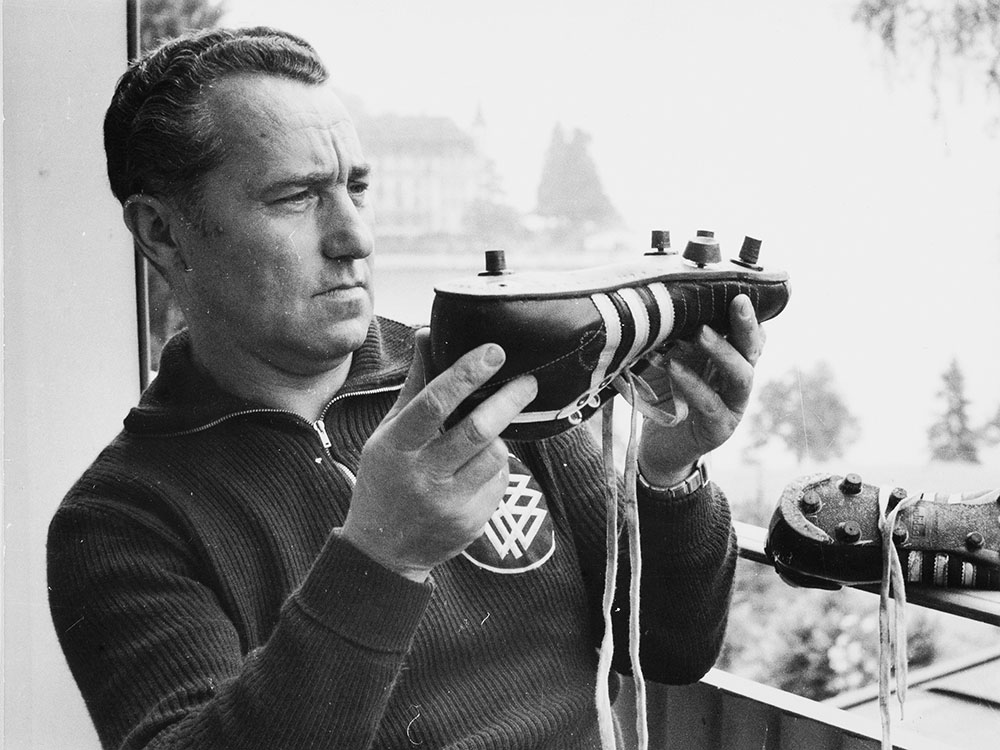


ADIDAS 1924
Adidas’s origin story starts in a small Bavarian town, where, in 1924, brothers Adi and Rudolf Dassler registered the Gebrüder Dassler Schuhfabrik after Adi began crafting shoes in his mother’s laundry room. Driven to give athletes the best possible equipment, Dassler footwear soon appeared on the world stage, helping athletes win Olympic gold in 1928, 1932 and 1936. (Following a family dispute, Rudolf split with his brother and established another sports shoe giant, Puma, in 1948.)
Originally designed as a football boot, the adidas Samba arrived in 1950 and soon evolved into a streetwear staple, while another streetwear icon, the adidas Superstar, grew from the Supergrip basketball shoe of 1965. The leather Superstar and its famous rubber shell toe launched in 1970, later adopted by Run-DMC in the 1980s to become a cultural symbol. Today, a new generation of icons like Olivia Dean and Kendall Jenner continue its legacy.


HUGO BOSS 1924
Founded in 1924 in Metzingen, southwest Germany, Hugo Boss began as a small textile factory producing workwear and uniforms. Infamously the following decades saw the company manufacture uniforms for the Nazis, something which the label has since officially apologised for.
After Hugo Ferdinand Boss died in 1948, leadership passed to his son Siegfried Boss and son-in-law Eugen Holy. The company initially returned to producing uniforms for organisations such as the postal service, railways and police, but a fortunate turning point arrived in 1950 when Hugo Boss received its first order for men’s suits. By the 1960s, the company was producing highly respected ready-made tailoring that would lay the foundations for its global fashion empire. The first Boss branded suits were produced in 1970.


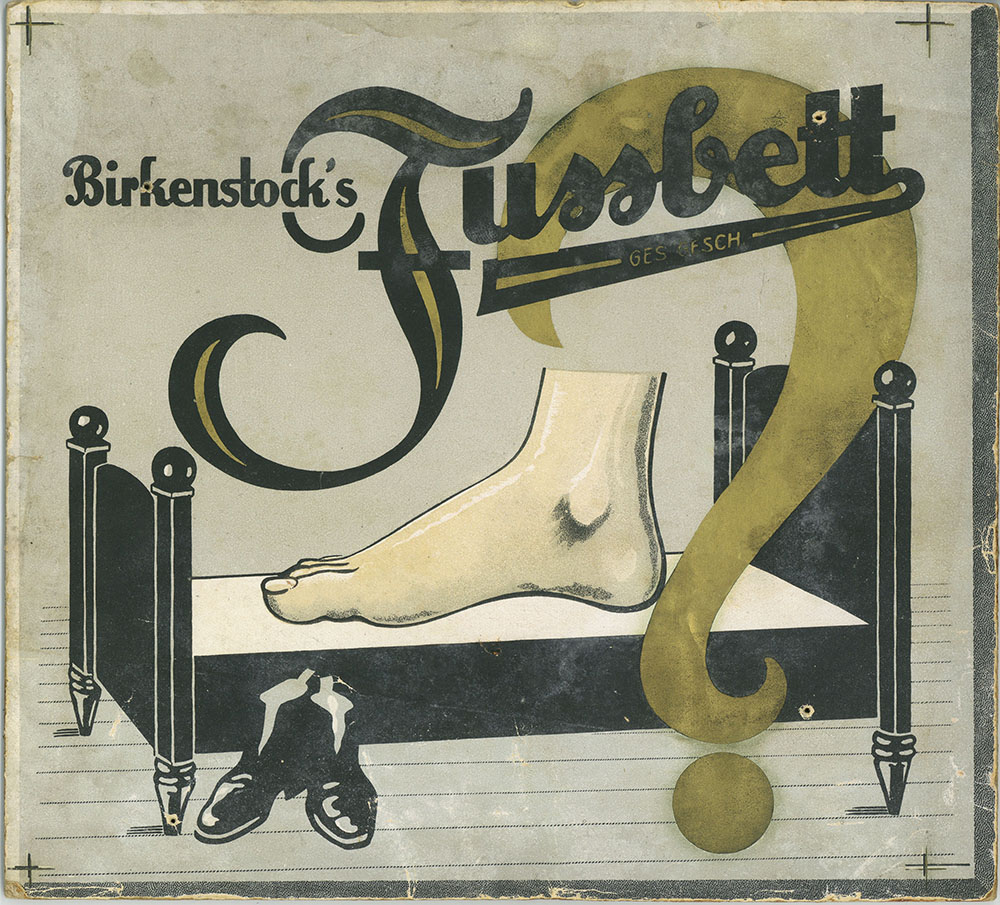
BIRKENSTOCK 1774
The story of Birkenstock dates all the way back to 1774, when Johann Adam Birkenstock was recorded as a cobbler in the German town of Langen-Bergheim. Fast forward to the turn of the 20th century and his descendant Konrad Birkenstock developed the first anatomically shaped shoe, a concept expanded by his son, Carl, whose design ethos was built around “walking as nature intended”.
In 1954, Karl Birkenstock introduced the now-famous cork-latex footbed, based on measurements from thousands of feet, and famed for their comfort… and ugliness! The sandals became a favourite of the hippie movement before finding new life among hipsters and the Hollywood elite.
In 2014, Givenchy even released high-fashion Arizona versions, cementing Birkenstock’s unlikely style legacy, while a recent collaboration with bridal designer Danielle Frankel means we’ll be seeing them grace aisles as well as runways.

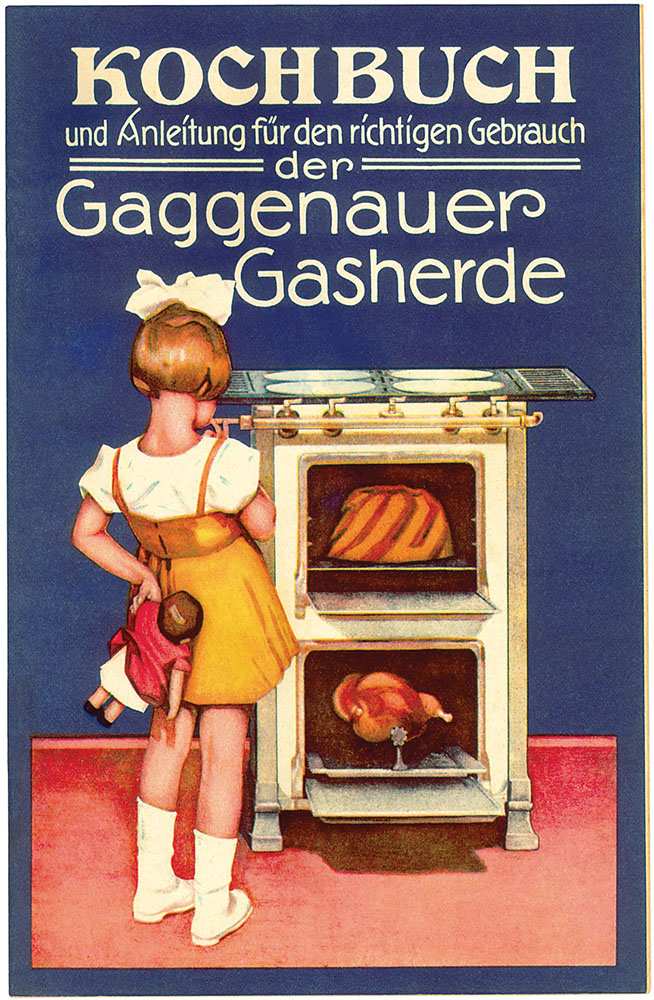
GAGGENAU 1683
Think Birkenstock is old? These guys go back another century!
Gaggenau’s story starts on the edge of the Black Forest in 1683 when local aristocrat Margrave Ludwig Wilhelm von Baden established a hammer mill and nail forge in the region to help struggling farmers, and planted the seeds of an industrial legacy. By the late 19th century, metalworks had expanded into farm machinery – and ambition grew with them.
Another new century brought further reinvention – stoves, bicycles, pioneering appliances, each product mirrored Gaggenau’s belief in ergonomics, quality, and distinctive design. In 1956, they introduced the world’s first built-in eye-level oven.
Their Bauhaus-inspired logo, developed in the late 1960s, captures their founding principle that form follows function.