The diplomat and former politician now serves as the Director of the Malta Tourism Authority for Australia and New Zealand.
“Most first-time visitors come to Malta expecting sunshine, beaches, and a typical Mediterranean holiday,” he tells Verve. “What surprises them is how much history and culture the islands offer within such short distances. You can hear Arabic influences in the language, taste Mediterranean and Middle Eastern flavours in the food, notice British touches like red phone boxes and driving on the left, and see architecture ranging from prehistoric temples to beautiful Baroque cities.”
What are the most underrated corners of Malta?
While many visitors naturally focus on Valletta and the Three Cities, some of Malta’s most memorable places are the quieter and more relaxed areas. Mdina, the old silent city, becomes especially magical in the evening after the crowds leave, with its honey-coloured streets and unique atmosphere.
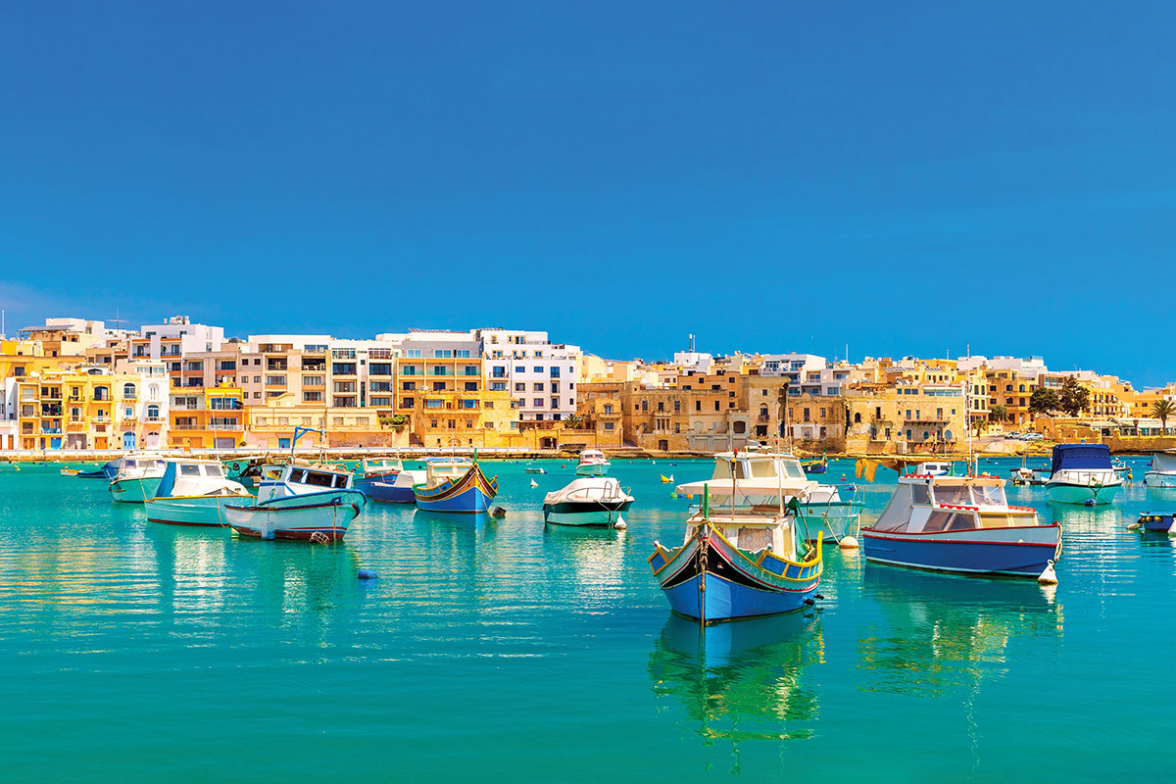
I also believe the south of Malta deserves more attention. Marsaxlokk is well known for its traditional fishing boats, but nearby places like Żurrieq and Birżebbuġa offer a more authentic glimpse of everyday local life. The Dingli Cliffs, especially at sunset, remain one of the most peaceful and dramatic locations on the islands.
On our sister island Gozo, villages such as Xagħra and Għarb still preserve a more traditional way of life, with local bakeries, small village squares, and family-run restaurants that give visitors a genuine sense of the island’s character.
Which beaches or swimming spots do locals keep to themselves?
Golden Bay is one of Malta’s classic postcard beaches, but nearby, Għajn Tuffieħa is considered by many to be even more scenic. Reached by a long staircase, it offers a quieter and more natural setting, surrounded by clay hills and open countryside.
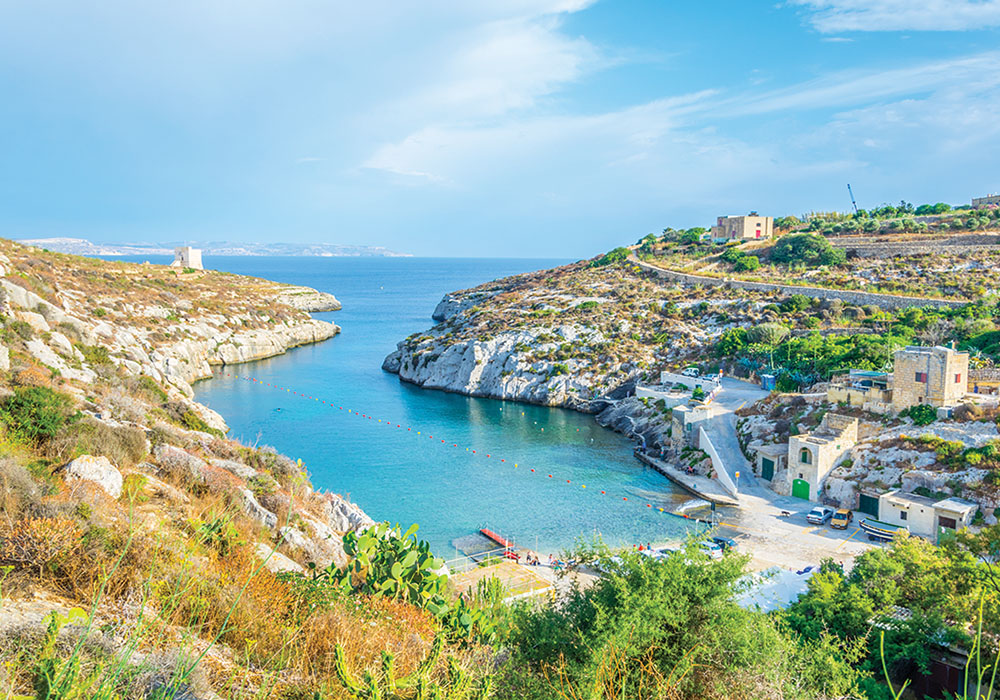
On Gozo, Mġarr ix-Xini has a hidden and peaceful feel, with a narrow bay opening out into the Mediterranean Sea. Hondoq ir-Rummien, near Qala, is also very popular for its calm, crystal-clear water and its beautiful views of Comino.
What should visitors be eating and drinking in Malta?
Maltese food is full of flavour and strongly influenced by both Sicily and North Africa. Visitors should definitely try ftira, the traditional Maltese bread, often filled with tuna, tomatoes, capers, and olive oil. Rabbit stew is one of Malta’s most traditional dishes, especially popular in countryside restaurants on Gozo. Pastizzi, flaky pastries filled with ricotta or mushy peas, are a local favourite and are best eaten hot from a traditional pastizzeria.
Seafood is excellent around Marsaxlokk, where many restaurants still serve fish caught earlier that same day. For a more authentic experience, visitors should also look for family-run village restaurants rather than only the main tourist places.
Malta has also built a strong reputation for its boutique wineries, many of which produce exceptional wines using both local and international grape varieties. Many visitors are pleasantly surprised by the quality of Maltese wines. Beer lovers should also try the local Cisk lager, which has been part of Maltese life for generations. And of course, no visit is complete without tasting Kinnie, Malta’s famous bittersweet soft drink.
What are some cultural must-dos?
The festas are an essential part of Maltese culture. Every summer, village saint celebrations take over entire towns with fireworks, marching bands, religious processions, street food, and large community dinners. They are lively, colourful, and deeply connected to Maltese identity. For visitors, they are also a great way to experience local life alongside residents.
Architecturally, Valletta is extraordinary. Built by the Knights of St John, it is a beautiful Baroque city that still feels alive and lived in rather than preserved as a museum piece. St John’s Co-Cathedral often surprises visitors with its richly decorated interior and its famous Caravaggio painting.
Malta’s contemporary cultural scene has also developed strongly in recent years, especially in Valletta. New spaces such as MICAS, Malta’s national centre for contemporary art, and MUŻA, the national art museum focused on community and heritage, have added an important new dimension to the islands’ cultural offer, alongside small galleries, independent festivals, and restored historic venues hosting performances and exhibitions.
Visitors should also check what events are happening during their stay through the VisitMalta Events Calendar. From Carnival and the annual Fireworks Festival to Isle of MTV, the BBC Concert Orchestra performance, the magical BirguFest Candlelight Festival, the Rolex Middle Sea Race for sailing enthusiasts, and family events such as Christmas Fairyland, there is almost always something happening where visitors can enjoy the atmosphere together with locals.
What’s your favourite ‘Maltese Memory’?
One of my strongest memories is my summer holidays when still a child – going to swim practically every day, then returning home to a light summer dinner, frequently eaten on our roof-top, hearing distant festa fireworks echo across the sky while the limestone buildings glowed gold under the streetlights. Malta has this rare ability to feel both ancient and intensely alive at the same time – and in moments like that, you understand why people keep returning.
What’s the first thing you do when you go back there?
By nature, I’m a countryside lover, so one must-do thing for me as soon as I am back home is to go for a long walk! Fomm ir-Riħ is an absolute favourite. The wildest and most rugged countryside walk on the main island. A remote valley descends to a secluded bay reachable only on foot. Expect terraced farmland, cliffs, caves, and almost no development – one of the best if you want untouched scenery. Victoria Lines is another gem, often called Malta’s ‘Great Wall’. These historic British-era fortifications cut across the island and create surprisingly dramatic walking routes through valleys and ridges. And then there is Wied il-Għasel, a gentler countryside walk through a lush valley with old farmhouses, terraced fields, caves, and seasonal wildflowers. Excellent in spring.
And after a long walk, a lunch of fried rabbit or octopus stew completes my arrival back home…
For information visitmalta.com