
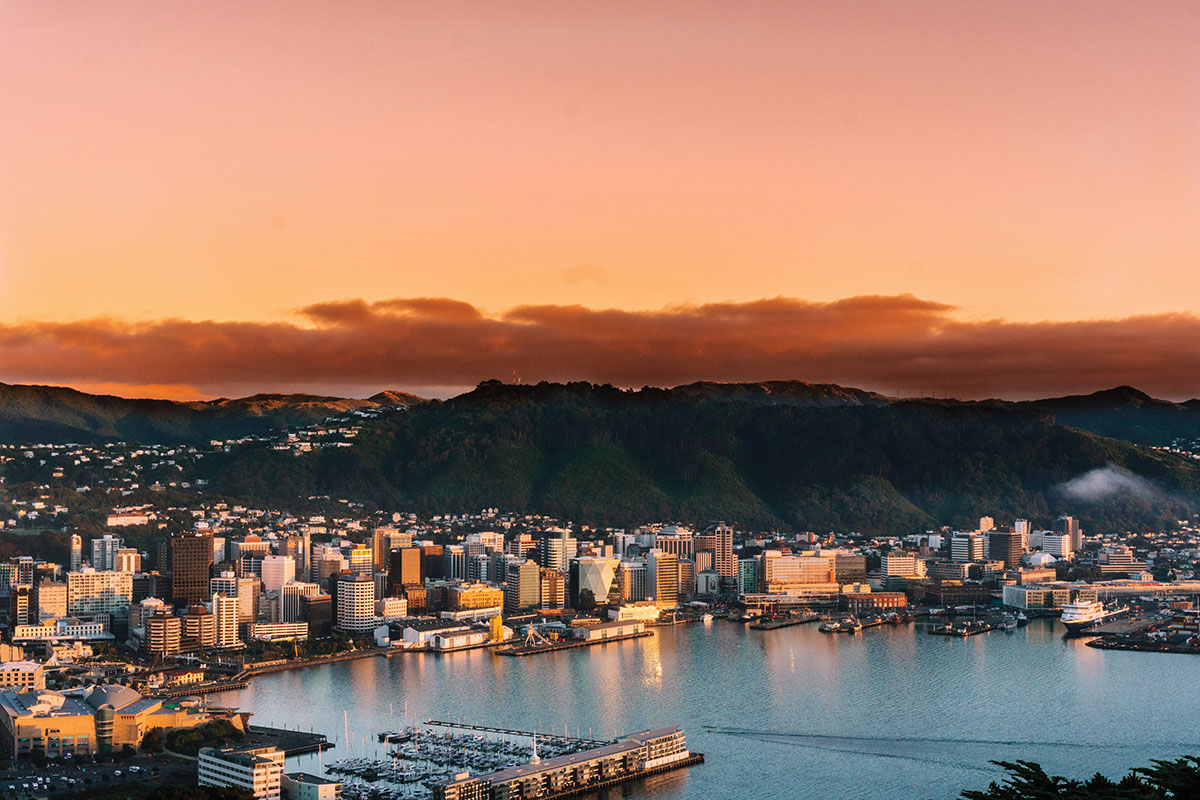
The analogy is fitting for a city revered for its cuisine, craft beer and coffee culture. Some claim that the world’s southernmost capital cradles more bars and eateries per capita than New York City! A big claim from a small city that also claimed the title of New Zealand’s capital from Auckland in 1865. Best of all, many of its best sites and attractions all sit within walking distance – can any other capital be crossed on foot in under half an hour?
Te Papa Tongarewa
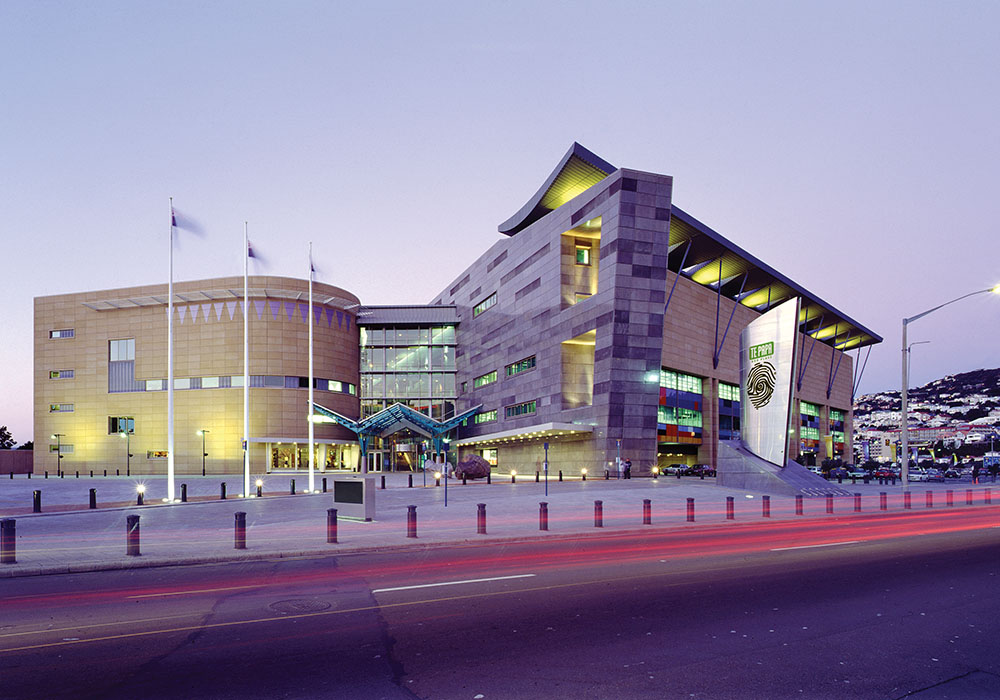
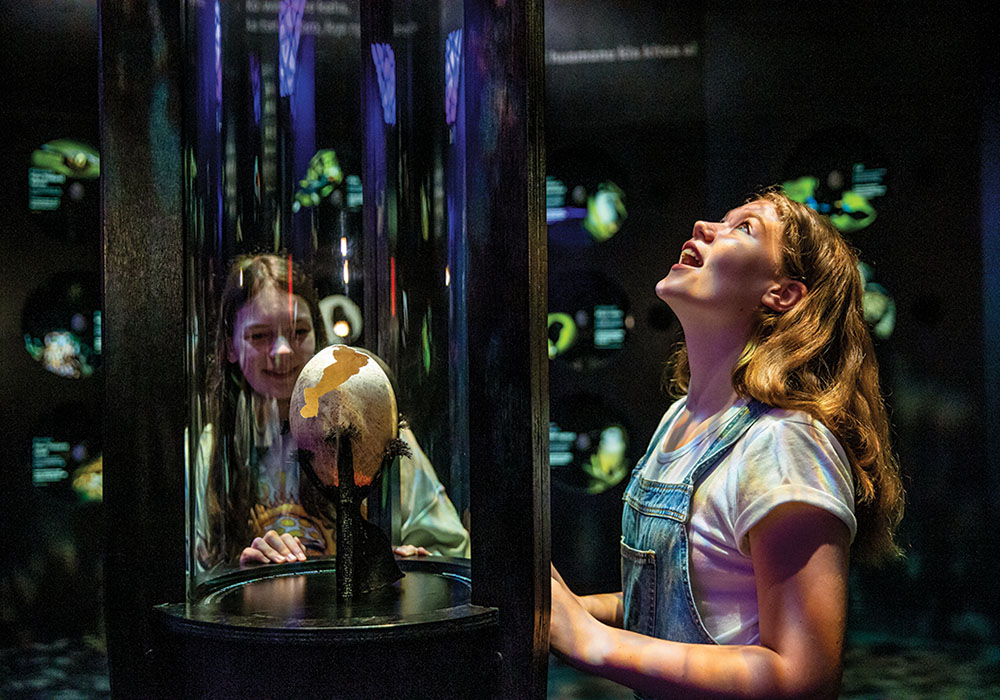
Wellington’s centrepiece, Te Papa, is a six-floor waterfront museum that could swallow an entire day or two. The name roughly translates as “box of treasures” – fitting for one of the world’s leading interactive museums, opened in 1998 as a waharoa, or gateway, into the nation’s natural and cultural riches. The enormous building sits atop rubber-and-lead shock absorbers allowing it to move 40cm in an earthquake, with enough reinforcing steel to stretch all the way to Sydney! Highlights include hundreds of thousands of fossils, the world’s largest colossal squid specimen (4.2m, close to 495kg, caught near Antarctica in 2007), and a carving-adorned marae surrounded by Pacific treasures, with the national art gallery above. A rooftop area up top offers sweeping views over Wellington Harbour.
Statuesque
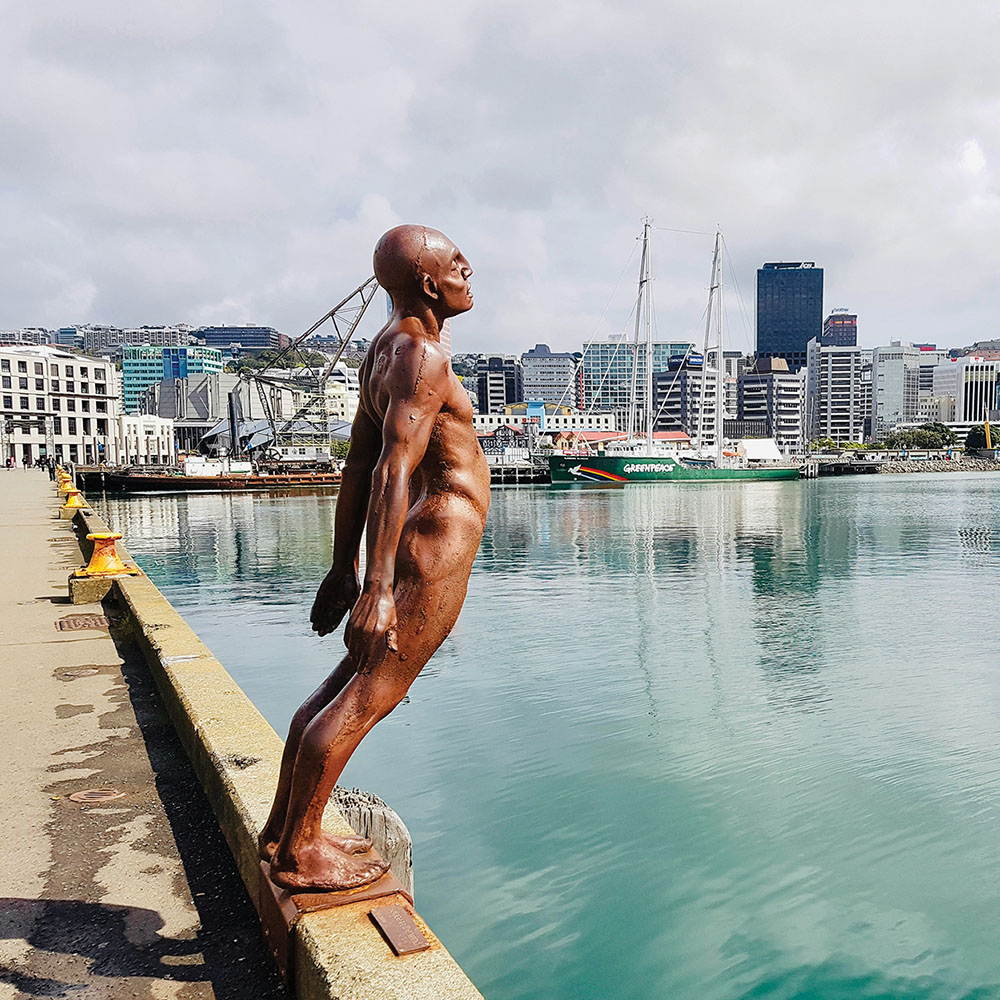
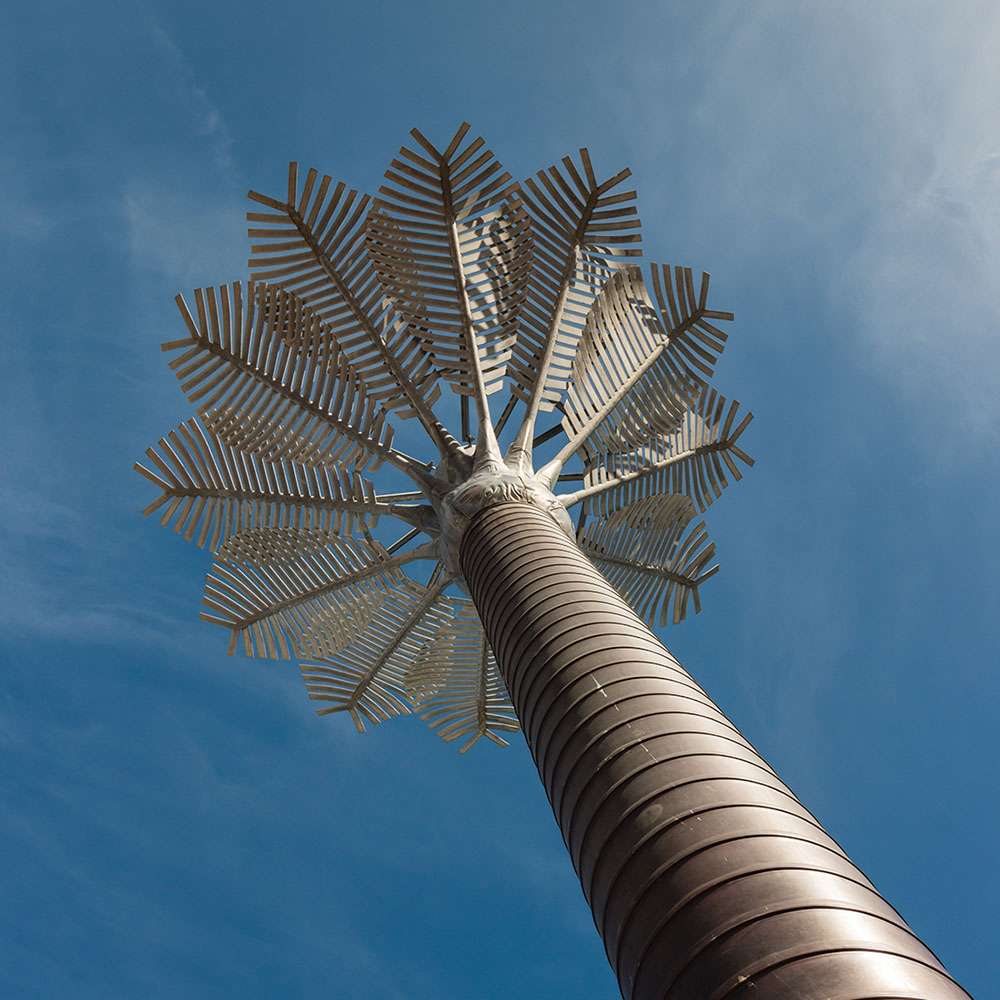
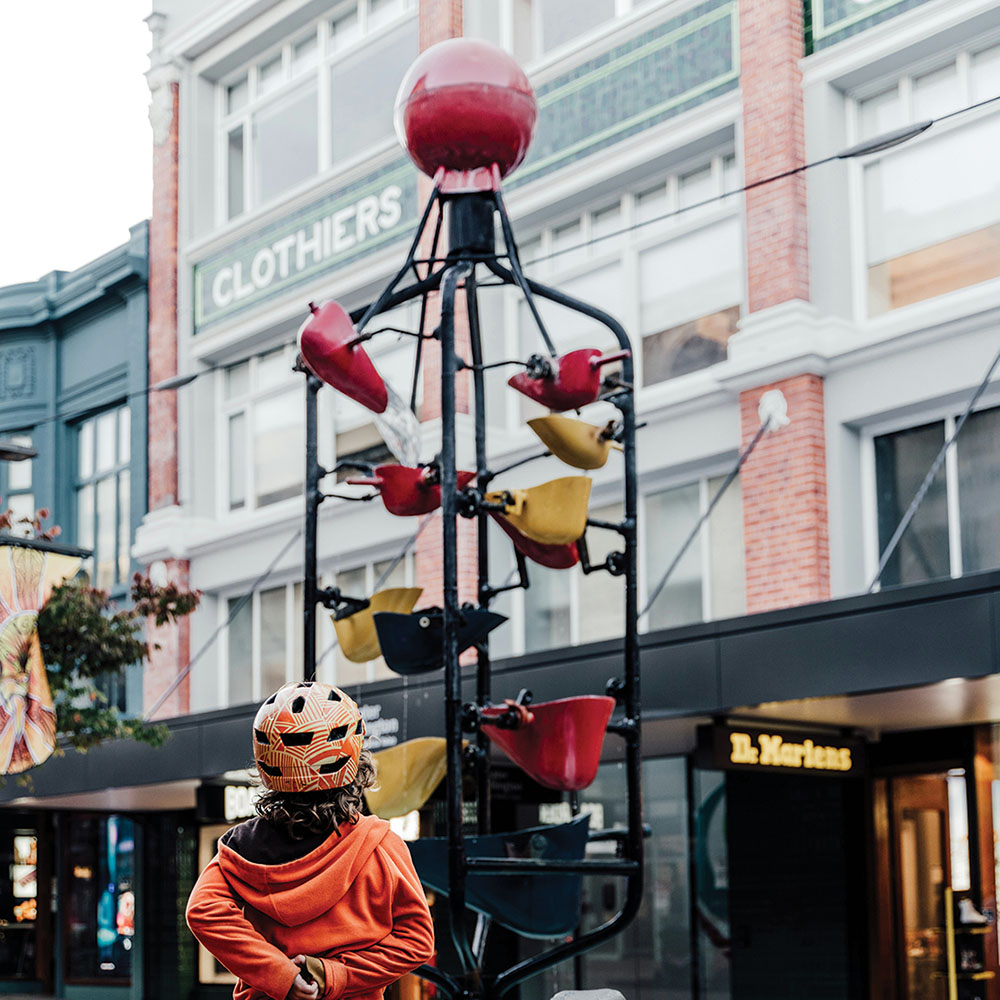
Wellington’s public art is scattered throughout the city, easy to string into a self-guided route from the waterfront to Cuba Quarter. Start at ‘Per Capita’ on Cable and Tory Streets, steel portraits by Cathryn Monro. Past Te Papa, find ‘Solace in the Wind’ (the “Naked Man”) by Max Patté, and ‘4 Plinths’ which are rotating sculptures every two years. Further on, ‘Albatross’ by Tanya Ashken tumbles water at Whairepo Lagoon, while Len Lye’s ‘Water Whirler’ flings jets in Frank Kitts Park. South, cross the ‘City to Sea Bridge’ to Civic Square, then Cuba Street’s ‘Bucket Fountain’ and, further on, on Karo Drive, Regan Gentry’s ‘Subject to Change’.
The Capital’s Table
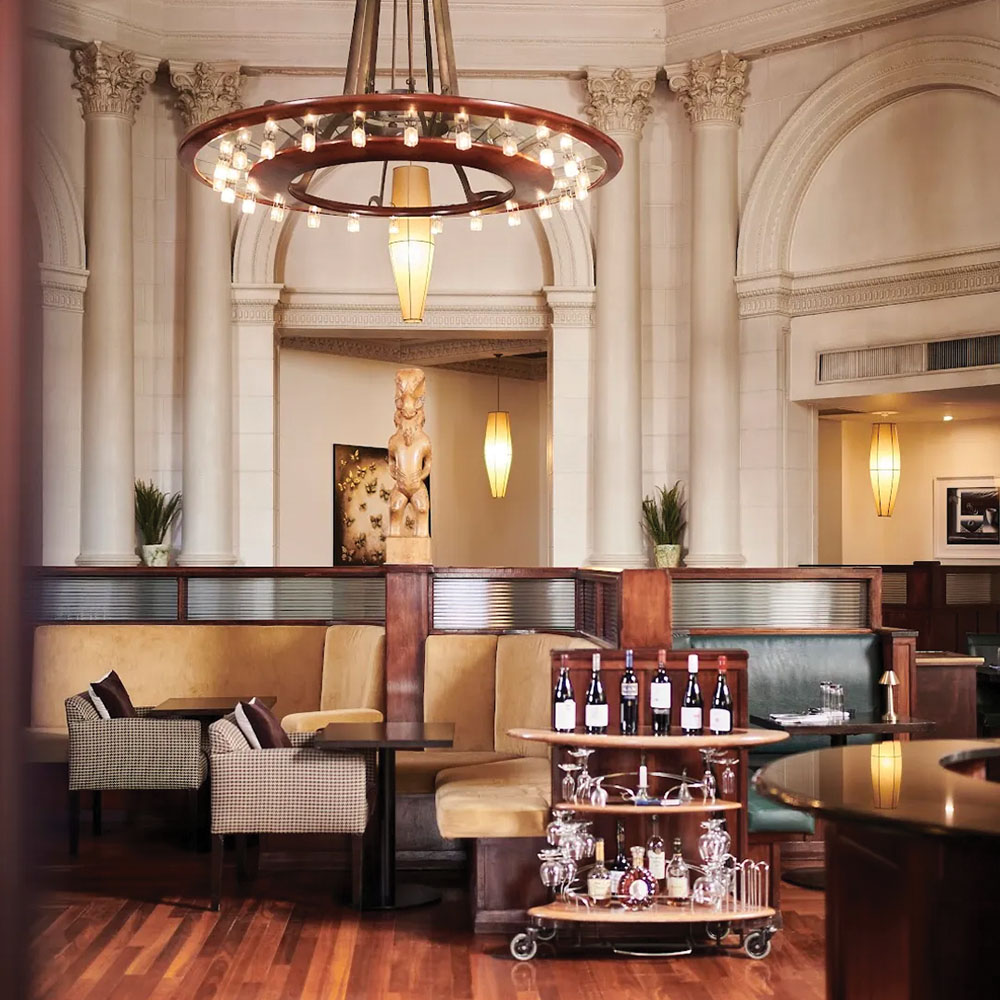
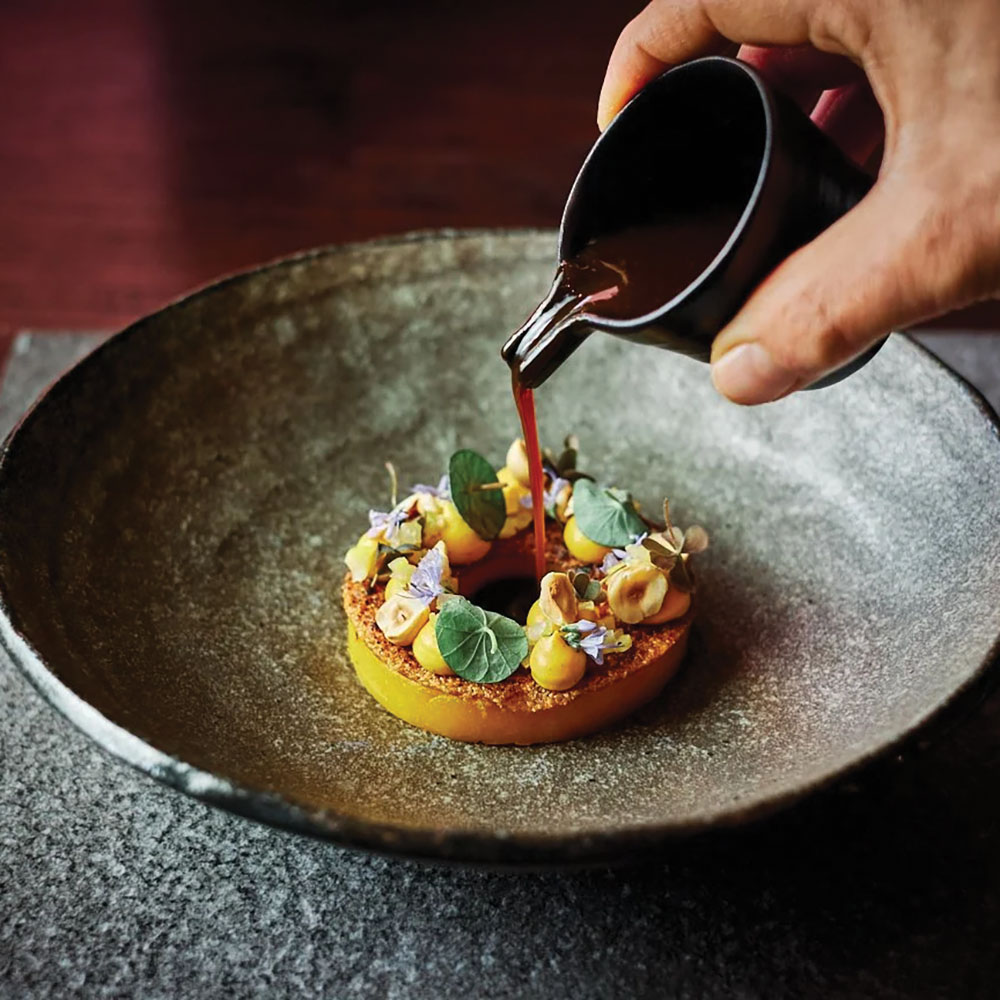
Wellington’s dining scene was already famed for its inventive menus and bold attitude – and now a few Michelin stars can be added to the list. Central Wellington establishments Jano Bistro, Ortega Fish Shack and Logan Brown were three out of the 14 restaurants across Wellington, Auckland, Christchurch and Queenstown to recently be recognised.
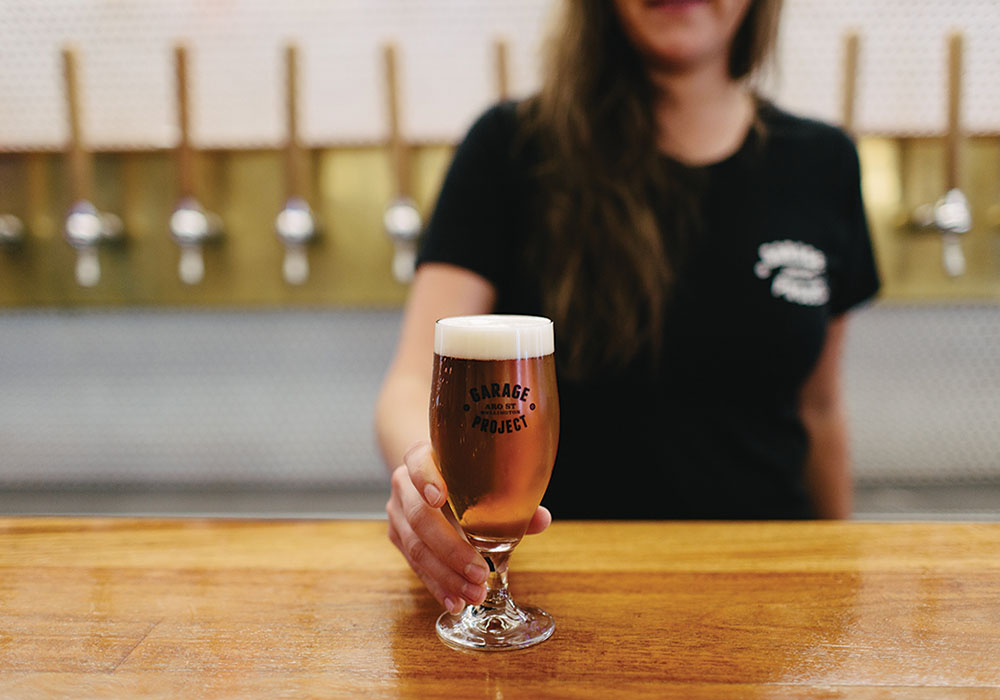
It’s no secret that Wellington is also New Zealand’s craft beer hub, earning it the nickname Craft Beer Capital. The city’s brewing scene has produced some of New Zealand’s most inventive and internationally recognised names, its enthusiasm for all-things-ale culminating each year in Beervana, the country’s premier craft beer festival.
The Coffee Table
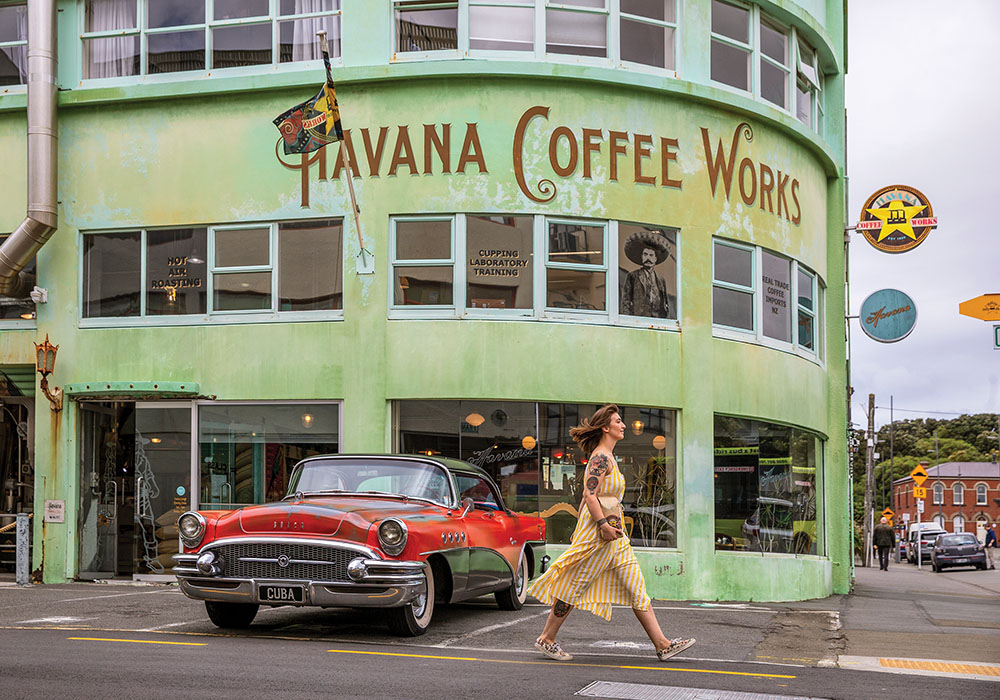
Wellington’s coffee scene traces to the 1950s, when milk bars and coffee houses became gathering spots for poets, writers, and artists – a spirit still very alive especially in the bohemian Cuba Quarter today. Brewing is treated as an artform here, with acclaimed baristas and boutique roasters known for their distinctive blends, carefully sourced beans and commitment to quality. Flight Coffee and Peoples Coffee are among the capital’s best.
Island Life
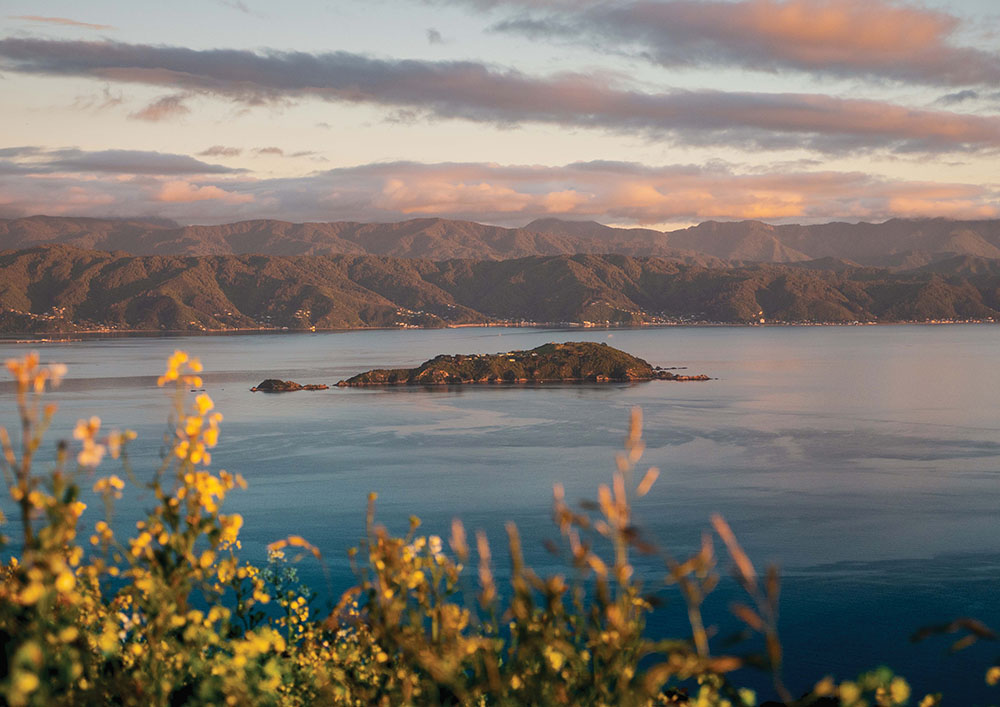
In Wellington Harbour, Matiu/Somes Island is a Māori-owned, DoC-maintained, predator-free sanctuary where native bush shelters birdlife, tuatara, and weta, alongside the remains of old pā sites. Its Loop Track winds past World War II-era buildings, a lighthouse, and scenic lookouts.
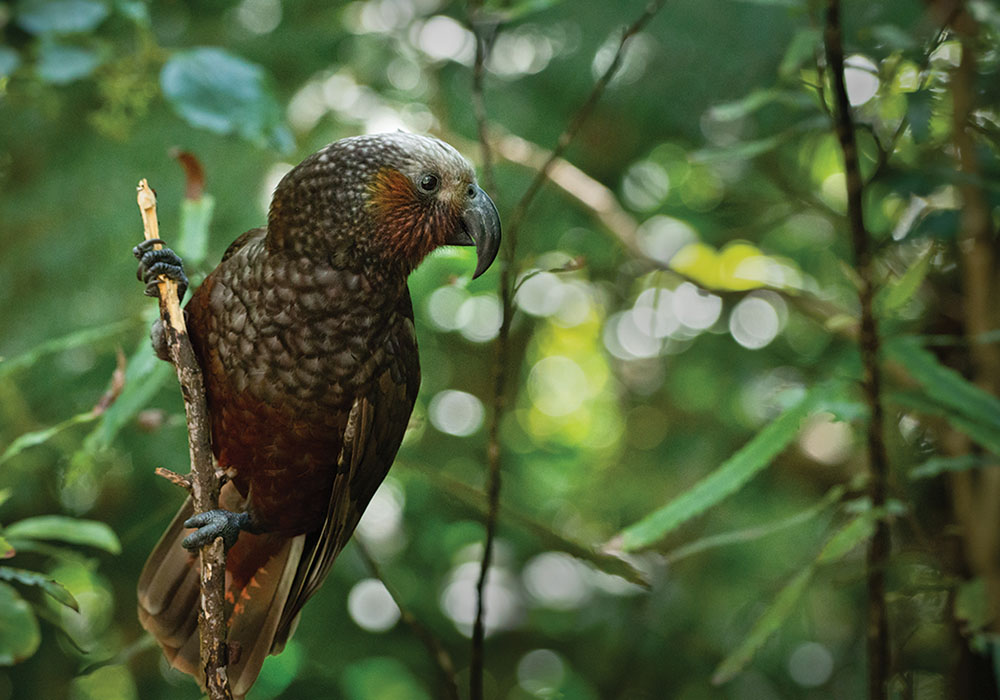
Just north of Wellington, off the Kāpiti Coast, the iconic Kāpiti Island is another predator-free nature reserve and one of the country’s most important bird sanctuaries. This former whaling station is now home to a remarkable array of rare species, including the kōkako, the little spotted kiwi, the kākā, and the takahē – few places in Aotearoa offer such a strong chance of encountering these fabled birds in the wild. The surrounding waters teem with seals and dolphins, with the occasional orca passing through.
WAIRARAPA
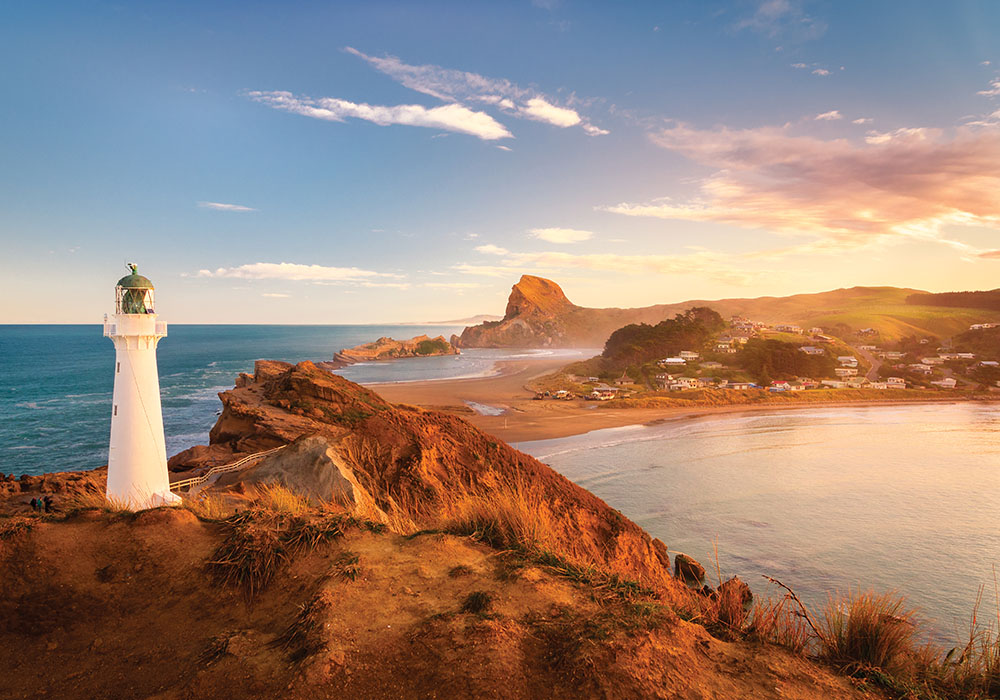
East of Wellington, the verdant Wairarapa boasts rolling, rural landscapes stitched by vines and framed by rugged mountains and endless skies. With a climate reminiscent of Burgundy, vineyards produce warm pinot noir, elegant syrah, and herbaceous sauvignon blanc, while hot summers yield refreshing pinot gris and aromatic riesling. In 2023, Wairarapa was also recognised as an International Dark Sky Reserve.
At its heart sits historic Martinborough. The once unassuming colonial settlement is now a delectable base for exploring boutique vineyards on foot or by bike.