Sunglass styles supplied and available at ipop.co.nz
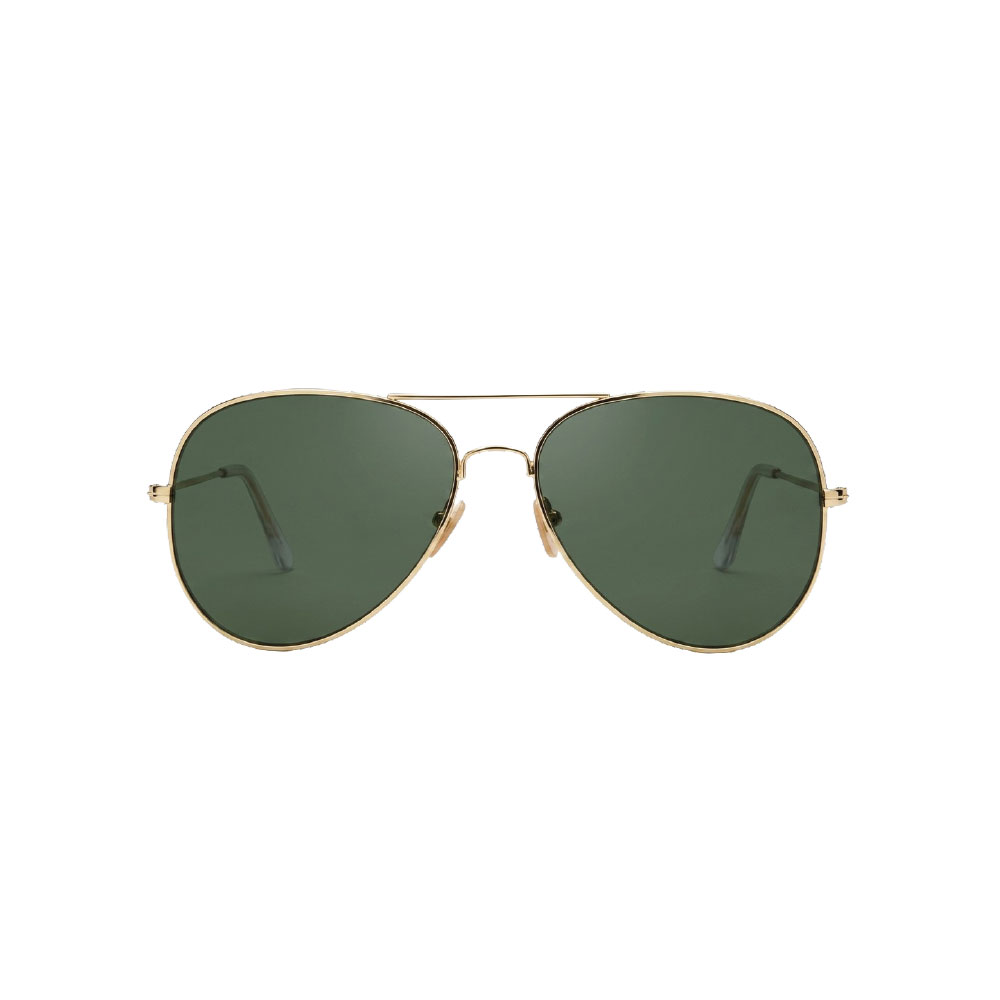
The Aviator
Thin metal frame, double bridge, and teardrop lenses dipping over the eye – the aviator is perhaps the most recognisable sunglass style there is. As pilots climbed higher in the early 20th century, glare, headaches and sickness followed, so John Macready teamed up with Bausch & Lomb to produce a lightweight, green-lensed design that cut the blinding dazzle. In 1937 it went on sale and received widespread coverage when General MacArthur of the US Army wore a pair when landing in the Philippines in 1944. Post-war, the likes of Elvis and Marlon Brando cemented their style legacy. Oh, and they first became known as… the Ray-Ban.
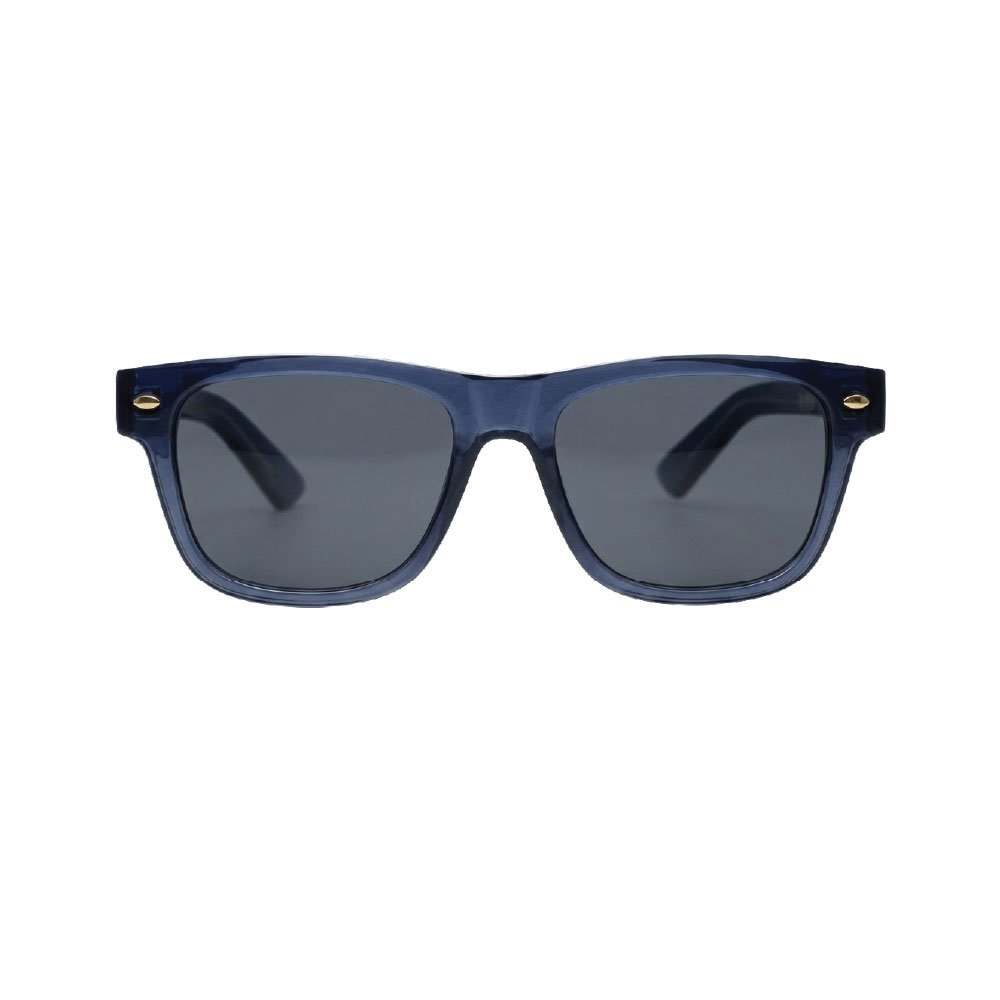
The Wayfarer
Ray-Ban’s aviator’s success was followed in 1952 by the Wayfarer, which swapped metal for hard plastic. Newly available moulding technology let the manufacturer create a bold, trapezoidal frame. Often called the best-selling sunglasses of all time, designers of all stripes have borrowed the shape ever since. Its slightly menacing look appealed to anyone wanting a touch of rebellion, and in the 50s and 60s was worn by figures including James Dean, Andy Warhol and John F Kennedy.
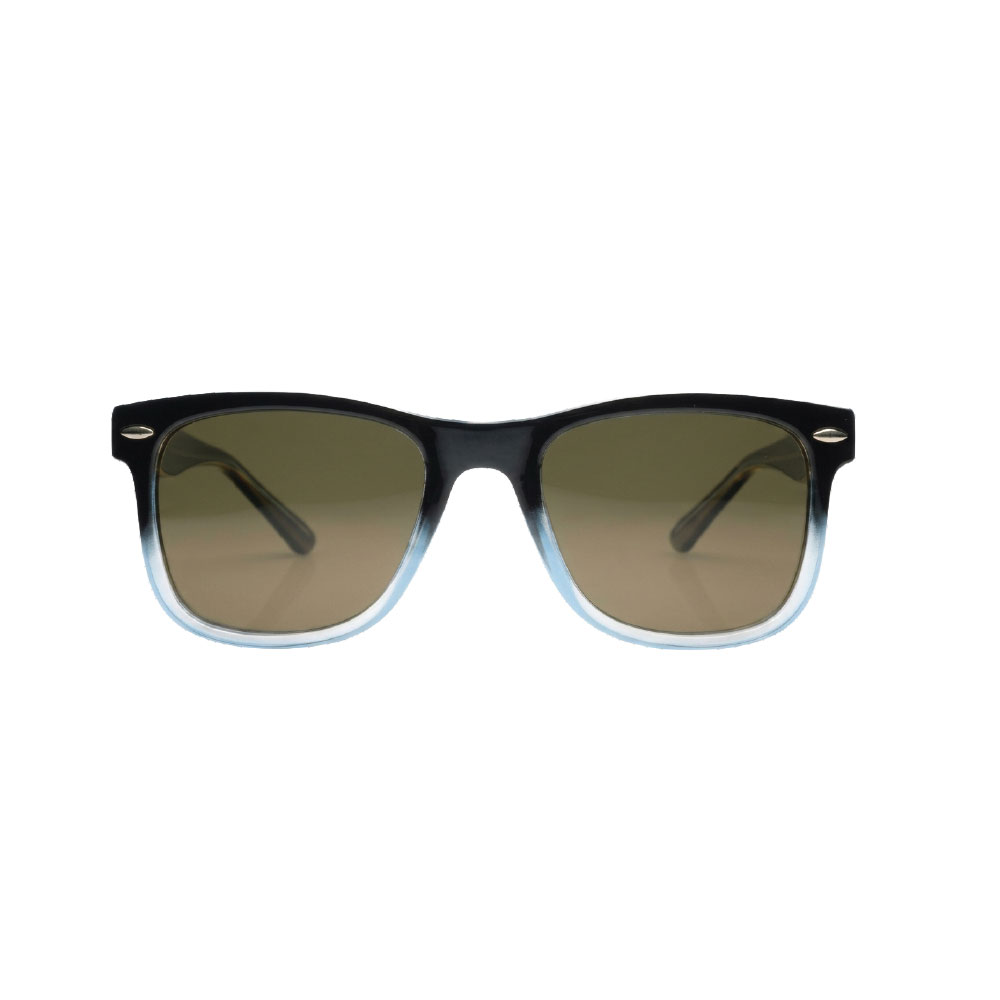
The Browline
In 1947, Jack Rohrbach of Shuron Ltd introduced the browline – a sophisticated frame with a bold upper section that echoes the eyebrows, set above a thin metal or rimless lower half. The effect sharpens the eyes and gives the face a polished, defined look. Ray-Ban later put its own spin on the idea with the Clubmaster.
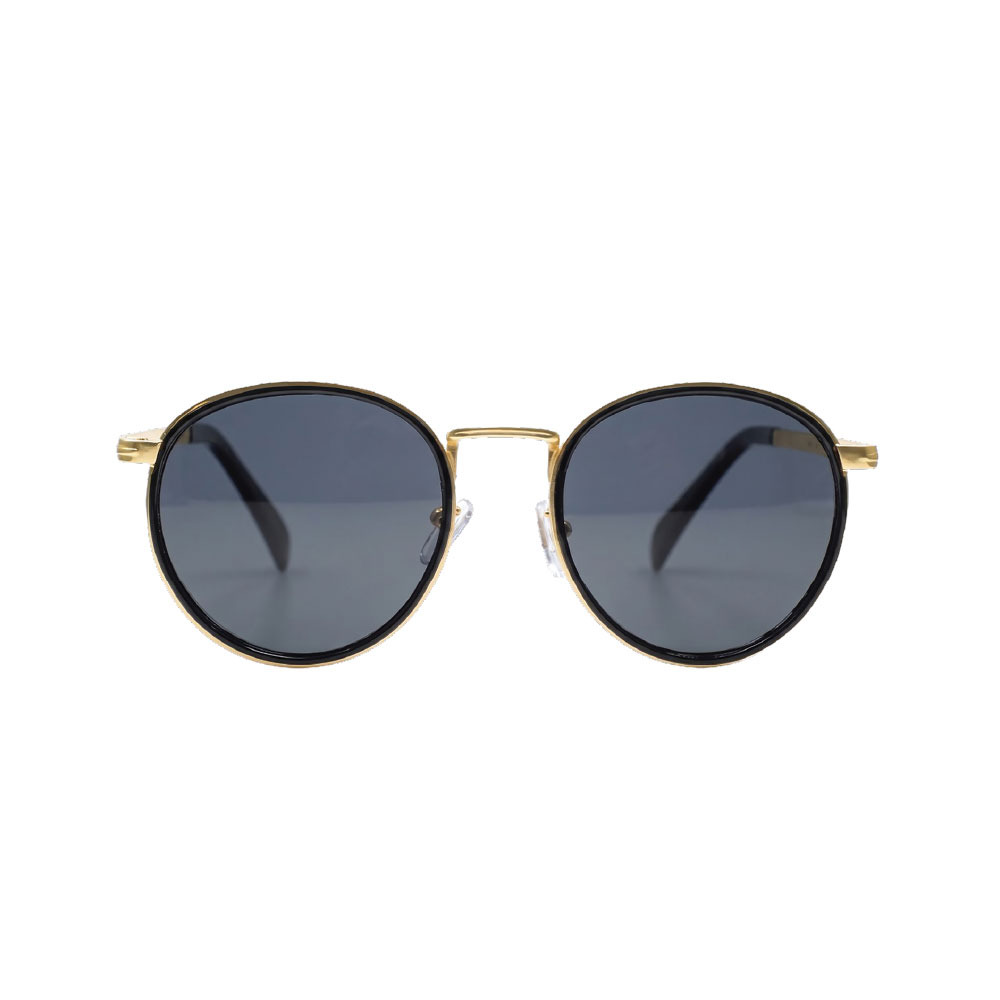
The Teashades
Often referred to as granny, hippy or Lennon glasses, teashades are round, wire-rimmed designs with small, tinted lenses held by nose pads on a thin metal frame. Popularised in the late 60s by counterculture figures such as the aforementioned Beatle they were worn as much for style as for shade, often with exaggerated colours, mirrored finishes or oversized lenses.
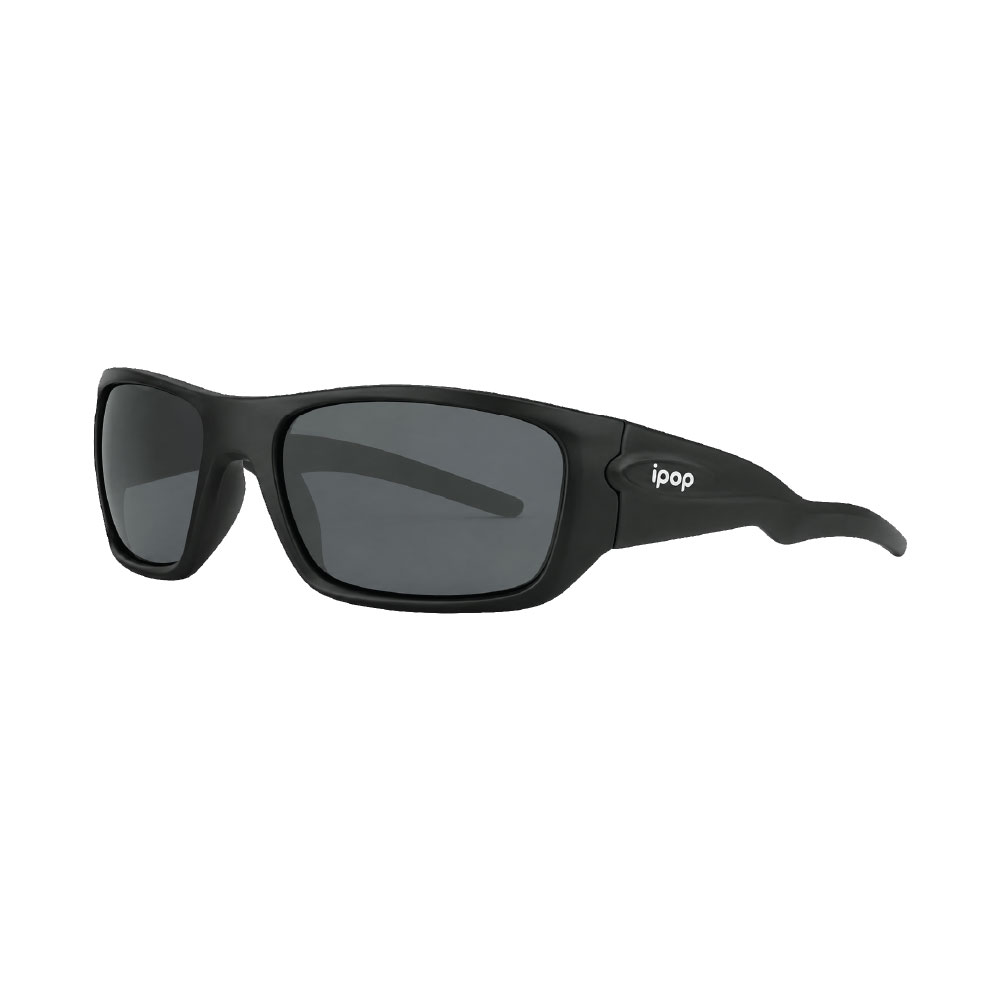
The Wraparounds
Wraparound sunglasses first appeared in the 60s, but the 80s saw them rebranded as performance eyewear. Oakley’s 1984 Eyeshades, drawing on motocross goggle curves, led the way, followed by the neon-accented Razor Blades. Rudy Project, founded in Italy in 1985, and tactical maker Gargoyles pushed the shield look further still.
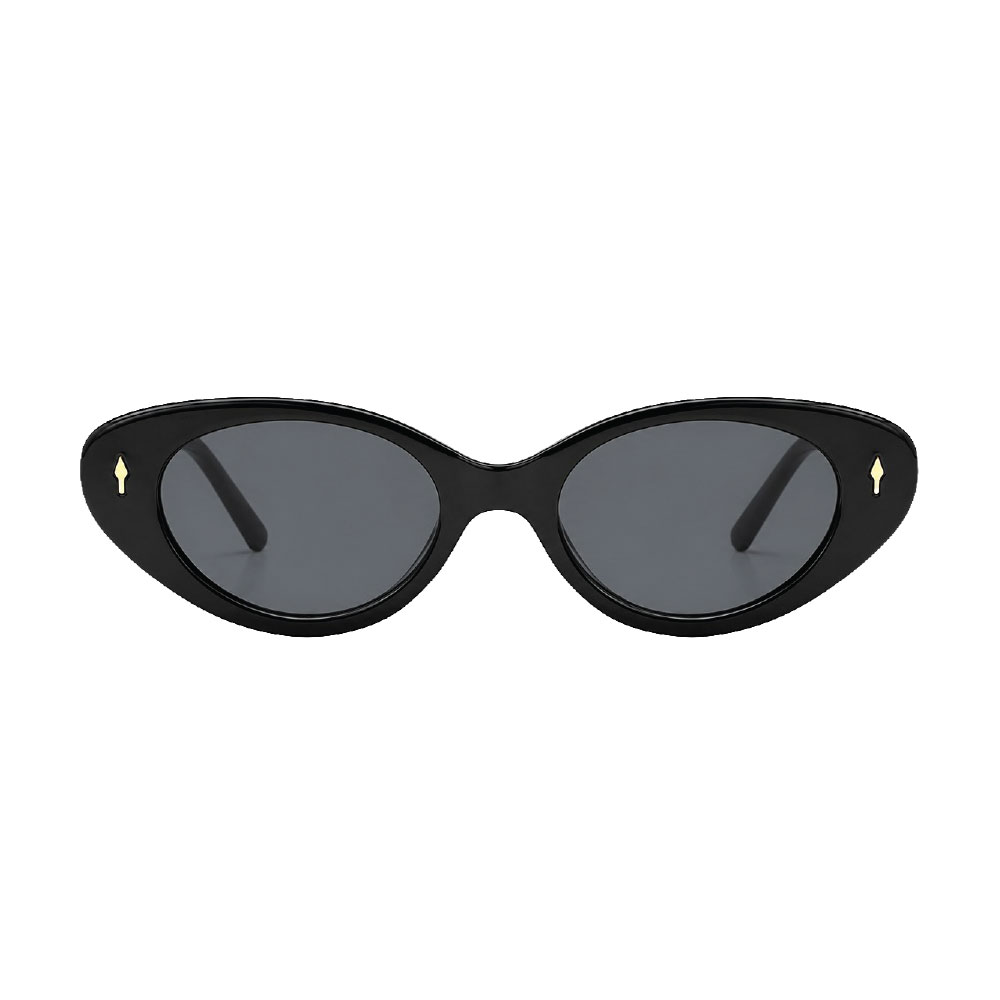
The Cat-eye
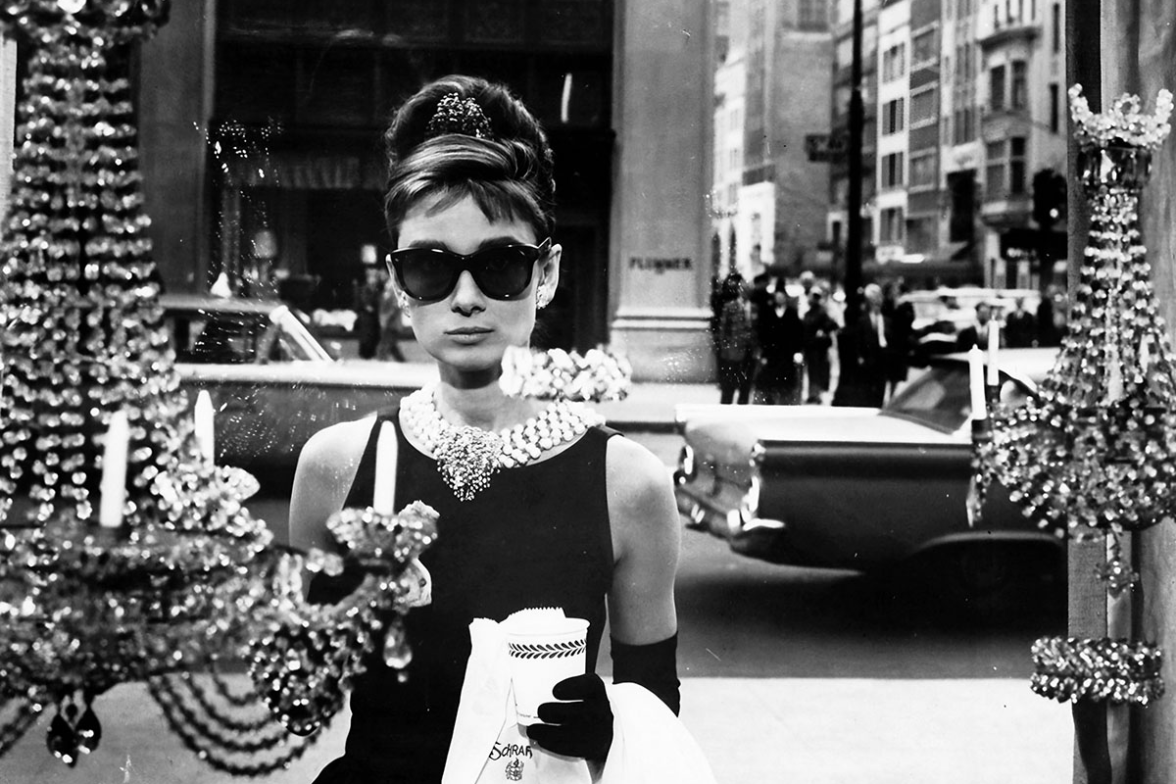
Often called the first distinctly feminine eyewear style the cat-eye was created by New York designer Altina Schinasi Miranda. Unimpressed by the standardised unisex frames in an optician’s window, she set out to make glasses that made women feel attractive, further inspired by Dorothy Parker’s famous line about men seldom making passes at girls who wear glasses! Loosely based on the Venetian Harlequin mask (they were originally called Harlequins), the cat-eye was soon adopted by screen legends Audrey Hepburn and Marilyn Monroe.
Verve Pick’s
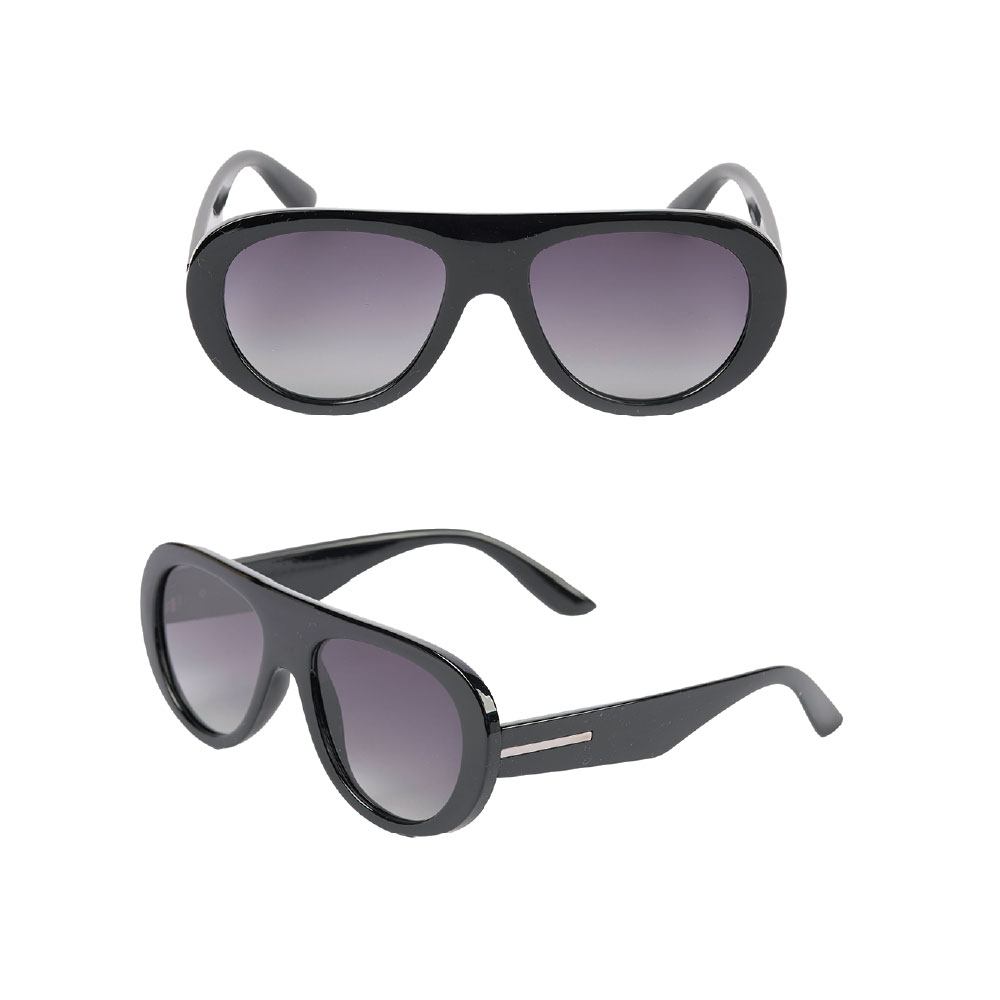
Stella + Gemma
stellaandgemma.com
Blaze Sunglasses in Black
Bold, sculptural frames meet effortless cool. An oversized statement style designed to evaluate everyday looks and add a touch of attitude to sunny days.
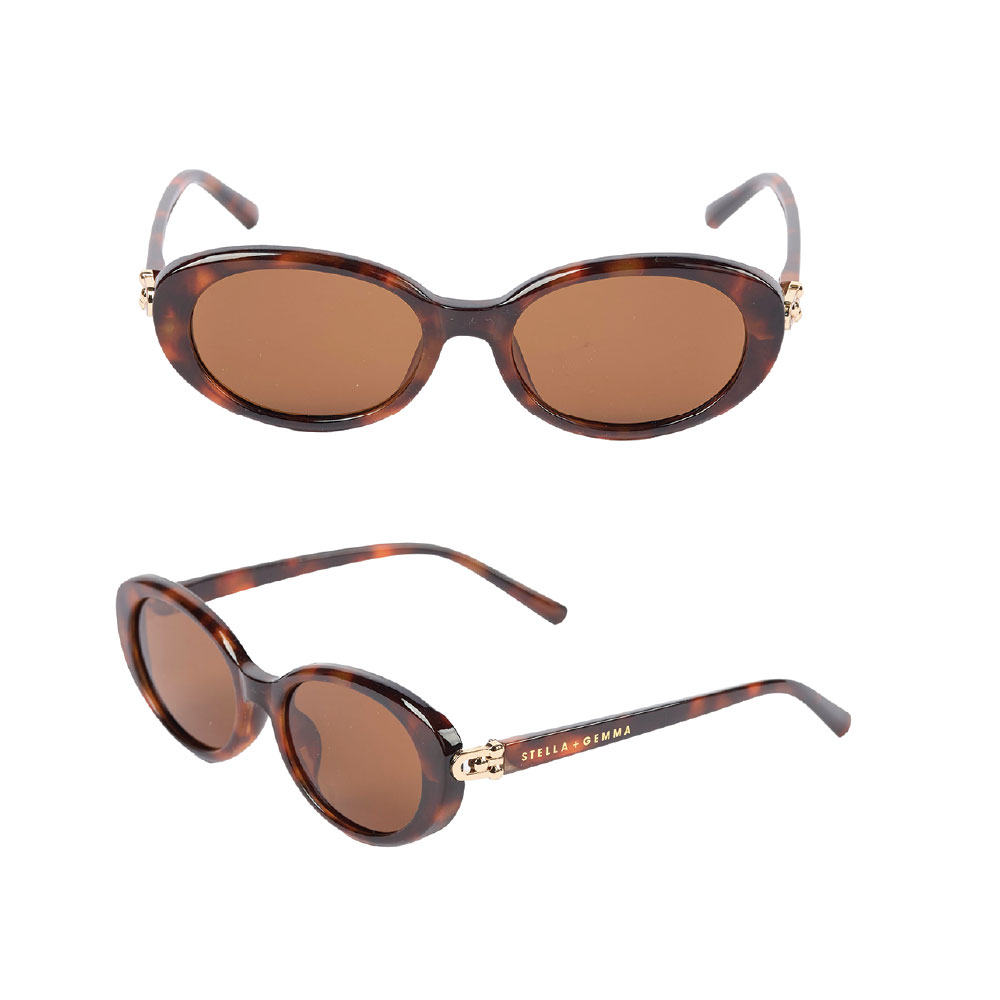
Stella + Gemma
stellaandgemma.com
Indy in Tort
A timeless silhouette in rich tortoiseshell with warm tinted lenses. The perfect blend of vintage charm and modern sophistication for effortless everyday styling.
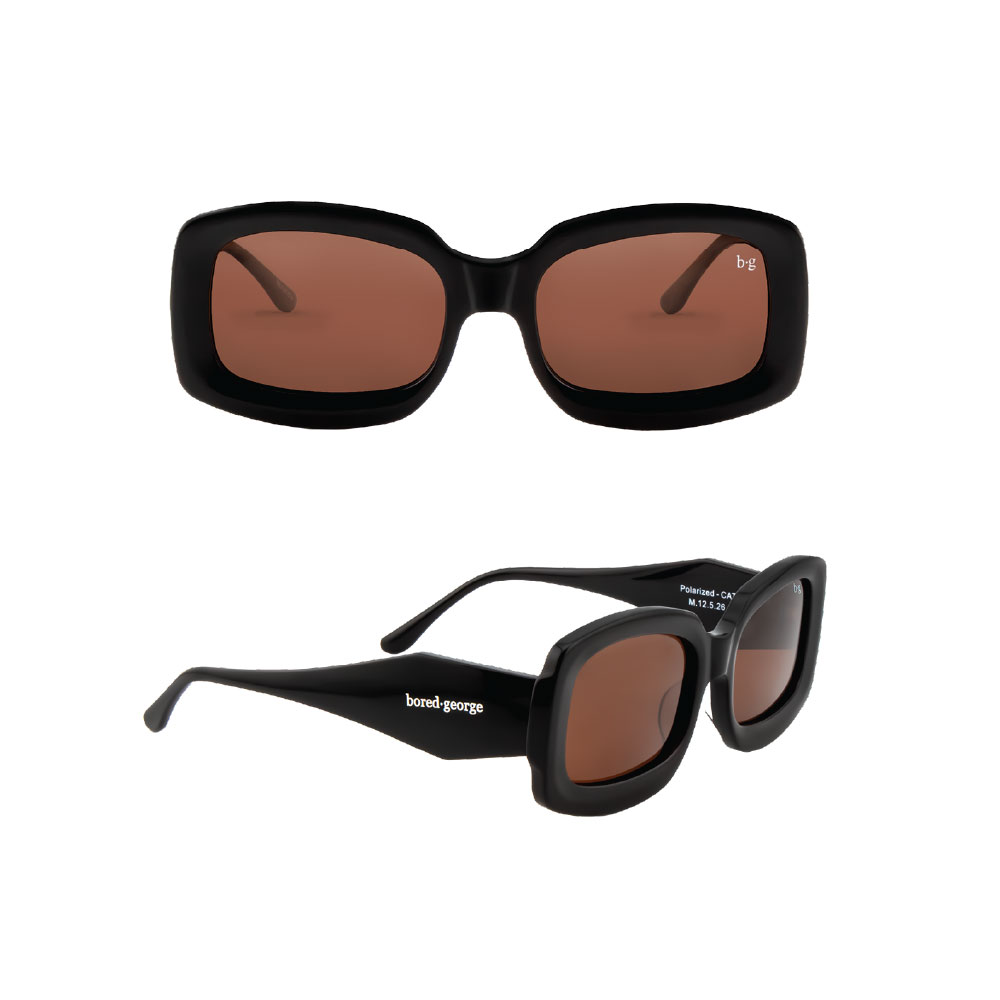
Bored George
boredgeorge.com
Miranda Black
Inspired by The Devil Wears Prada, the Miranda is oversized, square and super stylish for that fashion-editor energy! Polarised UV400 lenses that cut glare. Designed in New Zealand.