
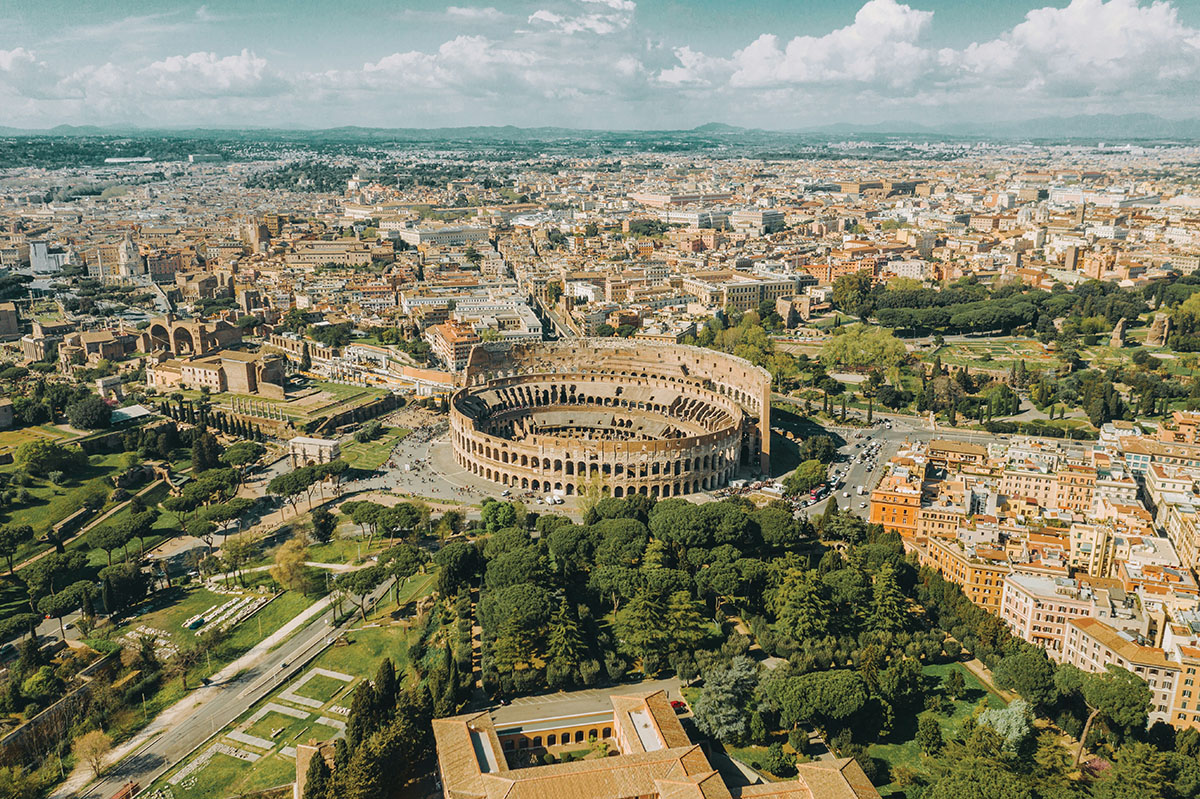
Ensnared in the final stages of a rigorous study timetable, preparing for my end of year exams, I planned endless practice essays with highlighted quotes from my beaten copy of Virgil’s Aeneid. I enlisted my brother to grill me with flashcards to memorise all there is to know about the Colosseum.
A few short weeks after that, I was in Rome for the very first time, witnessing with somewhat incredulous eyes that it was all real, that the ancient relics weren’t just pictures in a book, but enduring history all around me.
THE ANCIENT AND MODERN INTERACT
As an Art History and Ancient History major, I felt somewhat in my element in Rome. Surprisingly, it didn’t feel like a sharp juxtaposition to see Fiats and pedestrians in the same scenery as ruins of antiquity, but more like two cultures operating adjacently – ancient ruins interwoven into the fabric of the bustling modern metropolis. Even the Roman Forum can be seen from the wide, contemporary tarmac boulevard of Via dei Fori Imperiali.
THE COLOSSEUM
A visit to the Colosseum was always high on my bucket list. It occurred to me that we were doing exactly as Ancient Romans had done as we lined up beneath wide stone arches to enter the arena. Ancient Roman society was so contradictory, and the Colosseum is a prime example of this. The Colosseum is an engineering feat, a freestanding, three-storey amphitheatre with a network of vaulted tunnels beneath the arena stage. In a sharp contrast to its ingenuity is its purpose: a site of brutal violence of entertainment. I particularly loved ancient graffiti describing which gladiators were considered heartthrobs!
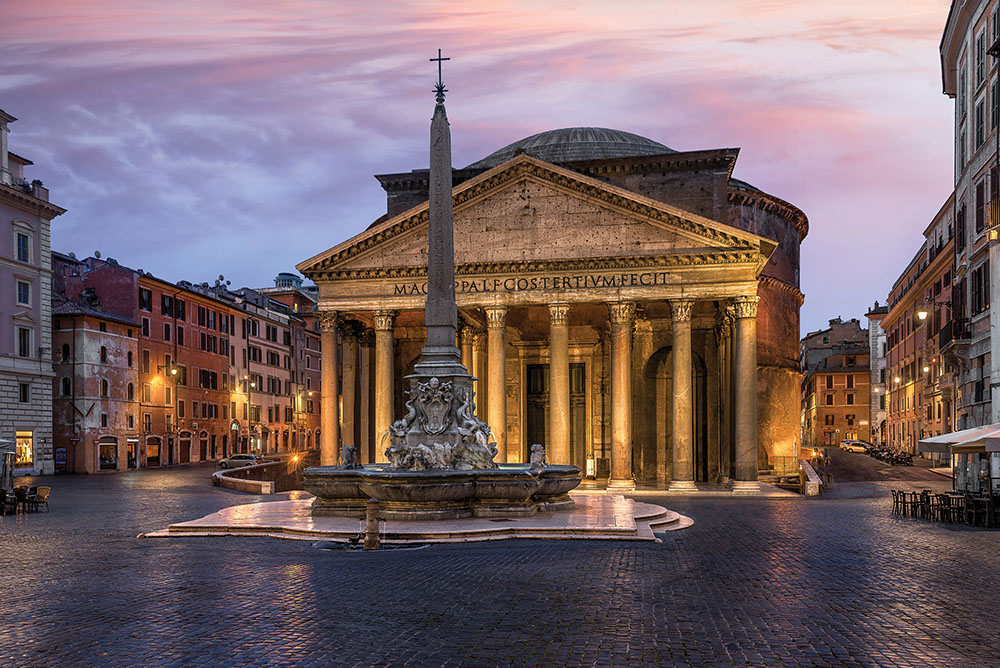
CHURCHES AND THE PANTHEON
The Pantheon is another symbol of ancient excellence. The name describes its purpose, translating loosely to denote the building as a place for all the gods of the Roman pantheon. Perhaps ironically, it is now a functioning Christian church. It’s not only ancient history that interacts with Rome’s modern urban landscape, but also its extensive Catholic influence. Churches are everywhere throughout the city, their unassuming plain exteriors belying their unfailingly jewel-like interiors, glimmering in gilded decoration. It’s a kind of casual splendour, beauty to the extreme to be found in imposing brick structures worked into the architecture of the streets.
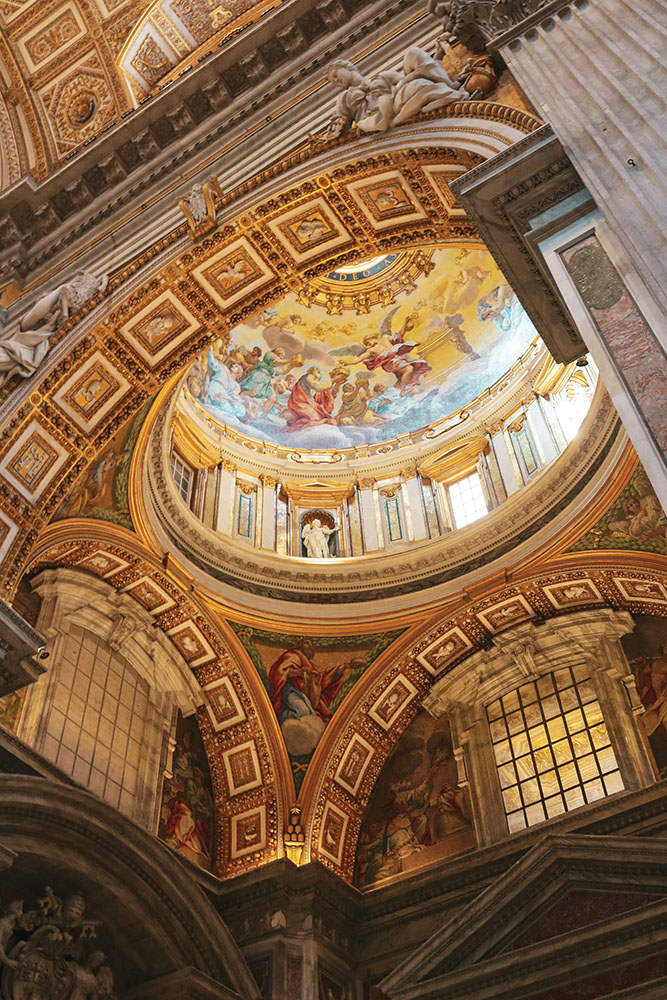
THE VATICAN
Far less casual was the extreme glamour of St Peter’s Basilica, at Vatican City. Everywhere your eye rests await gold, masterpieces, murals, and relics. Reaching the Vatican was strangely easy. It felt deeply unusual to walk 15 minutes, catch a bus, and officially be in a different country. That short bus ride is one of my favourite memories from Rome. We careened through the streets, steered by a curmudgeonly elderly bus driver who made sudden swerves and turns in wide arcs that were frankly daring. He manhandled the steering wheel while I attempted with all my might to stay on my feet as we swung wildly about the city.
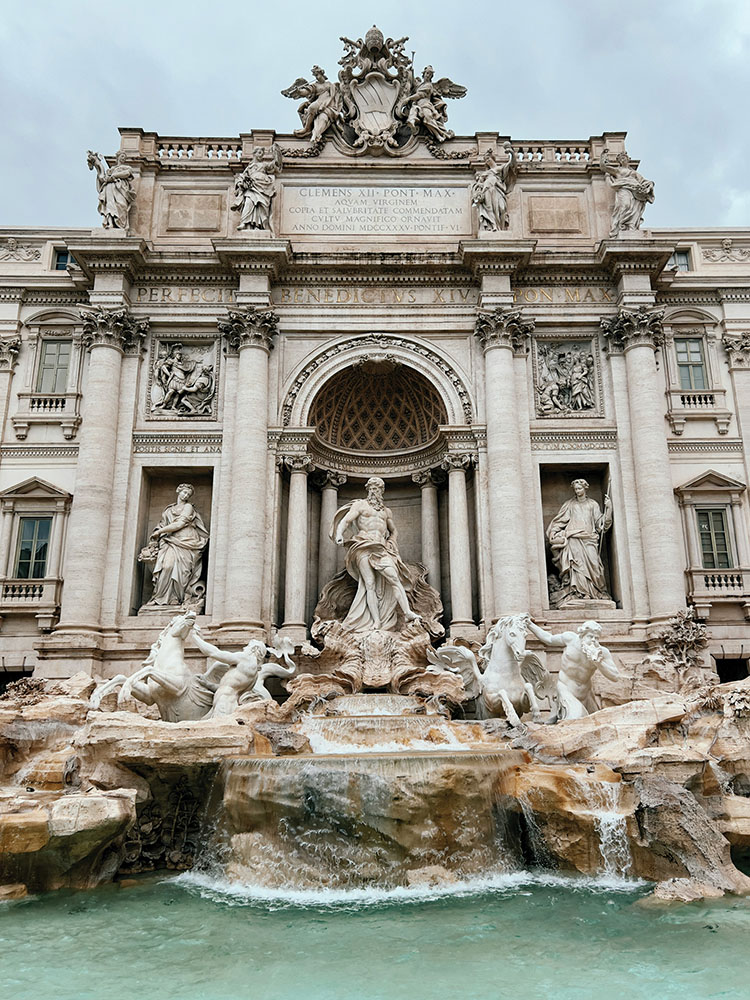
ARRIVEDERCI
My visit to Rome was filled with adventuring with my mum. We walked around 10,000 steps every day, navigating cobbled backstreets and admiring the breathtaking Trevi Fountain, watched all three Godfather films in as many days, gorged on pesto gnocchi and Bacci chocolates, and were absolutely dazzled at the array of culture and art enmeshed in the city. I adored Rome, and I know that for all we saw we barely made a dent in all the massive city has to offer. I would love to return one day to continue the adventure. But for now – grazie, Roma!