
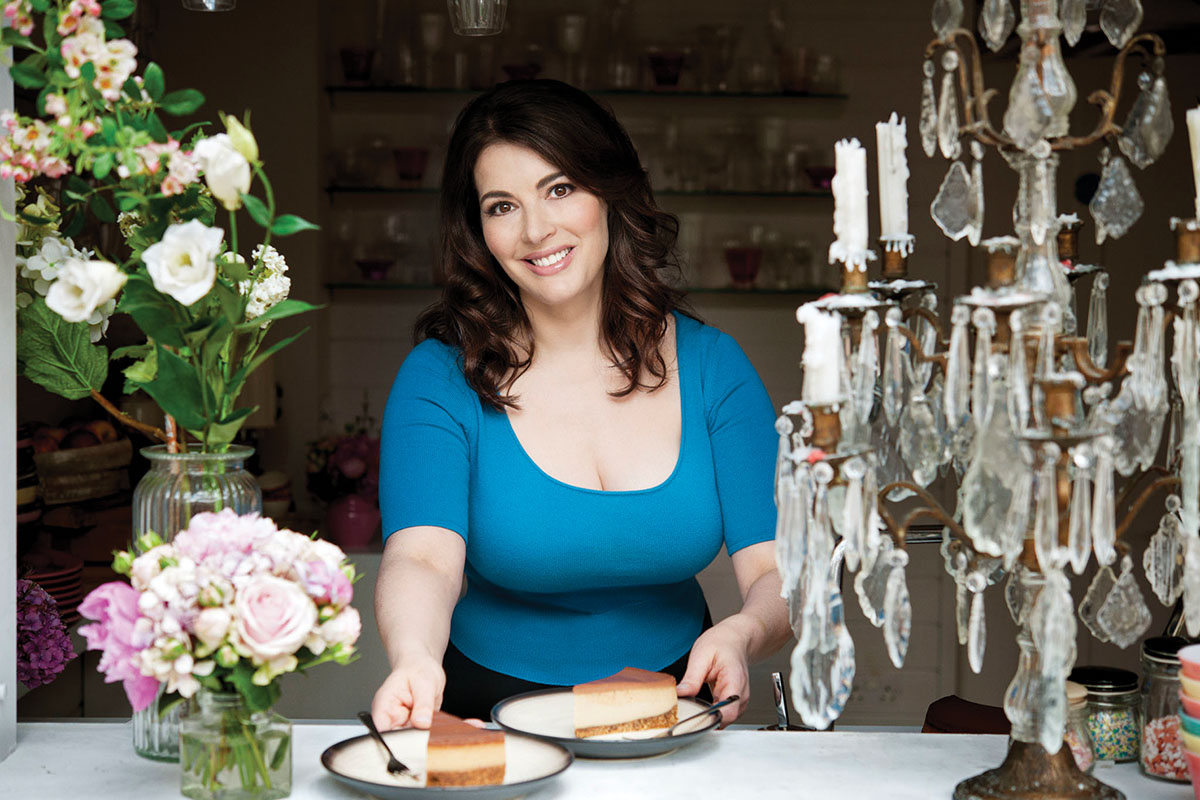
The revered chef has long stood as an enigma in the food world. With no formal training in gastronomy, she has ascended the ranks, earning the adoration of countless fans around the world.
Her paradigm shifts and the legacy she has crafted – often by breaking kitchen etiquette – are some things often forgotten, as her heritage as a television chef is almost taken for granted.
And despite the 66-year-old’s vast influence she often shies away from titles and, in particular, the term ‘celebrity chef’.
“I’ve never been comfortable with that one,” she says.
“I feel it places more emphasis on the ‘celebrity’ than the ‘chef’. While I’m grateful for the platform and the love I’ve received, my main drive has always been the food and the stories it tells. Adding ‘celebrity’ to it somewhat detracts from that genuine narrative.”
She has, she says, “always tried to approach food with an intense passion and curiosity”: “From my days penning thoughts about dishes to showcasing them on television, it’s always been about sharing the joy of food.”
Her evolution from food writer to global culinary icon was anything but conventional. After beginning her career as a journalist – including a stint as deputy literary editor of The Sunday Times – Lawson entered the food world through writing rather than the professional kitchen. Her 1998, How to Eat, rejected the traditional cookbook format, blending recipes with personal essays and reflections on the pleasures and realities of home cooking. “I wanted to make food and my slavering passion for it the starting point,” she penned in that debut book.
“Over the years, I believe I’ve grown more confident in embracing my own style,” she continues, “celebrating both the simple and the exquisite, but always authentic to what I truly feel.”
It’s hard to imagine the culinary landscape without the indomitable presence of Nigella. Her approach to cooking and presenting food is unlike any other. Before Nigella, many female chefs on television seemed to emphasise their professionalism, often styling themselves in ways that downplayed their femininity. It was almost as if in order to be taken seriously in the largely male-dominated world of cuisine, they had to fit into a certain mould.
Enter Nigella, who shattered this image with a hammer of authenticity.
“In a world where culinary television was often seen through a predominantly male lens, I wasn’t aiming to champion the voice of the female foodie,” the Londoner admits.
“It wasn’t about replacing one with the other, but about celebrating the richness of experiences and flavours that women bring to the table. I believe every dish tells a story, but it was high time more of these tales were told by women.”
Embracing a ‘sexy food’ image, Nigella didn’t shy away from indulgence, but rather relished in the sensuality of food – its textures, flavours and the sheer joy it could bring.
“If I can encourage someone to trust themselves more in the kitchen and find joy in the act of cooking, then I feel I’ve succeeded.”