

FIRST PEOPLE
Human presence dates back up to 30,000 years in Canada with the first arriving via a land bridge from Asia. Norse explorer Leif Erikson briefly reached Newfoundland around 1000 AD. French and British colonisation began in the 1500s, sparking conflicts over land and fur trade that culminated in British control after the French and Indian War, though French influence endures. Confederation formed in 1867 and full independence followed in 1931.
Today, Canada is a nation of many cultures. Roughly half the population descends from British and French settlers, followed by waves of other European and Asian immigrants. Indigenous peoples make up about 4%, with Inuit concentrated in the Northwest Territories and Nunavut. Many Native Canadians remain on ancestral lands, and Indigenous art holds a prominent place in national culture.
CITY LIVING
Though 90% of Canada’s land is uninhabited wilderness – second only in scale to Russia’s – 82% of Canadians live in cities. Toronto, arguably its most cultured urban centre, was once named by Vogue has having the world’s second-coolest neighbourhood (behind Tokyo).
Nearly half of Toronto’s three million residents were born abroad, and the city’s warmth toward calling immigrants, known simply as “newcomers”, defines its character. There’s a Little India, Chinatown, Greektown, Koreatown, Portugal Village, and two Little Italys! Over 150 languages are spoken, and indigenous heritage is celebrated.
Beyond its diversity, Toronto offers plenty of highlights like climbing the 553-metre CN Tower, wandering the Distillery District’s cobblestone lanes, or marvelling at dinosaur skeletons inside the Royal Ontario Museum.
WILDLIFE
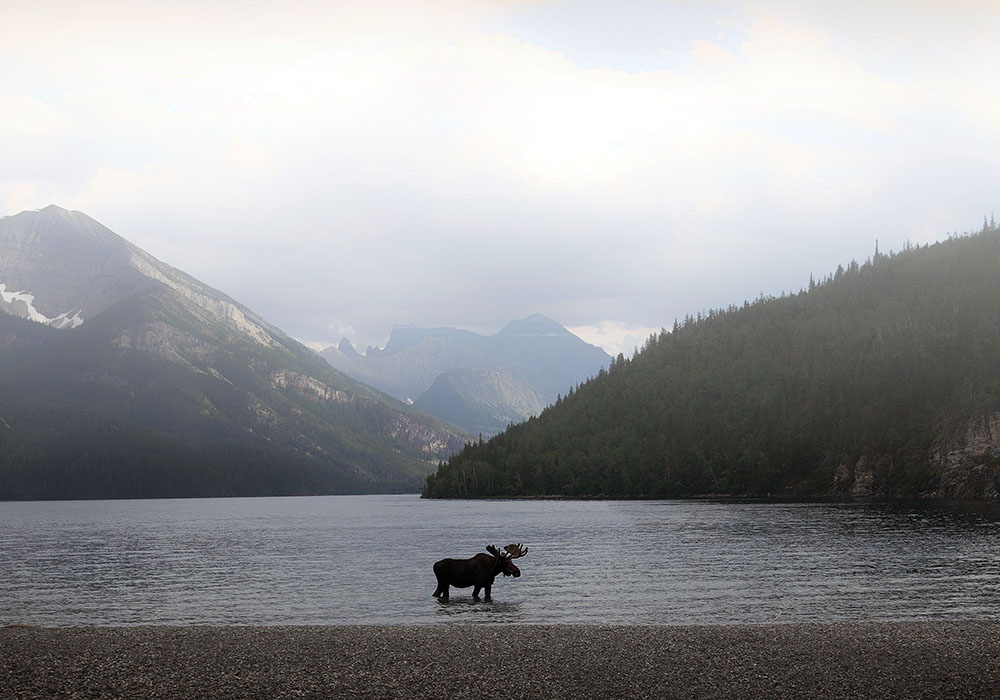
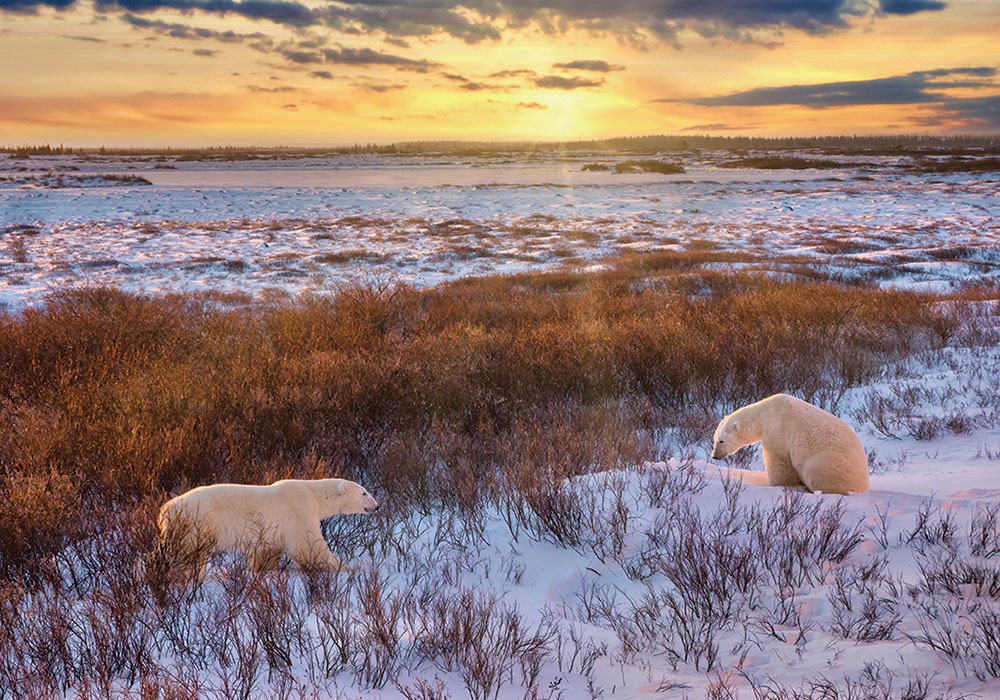
From bears and wolves to bison, pronghorn, and caribou, Canada’s forests, prairies, and tundra teem with life, while its lakes hold a fifth of the world’s fresh water. The moose population – estimated to be at least 500,000, possibly double – is more than half the global total. Featured on Ontario and Newfoundland’s coats of arms, they’re endangered in Nova Scotia amid climate change and disease. Churchill, Manitoba earns fame as the polar bear capital.
WILDERNESS
Spanning an area of 9.98 million square kilometres across six time zones, Canada boasts the world’s longest coastline at over 200,000km. Within this vast landscape, Parks Canada protects 37 national parks and 11 reserves across every province and territory. Here are some of the highlights…
Kluane National Park and Reserve
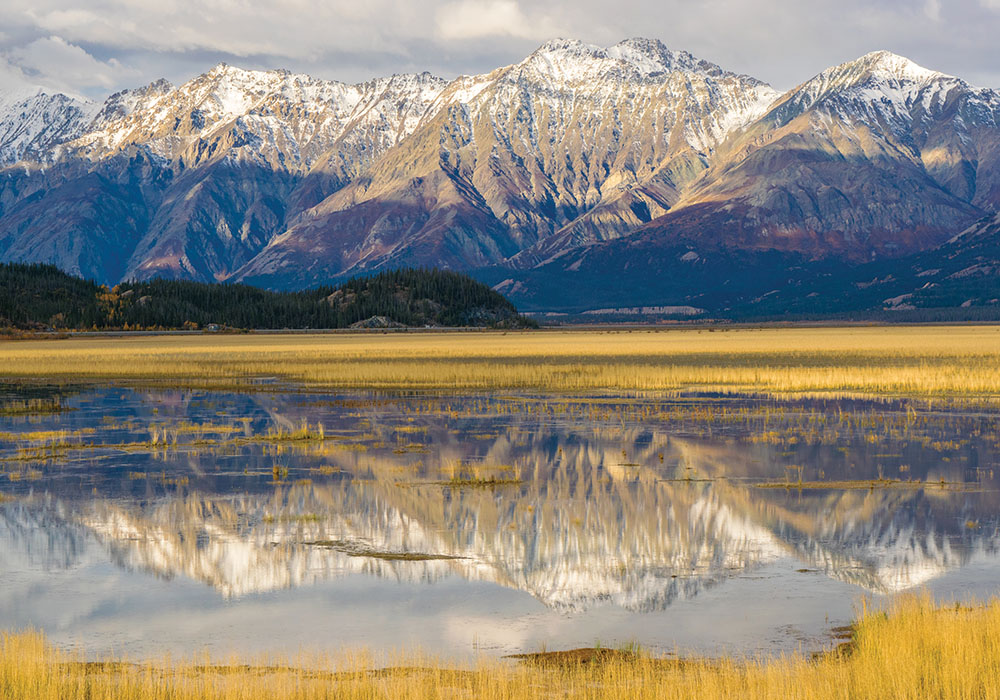
Kluane National Park holds 17 of Canada’s tallest mountains, with more than half permanently under snow and ice. Kathleen Lake offers car-accessible paddling, while hikes like the Kokanee Trail reveal Dall sheep, mountain goats, and grizzlies. The nearby Thechàl Dhâl Visitor Centre adds extra viewpoints and context.
Cape Breton Highlands
The Atlantic coast’s first and most iconic national park spans 235,000 acres of unique boreal and temperate forest. Its crown jewel, the Cabot Trail, offers a scenic drive along dramatic cliffs and coastline, with stops ranging from accessible hikes to unforgettable bakery detours.
Yoho National Park
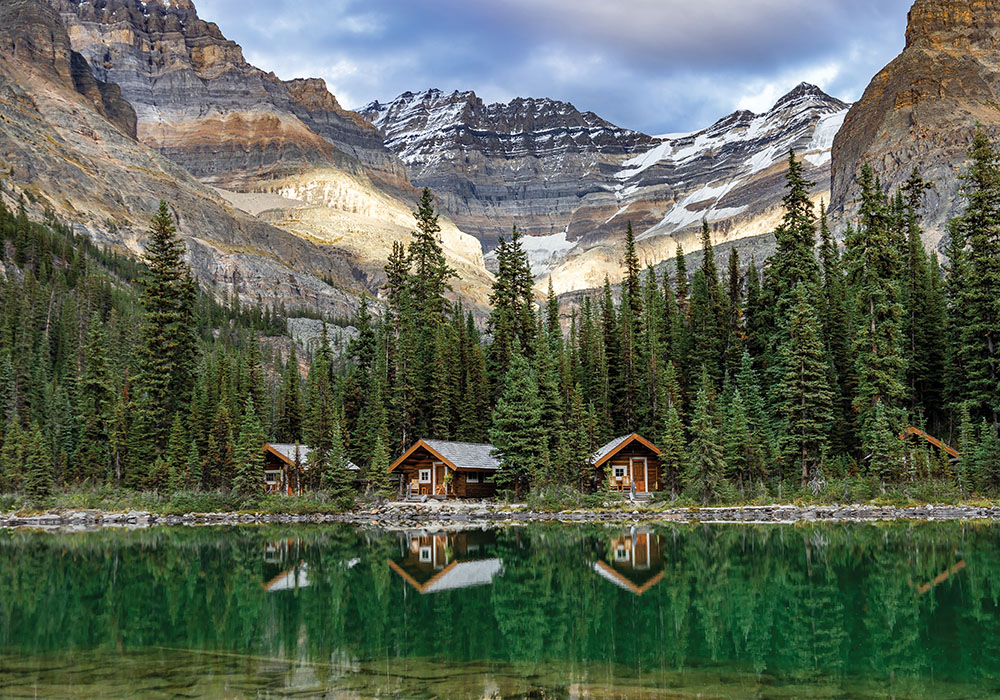
Yoho, a Cree word expressing awe, perfectly mirrors the majesty of this Canadian Rockies park famed for its soaring peaks, vast glaciers, stunning waterfalls, and even fossils – hence its Unesco status. Can be enjoyed by road or trail and is home to bears, deer, wolves, and more.
Mingan Archipelago
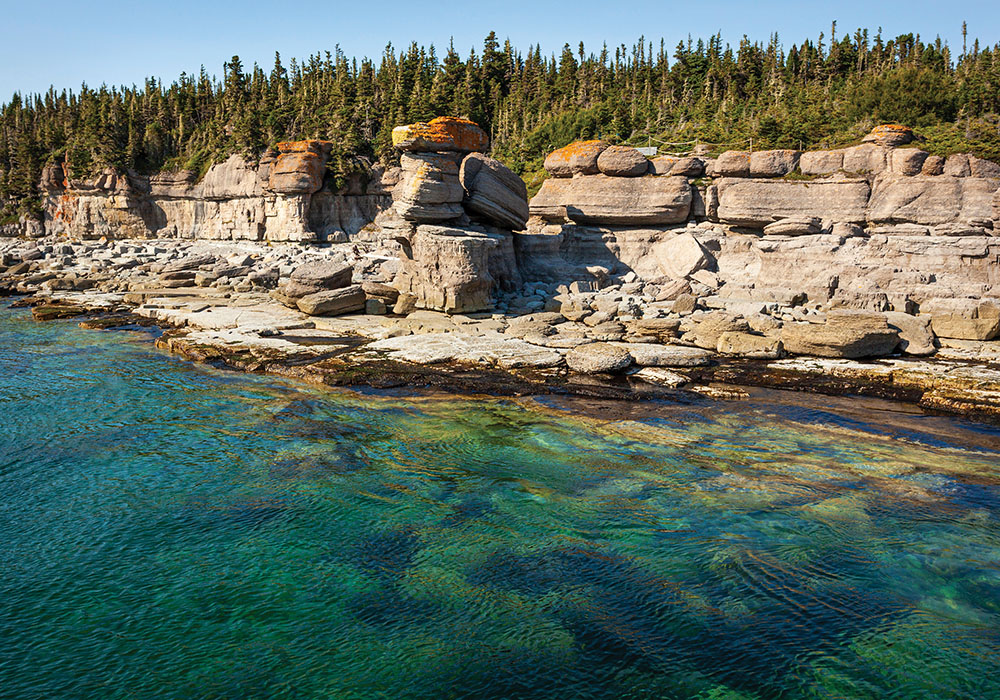
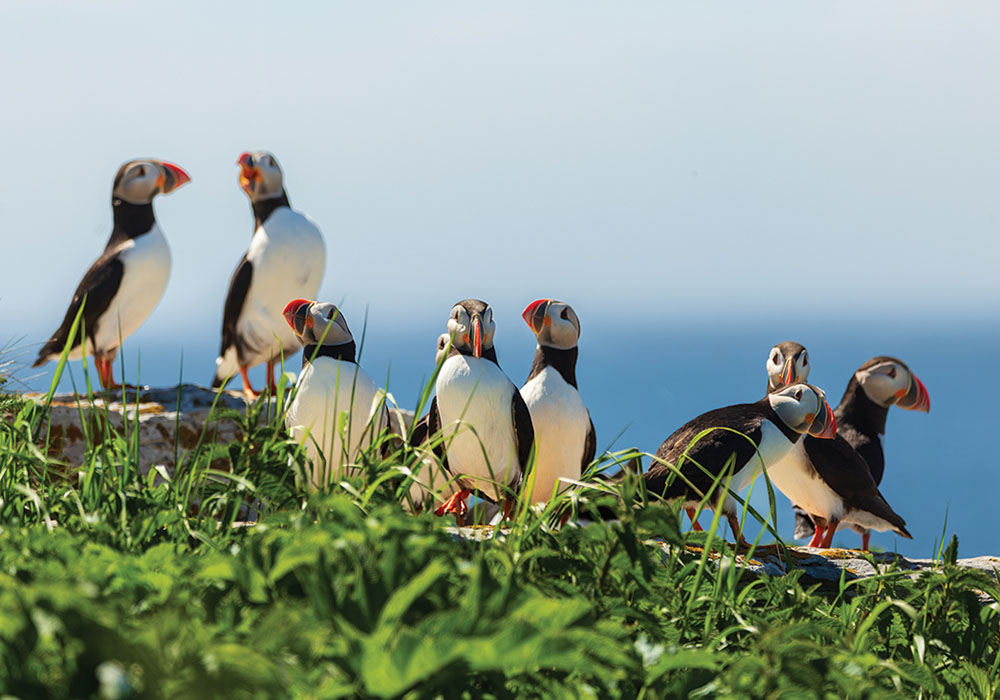
This park’s nearly 1,000 islands line the Gulf of St. Lawrence, drawing minke and humpback whales as well as nesting puffins and terns. Its shores boast the world’s largest concentration of 500-million-year-old erosion monoliths. It’s remote, but worth the trek by kayak or boat tour.
Rocky Mountain House
Technically not a national park, this National Historic Site traces Canada’s fur trade – from First Nations origins to the 1821 merger under the Hudson’s Bay Company. For 76 years, until the last fort was abandoned in 1875, trappers exchanged pelts for imported goods here.
Today, Parks Canada blends history with hands-on experience by way of trails past archaeological remains and stays in trapper cabins or tipis. The site partners with Indigenous communities on activities like baking bannock bread, and drum performances. Visitors also learn about David Thompson, celebrated as one of history’s greatest mapmakers, who charted vast stretches of North America from this very outpost.
Gros Morne
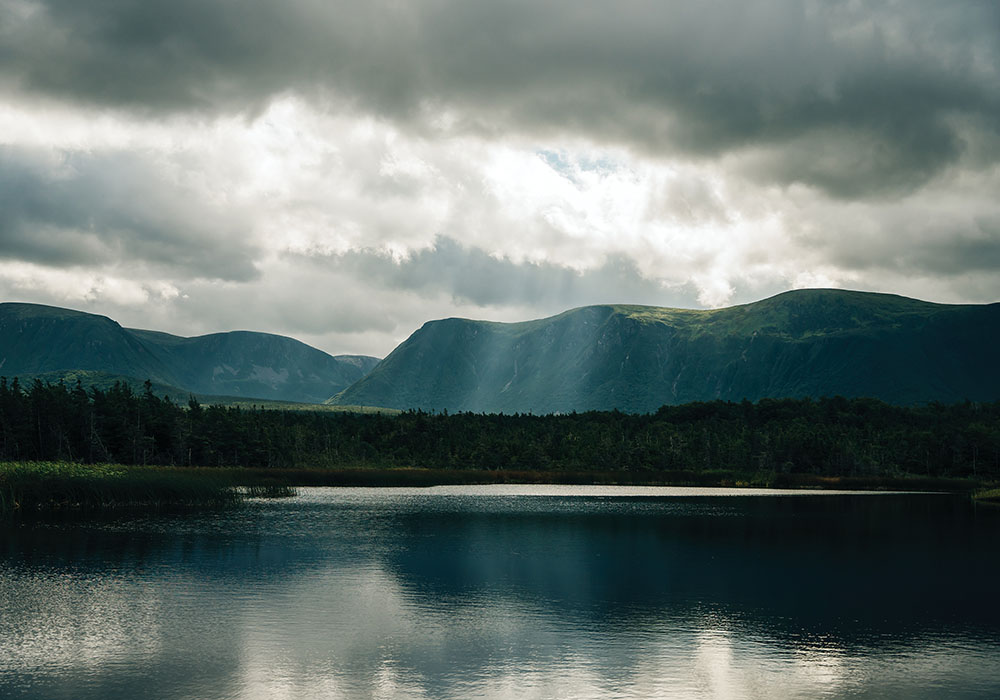
Granite mountains, valleys, and freshwater fjords showcase continental drift at this Unesco site. Adventurous hikers tackle the Long Range Traverse, a multi-day trek National Geographic ranks among the world’s best hikes. The 499-kilometre Viking Trail winds through the park to L’Anse aux Meadows, home to thousand-year-old archaeological remains and a recreated Viking settlement.
MAPLE STAPLE
Sugar maples, native to eastern Canada, have symbolised the country since the 18th century, appearing on coins and soldiers’ uniforms before the leaf’s official 1965 adoption on the national flag.
Indigenous peoples pioneered maple sap harvesting long before European settlers turned up, using tapped trees, handmade buckets, and freeze-separation techniques to produce syrup used as sweetener, medicine, and currency.
Today, Canada supplies around three quarters of the world’s maple syrup, with Quebec alone producing about 90% of the national total. Every spring, ‘sugaring-off’ season peaks with the Elmira Maple Syrup Festival in Ontario which draws tens of thousands annually and earned a Guinness World Record in 2000 for single-day attendance: 66,529 people, run by 2,000 volunteers.
Beyond such festivals, maple syrup drives real economic weight – a multi-billion-dollar industry rooted in Indigenous tradition and still central to Canadian identity each spring.
CONNECTED CANADA
Alexander Graham Bell is famous for inventing the telephone in 1876 – a story that connects to Canada. Bell’s family emigrated from Scotland to Brantford, Ontario in 1870, where he conducted much of his early research. While the first intelligible telephone call happened in Boston that in March of that year, Bell made the world’s first long-distance call on August 10, 1876 – from Brantford to nearby Paris, Ontario. Ironically, he wasn’t even trying to invent the telephone but was looking to perfect multi-message telegraphy. It was driven partly by a promise to marry Mabel Hubbard, the daughter of the man funding his research who would only promise to give his blessing once Bell had finished the project!