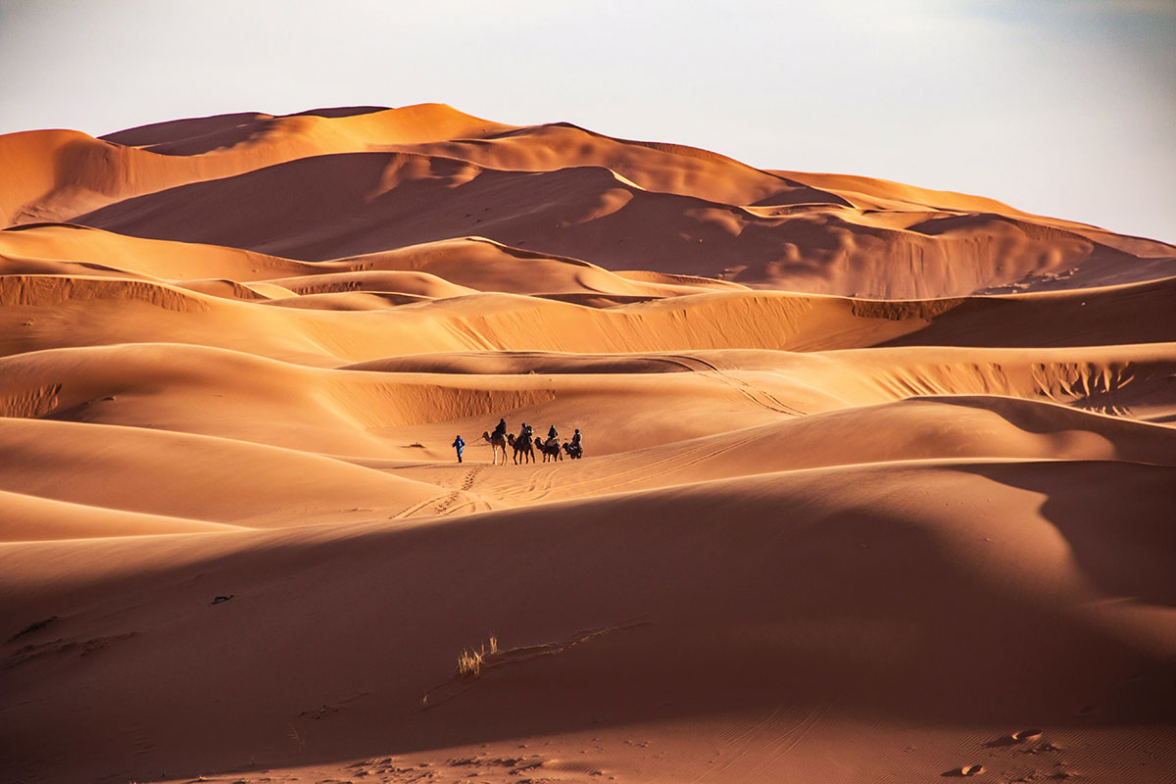
Dunes of Merzouga
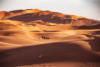
Merzouga is a small village that serves as the gateway to Erg Chebbi – among the tallest dunes in the Sahara. Rising to around 150m and stretching more than 20km, they’re best explored by camel ride, with unforgettable overnight stays in desert camps available.
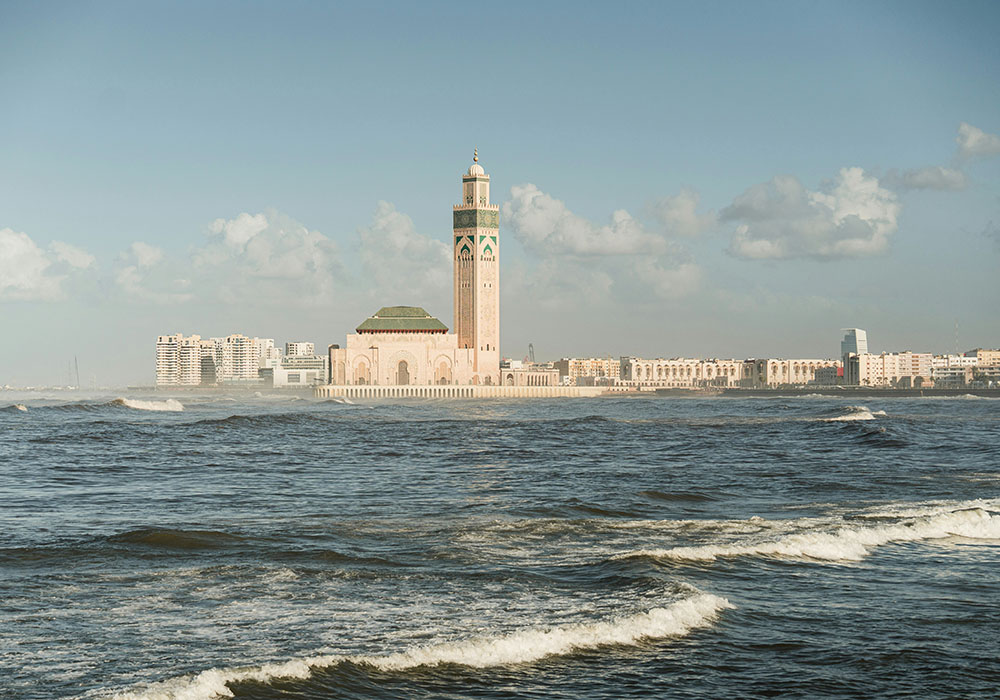
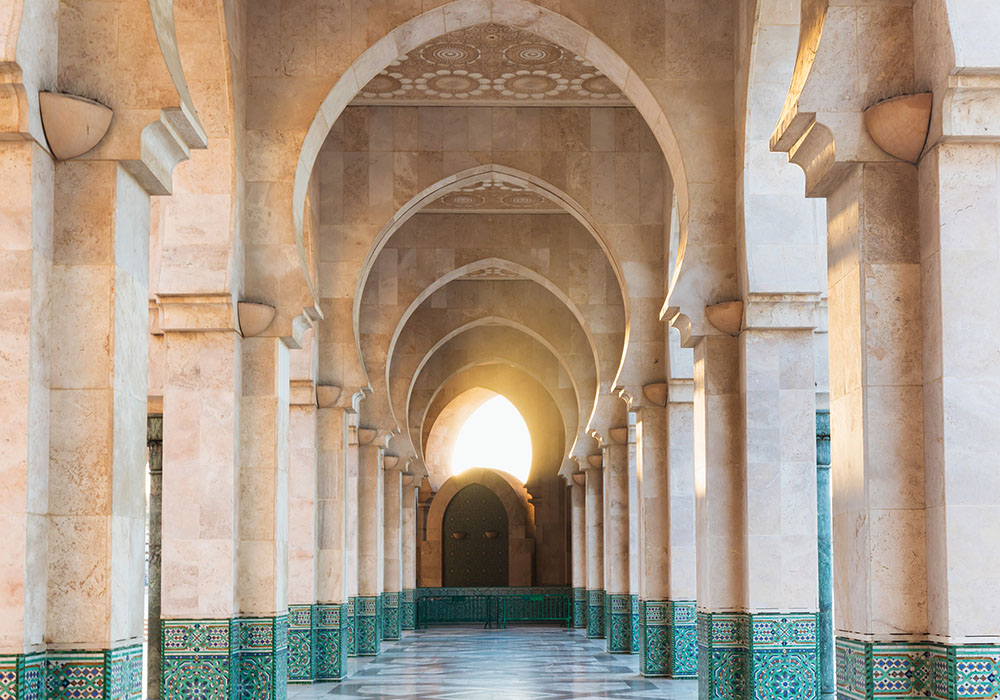
Casablanca
Morocco’s economic capital and largest city famously bridges old and new, mixing Art Deco and traditional Moroccan architecture with more modern offerings. Its modern centre was planned by Henri Prost under the French protectorate, yet it now feels distinctly post-colonial, with lively pan-African street life. The 1942 film made the name famous, though it was shot in California, today a real-life Rick’s Café recreates the film’s nightclub!
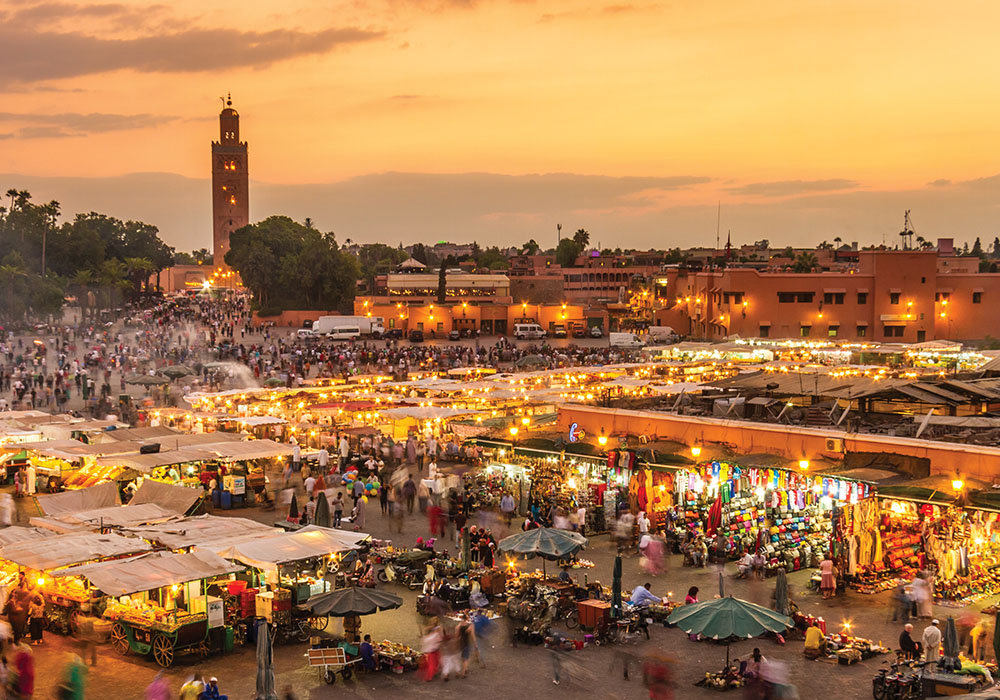
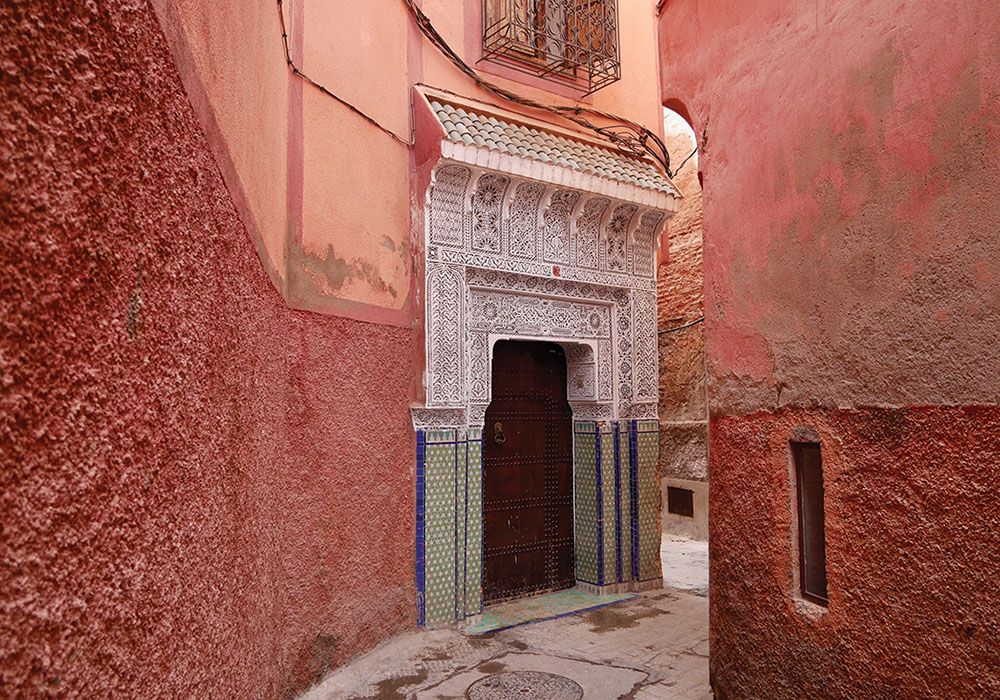
Marrakesh
Founded in the 11th century, the enchanting ‘Red City’ of Marrakesh is a tangle of narrow streets and lively souqs (open-air markets), with plaster arabesques, mosaics and carved cedarwood at every turn. Sample the cuisine, wander the square Djemaa El Fna in the medina (Old Town), and explore the more modern Ville Nouvelle.
Marrakesh is a leading North African contemporary art hub. Comptoir des Mines Galerie shows artists in a 1932 art deco building in Gueliz, while Galerie Siniya28 champions Essaouira’s Art Naïf painters and emerging artists. Bab el-Khemis, at the medina’s northern gate, opens onto an iconic flea market.
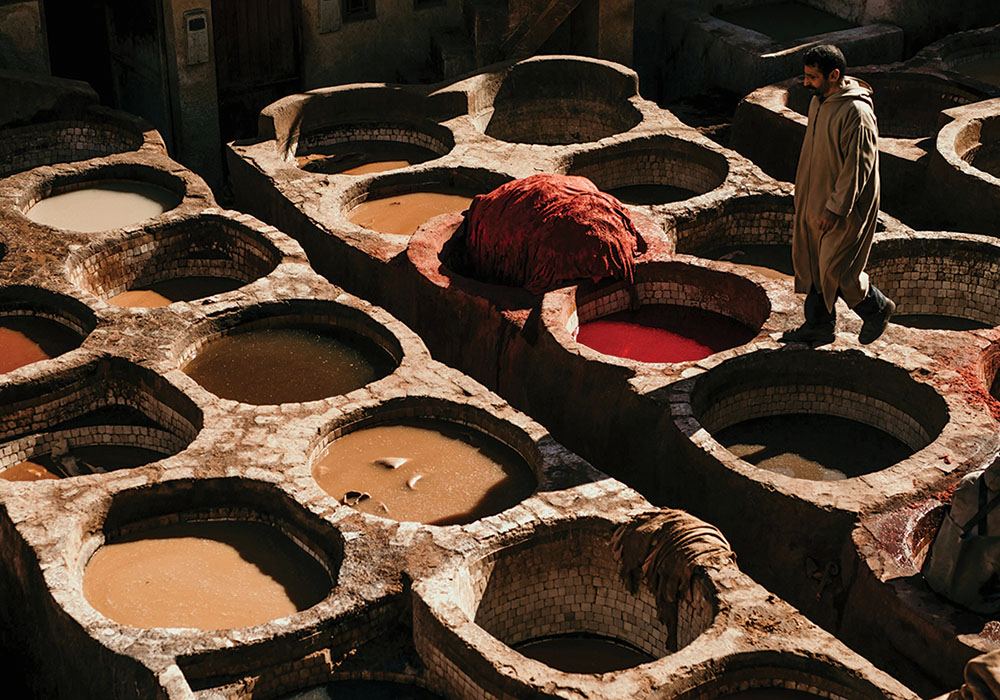
Fez
Set between the Rif and Middle Atlas Mountains, Fez has long been Morocco’s cultural, spiritual and intellectual heartland. Founded by the Idrisid dynasty between 789 and 808, it was Morocco’s capital until 1925. Its car-free medina, Fes el-Bali, is a Unesco World Heritage Site and one of the world’s largest and best-preserved medieval urban areas. Here you’ll find the University of al-Qarawiyyin, founded in 859 and the Chouara tannery (in operation since at least the 16th century) for a glimpse of the Morocco that once was.
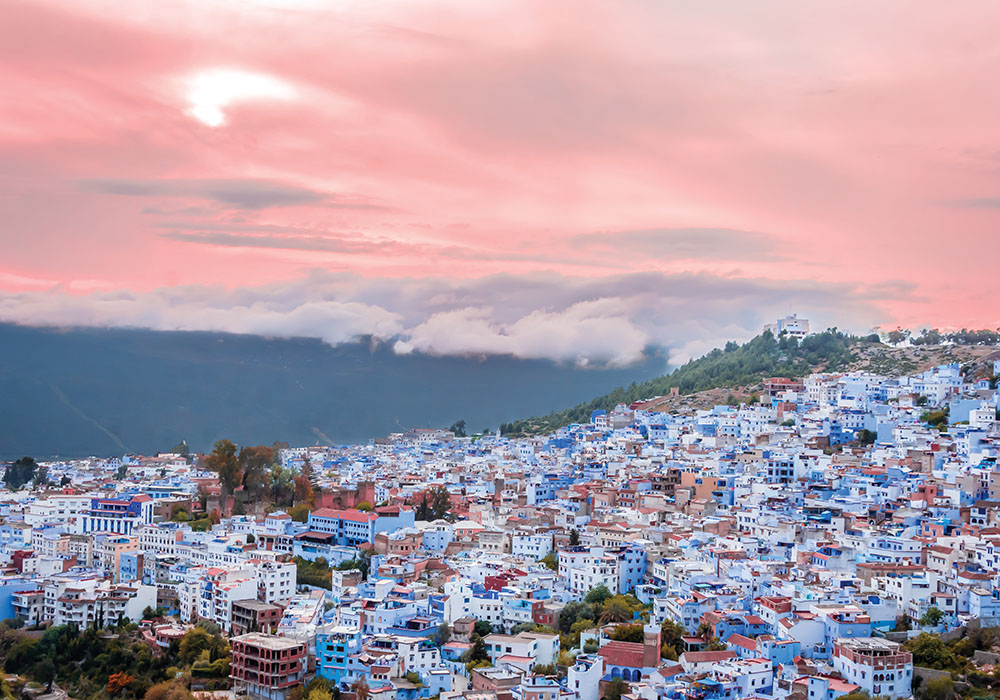
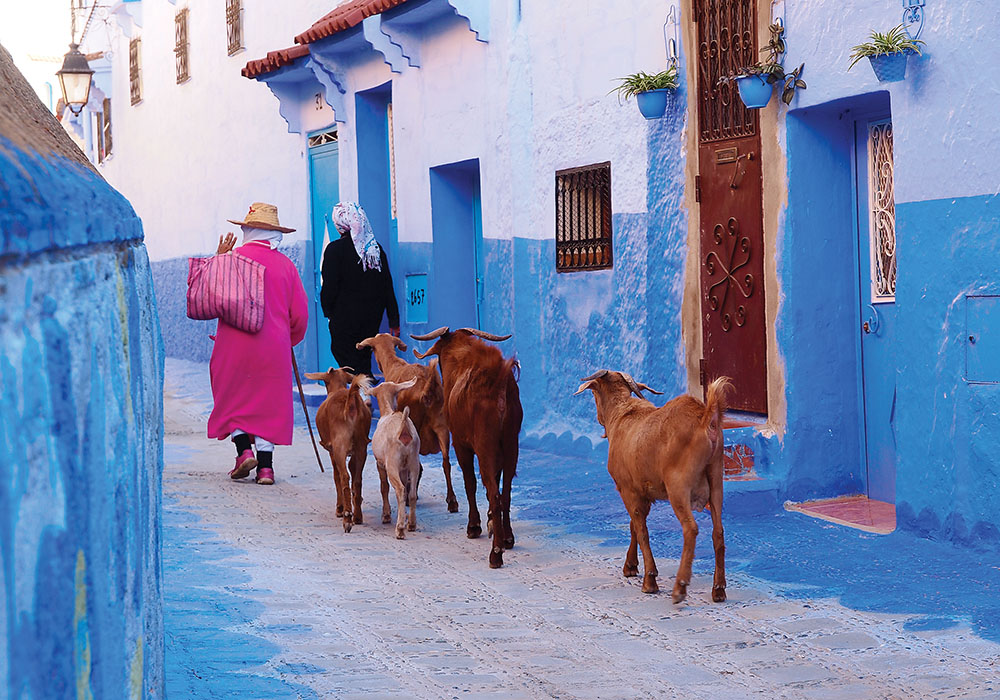
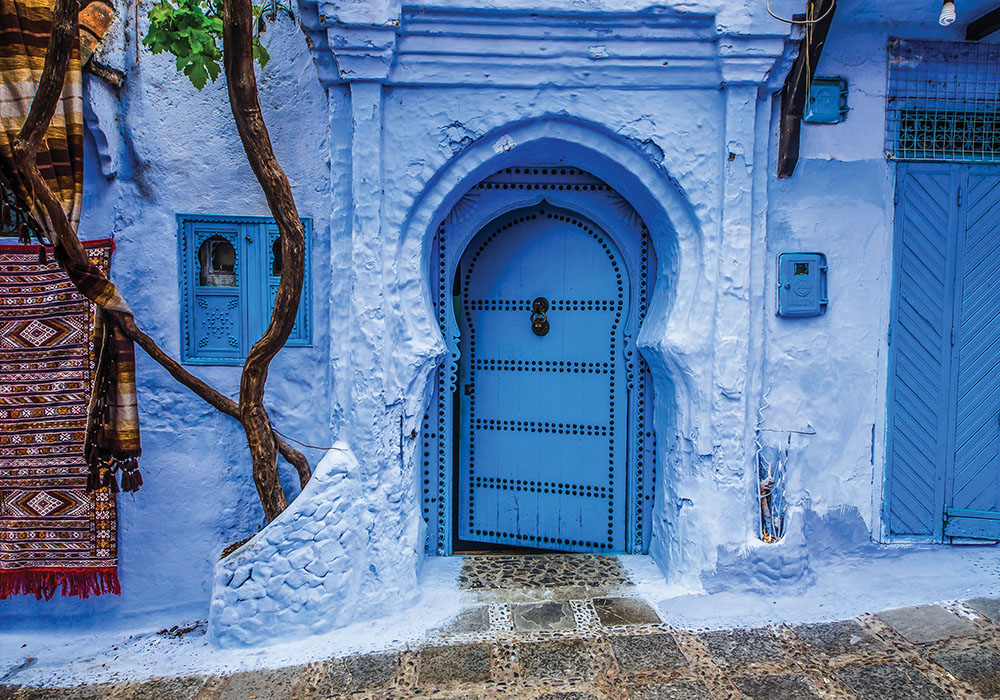
Chefchaouen
Set on a Rif mountainside, Chefchaouen boasts an ethereal charm thanks to its blue-washed houses which bathe the town in azure. Wander the medina’s winding alleys, mingle with locals and sample freshly baked loaves. At its heart, the Kasbah has lush gardens and a museum of old weapons, historic photographs and textiles. Beyond town, trails through the Rif mountains reveal a different side of Morocco.
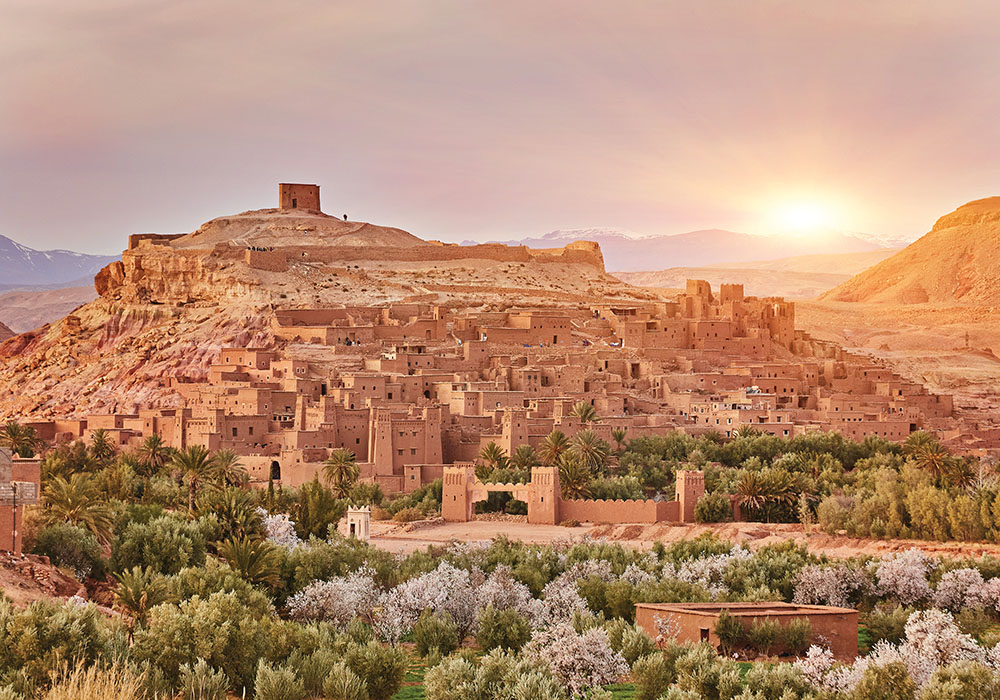
Ksar of Ait-Ben-Haddou
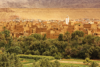
Aït Benhaddou is the most famous ksar (a traditional fortified earthen village) in the Ounila Valley on the southern slopes of the High Atlas. Another Unesco-listed site, this striking example of southern Moroccan architecture has served as a film backdrop for the likes of Lawrence of Arabia and Gladiator.
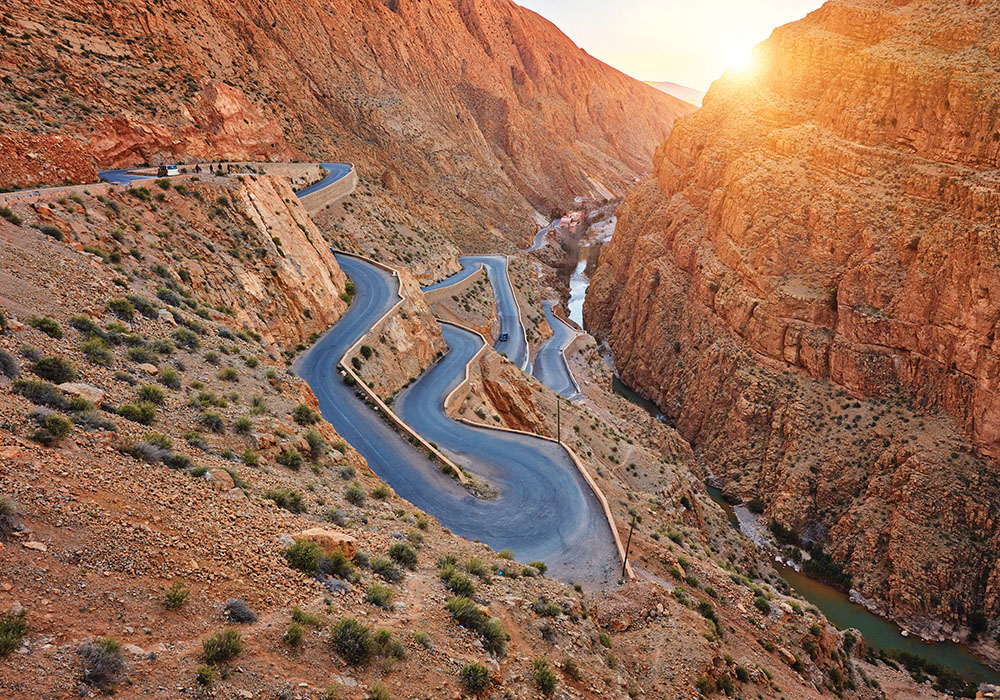
Todra Gorge and Dades Valley
Between the High Atlas and the Sahara, these two dramatic gorges lure trekkers and climbers from the world over. Todra Gorge’s walls rise almost vertically for up to 300m above a stony floor as narrow as 10m, while Dades Valley is famous for its hairpin road and is a photographer’s favourite thanks also in part to unusual rock formations known as ‘monkey fingers’.
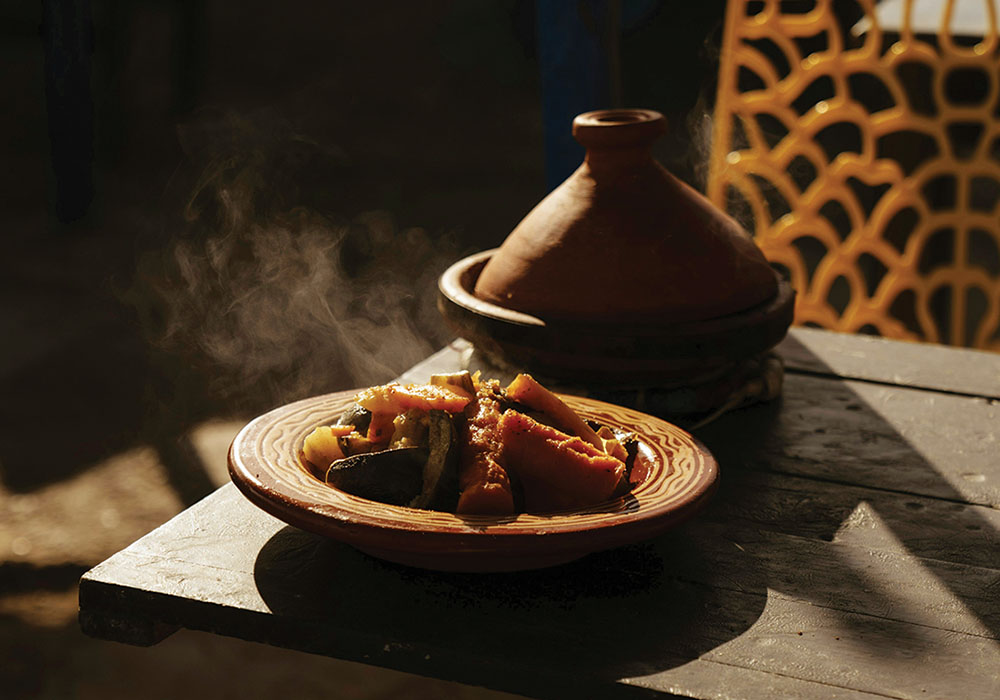
Savour the Flavours
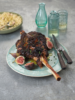
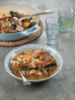
Moroccan cuisine blends Berber, Arab, Andalusian, Jewish and Mediterranean traditions, and relies on spices, herbs, floral waters, and slow cooking. Tagine, maybe its most famous food, is a slow-cooked stew named after the conical clay pot it cooks in, while couscous, steamed semolina, is traditionally topped with meat and seasonal vegetables and usually served on Fridays.
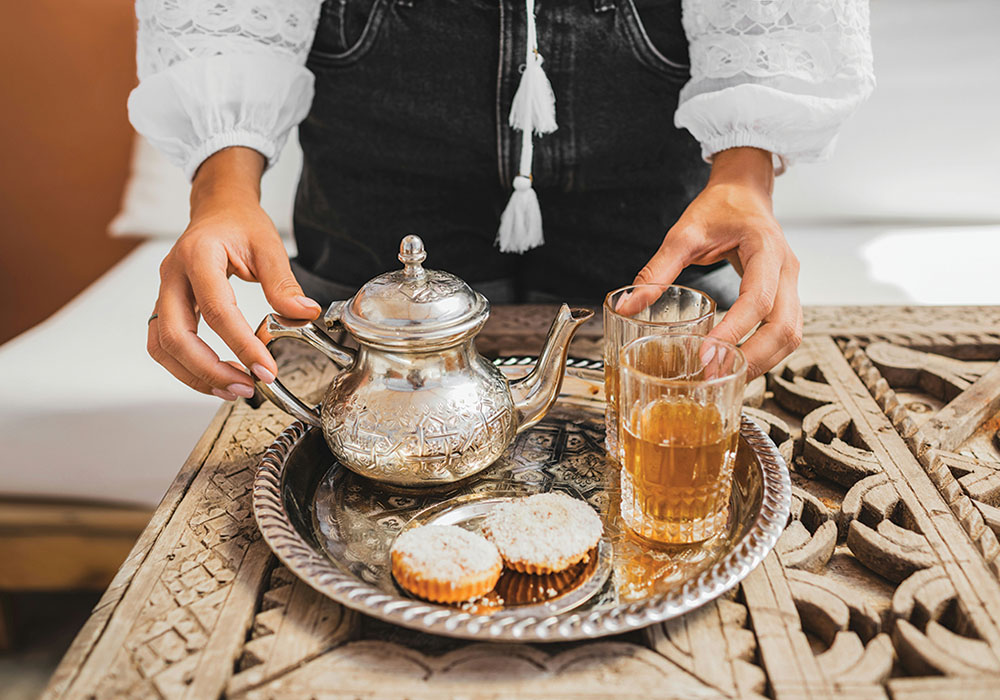
Moroccan mint tea is a traditional preparation of gunpowder green tea, fresh spearmint and plenty of sugar. Introduced through 19th-century trade, it’s central to Moroccan hospitality and traditionally served in small glasses.