
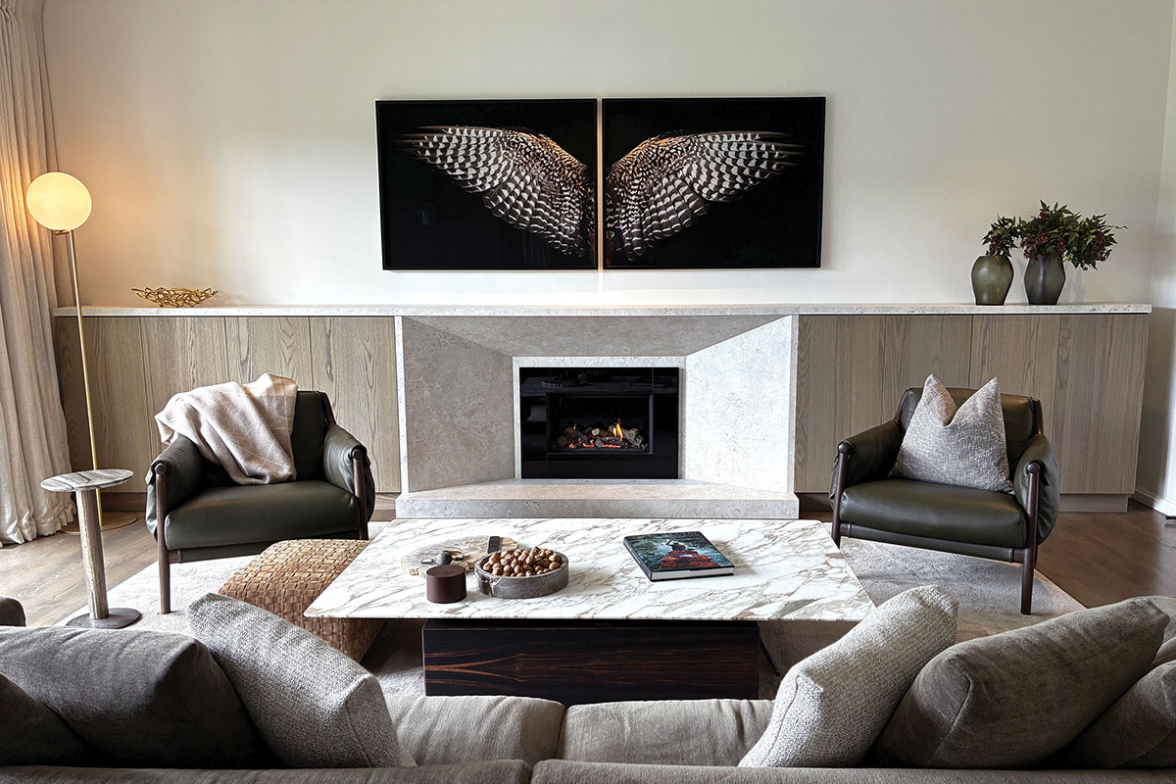
Designs for Fires blends architectural thinking with hands-on expertise for outstanding results – and they’ve been doing it for more than 20 years.
“For me, a successful fireplace needs to feel as though it belongs in the architecture of the room, rather than looking like an appliance that has simply been added to a wall,” says owner Angela Hiddleston. “The best fireplaces are those where the design and technical requirements have been considered together from the beginning.”
You have qualifications in both architecture and interior design. How does that influence your approach?
It means I naturally look at a fireplace from both a technical and design perspective.
My architectural background makes me consider the building itself – structure, flue path, clearances, ventilation, installation and compliance – while my interior design background brings in proportion, materials, sightlines and how the fireplace sits within the room. Fireplaces really sit at the intersection of architecture, interiors and building technology, so understanding all three is incredibly valuable.
What are some of the things home owners often don’t realise need to be considered before choosing a fire?
People often start by choosing the fireplace, when there are quite a few things that should be established first.
The size and heating requirements of the room, construction of the house, fireplace position, flue path, combustible clearances and surrounding materials can all determine which appliances are suitable. You also need to establish whether the appliance and proposed installation are compliant for the property and location. I always encourage people not to fall in love with a particular fireplace too early!
At what stage of a new build or renovation should the fireplace be considered?
Ideally, the fireplace should be considered while the architectural plans are still developing. Its position can affect the room layout, furniture, windows, roof structure and how the installation works within the building. Some fireplaces also require ventilation or a dedicated external air supply, which may need to be ducted through the floor or concrete slab. There are also flue, structural and roof penetration requirements to consider.
You’re completely independent. How does that change the advice you’re able to give clients?
It means I can start with the client, the architecture and what the space actually needs. Sometimes the existing fireplace doesn’t need replacing. The opportunity may be in redesigning what surrounds it.
Where a new fireplace is needed, I can focus on finding the best solution for the space, and sometimes that solution is about making much more of the fireplace you already have.
How much has fireplace technology changed over the past 20 years?
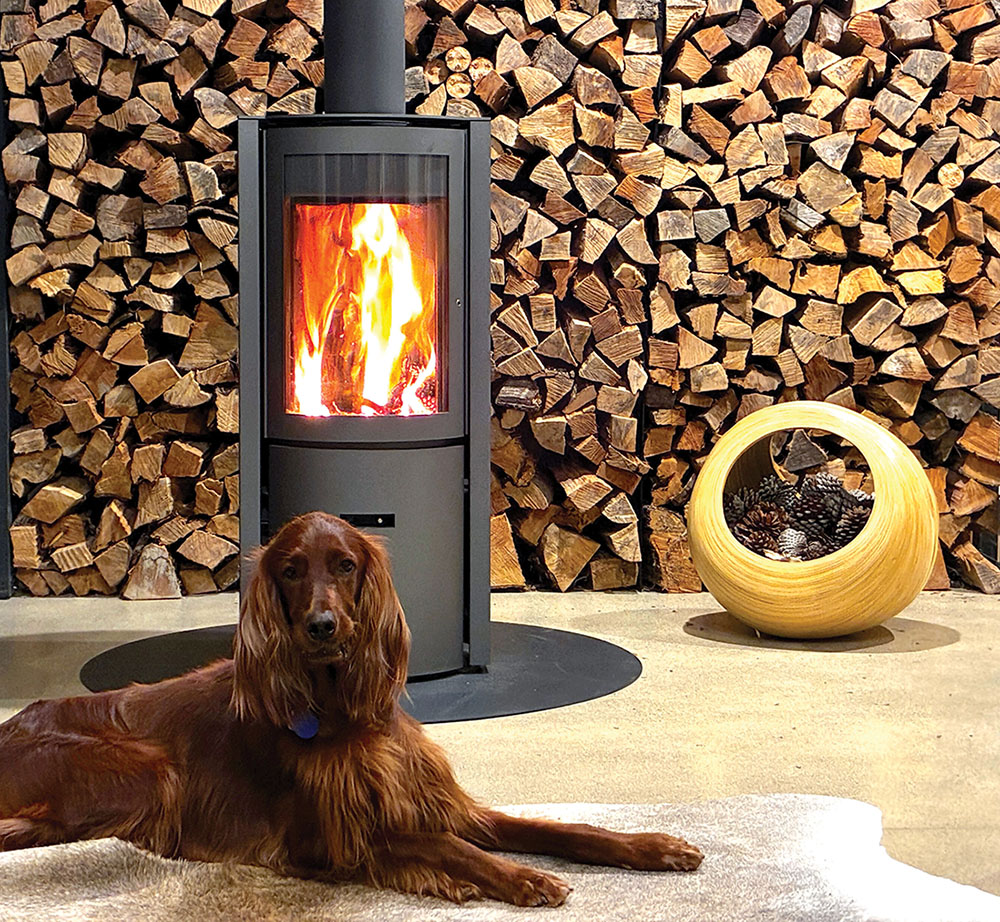
Enormously. Wood fires have become cleaner and more efficient, gas technology has evolved significantly, and electric fires are now a genuine design option. Biofuel has developed considerably too, while flue systems and installation methods give us far greater flexibility than they once did.
At the same time, fireplaces have become much more architectural – we’re designing the entire composition – fireplace, hearth, surround, cabinetry and materials – rather than simply selecting an appliance.
For more information visit designsforfires.com