Spanning Marlborough’s vineyards to Nelson Tasman’s orchards and hop fields, glacier-carved seas teem with seals, dolphins, and orcas, alongside green-lipped mussels, crayfish, salmon, and oysters. Throw in some more of our nation’s greatest natural attractions like the Kahurangi National Park and the Queen Charlotte Track, and you can expect great biking, hiking, and hangovers…
Marlborough Sounds
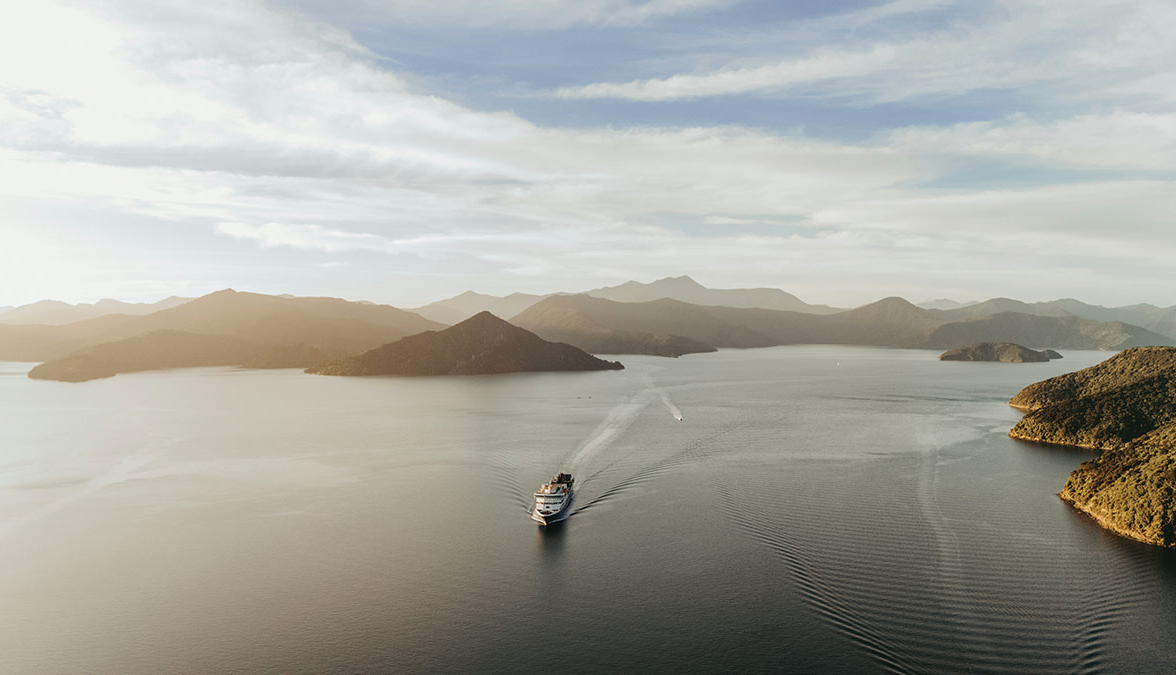
The northeast tip of the South Island is so intricately carved that it holds a fifth of New Zealand’s coastline. Four sounds – Queen Charlotte/Tōtaranui, Pelorus, Kenepuru, and Mahau – are separated by forested headlands, punctuated by coves and caves. These 10,000-year-old ocean-drowned valleys house dolphins, orcas, seals, king salmon, pāua, and mussels. Known as Te Tau Ihu o te Waka-a-Māui, (‘the prow of Māui’s canoe’), the sounds invite exploring by foot, boats, and even pedal, with lodges and hidden coves for every budget.
Queen Charlotte Sound
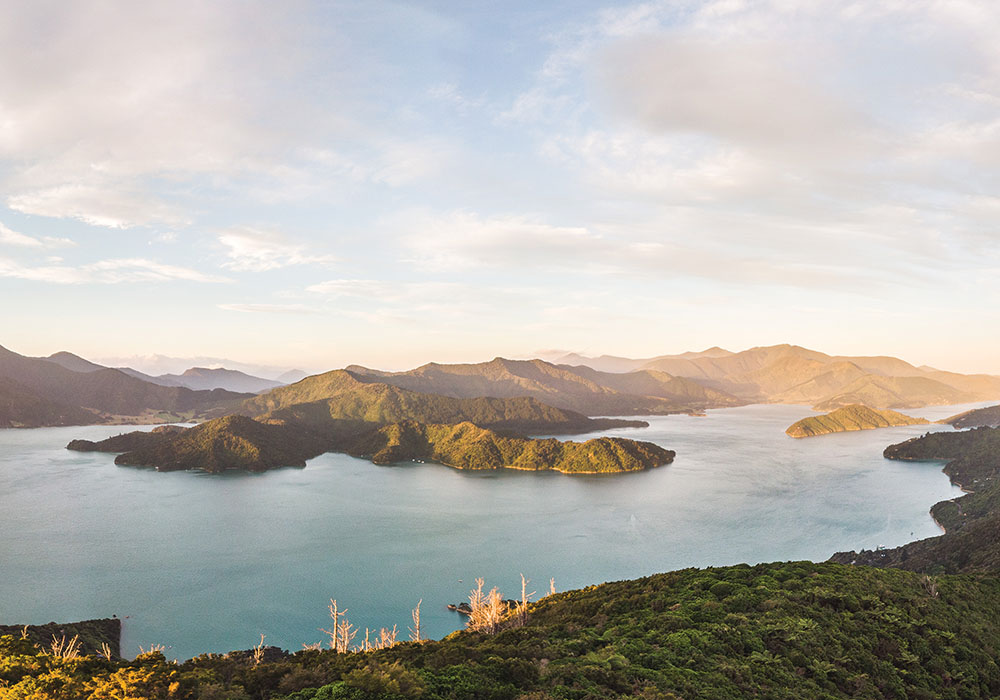
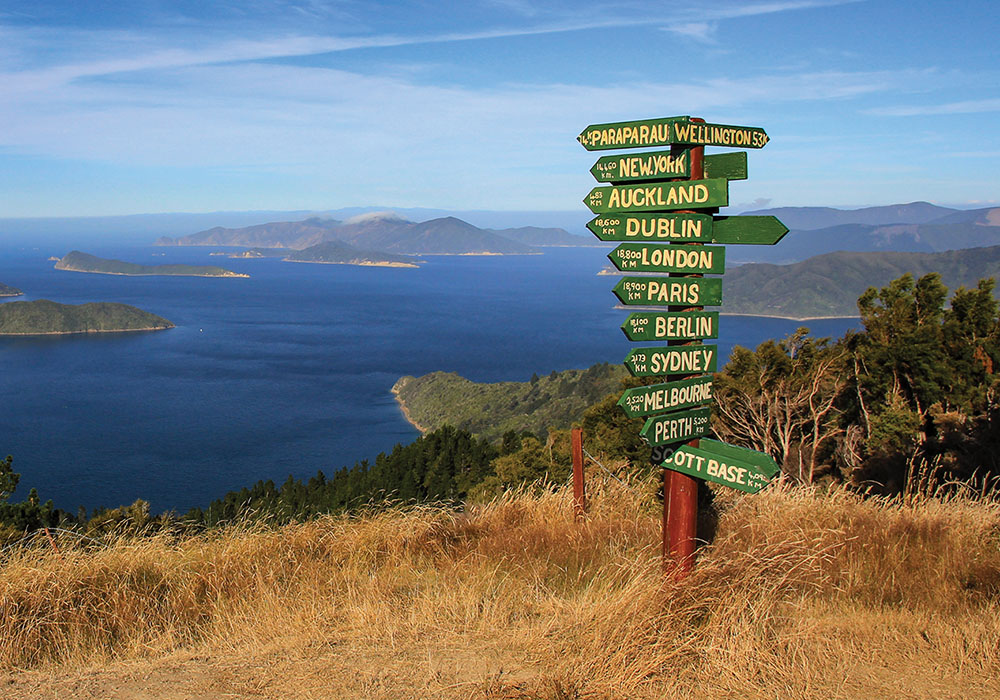
Queen Charlotte Sound/Tōtaranui is Marlborough’s easternmost sound. Tōtaranui translates as ‘place of the big tōtara tree’ and legend holds that part of its shape traces Te Wheke, a mystical octopus slain nearby by navigator Kupe. With inviting waters, sheltered coves, and nearby trails, the sound offers easy exploration alongside a rare sense of tranquil isolation.
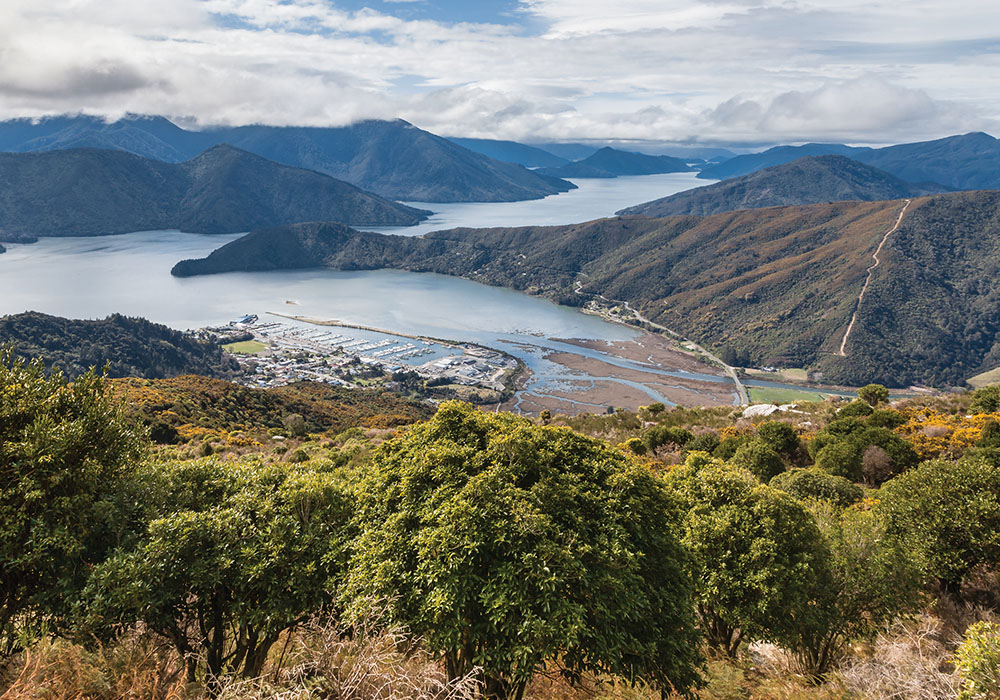
Havelock
Where the Pelorus and Kaituna Rivers meet, sits Havelock the ‘Greenshell Mussel Capital of the World’. This former gold-mining town’s colonial buildings now house galleries, eateries and a museum that charts local history, while the marina offers water taxis, charters, and kayaks to the nearby sounds.
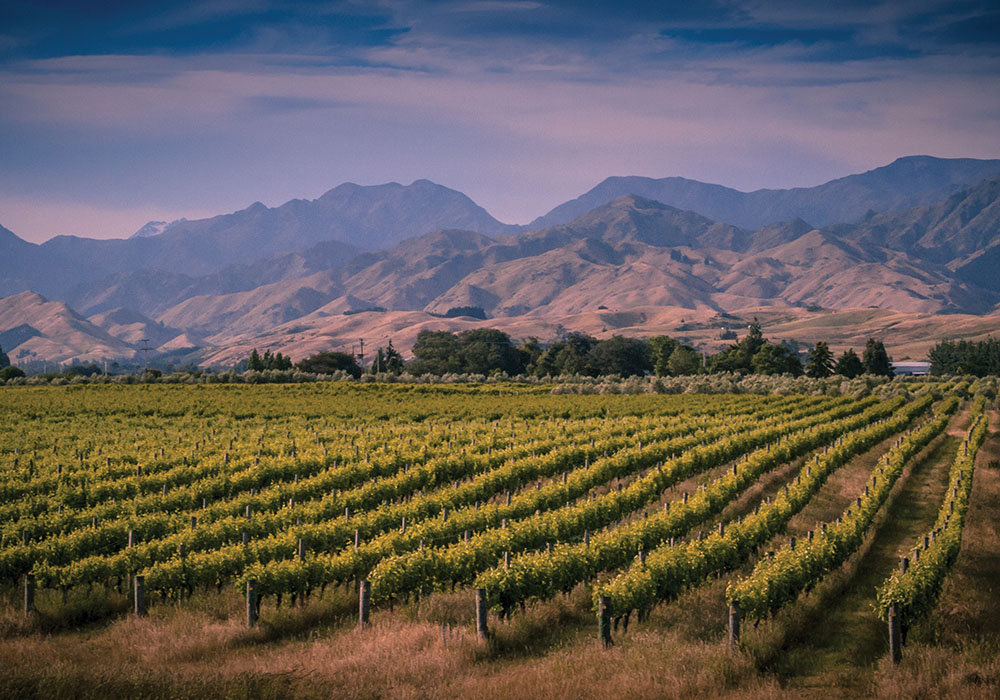
A toast to Marlborough
A legendary land where vine rows stretch beneath dramatic mountains in seasonal hues. Sauvignon blanc – the grape that put New Zealand on the winery map – dominates, alongside excellent chardonnays and pinot noirs. Over 30 vineyards welcome visitors, including Brancott Estate, which pioneered the region’s first commercial sauvignon blanc plantings, plus numerous boutique labels.
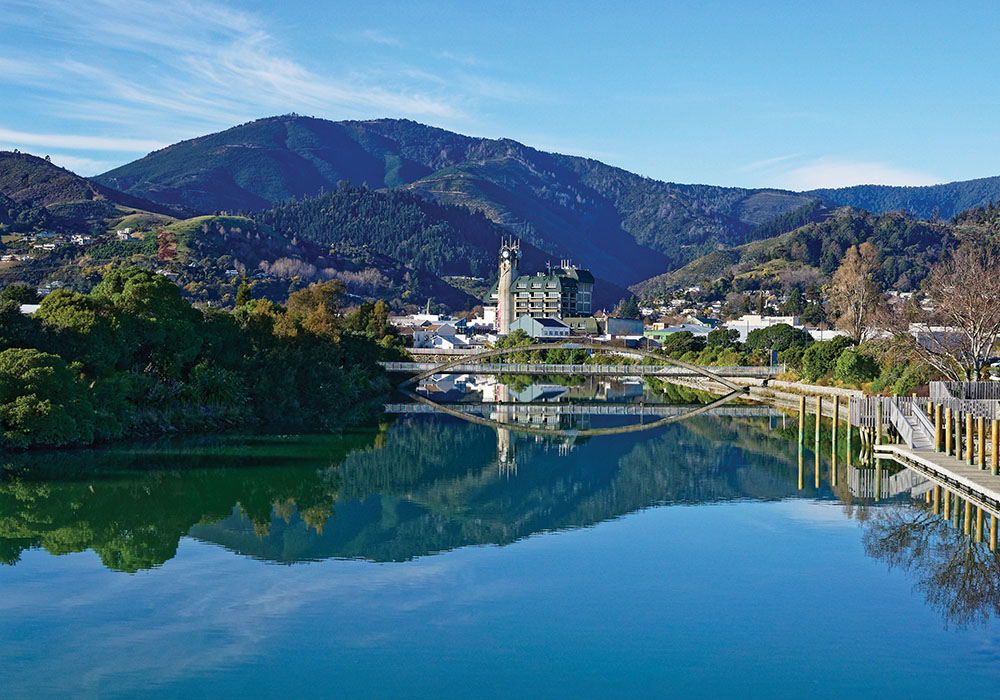
Tracking Nelson
Nelson is a sunny, feel-good city built around Australasia’s largest fishing port, brimming with artists, eateries, craftspeople, and craft beer. The boho centre is flanked by beaches and vast backcountry part of the surrounding Nelson Tasman region where fields grow hops used by nearly every New Zealand brewery, and plenty of overseas ones, too.
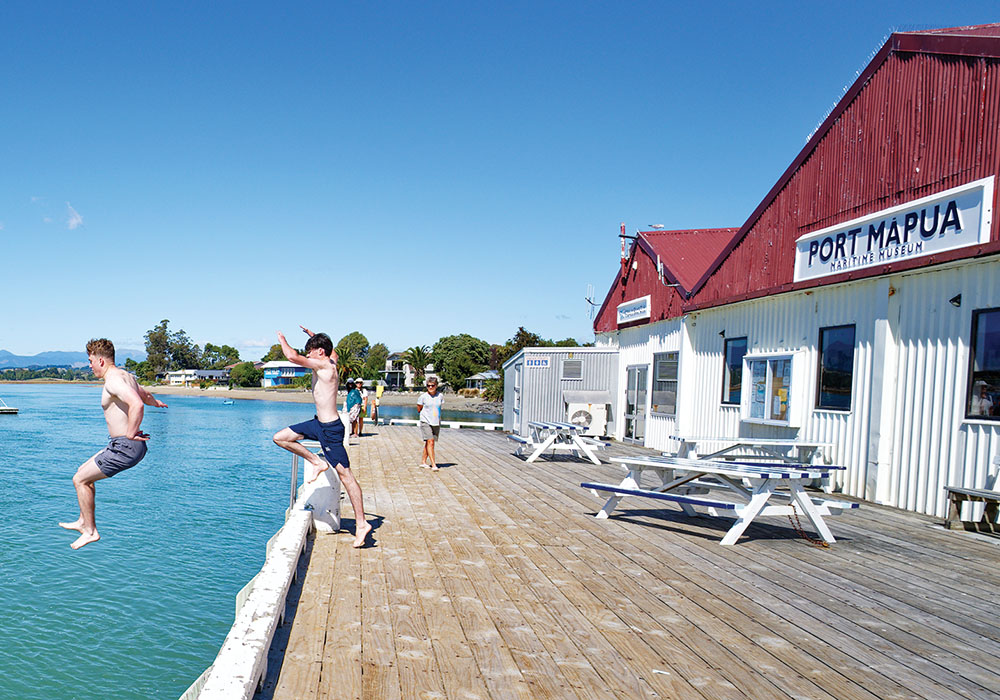
A Tasty Trail
Local orchards, wineries, and craft breweries can be explored by bike along Tasman’s Great Taste Trail, a 200km loop taking anywhere from hours to four days – it’s mostly easy riding, heavy on sensory reward. A great one-day section stretches from Nelson’s CBD to Mapua, hugging a lot of coastline while offering some alpine views too. Expect to also see the likes of white herons, Caspian terns, and variable oystercatchers as you call in wineries, delis, and breweries en route to Mapua Wharf.
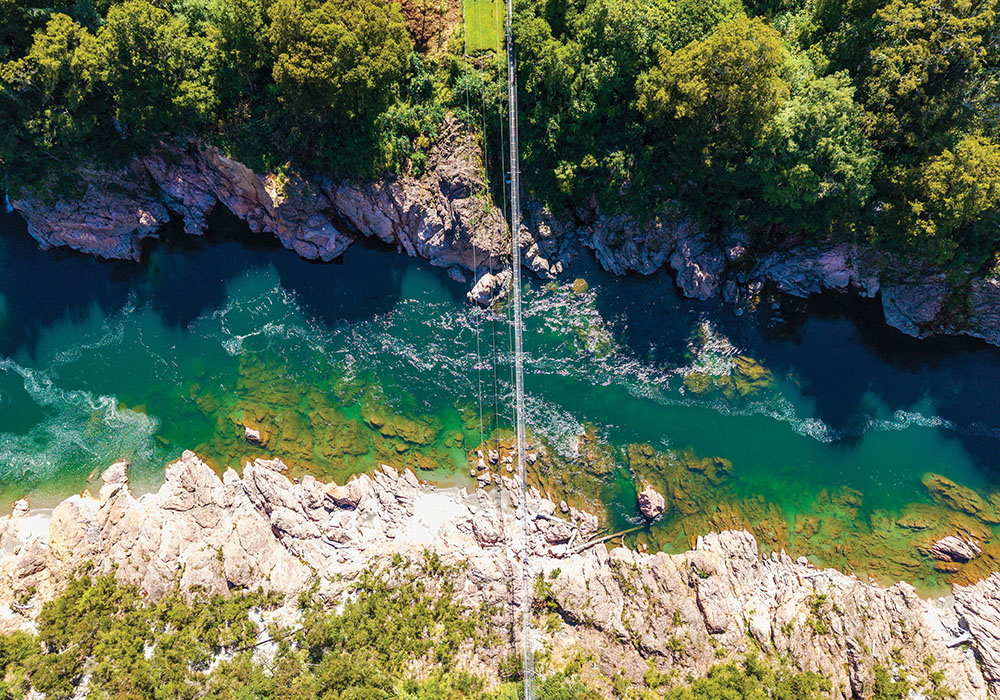
Abel Tasman National Park
Abel Tasman National Park opened in 1942, exactly 300 years after its Dutch namesake became the first European to sight Aotearoa and meet Māori – an confused encounter that ended badly when four sailors were killed at sea, forcing Tasman to flee without ever landing. At roughly 22,530ha, it’s New Zealand’s smallest national park, yet its Coast Track Great Walk is among the most popular, tracing 50 km of beaches and consistent weather from Mārahau to Wainui Bay. Offshore, Tonga Island Marine Reserve teems with seals and marine life, while water taxis let hikers mix tramping with kayaking, paddling to campsites unreachable on foot.
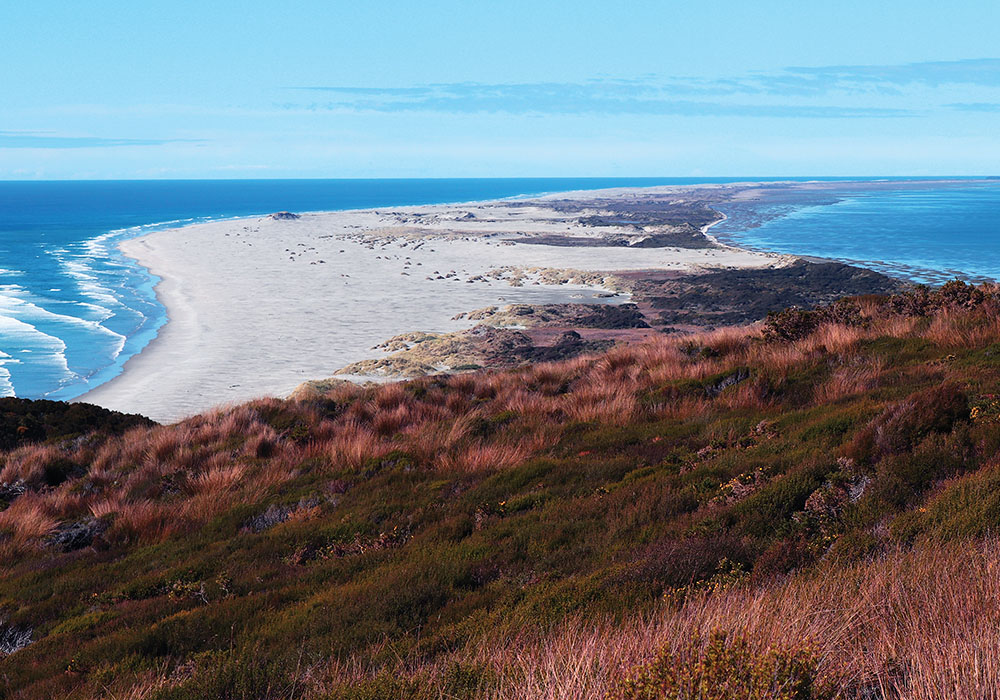
Farewell Spit
At the northern end of glorious Golden Bay, curving for 25km, Farewell Spit is New Zealand’s longest sand spit and one of the world’s longest sandbars. It shelters over 90 bird species, including a 9,000-strong gannet colony, joined each spring by migratory waders, black swans, and Caspian terns. Known as Onetahua (‘heaped-up sand’), access beyond 4km requires a guided tour. Nearby Wharariki Beach’s caves and arches host seals, with dolphins and whales regularly visiting offshore.
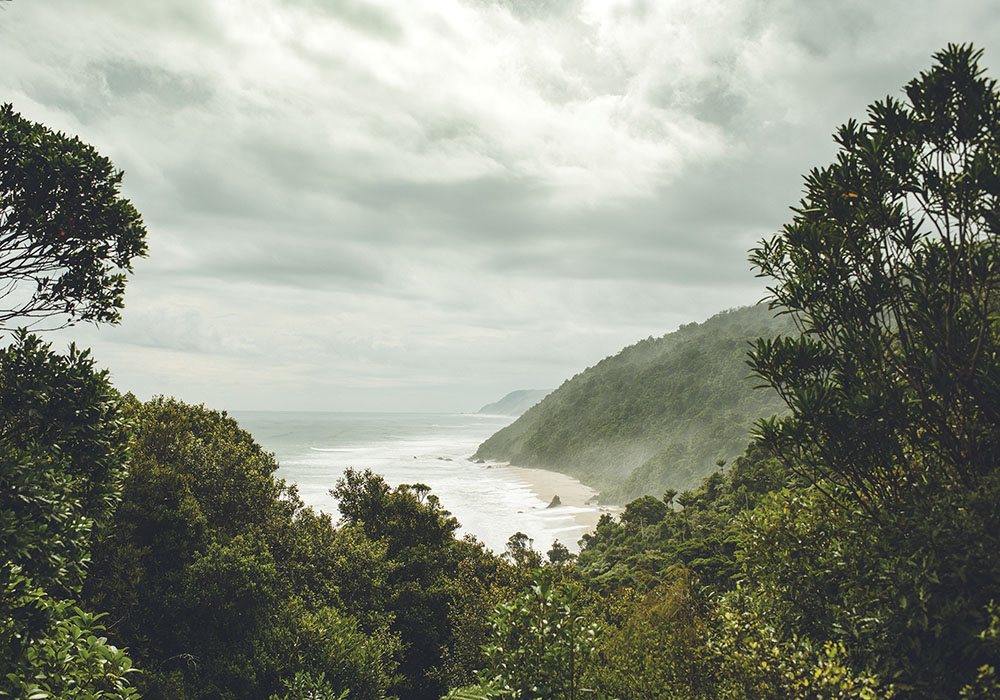
Treasured Trails
Linking Nelson Tasman with the West Coast, Kahurangi (‘treasured possession’) is New Zealand’s second-largest national park and its most diverse. Its 452,000ha of gorges, karst, and forest shelter the great spotted kiwi, giant land snail, and giant wētā, plus 80% of NZ’s alpine plants. Its Heaphy Track is one of the country’s longest, most isolated Great Walks, following a route used by early Māori to collect pounamu.