
Most successful businesses begin with a vision. Dancing Water Winery began with a problem.
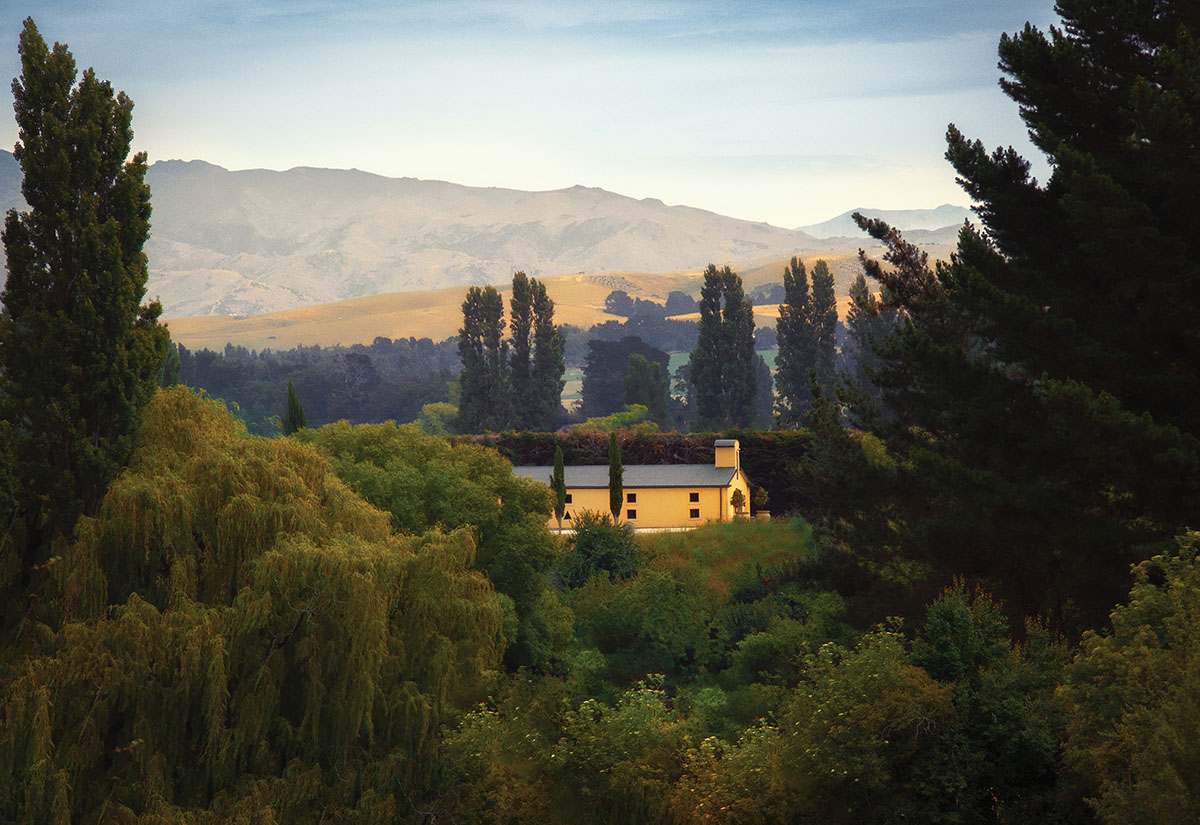
When Kim Schofield first became involved with the North Canterbury vineyard in 2017, there was little to suggest the international success that lay ahead. The property was overgrown, rundown and, by her own admission, a long way from the idyllic image most people associate with a typical vineyard.
Yet less than a decade later, the same vineyard would help produce wines recognised among the world’s best, earning accolades in London and putting a small Canterbury producer on the global rosé map.
For Kim, the journey wasn’t driven by a grand masterplan. It began with exhaustion, a desire to rebuild, and a determination to do one thing well, one step at a time.
The property had been purchased as an investment, but when Kim – whose background was in construction, printing and advertising – became more involved in the business, the site was neglected and the challenges substantial. “I was really burnt out,” she recalls. “I just needed a bit of time and flexibility and a chance to regroup.”
The existing fruit was already producing quality wine (viticulturist Dr David Jordan described the vines as “a treasure trove”), so Kim concentrated on refining style, building a customer base and creating a product people genuinely loved. During Covid, friends began asking Kim whether she could create a French-style rosé that they so sorely missed, and, with no formal winemaking background, she set out to do exactly that.
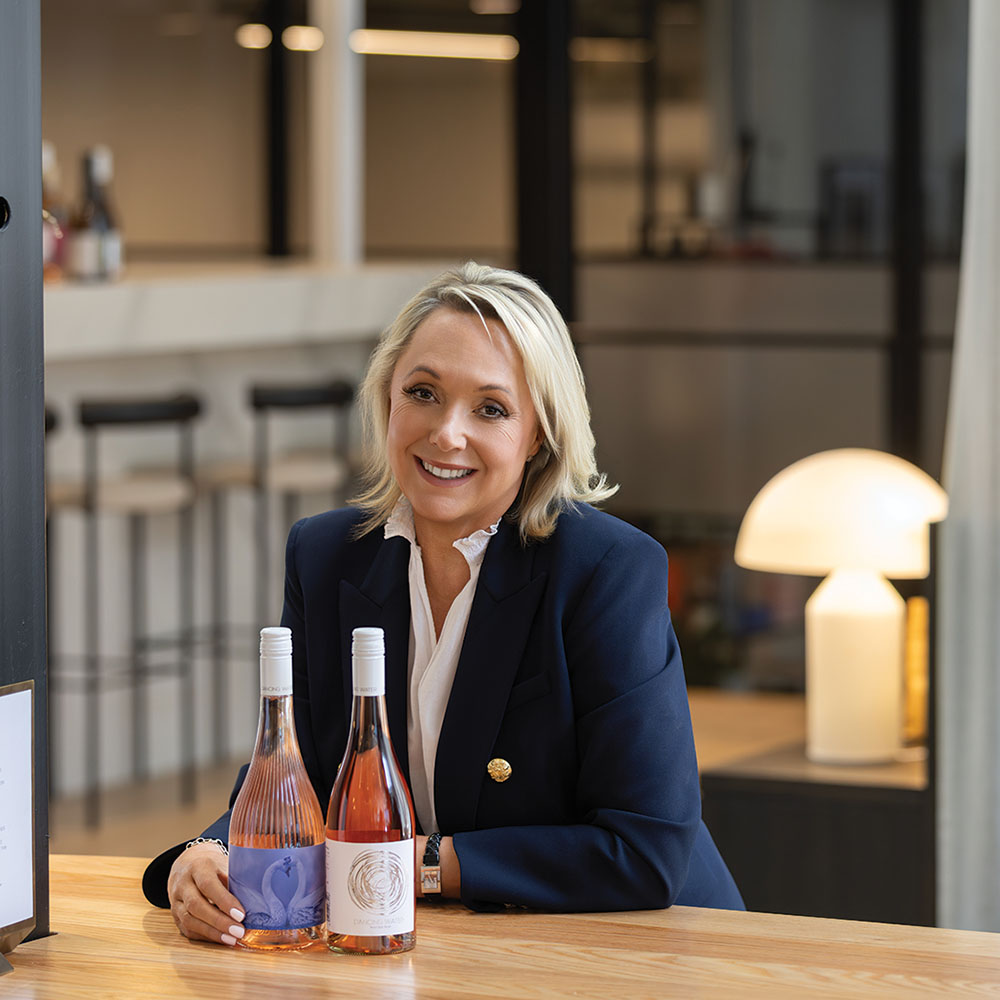
Her business experience proved invaluable. Years spent in sales, logistics, customer service and marketing taught her the importance of understanding customers and controlling costs. Rather than selling through traditional distribution channels, she opted to sell directly to consumers, allowing her to offer premium wine at an accessible price point.
Word spread quickly. Customers became advocates. Friends became customers. Customers became friends.
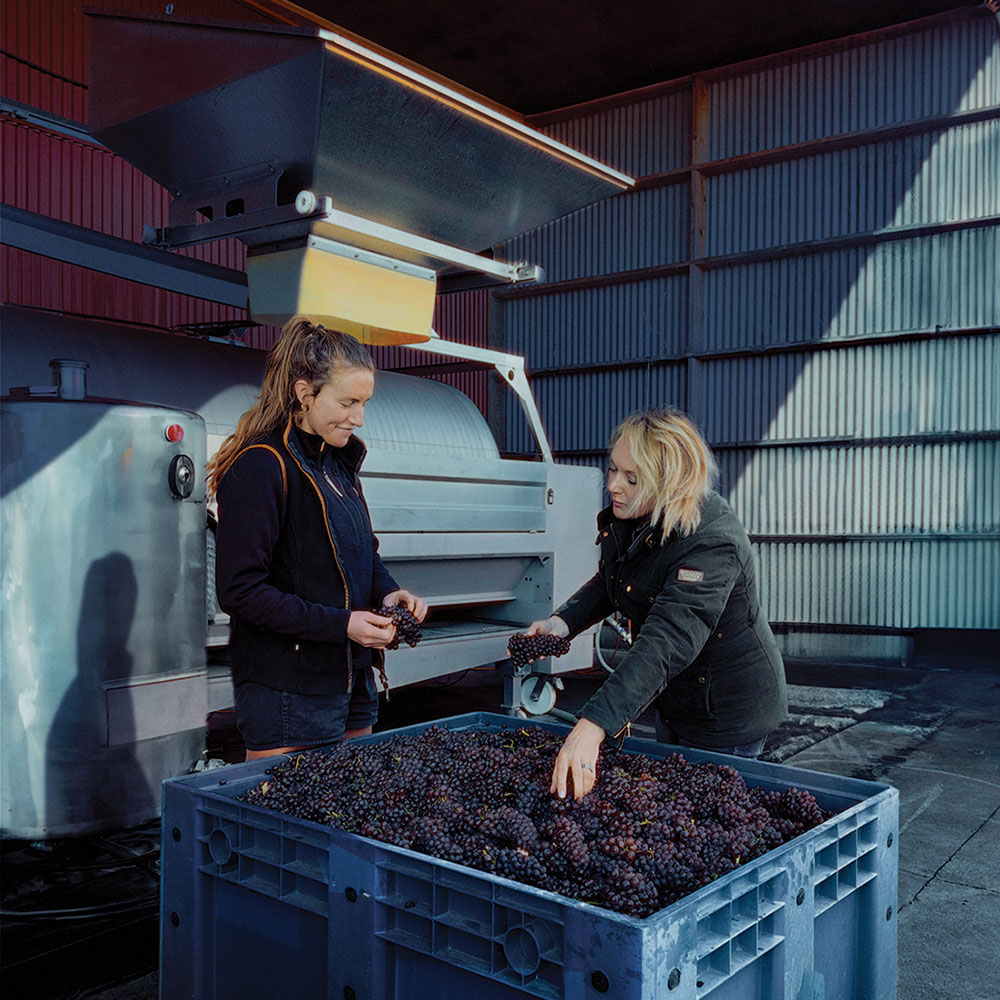
What Kim didn’t realise at the time was that many of the decisions she was making – like hand-harvesting fruit, obsessing over quality and sourcing premium pinot noir from Central Otago for rosé production – were viewed by some in the industry as wildly impractical. Some even laughed. Then those wines went on to win international recognition.
At the International Wine and Spirt Competition (IWSC), competing against 12,000 other wineries, Dancing Watery bagged gold, silver, and bronze medals, the first Kiwi winery to achieve such a feat in a single year at those awards. It was also named a finalist in the IWSC World’s Best Rosé Trophy in London, up against some of the most prestigious names in global wine like Louis Vuitton Moet Hennessey – something which, Kim admits, still “blows my mind!”
Yet, she adds, the awards have not necessarily been the most significant outcome. The real revelation came during a visit to France, where Kim discovered that many of those supposedly unconventional methods she had been using were standard practice among the world’s leading rosé producers, the ultimate validation: “I realised we were chasing quality in exactly the same way they were.”
Something that also sets Dancing Water apart is its commitment to the arts. Each wine label features the work of a New Zealand artist, but the relationship goes far beyond licensing an image. Kim purchases the original artwork and works directly with artists to tell their stories alongside her own, with the artist also receiving a royalty. “It’s a genuine partnership,” adds Kim.
Some of the biggest lessons from the journey have little to do with wine, and more to do with the people that have walked that path with her. “The people on your team deliver excellence,” she says.
She believes, for a time, she spent too much time comparing Dancing Water to larger, more established wineries. “We’re not Craggy Range,” she used to tell herself. The moment she stopped focusing on what the business wasn’t and started embracing what it could become, everything changed.
And so Dancing Water continues to evolve. The company is expanding its direct-to-consumer offering, launching a new podcast called Between the Pours, and even producing wine in France to help meet growing demand while maintaining quality standards.
But despite the growth, Kim remains grounded in the same philosophy that guided her from the beginning. Support people. Focus on quality. Keep moving forward.
Looking back at that overgrown vineyard, it’s clear the transformation was built on belief, and that’s the lesson worth sharing.
“Don’t spend your energy dwelling on what stands in front of you,” says Kim. “Focus instead on what it could become.”
To find out more visit dww.co.nz