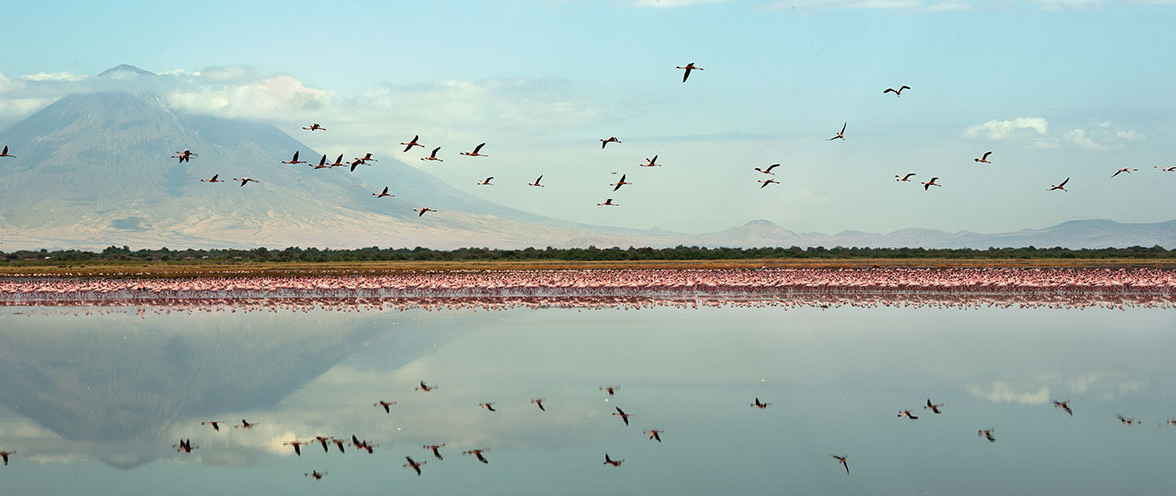
LAKE NATRON, TANZANIA
Lake Natron, a soda lake in Tanzania’s East African Rift, has a pH near 10.5 due to volcanic-driven sodium and calcium carbonate. Being landlocked and not draining into any rivers, it stays highly concentrated, burning most creatures that touch it and even calcifying those that die close by. Yet astonishingly some, like the lesser flamingo, thrive among the caustic conditions.
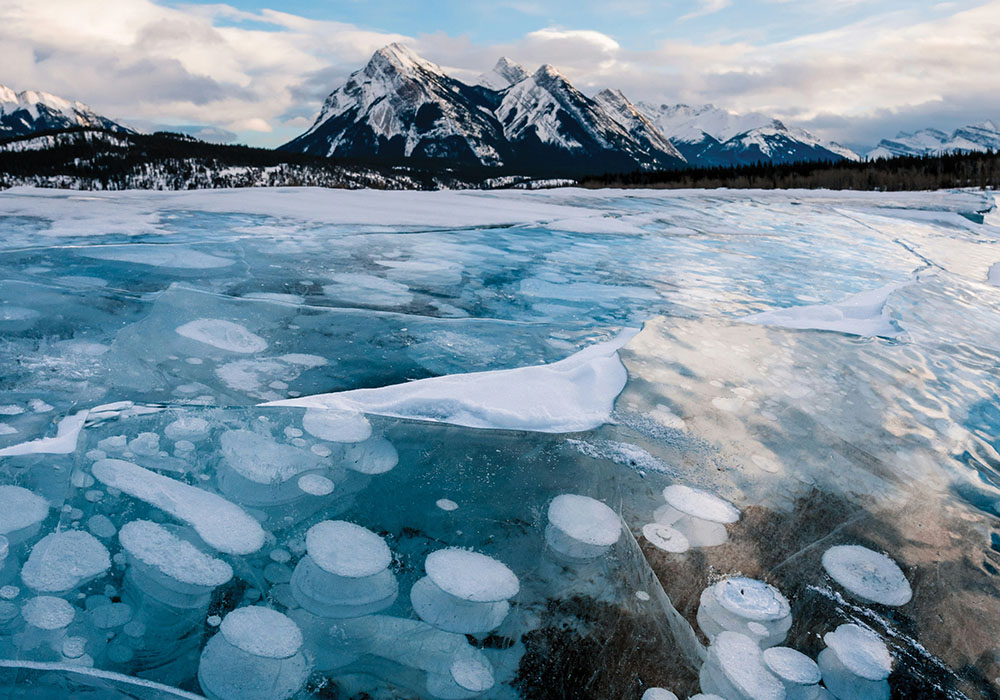
ABRAHAM LAKE, CANADA
Nestled in the foothills of Alberta’s Canadian Rockies, Lake Abraham spans roughly 33km between the Kootenay Plains and the ghost town of Nordegg. In winter, the only direct route to this manmade lake is the David Thompson Highway – named after the explorer who mapped much of Western Canada. Brutally cold temperatures and winds of nearly 50km/h keep the ice surface so clear that frozen methane bubbles can be seen below. They’re created by bacteria breaking down organic matter on the lakebed, releasing methane that rises and freezes into stacked, pearl-like formations.
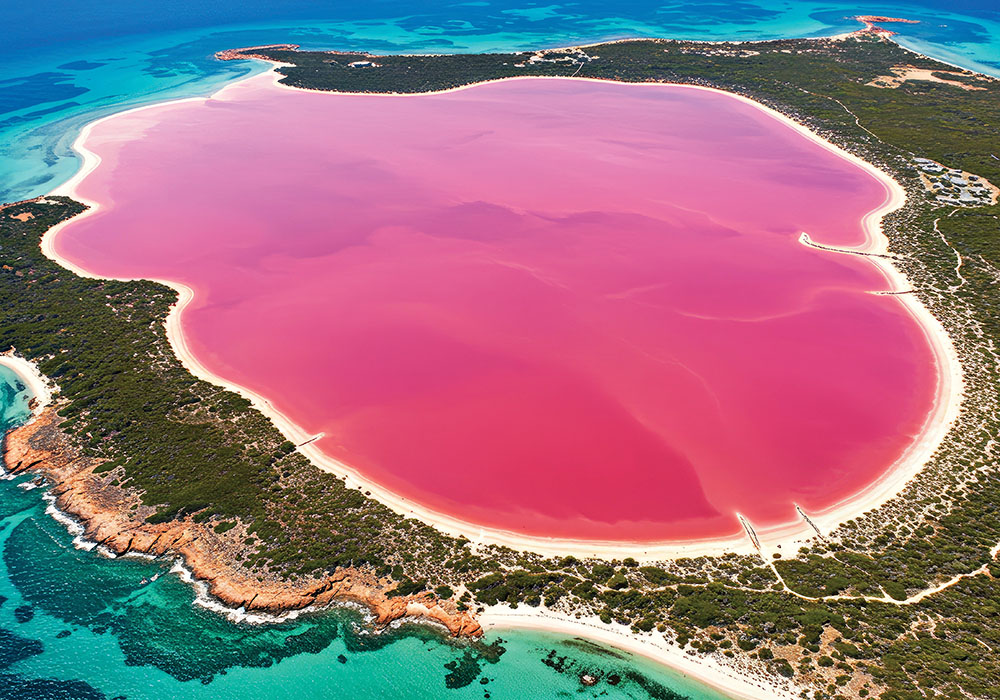
LAKE HILLIER, AUSTRALIA
Lake Hillier sits on Middle Island in Western Australia’s Recherche Archipelago, first mapped by Captain Matthew Flinders in 1802. He named the bubble gum pink lake after crewman William Hillier, who had died of dysentery. Nearly as salty as the Dead Sea, the lake owes its breathtaking hue to red-pigmented algae. Visitors can swim in its non-toxic waters and float with ease thanks to the lake’s extreme salinity.
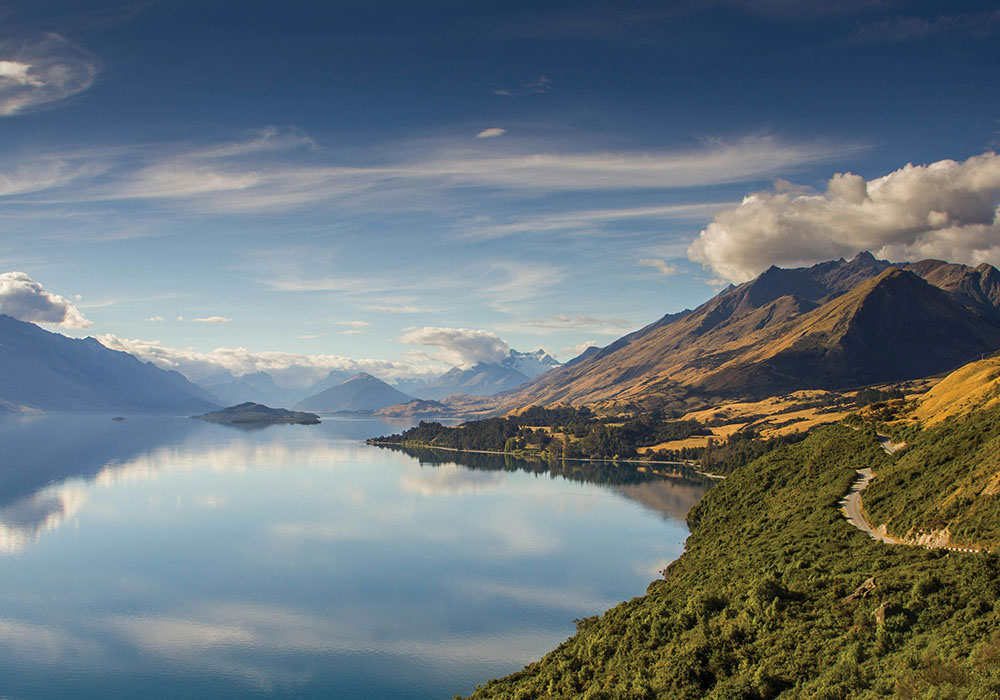
LAKE WAKATIPU, AOTEAROA
New Zealand’s second-largest glacial lake covers 290sqkm and plunges to nearly 400m deep. The iconic curling ‘S’ shape was formed, according to Māori legend, when the giant Matau was burned to death with Queenstown resting on his knee. Fed by the glacial Dart and Rees Rivers in the north, the lake drains via the Kawarau River near Queenstown, held by a natural moraine dam at its foot.
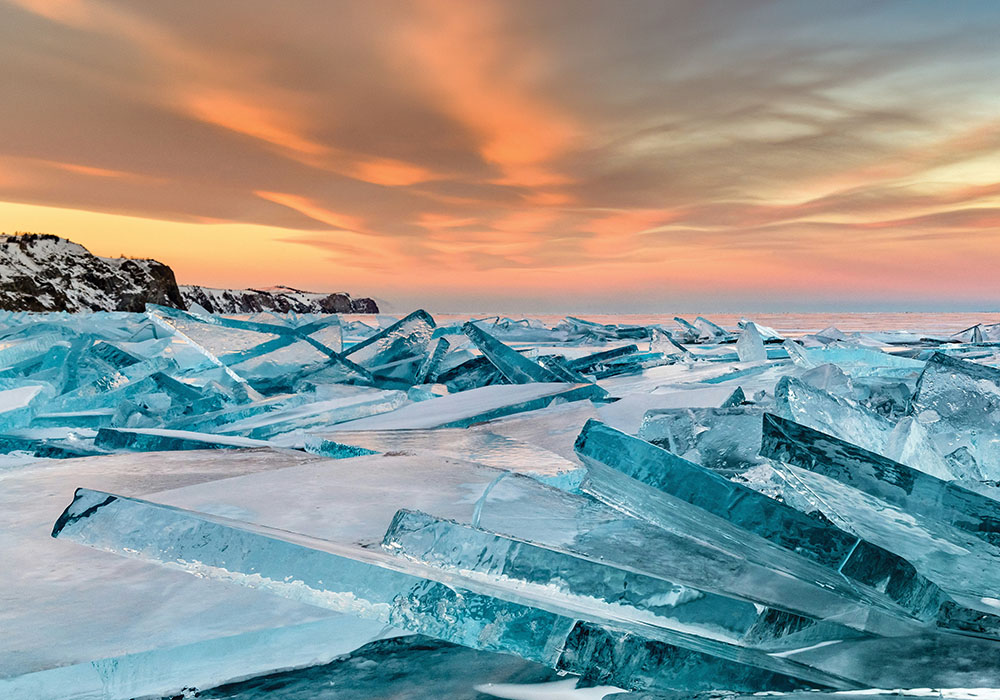
LAKE BAIKAL, RUSSIA
Unesco-listed Lake Baikal in south-east Siberia spans 3.15 million hectares. The world’s oldest – 25 million years – and deepest – 1,700m – lake holds a staggering one-fifth of the Earth’s unfrozen freshwater reserves! Dubbed the ‘Galapagos of Russia’, its age and isolation have fostered one of the world’s richest, most unusual freshwater ecosystems.
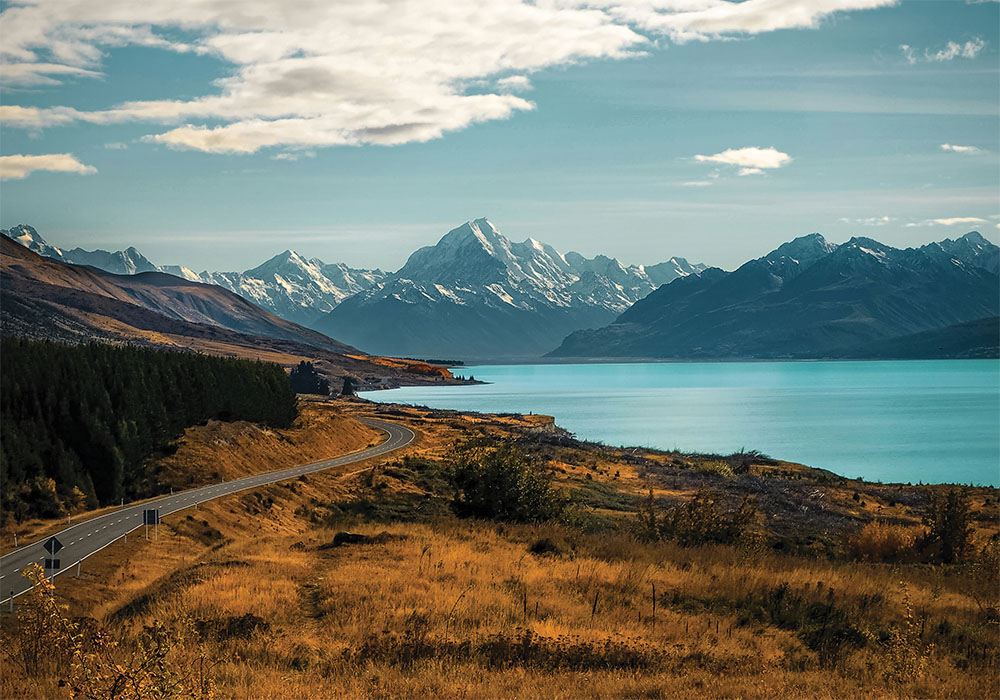
LAKE PUKAKI, AOTEAROA
Lake Pukaki, the largest lake in the local region, is famed for its stunning views of Aoraki/Mount Cook, the country’s tallest peak, and the striking turquoise water caused by glacial flour – fine rock particles from the Hooker and Tasman Glaciers deposited by the Tasman River. Sunlight reflecting off these particles gives the lake its brilliant blue hue.