Ubud
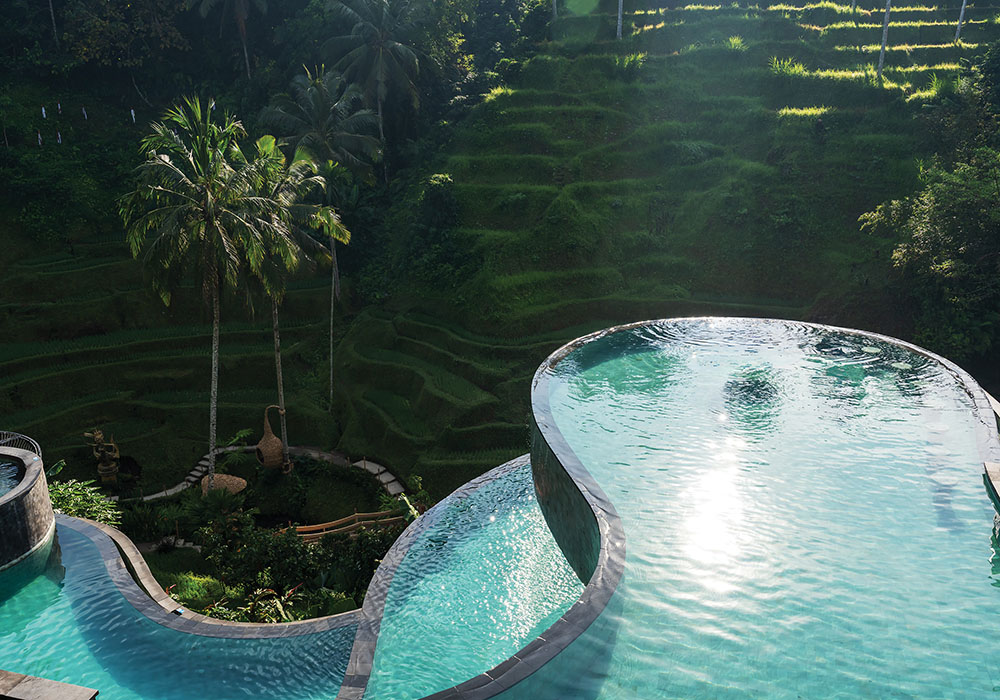
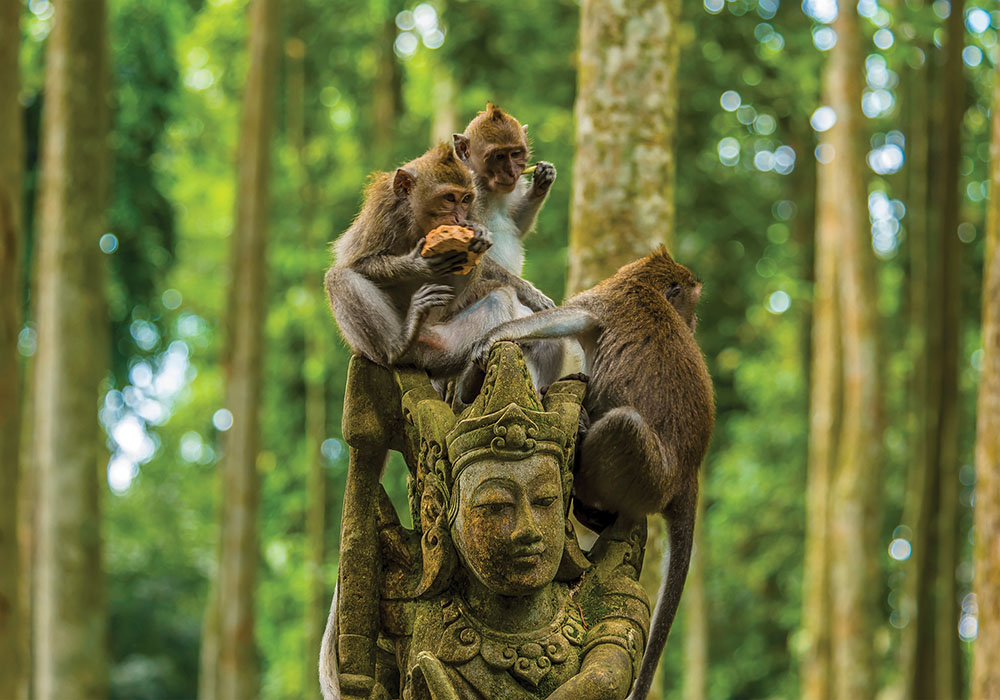
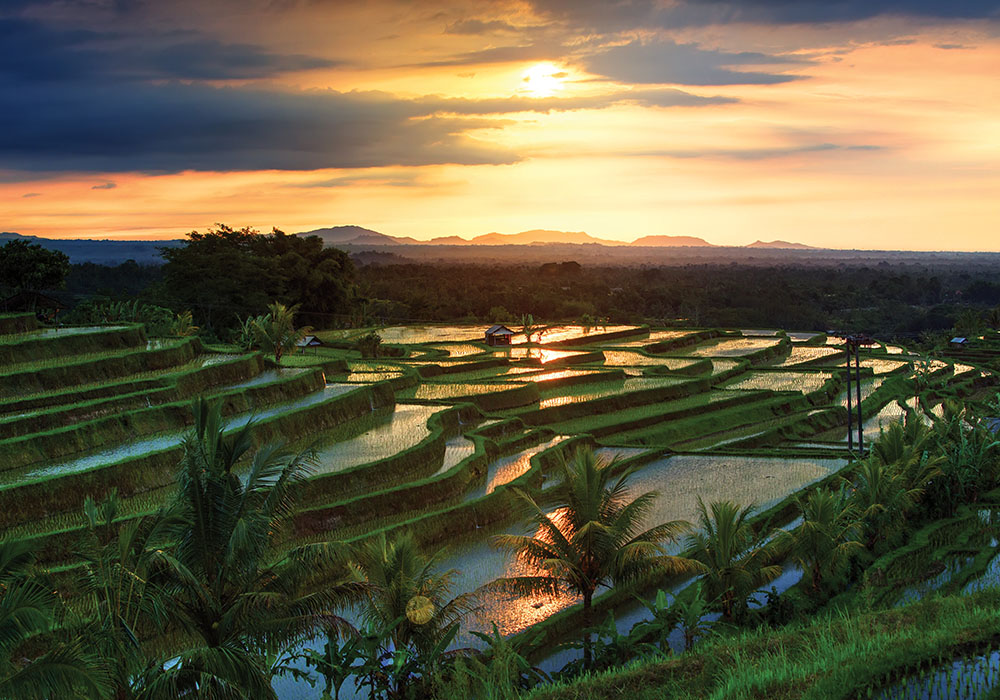
Set in Bali’s utopian uplands, Ubud sacrifices beaches and nightlife for rice terraces, temples, waterfalls, and a genuine village vibe. Known as the “heart of Bali”, it draws nature lovers, culture seekers, and wellness travellers alike, with yoga and meditation woven into daily life. The central district is best explored on foot, past markets, Ubud Palace, the Monkey Forest, and the Campuhan Ridge Walk, while a scooter or car opens up further-flung spots like Tegallalang Rice Terraces and Tegenungan Waterfall.
Canggu
A decade ago, Canggu was little more than rice fields and surfer guesthouses, now it’s one of Bali’s most dynamic areas, drawing backpackers, digital nomads, surfers, and wellness seekers alike. Looser and more relaxed than (in)famous Seminyak, it still buzzes after dark, however.
Umana Bali
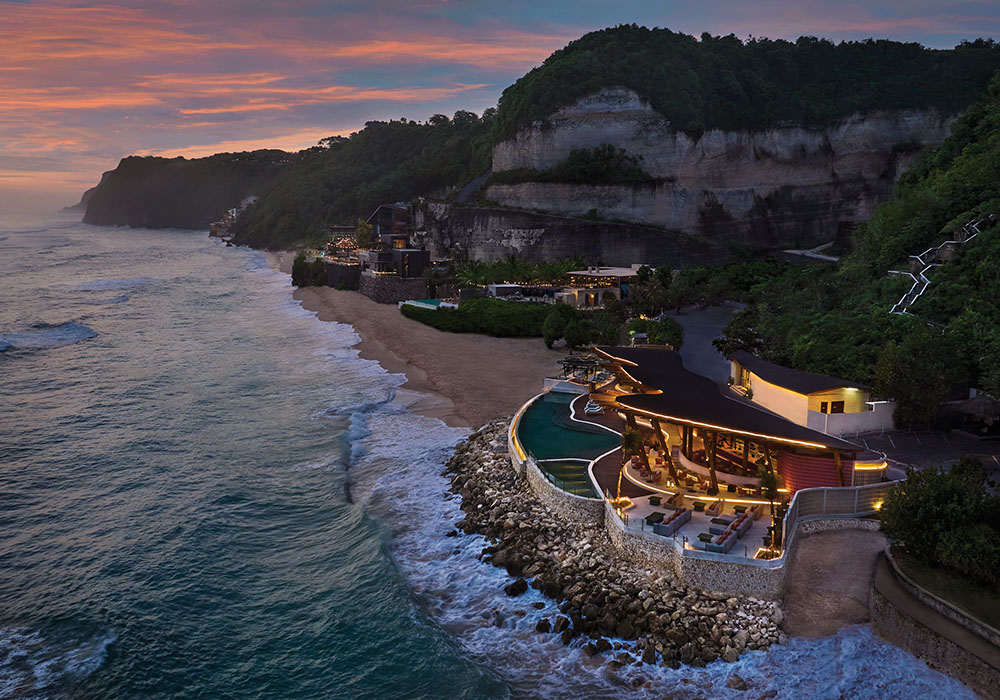
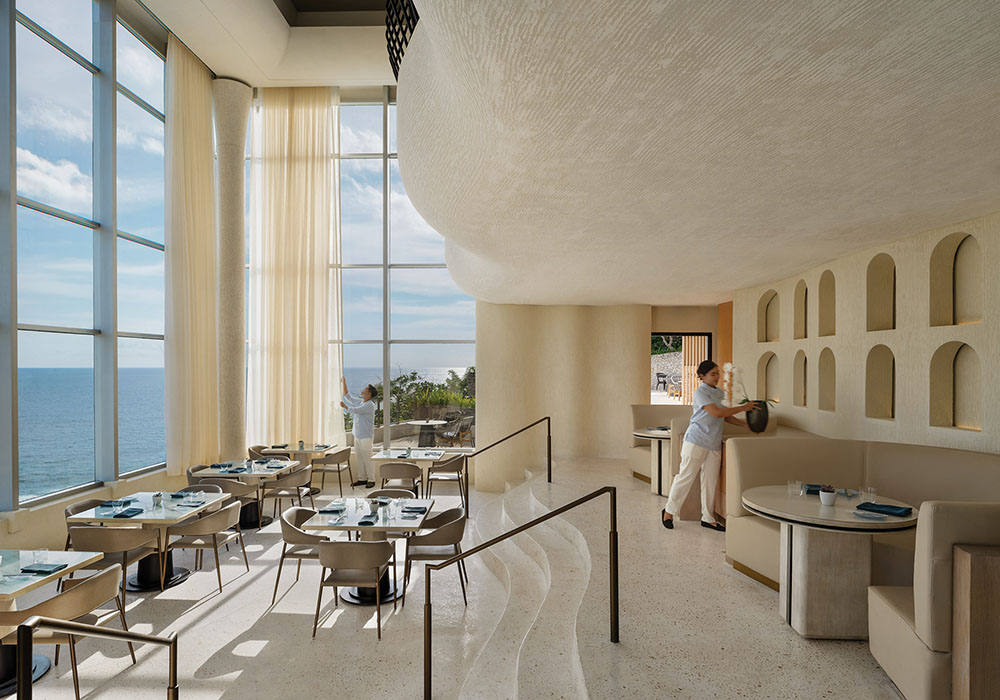
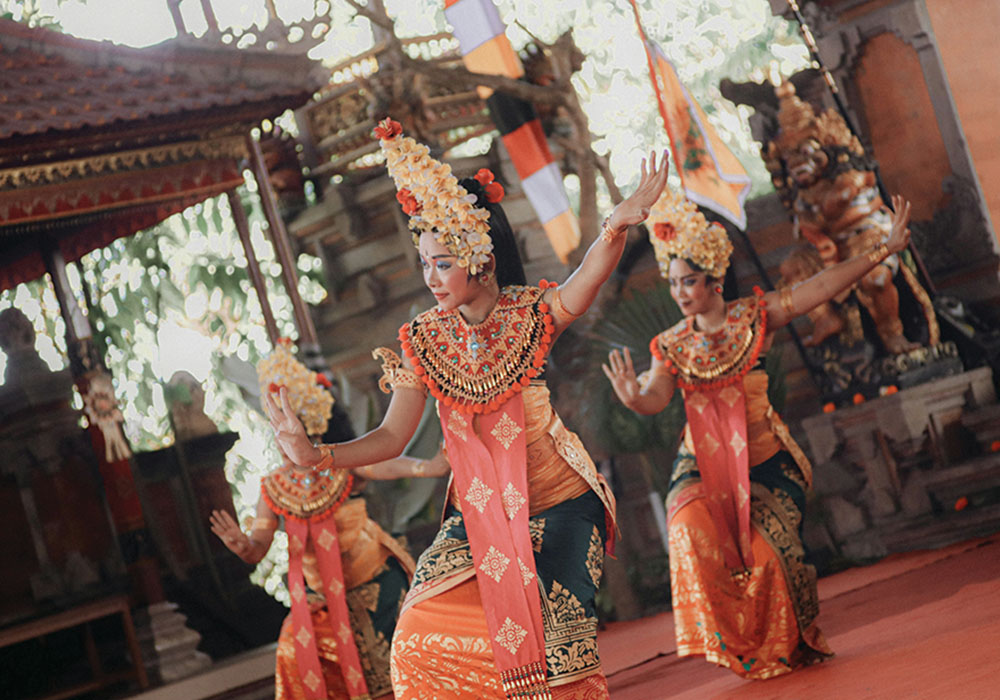
In Bali, a birthday isn’t marked with candles but with linting – a sacred fire ring drawn from the 210-day Pawukon calendar, where purification matters more than counting years. At Umana Bali, guests can mark this rite alongside a wider window into Balinese life: dancing behind a sacred mask, consulting a local astrologer, building a kite with a master craftsman, or walking through ancient villages. Even the spa speaks this language, with boreh and urut massage drawn from generations of healing wisdom. The high-end resort sits atop the limestone cliffs of Ungasan, at Bali’s southernmost tip, near Uluwatu, with views across the Indian Ocean.
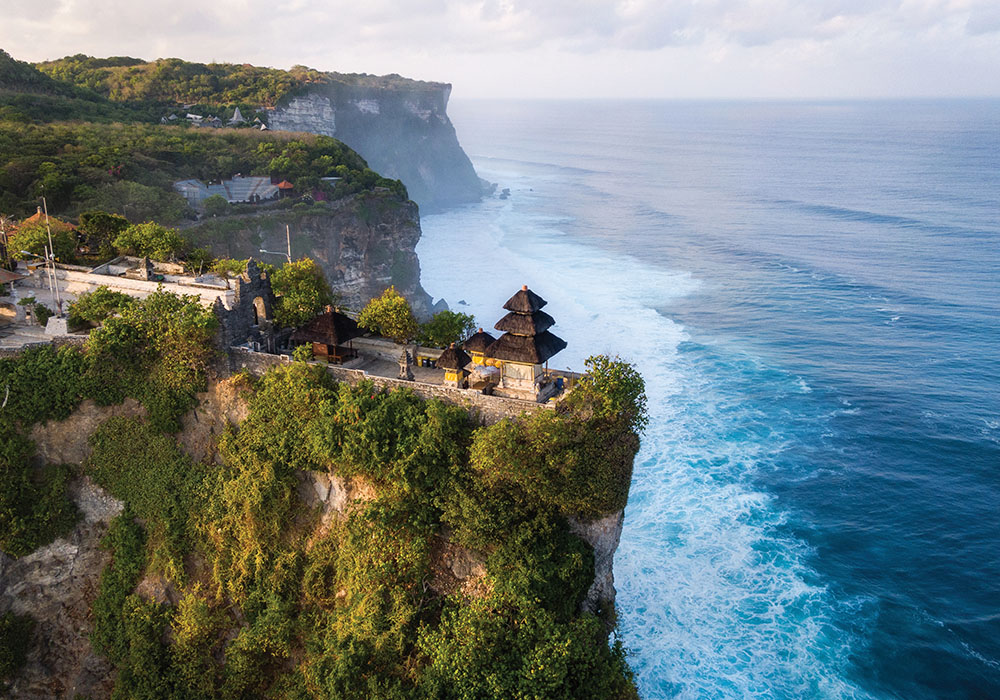
Uluwatu Temple
One of Bali’s six key directional temples, Uluwatu dates back to at least the 9th century. Its development is credited to Mpu Kuturan, the influential Hindu sage who introduced the Tri Kahyangan system dividing Balinese temples into village, mountain, and sea temples. As a sea temple, Uluwatu was built to guard Bali against negative ocean spirits from its dramatic perch atop a 70-metre limestone cliff.
Nusa Penida
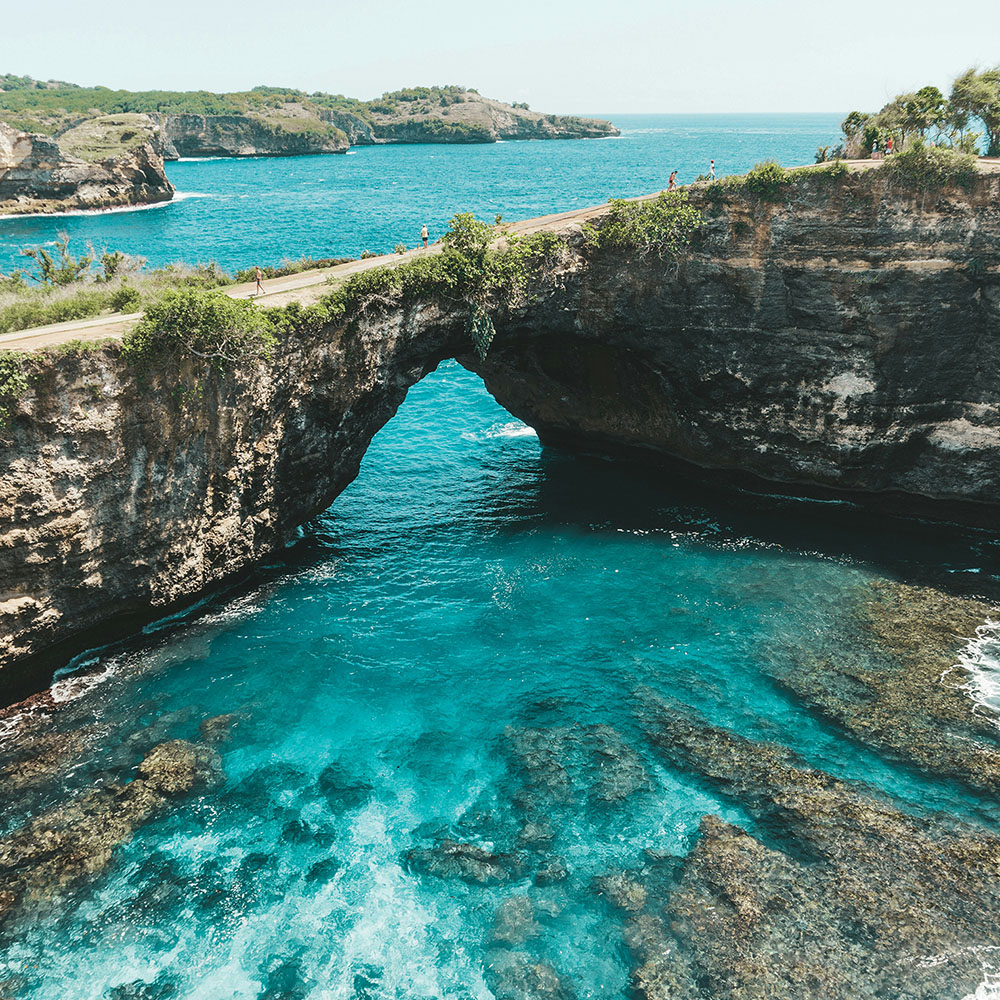
Nusa Penida is technically part of Bali province but sits as its own island to the southeast – the largest of the three Nusa Islands, alongside Lembongan and Ceningan. Still relatively undeveloped, it’s known for pristine beaches, clear waters, and dramatic clifftop views. Just 45 minutes away by fast boat, it’s as popular for day trips as it is for a longer, slower escape.
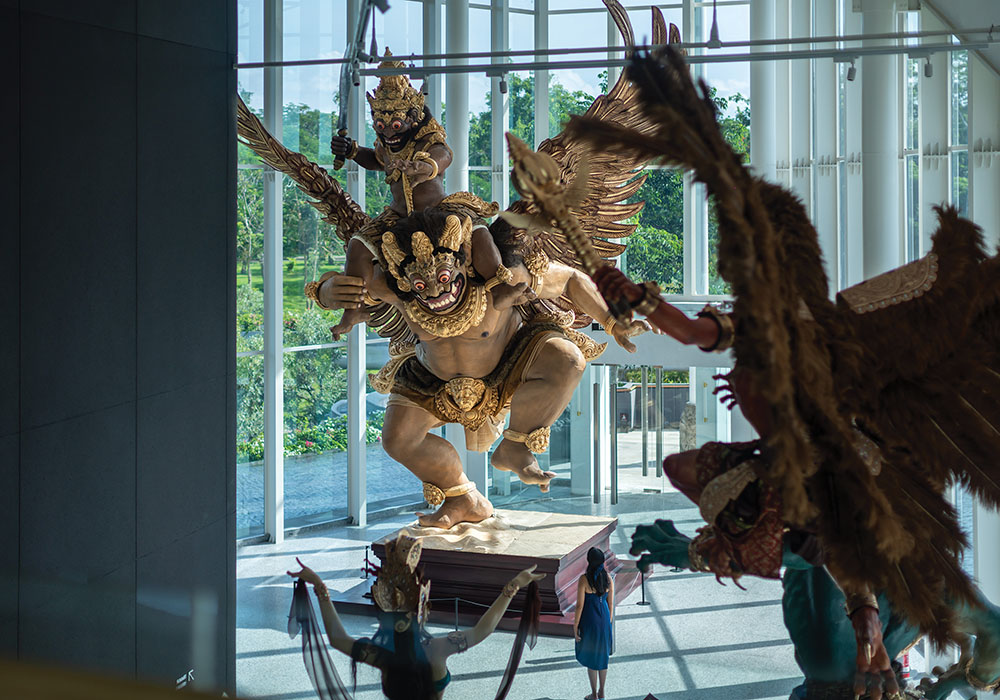
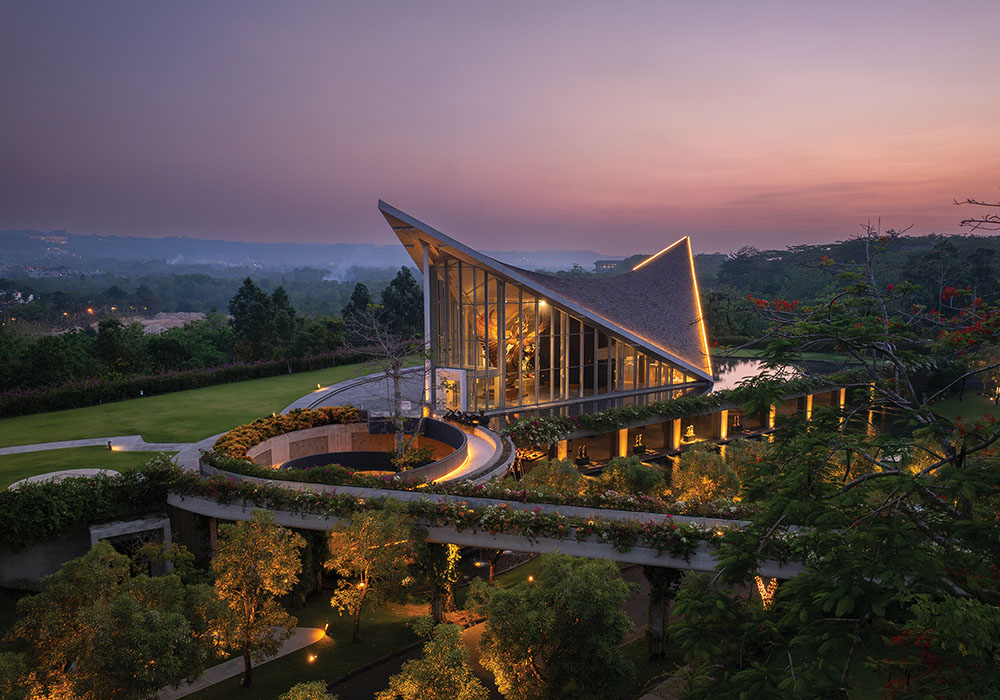
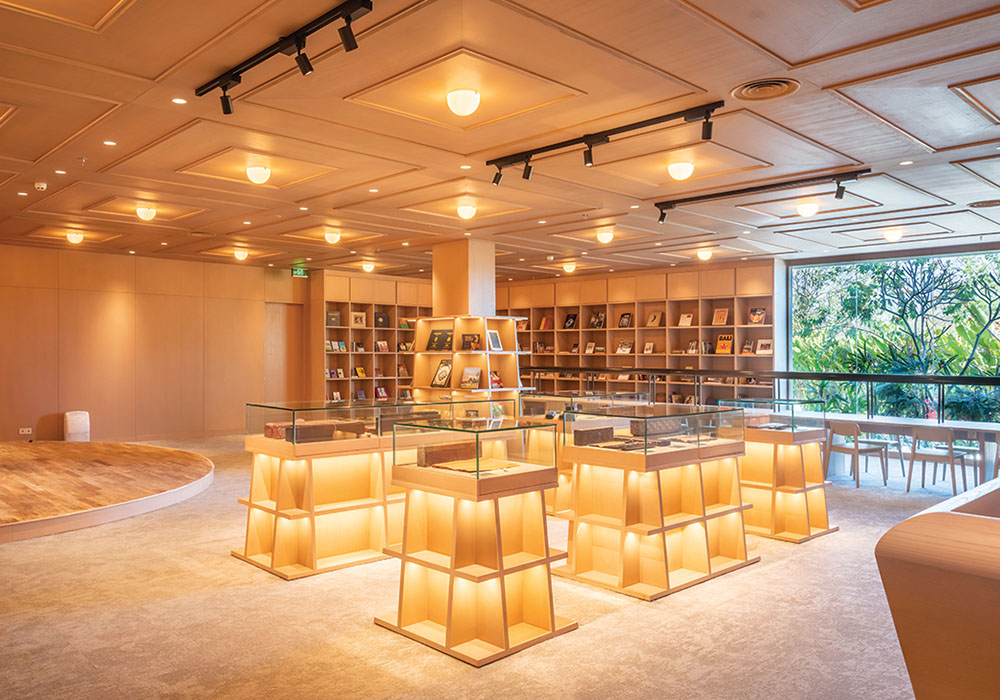
SAKA Museum
Last year SAKA Museum was named one of the World’s Most Beautiful Museums by France’s Prix Versailles, selected, alongside Paris’s Grand Palais and Norway’s Kunstsilo. It adds to previous honours from Time Magazine’s World’s Greatest Places and the Kyoto Global Design Awards. Since opening in 2024, the museum has become a platform for exploring Balinese heritage, from Nyepi (Bali’s sacred Day of Silence) to Subak (the island’s Unesco-listed rice-field irrigation and water temple system).
Great Apes
Straddling the equator, the rainforests of Indonesian Borneo – the world’s third-largest island – shelter an extraordinary diversity of life, including the orangutan, whose Indonesian name literally means “person of the forest”. More than three-quarters of the world’s orangutans depend on these forests to survive but logging, mining, and palm oil expansion (Indonesia produces roughly half the world’s supply) have destroyed turned millions of acres of habitat Responsible, low-impact tourism and community-led conservation offer a counterweight, generating income tied to standing forest rather than cleared it.
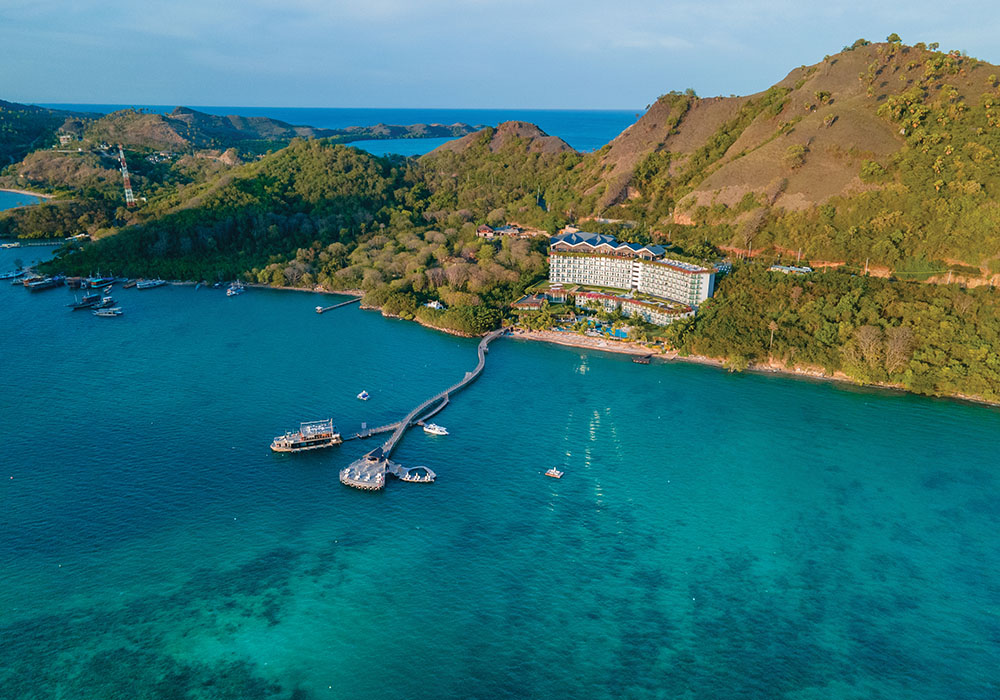
King Komodo
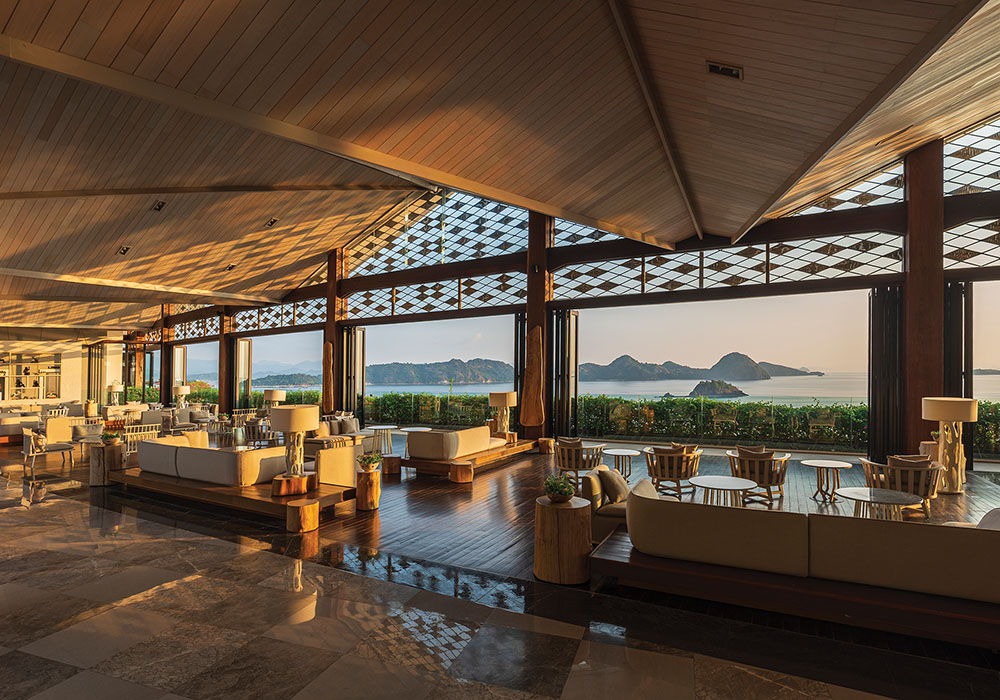
AYANA Komodo Waecicu Beach, the first five-star resort in Labuan Bajo, sits between the islands of Sumbawa and Flores at the gateway to the Unesco-listed Komodo National Park – established in 1980 to protect the Komodo dragon, the world’s largest living lizard, found nowhere else on Earth. The resort’s own conservation work runs deep, too. Off its jetty, hand-transplanted coral has restored roughly 427sqm of reef, home to over 150 fish species – it’s part-dive site, part-living classroom. Nearby, Manta Point offers one of Indonesia’s most celebrated dives, home to two of the world’s three manta ray species, reef and giant oceanic – a marine encounter that’s almost unique.
Cup of Java
Indonesian coffee traces back to the island of Java in the late 1600s when Dutch settlers introduced the bean. Volcanic soil, altitude, and ocean mist proved ideal, and by the early 1700s Java was exporting commercially, with plantations spreading to Sulawesi, Bali, Timor, and Sumatra through the mid-1800s. Regional varieties now define the archipelago’s coffee identity: Sumatra’s earthy, low-acid Mandheling and Gayo, and Java’s mellow, syrupy beans.
Then there’s Kopi Luwak, the world’s most expensive coffee, made from beans retrieved from civet cat droppings after fermenting in the animal’s digestive tract. Once gathered from free-roaming civets, unfortunately most beans now come from caged, force-fed animals, and so it’s recommended to be avoided unless absolutely ethically sourced.
Borobudur
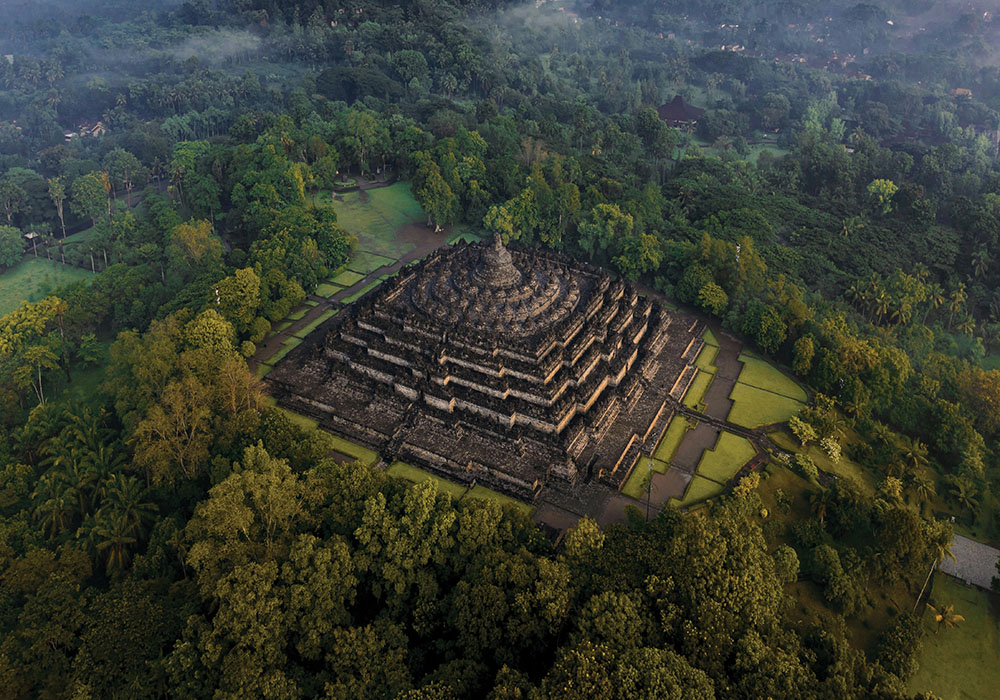
Rising above emerald paddy fields in central Java, Borobudur stands alongside Angkor Wat and Bagan as one of Southeast Asia’s great cultural icons. Built in the 8th and 9th centuries, this colossal Buddhist monument has survived volcanic eruptions, a terrorist attack, and the 2006 earthquake. Its structure unfolds in three tiers: a pyramidal base of five square terraces, three circular platforms above, and a monumental stupa crowning the top. Intricate reliefs span 2,500sqm of walls and balustrades, while 72 openwork stupas encircle the upper platforms, each sheltering a statue of the Buddha. Another of Indonesia’s Unesco Sites.