
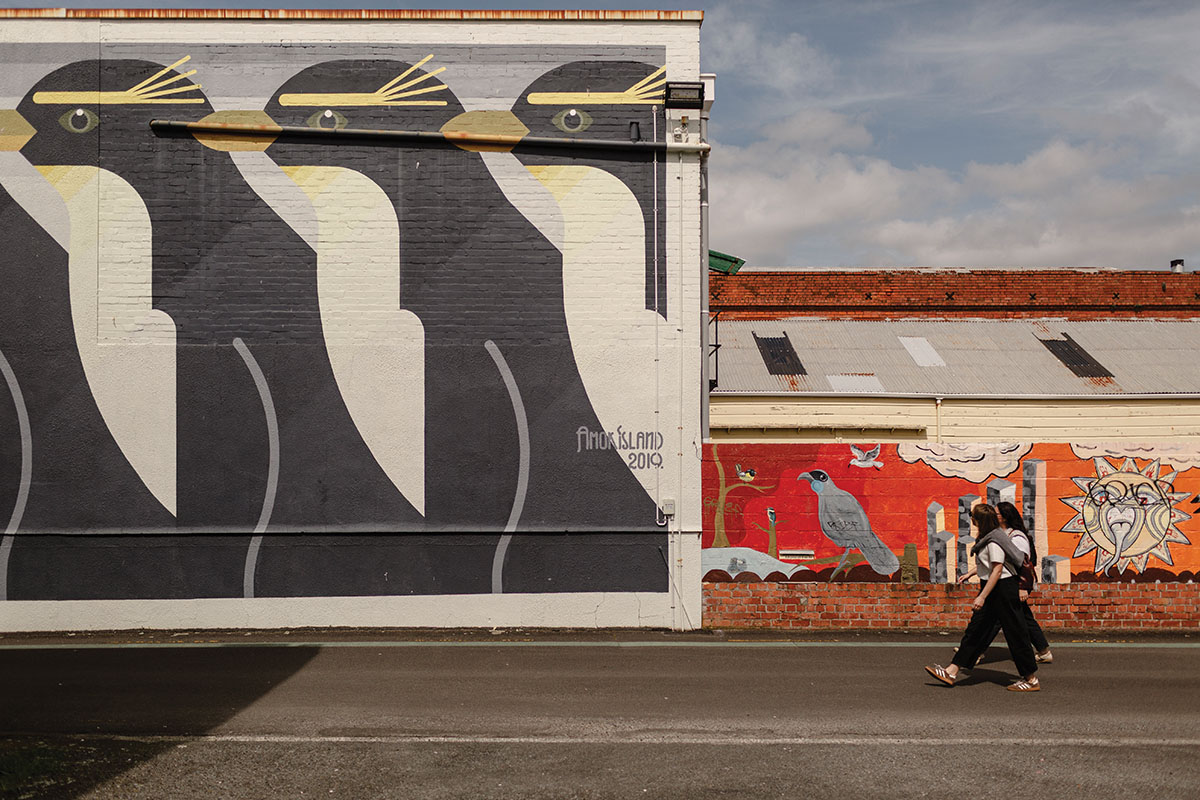
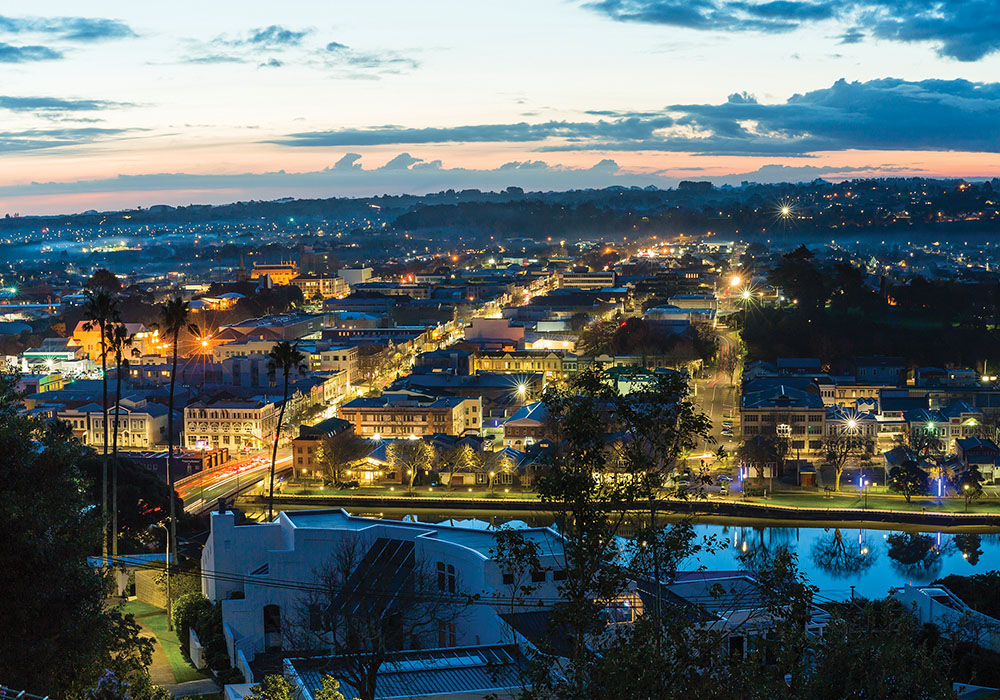
Set on the banks of Aotearoa New Zealand’s longest navigable river, the city combines grand heritage architecture, a thriving arts scene and a strong sense of cultural identity with the easy pace of a weekend destination. It’s compact enough to explore on foot, yet packed with galleries, creative businesses, distinctive accommodation and some of the country’s most interesting public spaces.
In 2021, that creative spirit received international recognition when Whanganui became New Zealand’s only Unesco City of Design. But you don’t need to know anything about Unesco to appreciate what makes the city special. Spend a few days here and you’ll find design woven through almost every part of the experience.
A city built with purpose
Whanganui’s design story begins with the city itself. Walk through the centre and you’ll find beautifully restored heritage buildings housing cafes, galleries and independent businesses. Rather than treating its history as something to preserve behind glass, the city has found ways to make these spaces part of everyday life.
One of the best examples is Durie Hill. Developed in the early 20th century as a planned garden suburb, it was designed around curved streets, green spaces and community-focused living. Connecting it to the city below is the Durie Hill Elevator, a piece of infrastructure that remains uniquely Whanganui more than a century after it opened.
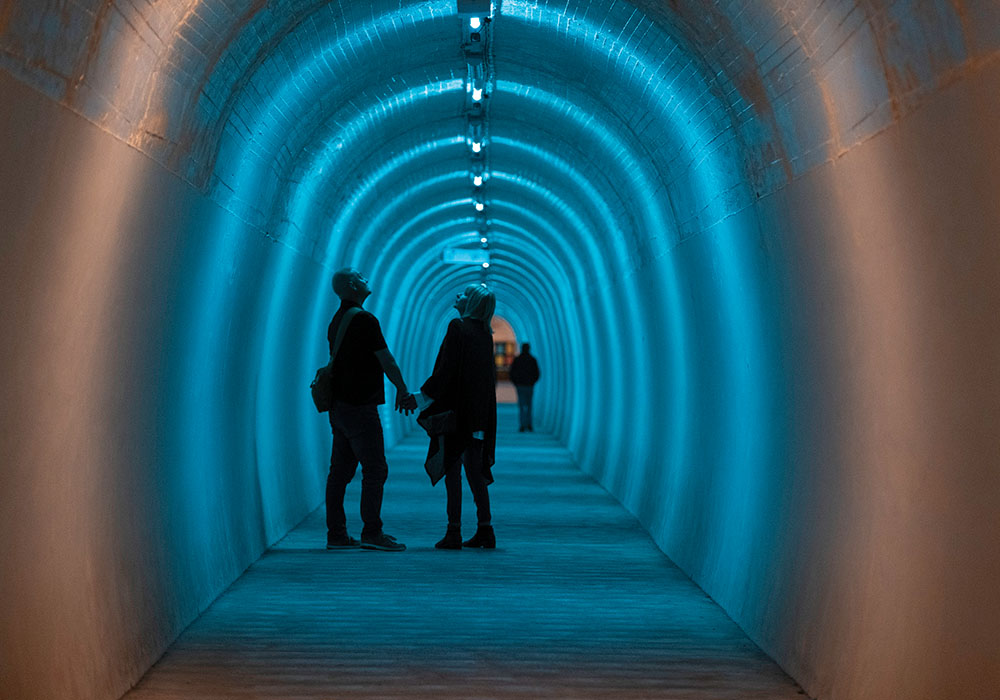
Built in 1919, the elevator is New Zealand’s only underground public transport elevator. Visitors travel through a 213m tunnel before ascending to sweeping views across the city, the Whanganui River and beyond. It’s a fascinating piece of engineering, but also an early example of how thoughtful design can shape the way people move through a city.

Art around every corner
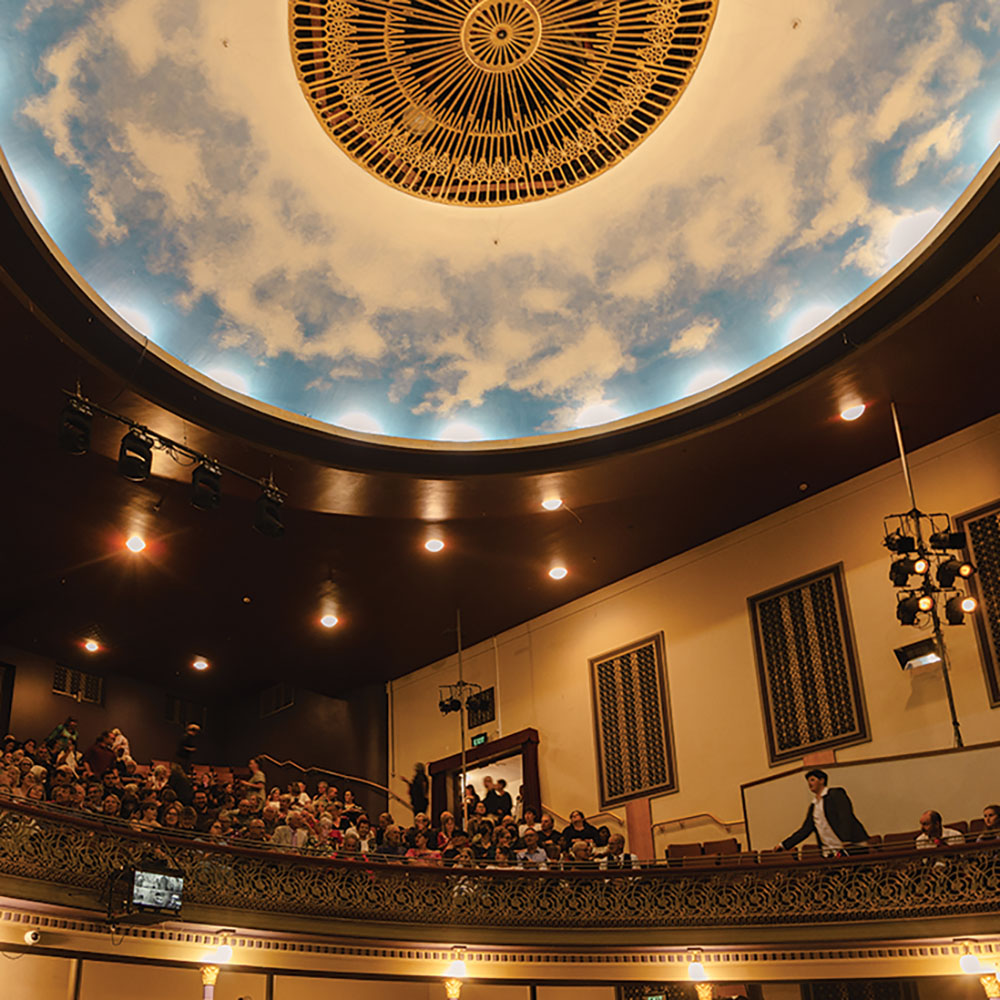
Creativity runs deep in Whanganui. More than 20 galleries are scattered throughout the city, many of them artist-run spaces where visitors can meet makers and see works in progress. Street art brightens walls and laneways, while museums and galleries tell stories that connect contemporary creativity with the region’s cultural heritage.
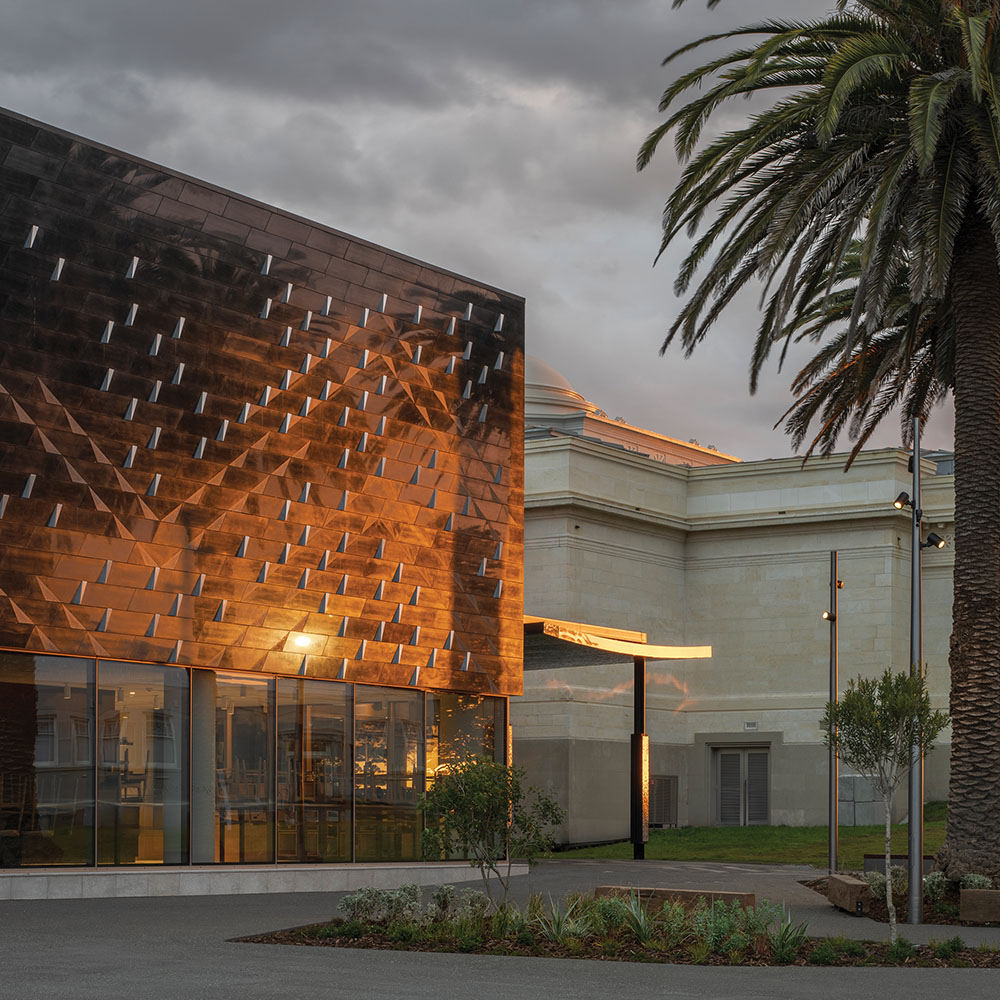
At the heart of the city’s arts scene is Te Whare o Rehua Sarjeant Gallery. Recently restored and expanded, the gallery combines a historic landmark with a striking contemporary addition developed through a co-design process with local iwi. The result is one of New Zealand’s most significant cultural spaces, housing a collection of more than 8,000 works spanning four centuries of New Zealand and international art.
Nearby, the Whanganui Regional Museum offers a deeper understanding of the region through taonga Māori, Lindauer portraits and local history collections, while New Zealand Glassworks provides the opportunity to watch artists at work and even try glassmaking for yourself.
Creativity on the menu
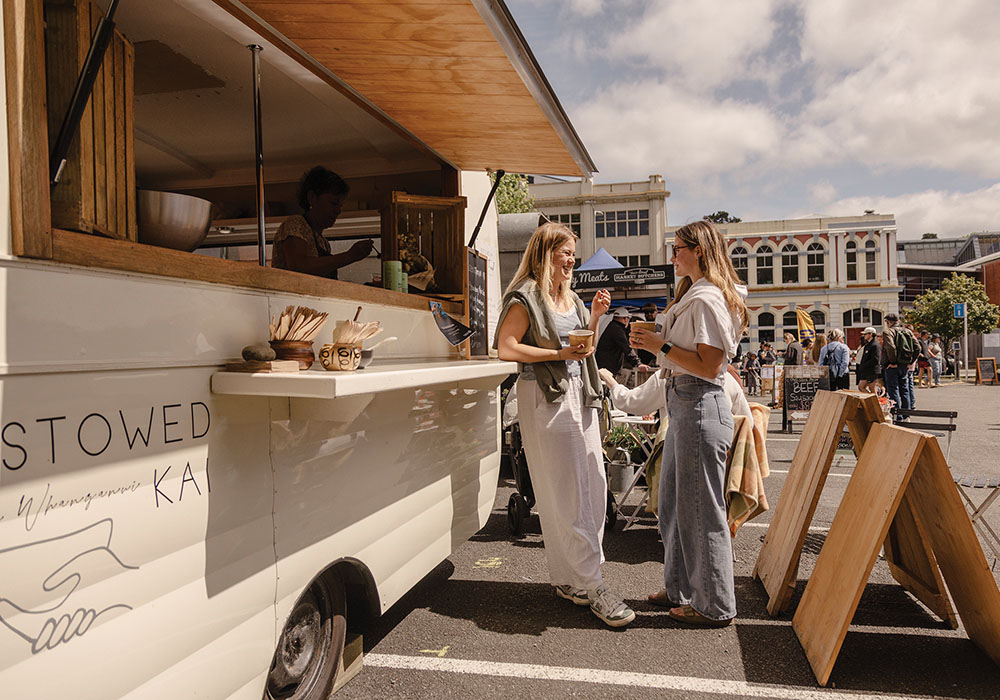
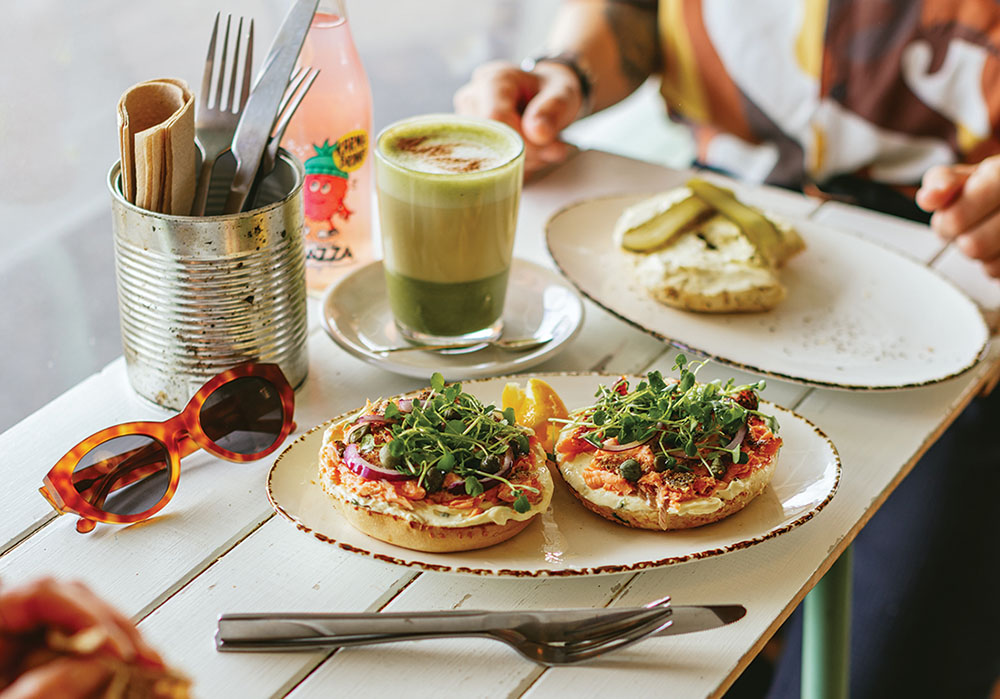
Whanganui’s creative energy isn’t confined to galleries. Throughout the city, independent cafes, restaurants and bars occupy thoughtfully restored spaces, each bringing its own character to the streetscape. Along Drews Avenue in particular, you’ll find a cluster of venues where good design, hospitality and craftsmanship come together.
The Distillery offers visitors the chance to create their own bespoke gin, while favourites such as Porridge Watson, and, at the other end of town, Little Curious Bagels, reflect the city’s talent for reimagining old spaces in fresh and unexpected ways.
Stay somewhere different
Even accommodation plays a role in Whanganui’s design story. Visitors can stay in architecturally significant homes, carefully restored heritage properties and innovative small-scale accommodation that reflects the city’s creative outlook. From a mid-century house designed by local architect Don Wilson to the unique Iona Tiny House, built from the timber hull of a historic vessel, these are places that add another layer to the experience.
Looking forward
Whanganui’s Unesco City of Design status recognises more than its past achievements. It also reflects a city continuing to evolve.
That future focus will be on display in October when Whanganui hosts the inaugural Festival of Design Aotearoa, bringing together designers, artists, businesses and communities to explore how design shapes modern life.
Whanganui offers art, architecture, culture, food and history in a city that’s easy to explore and full of surprises. The Unesco title may draw people in, but it’s the character of the place that makes them want to stay a that little bit longer!