
From 1887 until the Geneva Accord of 1954, Vietnam formed part of French Indochina, a colonial territory that also encompassed Laos and Cambodia.
Today, the imprint of that period remains deeply embedded in the country’s culture – and nowhere more so than in its food.
“Baguettes and pâté … The French had such a profound impact on the Vietnamese way of life yet I’ve never stopped to really consider the culinary legacy they left behind,” writes Vietnamese-Australian chef, food writer and restaurateur Luke Nguyen in his culinary tome, Indochine, “or how much influence it has had on my own and other Vietnamese families’ cooking techniques.”
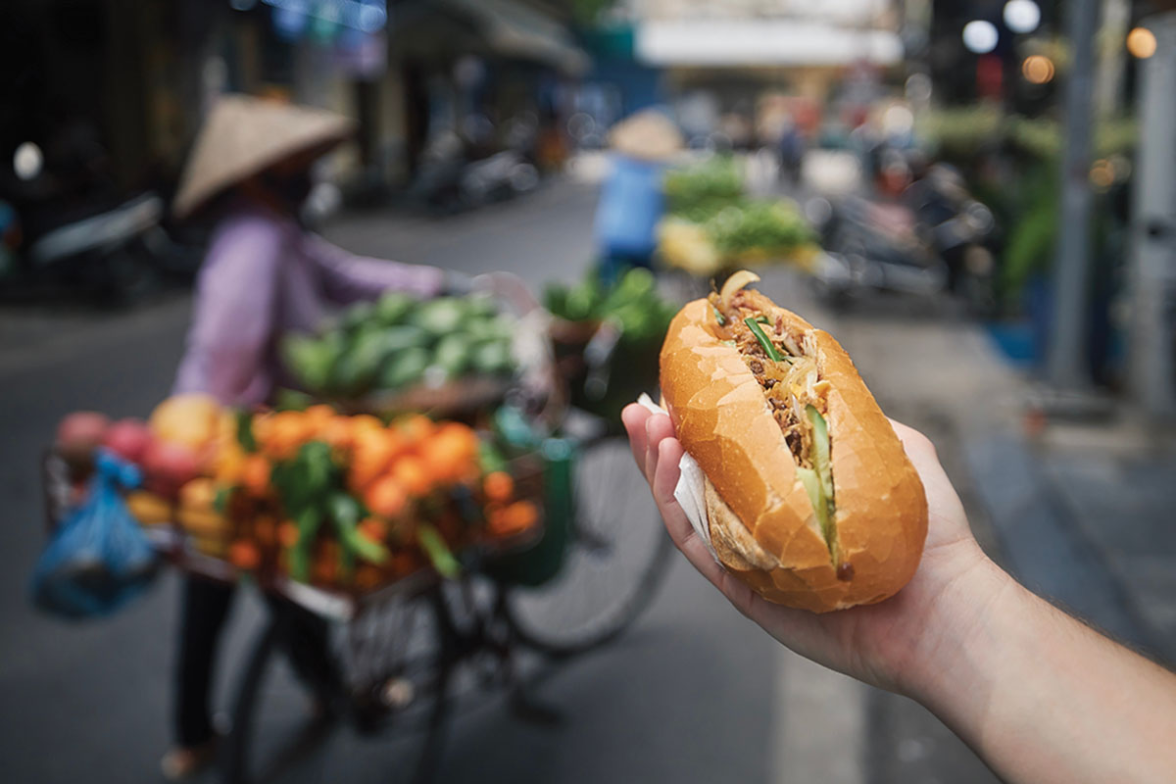
Bread has never been embraced elsewhere in Asia as it has here, where millions begin their day with a bánh mì. While the baguette was introduced by the French, it evolved using rice flour, resulting in a lighter, airier texture that’s unique to Vietnam.
Then there is phở – arguably the country’s most famous dish and whose name is widely believed to derive from the French broth pot-au-feu.
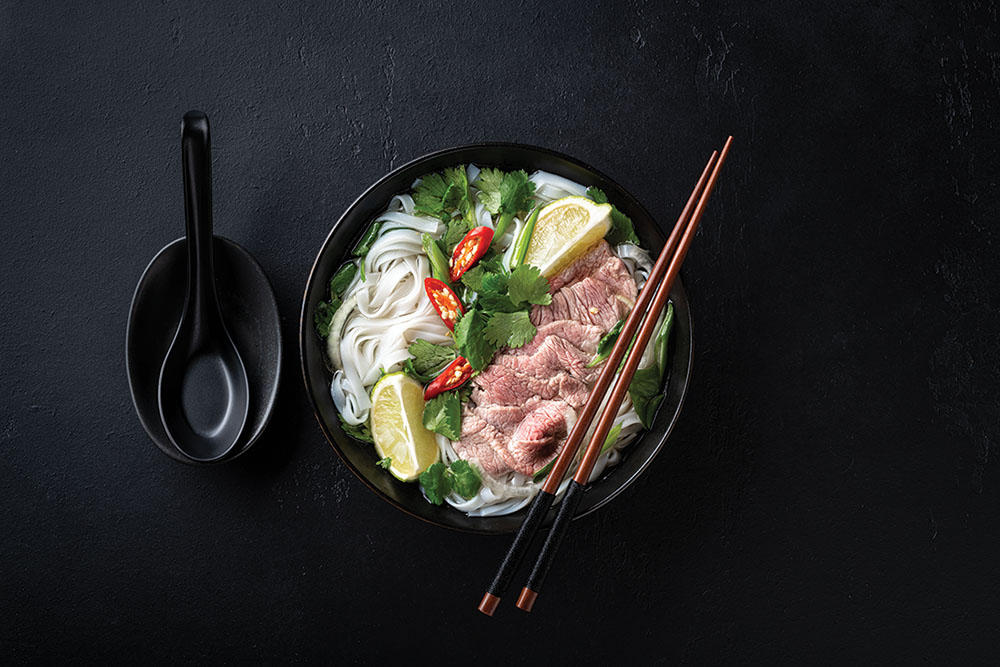
Madame Van, chef of Le Beaulieu at the Sofitel Metropole in Hanoi, explains to Nguyen how beef entered the Vietnamese mainstream: “Before the French came to Vietnam, the Vietnamese people hardly ever ate beef or buffalo? …
We considered these animals as working animals…”
The influence is particularly strong in southern Vietnam, where French occupation lasted longest. There, baguettes are a natural accompaniment to dishes such as ragu gà (chicken stew), bò kho (beef stew) and bánh mì ốp la (omelette roll), while bánh xèo offers a sizzling Vietnamese take on the French crêpe.
Coffee tells a similar story. Introduced as café au lait, it flourished in Vietnam’s climate and evolved into a distinct local ritual: brewed slowly through a drip filter, mixed with sweetened condensed milk and often poured over ice. Today, Vietnam is the world’s second-largest coffee exporter after Brazil.