
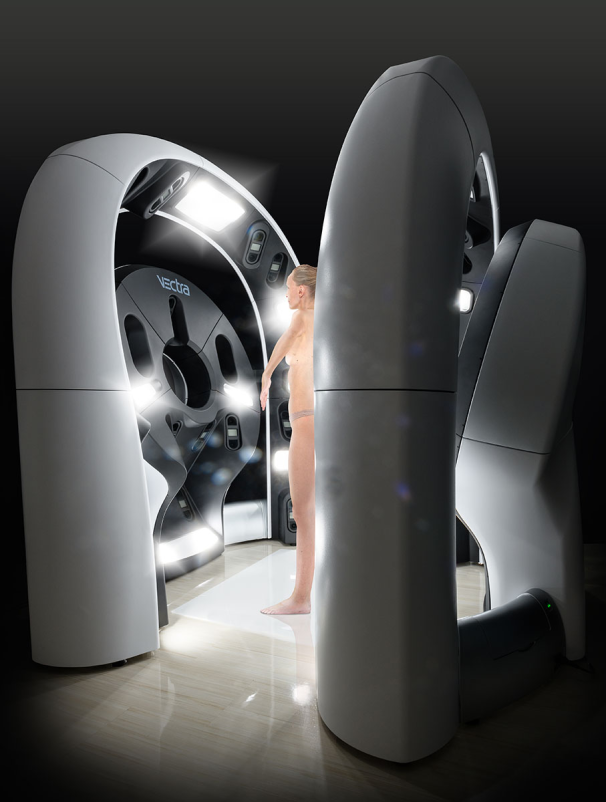
Associate Professor Richard Martin from Skinscape 360 explains how cutting-edge 3D imaging and AI-assisted analysis are changing the landscape of skin cancer detection in New Zealand.
What is Skinscape 360 and how does the technology actually work?
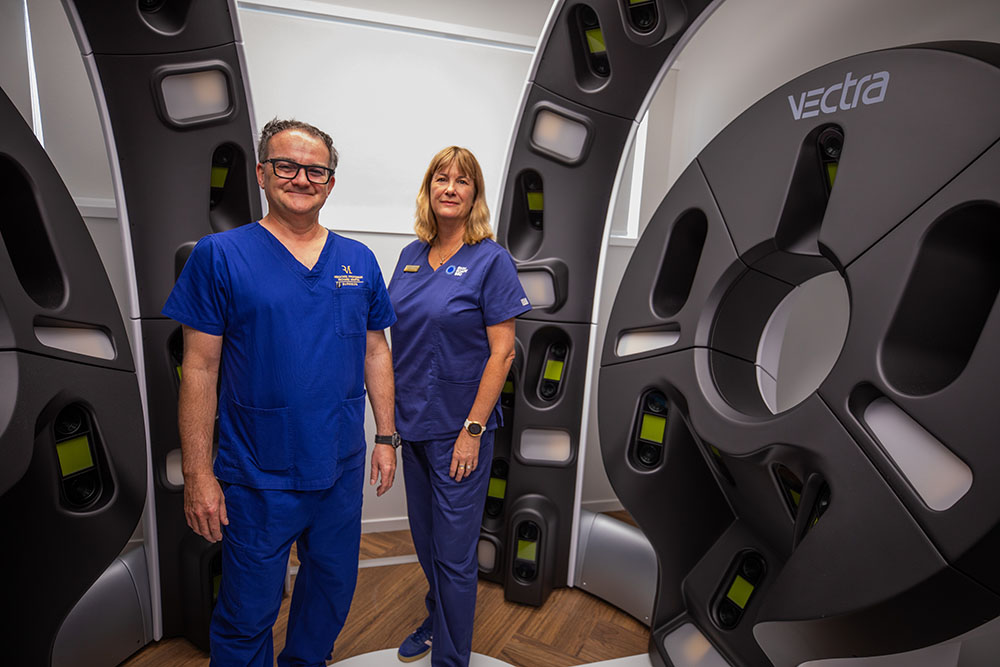
Skinscape 360 uses advanced total body imaging to support the early detection and monitoring of skin cancers. In just one second, the VECTRA WB360 captures 92 high-resolution images of the skin to create a precise 3D avatar – or digital skin twin – of the patient’s body. This allows skin cancer professionals to examine the skin from multiple angles, zoom in on individual lesions, and, crucially, compare changes over time with the assistance of AI technology.
Tracking change is critical in detecting skin cancer. Regular 3D scans can help identify new or evolving lesions that may indicate melanoma, basal cell carcinoma, or squamous cell carcinoma. Artificial intelligence supports the process by highlighting areas that appear unusual or have changed between scans. However, AI is currently used as a support tool rather than a standalone diagnostic system. All findings are reviewed by qualified skin cancer professionals alongside a full clinical examination and dermoscopy.
How does the VECTRA WB360 system improve early detection compared to traditional skin checks?
The system’s high-resolution cameras provide intricate detail of the skin and individual lesions, while AI-assisted analysis helps clinicians identify suspicious changes that may otherwise be difficult to detect during traditional skin checks.
How does Skinscape 360 help patients track changes in their skin over time?
The Canfield software, Dermagraphix, compares a patient’s original avatar with subsequent scans to track changes over time and highlight any new lesions. Stable lesions that do not change are generally not skin cancers, making long-term monitoring particularly valuable.
What role does AI play in supporting clinicians during skin analysis at Skinscape?
The VECTRA WB360 and Canfield software utilise AI in three key ways:
- The lesion visualiser can highlight atypical lesions.
- The DEXI dermoscopic software provides a risk score from 1–10, with 10 indicating a lesion highly likely to be skin cancer. The latest DEXI 3.0 update has now been recognised by the FDA in the United States as a diagnostic tool rather than simply an experimental aid.
- AI-powered change tracking highlights anything new or changing between scans.
How accurate is 3D total body imaging when it comes to identifying suspicious lesions?
The technology is highly accurate, with more than 30 published studies to date examining the use of the VECTRA WB360 system.
What should patients expect during a full Skinscape 360 scan appointment?
Patients can expect the most advanced and comprehensive skin cancer assessment currently available in New Zealand. In just one second, the entire body is scanned and recorded before the software creates a detailed digital avatar for ongoing monitoring and comparison.
Is Skinscape 360 suitable for people with no visible concerns, or only high-risk patients?
Skinscape 360 offers different levels of assessment and is particularly well suited to people who:
- have a large number of moles
- have experienced significant sunburn
- have fair skin that burns easily and does not tan
- have blue eyes
- have fair or red hair
- have previously been diagnosed with melanoma
- have a family history of melanoma
- have had previous skin cancers, including BCC or SCC
How does Skinscape 360 reduce the risk of missed or late-diagnosed skin cancers?
The advanced imaging and AI-assisted technology support skin cancer specialists by helping ensure that suspicious or changing lesions are less likely to be overlooked.
Why is education around sun safety and regular skin checks so important in New Zealand?
New Zealand has the highest rate of melanoma and skin cancer in the world, including the highest mortality from melanoma. The UV environment is one of the harshest in the world, and prevention is the best approach, along with early detection.
09 8699 360 | 3 Anzac Street, Takapuna