
Fatigue, brain fog, restless sleep, low mood, anxious feelings, thinning hair, heart palpitations.
These symptoms are so common today that many people simply accept them as part of modern life. But too often, they are signs of something very specific and very addressable: low iron. Data suggests that up to 55% of New Zealand women of reproductive age are iron depleted or deficient, with growing numbers of children and teenagers also falling below optimal levels.
Iron is needed to carry oxygen in the blood, but it also supports brain function, neurotransmitter production (including serotonin, dopamine and GABA), thyroid hormone production, detoxification, mitochondrial energy production and immune health. Menstruating women require 18mg of iron per day just to maintain adequate levels. For pregnant women, the need rises dramatically to 27mg per day to support the baby’s development and the mother’s expanding blood volume. Children are increasingly at risk too. Rapid growth, fussy eating and shifting dietary patterns mean many are not meeting their iron requirements. Low iron in children can present as poor concentration, frequent infections, delayed growth, irritability, poor focus, pale skin, fatigue, picky eating, low appetite and behavioural challenges.
Those who eat in a vegetarian or vegan way must also pay extra attention. To overcome the hurdles associated with the absorption of non-haem iron (the form found in plant sources of iron), we need to multiply the recommended daily intake for iron by 1.8. Even when people know they’re iron deficient, many struggle to correct it. Traditional iron supplements often rely on forms with lousy reputations for causing digestive side effects such as constipation, nausea and stomach pain. Understandably, many people stop taking them leaving low iron unaddressed.
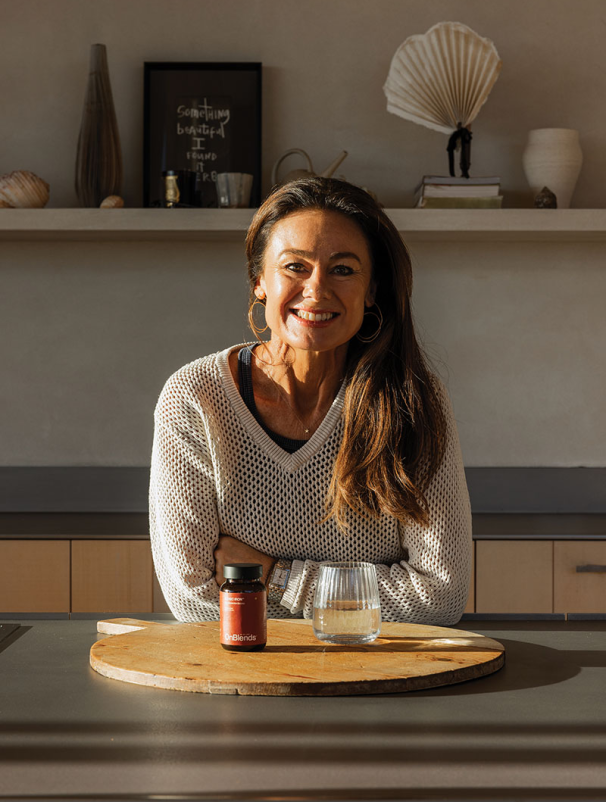
Long-term research has revealed the value of ferritin-iron, a unique form of iron sourced from organic peas, which can be concentrated and used in a supplement, like Iconic Iron. Unlike old-school iron supplements where the gut cells are exposed to ‘free iron’ during the absorption process – which can drive inflammation, oxidative stress and some of the uncomfortable side effects – the natural protection of the ferritin protein shell, houses the iron inside, never exposing the gut cells to ‘free iron’. Ferritin-iron is absorbed intact via its own unique mechanism (called receptor-mediated endocytosis) protecting the digestive system from irritation while delivering the iron efficiently and sustainably.
Iron deficiency isn’t just a problem in other parts of the world. It’s here. It’s affecting our children’s ability to thrive at school. It’s influencing women’s experiences of pregnancy, menstruation, perimenopause and beyond. We can change that. And it starts with awareness, and with the right tools to truly fix iron first.
For more information about Dr Libby’s development of Iconic Iron, visit onblends.com