Wes Anderson’s filmography has served as an ever-present stylistic inspiration, a constant place of refuge and artistic influence during my teenage years.
I could probably be classified as a devout fan of Anderson’s work, having seen every single one of his films (multiple times). I certainly remember being drawn to the dazzling, meticulous visual language of his films.
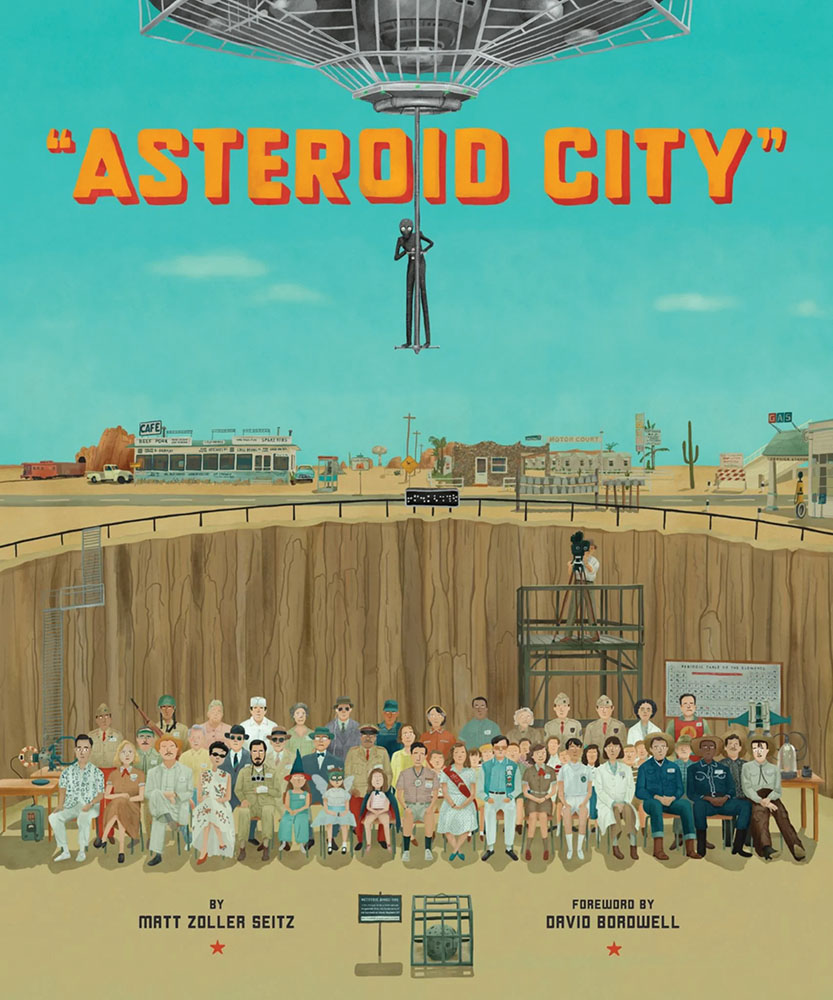
Anderson is perhaps most famed for the precise, theatrical, candy-coloured aesthetics of his later films, soaked in admiration for retro design. His characters are always clothed in vintage garb that I could only dream of happening upon at flea markets (Margot Tenenbaum’s fur coat… I’m looking at you). This can certainly be seen in Asteroid City, set in an isolated American desert community in the mid-20th century. The pure azure sky is stark against the arid desert, which is populated by strange 50s-clad characters overcoming struggles both personal and extreme.
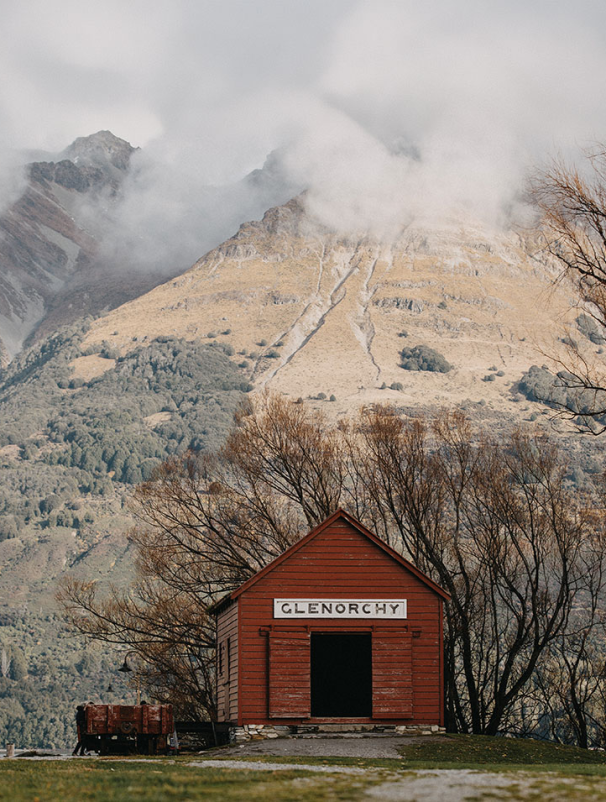
Like many others around the world who love Wes Anderson’s aesthetic, I search for his style in the world around me – accidentallywesanderson.com is a whole website dedicated to this! New Zealand can feel fairly removed from the worlds created by Anderson, populated by European architecture and American design. However, themes of isolation play a massive role in every Wes Anderson film, either visually or in the lives of his protagonists. I think this is exactly what allows fans of Wes in New Zealand to find traces of his style across our motu. Wes Anderson covets the unusual, the culturally specific, the lone outposts engulfed in glorious landscapes. He adores a blocky typeface to formally herald some minute structure.
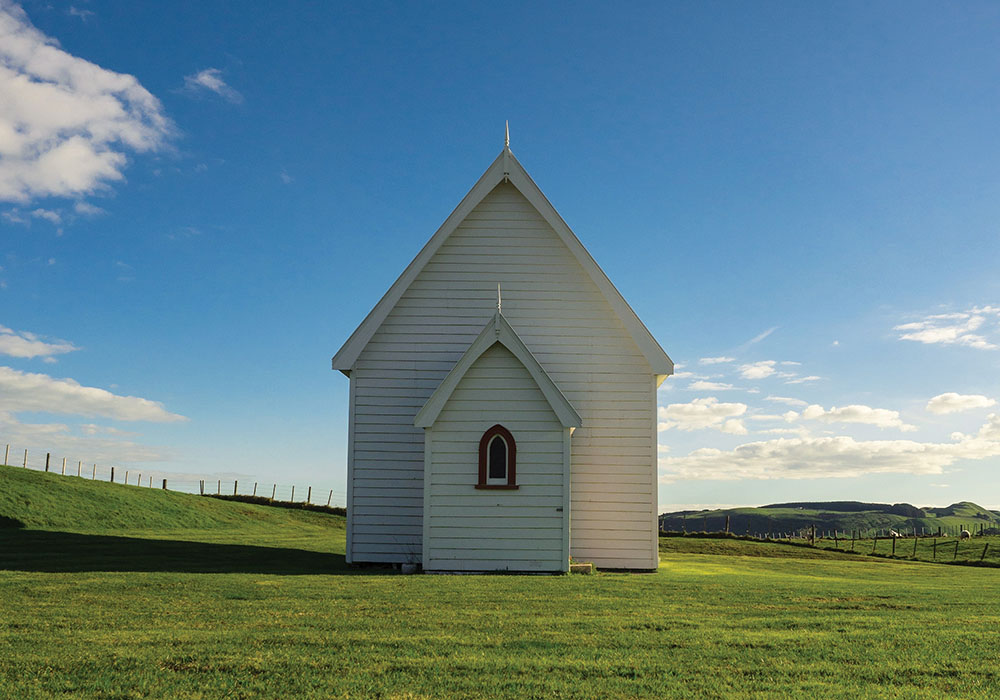
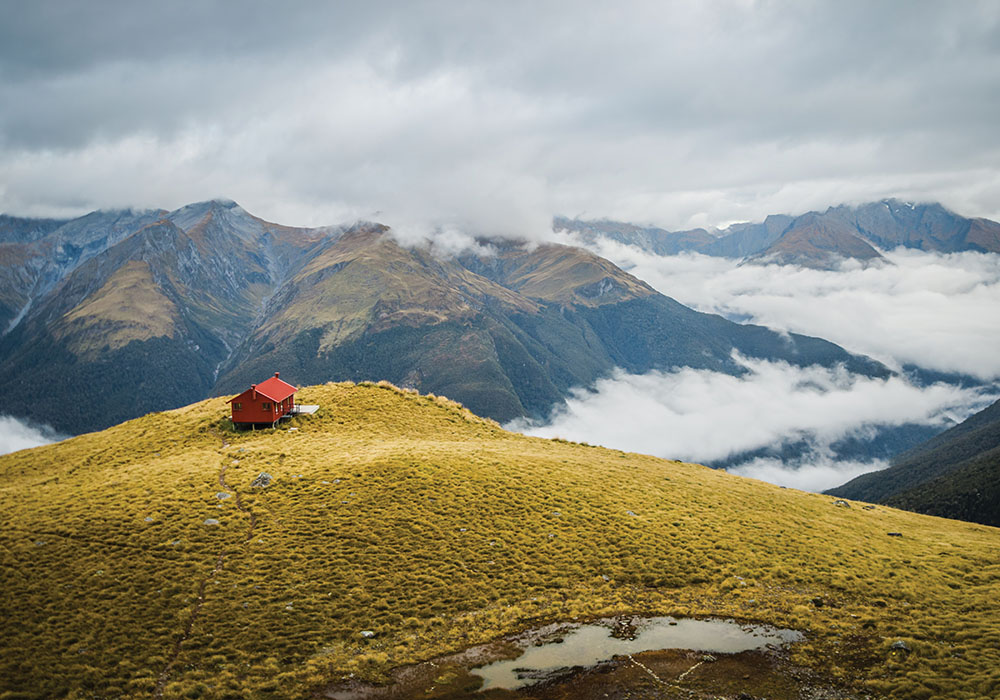
These miniscule dwellings have definite charm. They act as vestiges of humanity in otherwise desolate landscapes, micro-settings for self-contained stories that the audience are allowed a glimpse into. In The Grand Budapest Hotel, characters Monsieur Gustave H and Zero the Lobby Boy are on the lam, endeavouring to evade the authorities. They travel from a rail-side telephone booth to a clandestine meeting at a mountain-top observatory, then journeying by gondola to remote cloisters. These structures are made microscopic by the background that surrounds them, perhaps reminding the viewer that in the grand scheme of things, our human dramas are mere trifles.
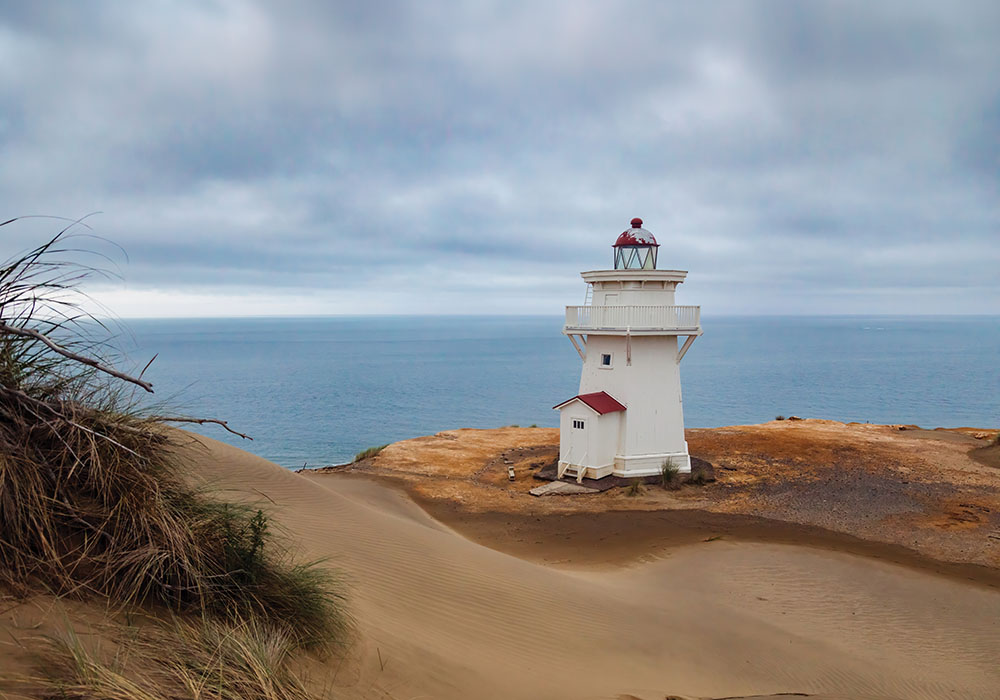
Some critics argue Anderson’s films prevail style over substance. I could not disagree more. The plots of his films examine the subtleties of emotion, introspective worlds, and strife-filled relationships, linking and weaving like rivulets of a stream. Wes Anderson’s style and status as an auteur is firmly established, and he could be considered one of the most aesthetically recognisable filmmakers of the 21st century.
Across these pages we’ve curated some Anderson-esque, minute abodes here in Aotearoa. With their symmetry, colour, and isolation, these places would be right at home in Anderson’s films.
The Wes Anderson Collection: Asteroid City
by Matt Zoller Seitz, published by Abrams Books, distributed by Thames & Hudson Australia, $79.99
Cultural critic and New York Times bestselling author Matt Zoller Seitz presents the complete story behind Asteroid City ’s conception via interviews with Wes Anderson and Jason Schwartzman and illuminating behind-the-scenes photos, ephemera, storyboards, models, miniatures, and artwork. This 256-page book is the official behind-the-scenes companion to Asteroid City from the bestselling Wes Anderson Collection series.
We have one copy to giveaway to one lucky fan. To enter, click WIN then follow the directions.