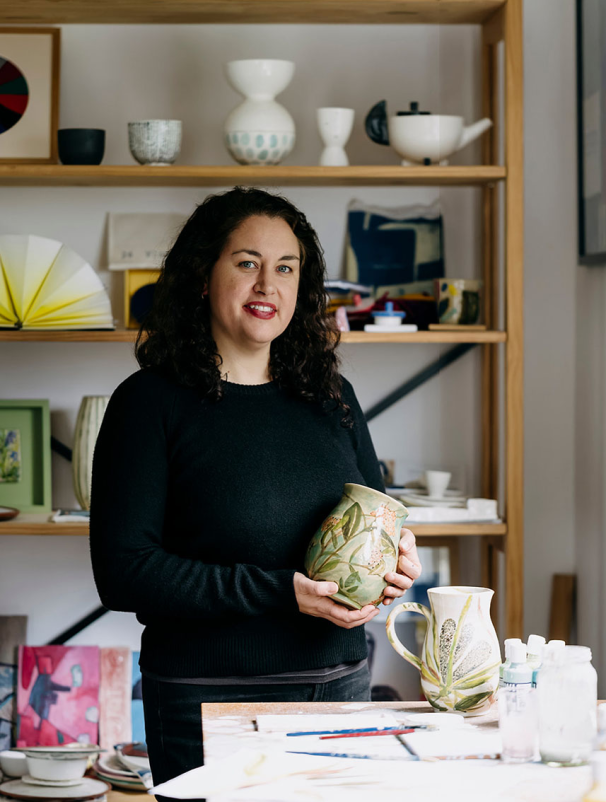
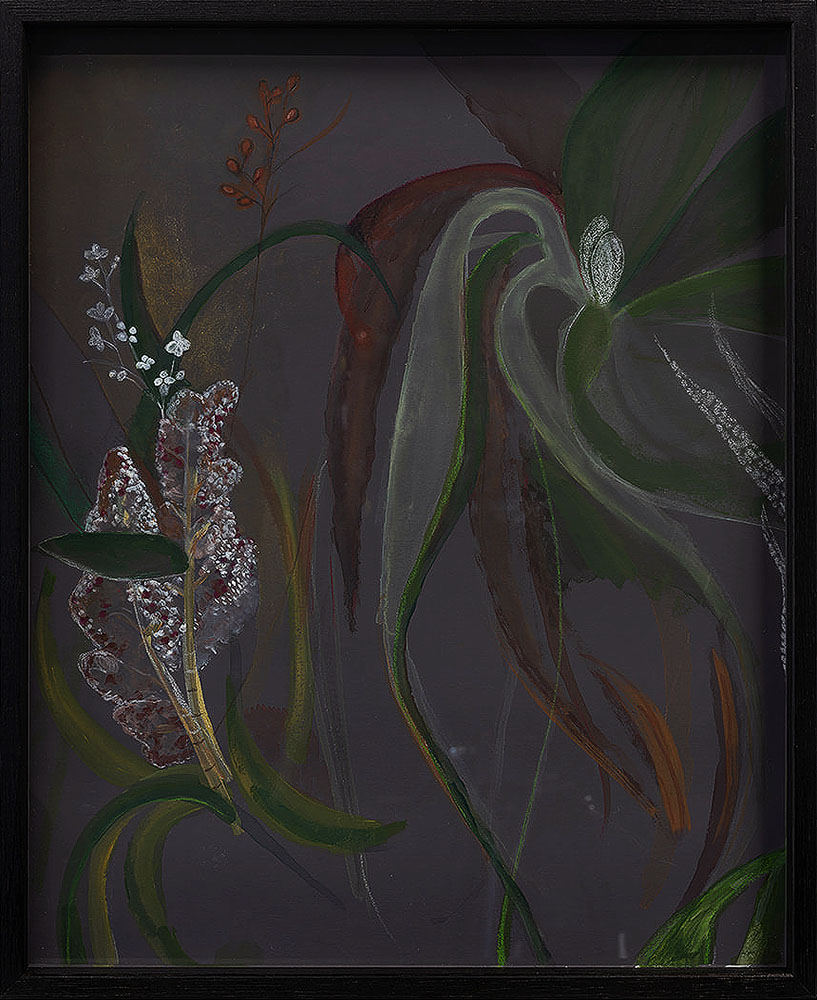
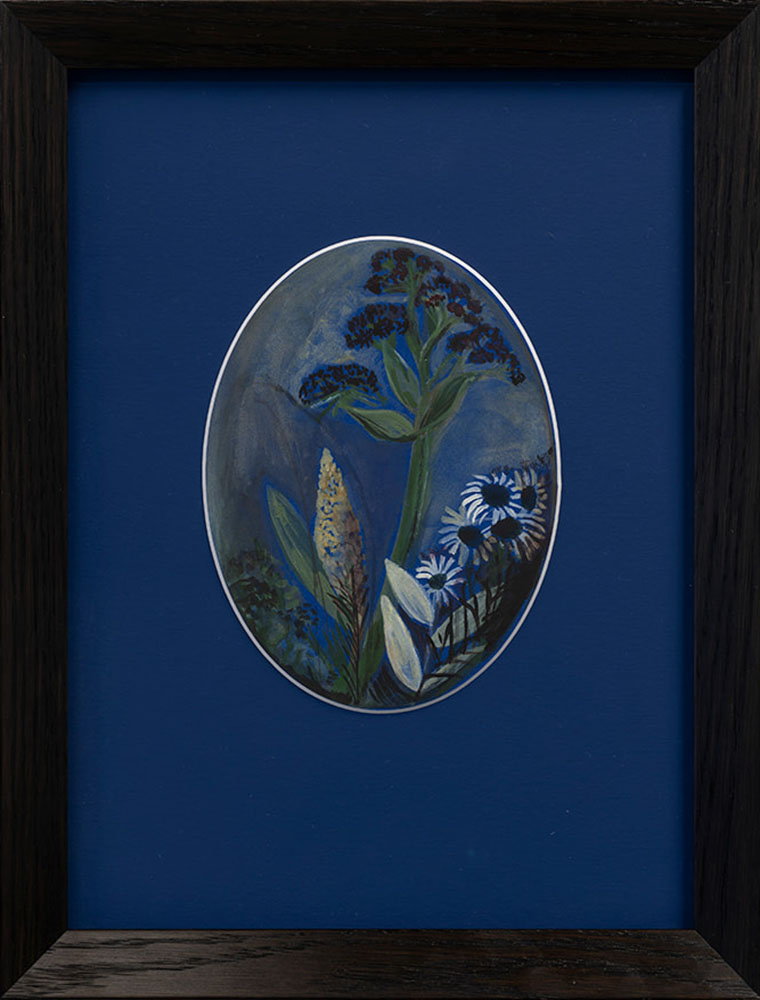
Julia Holderness’s solo exhibition Botanical Correspondents was developed in response to the artistic legacy of 19th-century botanical artist Emily Cumming Harris (1837-1925). Exhibition opens at Sanderson Gallery August 26th.
“I’m drawn to stories and figures from the past, especially where there are questions and gaps,” Julia tells Verve. “That’s usually the signal that there’s enough space for my own speculations and imagination to enter.
“Botanical Correspondents explores Harris’s life and practices, her prolific paintings of indigenous flora presented across a series of installations. Alongside paintings and objects, there is a video work and reimagined furnishings, including a freestanding screen and Victorian inspired textiles.
“There are many correspondents and voices within the exhibition: Emily, myself, and the writers of the wall labels. Together they create a web of attention, care, and shared understanding across time, place, and thought.”
Your exhibitions begin with hours of real research. At what point does the research stop and your imagination take over?
I don’t think there’s a clear handover. Research and imagination weave together throughout the process. The factual material gives me a framework and a sense of authenticity, but eventually the work begins asking for things that a straight historical account can’t provide. That’s when my speculative gestures emerge. I like the point where the boundary between what is real and what is imagined becomes slightly uncertain, inviting the viewer to question both.
Has motherhood affected your artistic approach?
Motherhood has changed both the practical reality of making work and the way I think about it. Time became more precious, so I’ve learnt to work more efficiently, intuitively and to trust my instincts rather than waiting for ideal conditions. It has also deepened my awareness of care, inheritance, and the ways knowledge and stories are passed between generations.
I’ve also started an after-school art club. It provides a little extra income, but more importantly, it’s a way of ensuring artmaking remains a regular part of what I do with my boys. Through these sessions I’ve revisited materials I hadn’t used for years and experimented with new ones alongside the children. Their curiosity and openness is so wonderful to be around. That spirit of experimentation has enriched my own practice.
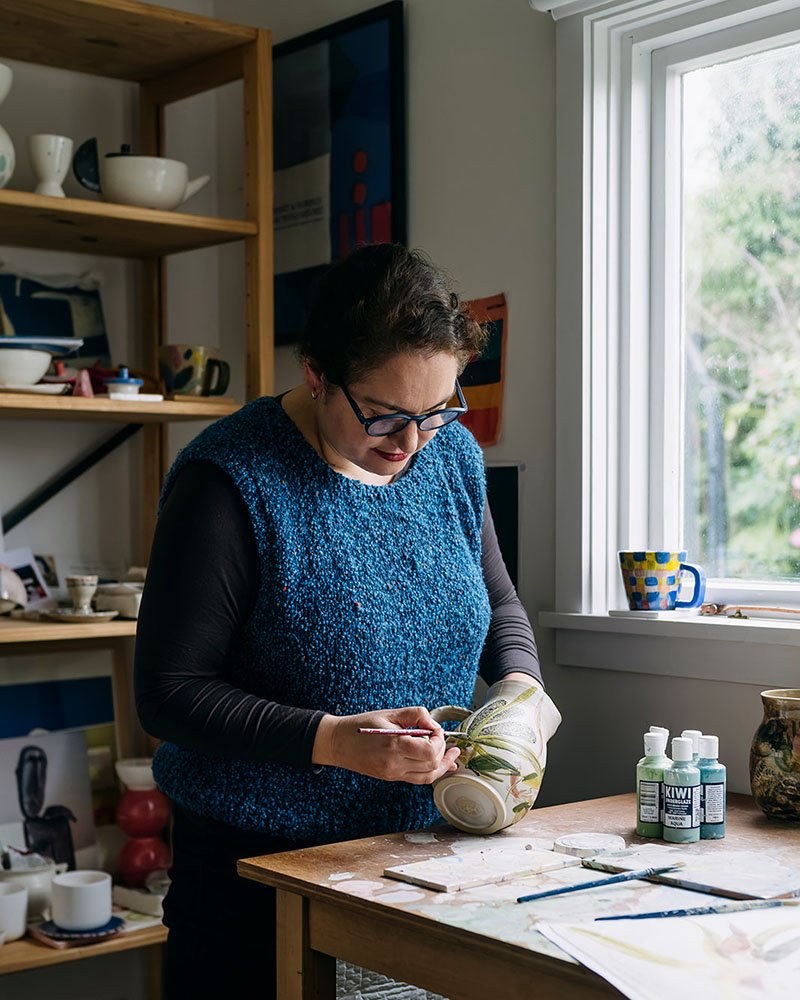
Your studio is at the back of your garden in Christchurch. How does that setting influence your work?
It’s really just a lovely way to break up my day. My ‘brain breaks’ might be picking out a few weeds or doing a quick job in the vegetable garden. It also keeps me connected to the very distinct seasons we have here in Ōtautahi and it’s been useful for my Emily Harris project that my garden has so many natives. Gardens are a way to practice close observation.
Do ideas usually arrive attached to a particular medium, or does the story come first and the materials follow?
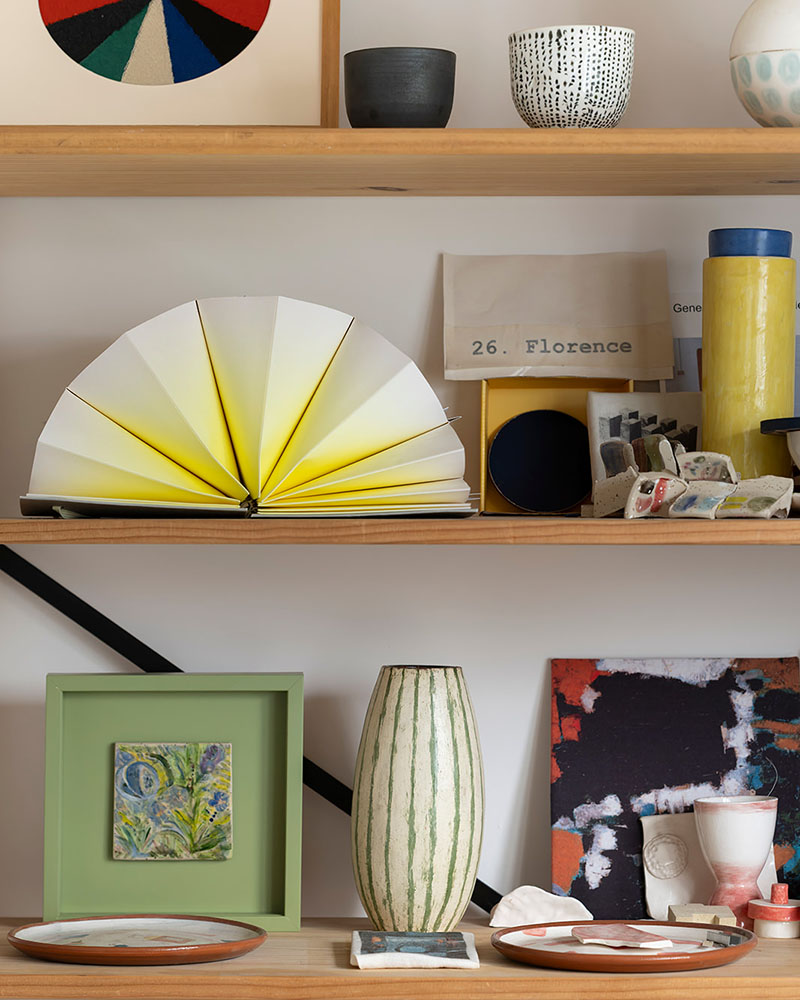
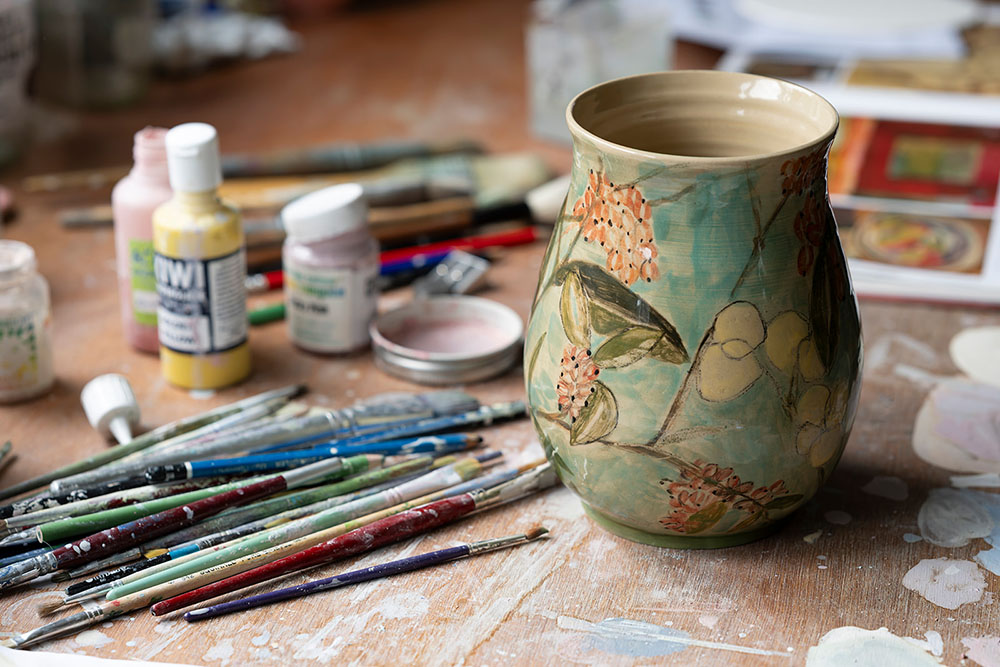
I often keep coming back to ceramic, textiles, print and painting – and I want my shows to have that mix. I like the ideas and visual language to spread across different sorts of objects.
I think that’s become my style.
When someone spends time with one of your exhibitions, what’s the feeling you hope stays with them?
I hope they leave feeling curious. For someone to walk away wondering whether something they saw was real or imagined – or with a renewed sense of wonder about the complexity, dedication, and resilience of Emily Harris’s Victorian art practice. Then I feel the work has done its job.
See Julia’s exhibition Botanical Correspondents at Sanderson Gallery from 26 August – 14 September.