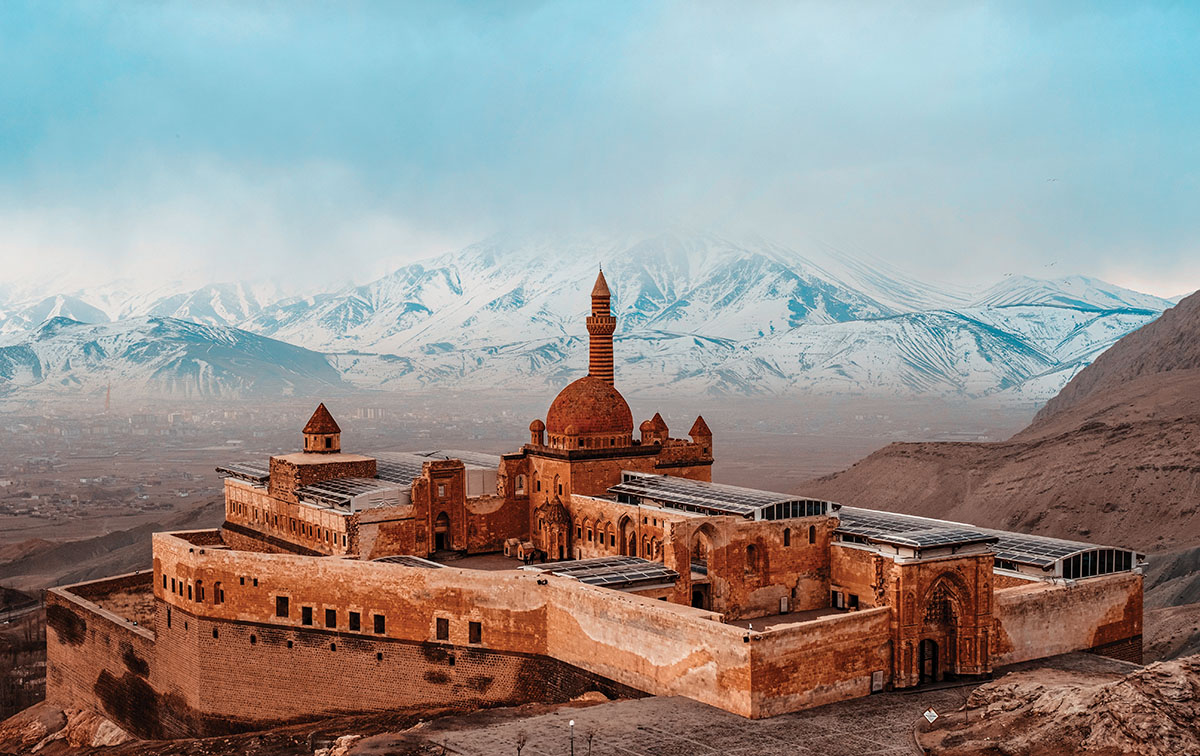
To the east, Mount Ararat towers to more than 5,000m, sacred to many cultures who believe to be the site where Noah beached his ark following the Great Flood.
Troy
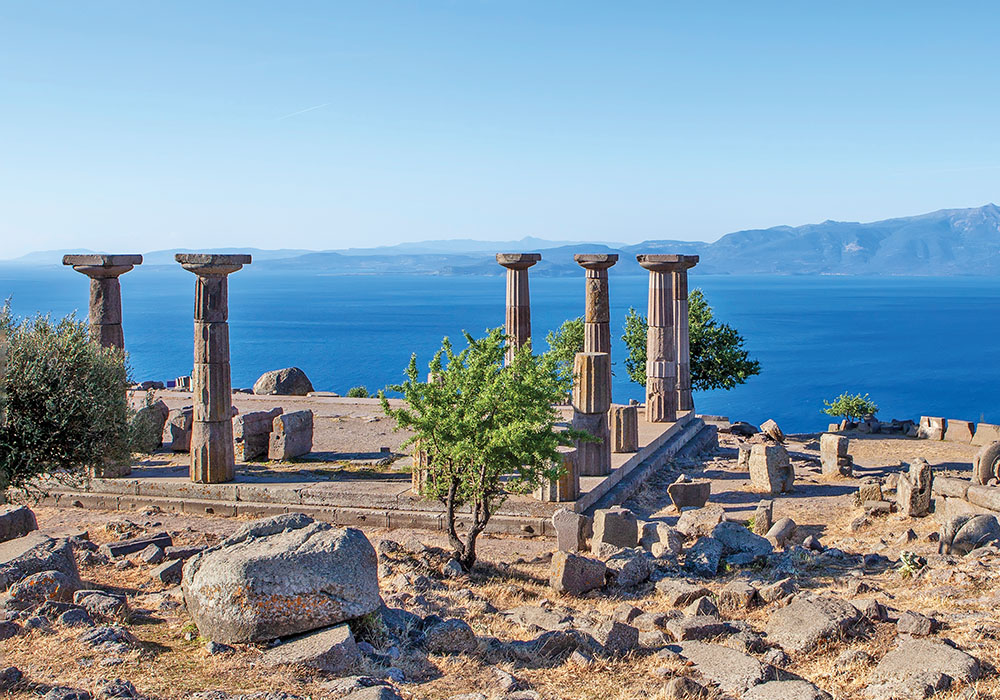
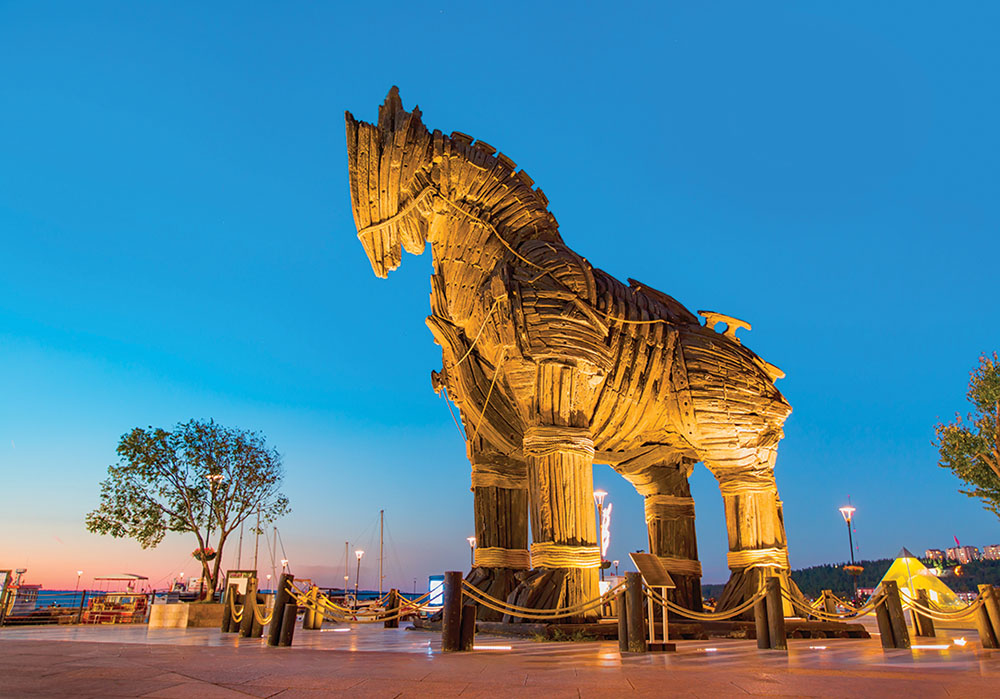
A Unesco World Heritage Site since 1998, Troy carries 4,000 years of history and ranks among the world’s most famous archaeological spots. German archaeologist Heinrich Schliemann began excavating here in 1870, uncovering remains now considered the clearest evidence of early contact between Anatolian and Mediterranean civilisations, long before the country of Türkiye came to be. The siege of Troy by Spartan and Achaean warriors in the 13th or 12th century BC, immortalised by Homer (and, more recently, Nolan!) in the Iliad and the Odyssey has inspired artists for millennia. Heading south from the port town of Çanakkale, signs for Truva (Troy) soon appear; half an hour later, you’re walking among scattered ruins, an enormous wooden horse, and the plains where the legendary Trojan War was fought.
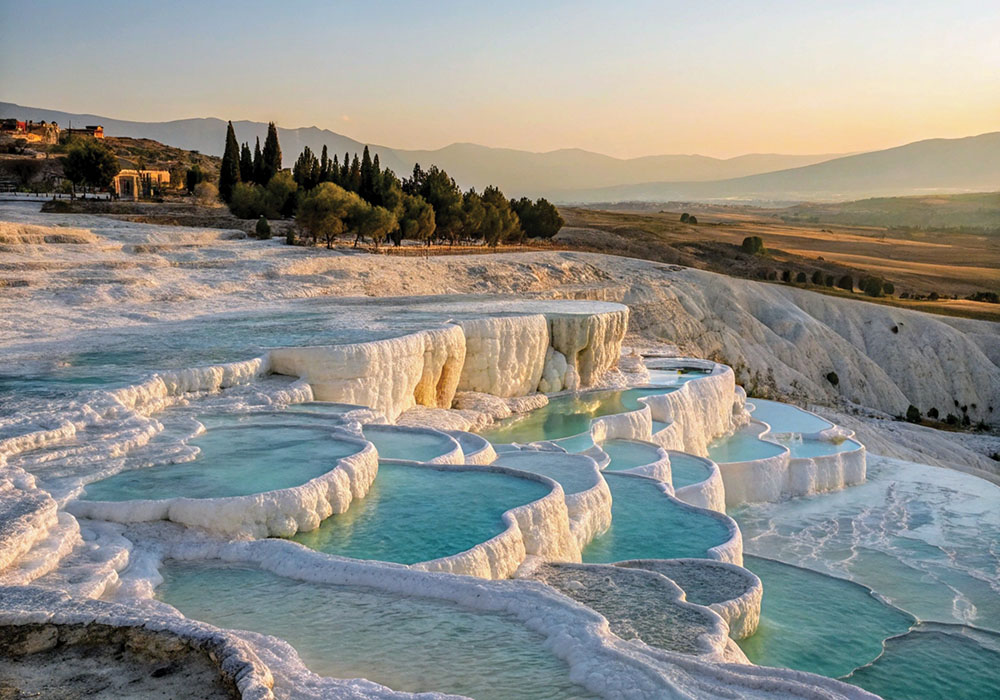
Pamukkale
From afar, Pamukkale resembles a snow-capped ski slope but its brilliant white terraces are actually travertine (a type of limestone) formed by mineral-rich hot springs – some emerging near boiling point. Long before modern tourism, Greeks and Romans visited for its thermal waters and the nearby Plutonium, revered as a gateway to the underworld. Today Pamukkale and the ancient city of Hierapolis above it form a Unesco World Heritage site drawing large numbers of visitors.
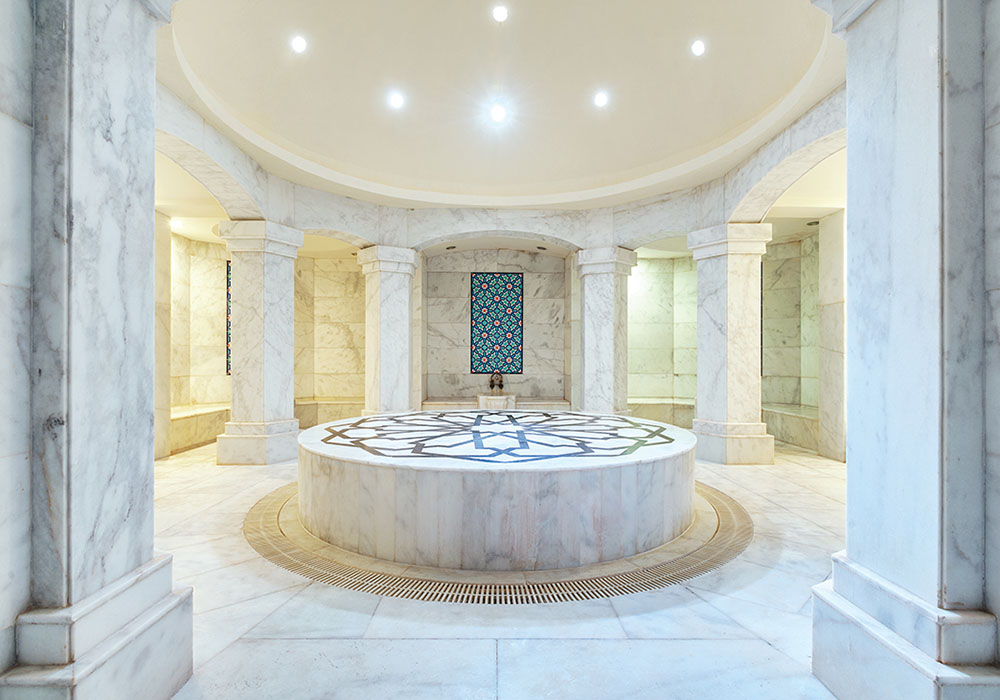
Turkish Baths
Visiting a bathhouse, or hamam, is one of Türkiye’s essential experiences, also serving as a chance to unwind after a day of sightseeing! Found throughout the country, with Istanbul home to some of the grandest historic examples, hamams were modelled on Roman baths and once served as communal washing facilities and gender-segregated social spaces before indoor plumbing existed. Bathers move from the cool soğukluk (cold room) to the warm ılıklık (warm room), before reaching the domed sıcaklık (hot room), which is a steamy chamber heated past 40C, centred on the marble göbek taşı (navel stone), where attendants scrub and wash guests.
Cappadocia
Göreme National Park and the Rock Sites of Cappadocia, in Central Anatolia showcase a Unesco-listed landscape shaped by erosion into fairy chimneys and cave dwellings. Inhabited since the Hittite era (1800-1200 BC), the region’s precarious position between rival empires like the Greeks and Persians drove residents to carve refuges into the rock. From the 4th century, Christian monks built underground towns up to eight stories deep, adding frescoed cave chapels from the 7th century – remarkably, some dwellings remain as homes or hotels today.
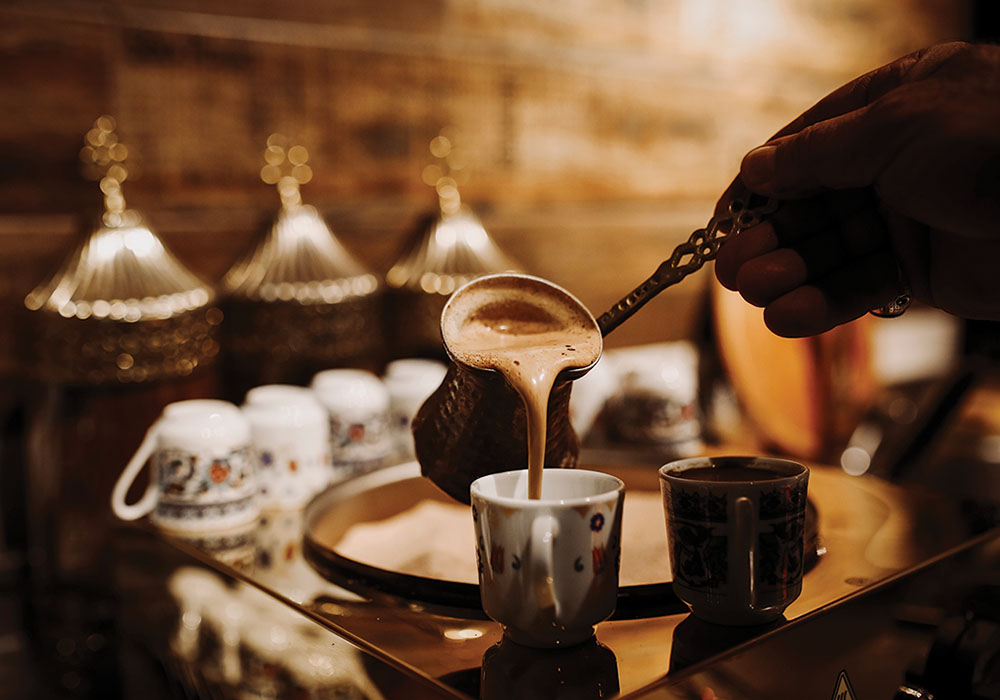
Taste
Introduced to the Ottoman Empire from Yemen in the 16th century, Turkish coffee commands a central place in social ritual. Finely ground beans, cold water and sugar are brewed slowly in a cezve (coffee pot) until the foam forms just right, then served in small cups. Traditionally drunk in coffee-houses over conversation, it remains a symbol of hospitality and friendship, and was added to the Unesco Intangible Cultural Heritage List on 5 December 2013 – a day which now serves as World Turkish Coffee Day.
Türkiye’s most famous food is of course kebabs, but the cuisine goes well beyond that with olive-oil dishes from the Mediterranean coast, hearty pastries from central Anatolia, and subtly spiced offerings from the east and southeast. Piyaz salad is a standout – its secret lies in çandır, a small white bean grown in the inland Antalya province the dish takes its name from.