Words —
Elle Watson
The sky was just beginning to lighten as our vessel glided from the Sea of Marmara into the Bosphorus.
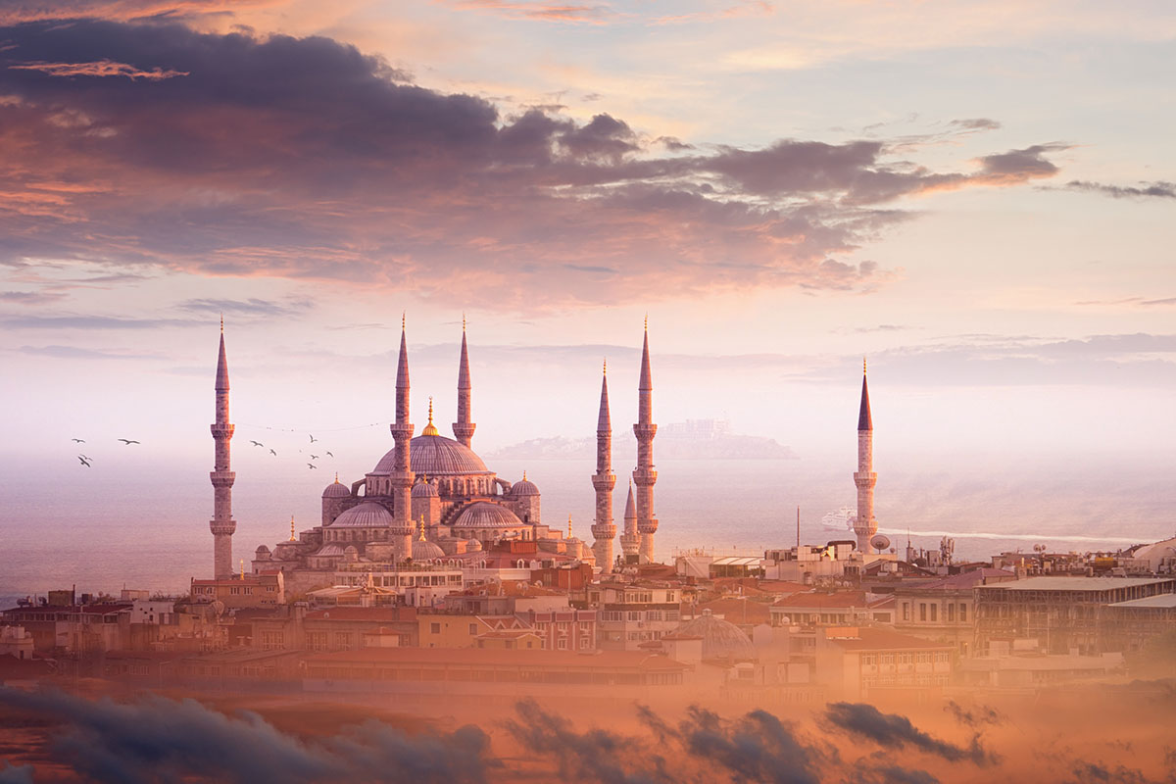
The first Fajr call to prayer echoed across a skyline of domes and minarets, drifting out to sea. On the distant hilltop, Sultanahmet Camii – the Blue Mosque – towered over the harbour like an Ottoman prince. A pilot boat sailed in parallel, escorting us into a world of empires that had enthralled travellers for centuries.
Beyoğlu
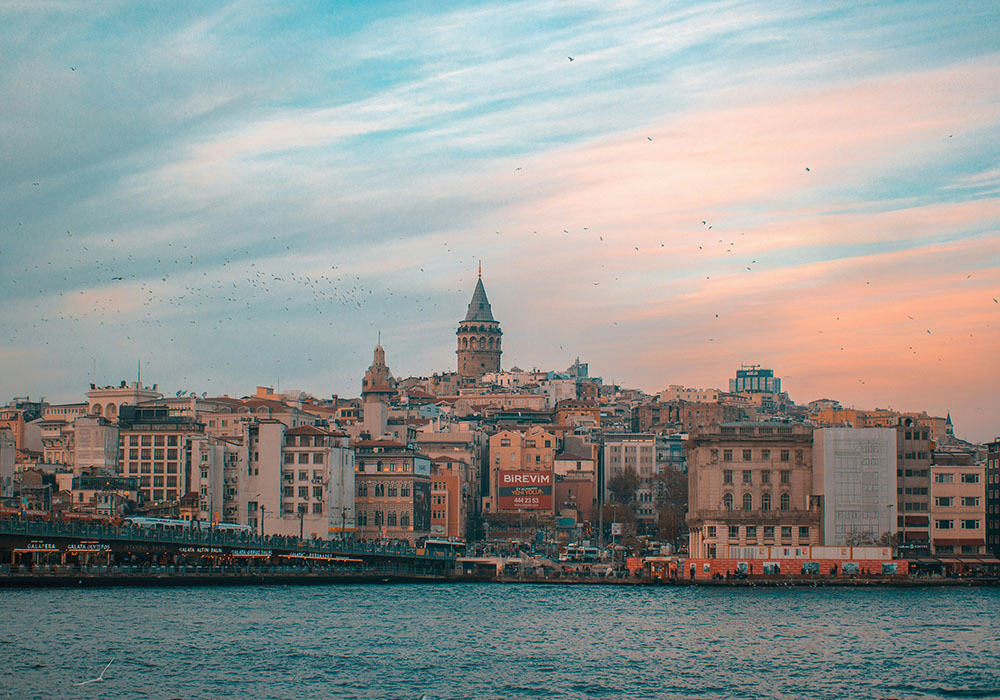
Stepping off the ship and down the gangway at Galataport, I strolled through Karaköy’s ultramodern precinct of shops and restaurants before emerging onto the road. Beneath a canopy of sycamores, rush-hour traffic crawled by grand mosques and the imposing limestone walls of the Tophane-i Âmire.
Few cities have stood at the crossroads of faith, culture, and history quite like İstanbul. Formerly Constantinople, the metropolis spans two continents, clasping together Europe and Asia, Thrace and Anatolia. Over millennia, grain, silk and spices flowed as emperors and sultans rose and fell in this ancient ‘New Rome’.
The sweet fragrance of flowering Tilia trees wafted through the heat and clamour of the streets. On impulse, I hiked up the steep Boğazkesen Caddesi, past men drinking tea with cats lazing at their feet. Art, leather and textile boutiques lined the pavement, while the earthy aroma of coffee drew me into a café for a morning Türk kahvesi.
By mid-morning, I was on the T1 crossing the Galata Bridge over the Golden Horn harbour. As the tram pulled up to the bustling waterfront of Eminönü, the Dhuhr call to prayer sounded from Yeni Camii – the New Mosque.
Fatih
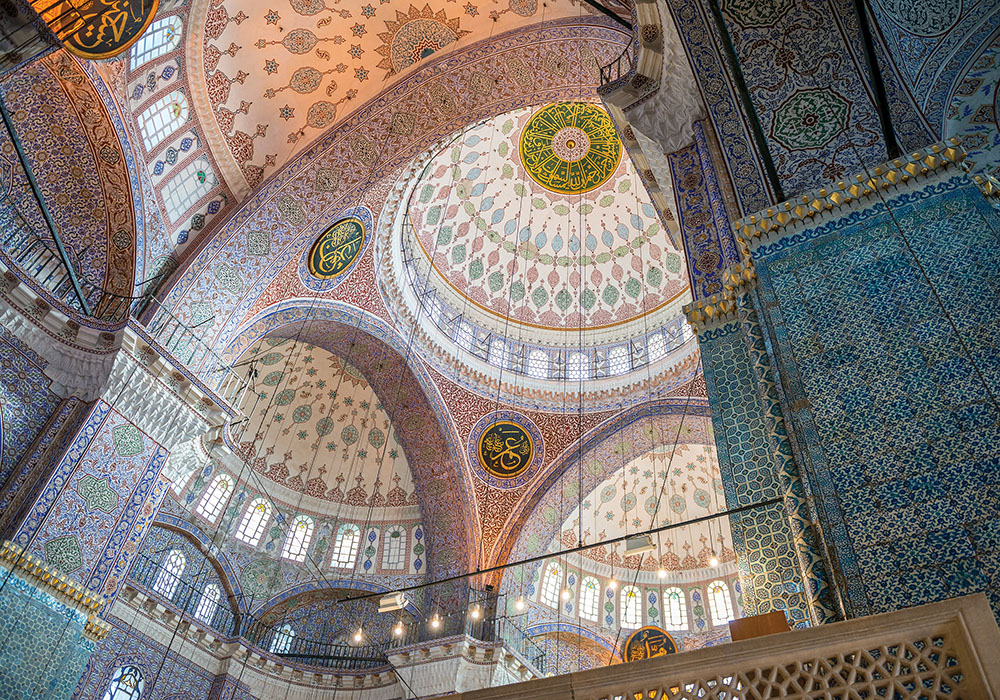
Mesmerised by the cascade of domes and semi-domes, I hopped off the tram and crossed the square toward the mosque, where women arriving for prayer hurried through the gateway, sweeping scarves over their hair with practiced ease.
I pulled out my own scarf and flung it over my head.
In the interior courtyard, sunlight bounced across the veined marble paving, laid sometime in the 17th century. Under a colonnade of arches, blue and green İznik tiles adorned the facade.
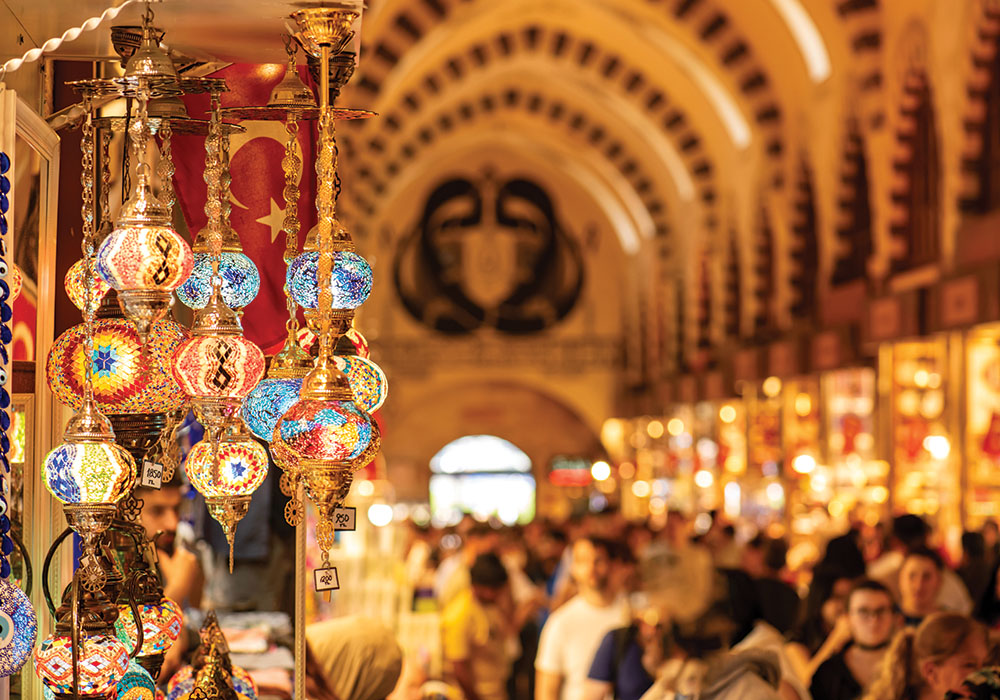
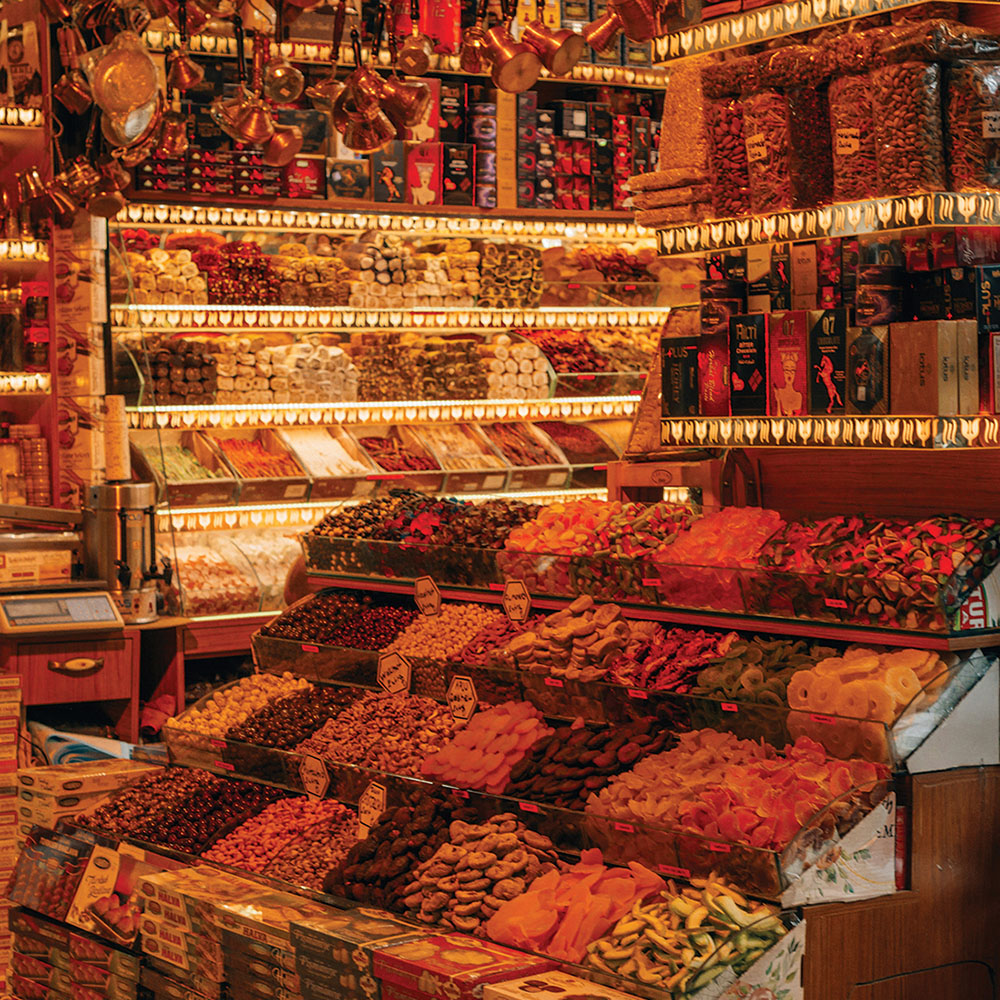
Next to Yeni Camii was the famed Egyptian Spice Bazaar. Through a stone archway under a vast vaulted ceiling, colourful mounds of saffron, sumac, isot pepper and baharat blends filled stall after stall. Outside in the alleyways, more merchants beckoned me to try their baklavas and fındıklı lokum (Turkish delight).
Deeper into the dense streets and markets of the Fatih district, pashminas, handbags, glass lamps, and Turkish rugs overflowed onto streets centuries old. At lunch at Huzur Café, I enjoyed Iskender and lahmacun outdoors in the cool shade while the owner, Aydın, chatted with me enthusiastically about Gallipoli, FIFA and his hopes of visiting New Zealand.
Old Sultanahmet
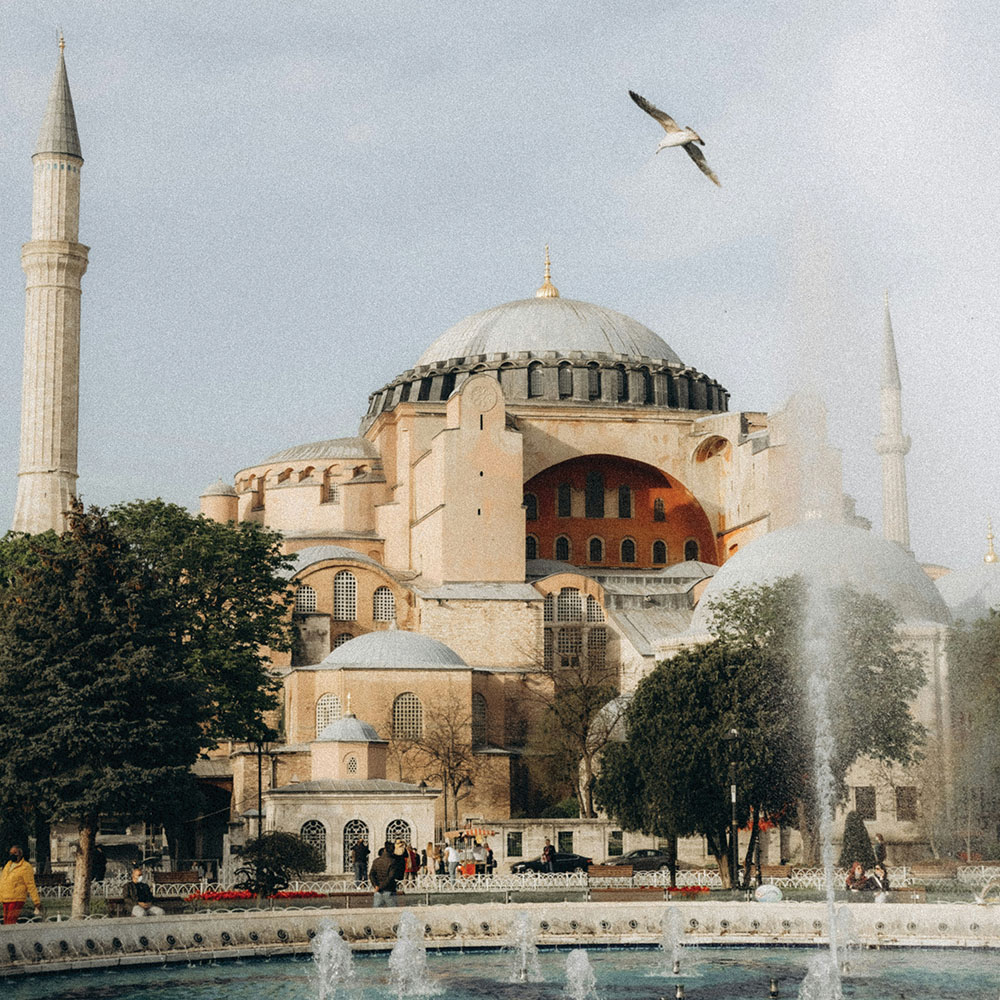
Eventually, I found myself in Sultanahmet Square where two of the world’s most breathtaking architectural feats – Hagia Sophia and the Blue Mosque – rested almost within a stone’s throw of one another.
Sparrows and parakeets chattered noisily above palms and planes as visitors queued for the sixth-century Ayasofya. We were ushered into the cavernous interior of the former Byzantine church, where light streamed through gridded windows, illuminating the upper vault in ochre tones. Massive medallions of Arabic calligraphy hung from walls of the central nave as dark marble columns stood like mighty guardians.
Within a golden-hued Deësis mosaic, the remaining vestiges of Mary, Jesus, and John the Baptist interceded on behalf of humanity.
I absorbed the atmosphere of a building that had witnessed centuries of conquest, neglect, restoration, and profound changes to its iconography.
Across the square at the Blue Mosque, worshippers swept me along through its stately white gate, past the ablution fountain toward the inner entrance. We slipped off our shoes and stepped onto the soft carpet of the prayer hall. A hush fell beneath the canopy of domes, ringed by hundreds of revzen stained-glass windows scattering ethereal blue light. Chandeliers hung low before the mihrab and minbar, highlighting gold inscriptions and walls covered by more than 20,000 blue and turquoise İznik tiles.
Outside in the courtyard, I sat in a long silence watching the sun lower behind the minarets. A young rug peddler sat beside me. “You live in the best city in the world,” I said. He smiled, pleased.
Sometime after Isha, when night fell, Venus hung high over the Blue Mosque as our ship departed port, slipping past the sparkling city lights of Üsküdar on the Asian side and the seven hills of İstanbul on the European side.
I left the rest of İstanbul for the next dream, bidding farewell to a city that had called to me for decades from halfway across the world.
And still does.